Fender Design Challenge
FENDER DESIGN
The fender defines for the automobile part that frames the wheel well and houses the wheel arch. The fender is also called as the quarter panel of the hood, as they combine together to give protection to the car that attempts to fend off major damage in the event of an accident.
The primary purpose of the fender to be placed is to prevent mud, sand, rocks, liquids, and other road spray from being thrown into the air by the rotating tire. Aesthetically it emphasizes by concealing the mechanical components of the automobile. Usually, the fender comes with an anti-chipping coating, allowing it to not pick and throw the road and ground particles and does not hit the pedestrian when the car is in motion.
Without a fender housing each wheel well, driving would be very messy. When you drive, your vehicle's tires spin very fast. As they spin, they pick up debris and moisture from the ground and then spray it into the air. The kinetic energy from the tire ejects these materials into the air at high velocity. When that happens, the debris and moisture can:
- Get the vehicle dirty
- Scratch the vehicle
- Get other pedestrians or vehicles dirty
- Hurt other pedestrians
- Damage other vehicles
That's why fenders exist. Fenders catch the debris and moisture before they can hit anything else. In other words, fenders "contain" the dirt and moisture within the wheel well.
The fender also positions the indicator housing in spite of an off-ORVM vehicles.
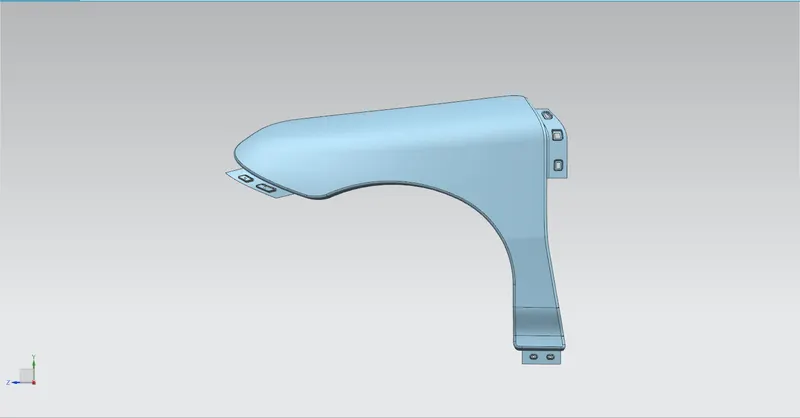
Bygone days when the full fenders are used for which the half fender came as replacement. The major advantages of this are the weight reduction, contributing to the vehicle performance, and also to the economic considerations. An image of the full fender is given in the image below.
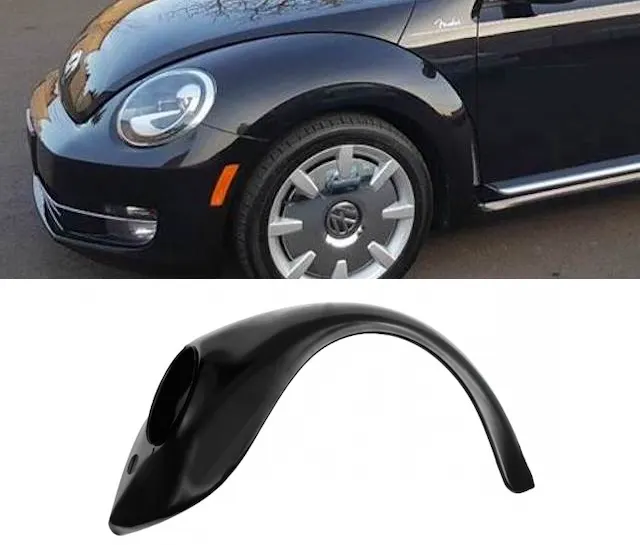
Whereas, now the half fenders better carry out its purpose.
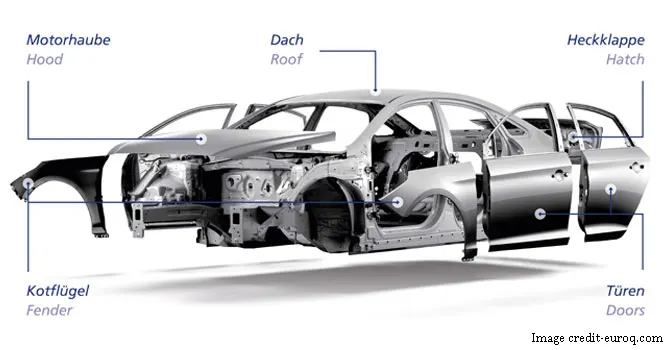
FENDER:
Once the class A stylists passes on their fender, the design and the engineering features, analysis, tool clearance, drafting are carried out in the design stage of the fender.
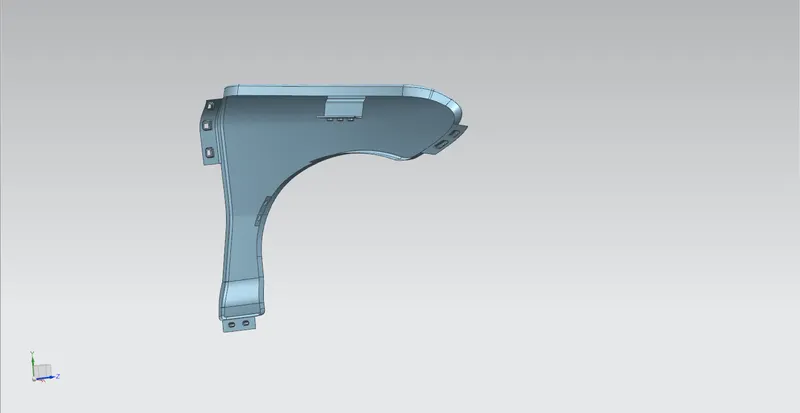
There are certain mandatory components and features that are to be incorporated in the fender design, they are as follows,
- Drip area.
- Sill mount.
- Bumper mount.
- A pillar mount.
- Baffle area
These are the mounting regions of the fender.
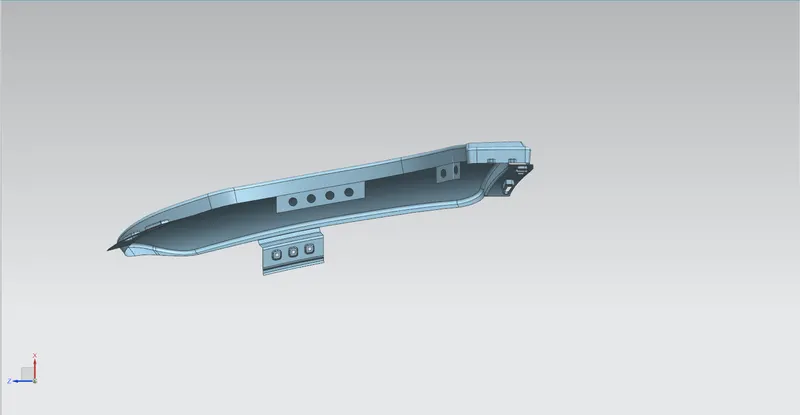
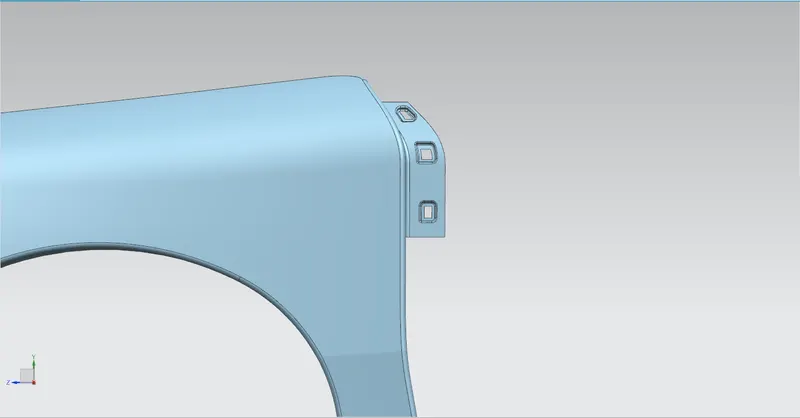
Drip area: The drip area is the internal side of the automotive where the automotive's powering systems are assembled. The common design criteria for the drip area is that it should be well kept above 10mm from the engine housing, and 200mm from the A pillar and 150mm from the bumper mount. The master section is provided for the drip area.
Sill mount: Sill plates are essentially placed in cars to protect the door frames from wear and tear. The narrow shelf at the base of a window frame, the part of a car frame at the bottom of the doors.
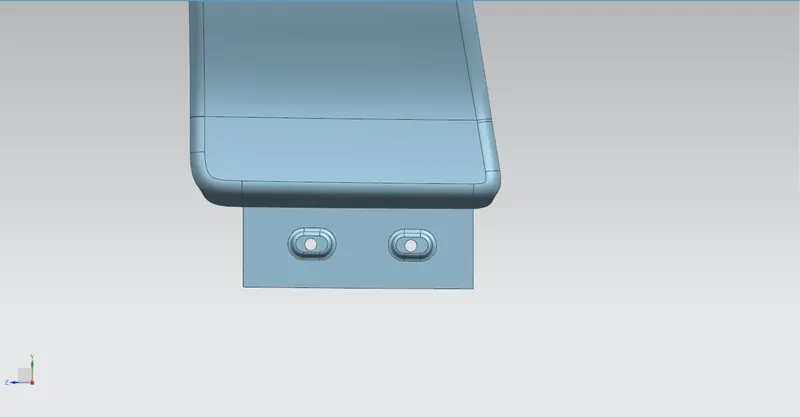
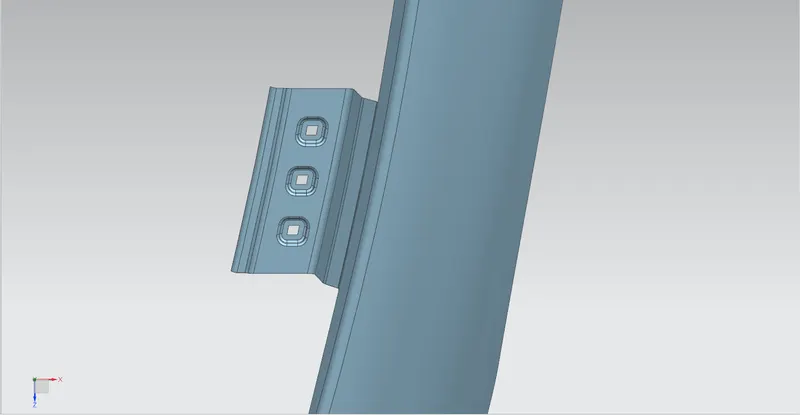
Bumper mount: As we all are pretty aware of the frontal component of the car, the fender has an mounting unit assembled to this component.
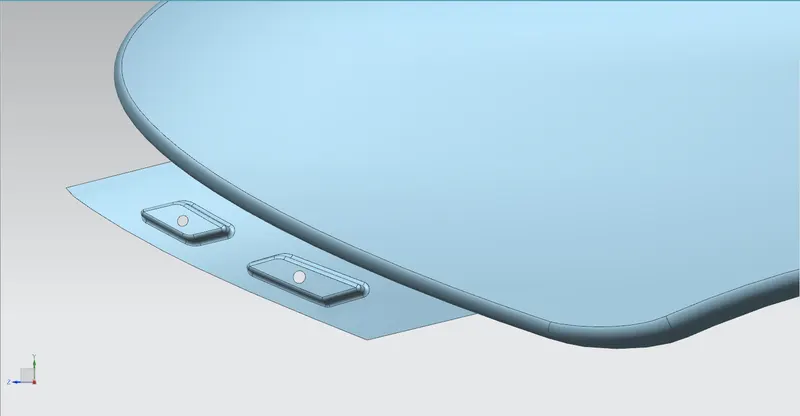
A pillar mount: The A pillar is one among the four sections the car is divided into while designing the car.

Baffle area: The baffle area is where the baffle, a noise and vibration damping component is fixed. The baffle area is mounted in the wheel arch. Hence the mounting facility to be designed and provided. This is an auxiliary component considered with various factors especially with economical constraints.
DESIGN:
With that the design requirements of the fender are being said above, will move onto the designing the sheet metal in Siemens NX.
The drip area
Bumper mount
A-pillar
Sill