Fender Design Challenge
Design of Front Fender of Car
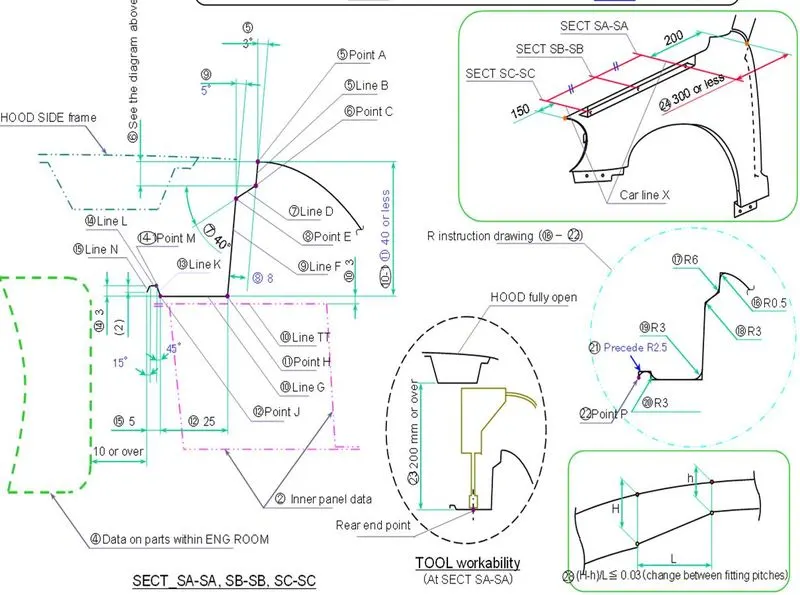
Objective: To design a front fender from the given skin data and the master section provided with Drip mounting, A-pillar, Sill, Bumper, and Cowl mountings.
Master Sketch:
INTRODUCTION:
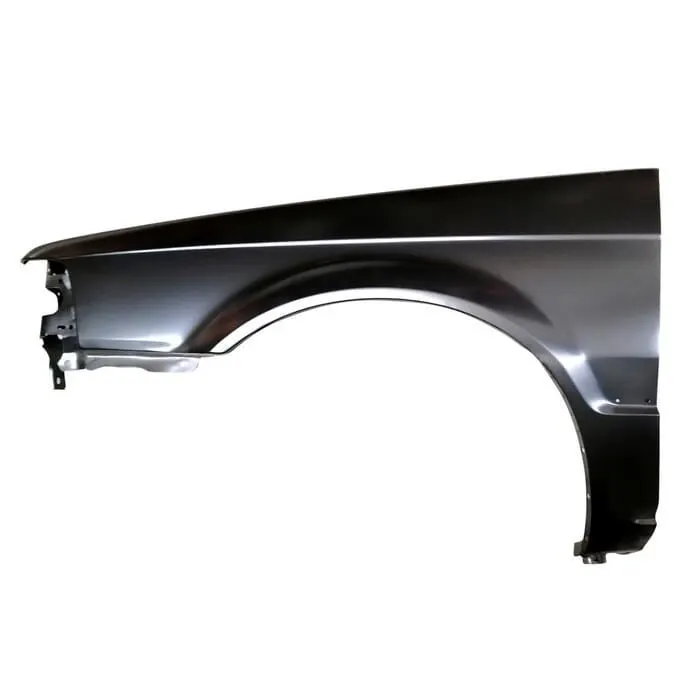
Fender: It is a part of an automobile, motorcycle or other vehicle body that frames a wheel well. Its primary purpose is to prevent sand, mud, rocks, liquids, and other road spray from being thrown into the air by the rotating tire. Fenders are typically rigid and can be damaged by contact with the road surface.Sticky materials, such as mud, may adhere to the smooth outer tire surface, while smooth loose objects, such as stones, can become temporarily embedded in the tread grooves as the tire rolls over the ground. These materials can be ejected from the surface of the tire at high velocity as the tire imparts kinetic energy to the attached objects. For a vehicle moving forward, the top of the tire is rotating upward and forward, and can throw objects into the air at other vehicles or pedestrians in front of the vehicle.
Types of Fenders:
There are different fender styles. While appearance may be one of the first things on a person mind when choosing a fender style, but one should also be thinking about the amount of coverage that will need to cover enough to stop water spray, rocks, and other debris from hitting your truck, trailer, and other vehicles on the road.
Full Fender:
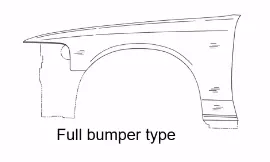
A full fender means they will be covering more area of the wheel in comparison to the half fender and it also extends towards the ground a lot more. The main advantage is increased coverage, less water on you, and importantly less water on your feet, meaning less road dirt and stuff stays drier longer. Since they cover more, it also has the benefit of shielding your bike a bit more from that gritty wearing road dirt so your bike components will also benefit. But due to its bulky shape, the full fender increases the weight of the component which in turn increases the overall weight of the car's body.
Half Fender:
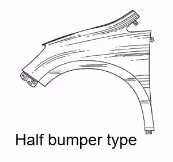
As the name itself refer, the half fender will be covering only the half portion of the wheel's area while the remaining part will be covered with the bumper parts. This is done to make sure the weight of the vehicle is reduced without comprising on the quality & service. Most of the modern-day vehicles come with half fender because of their rich aesthetic finish & low overall weight.
Drip:
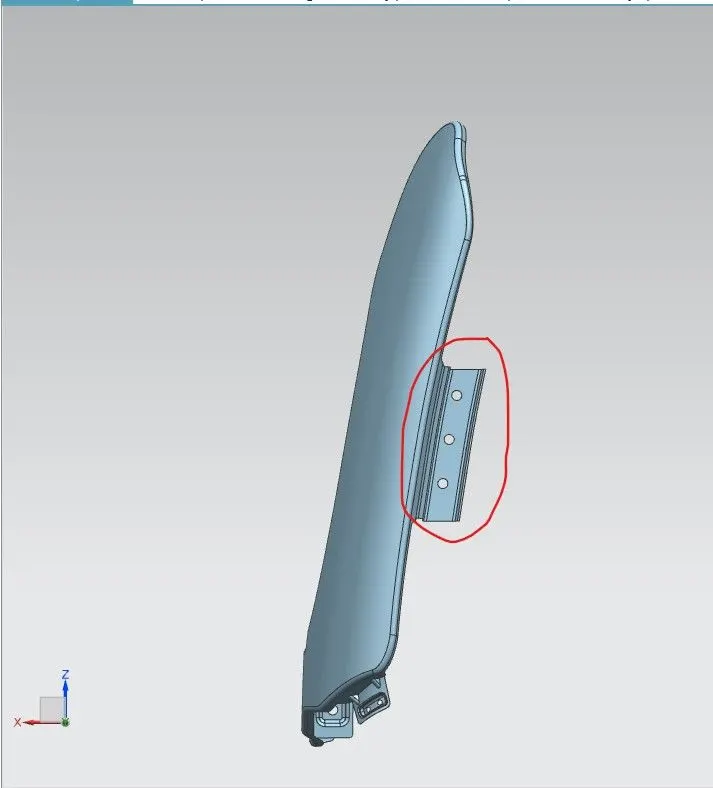
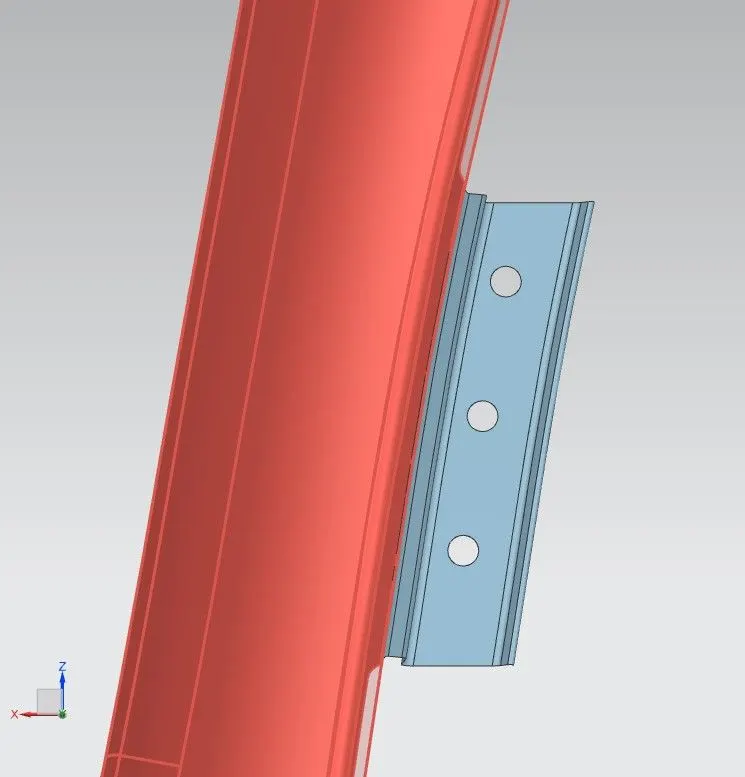
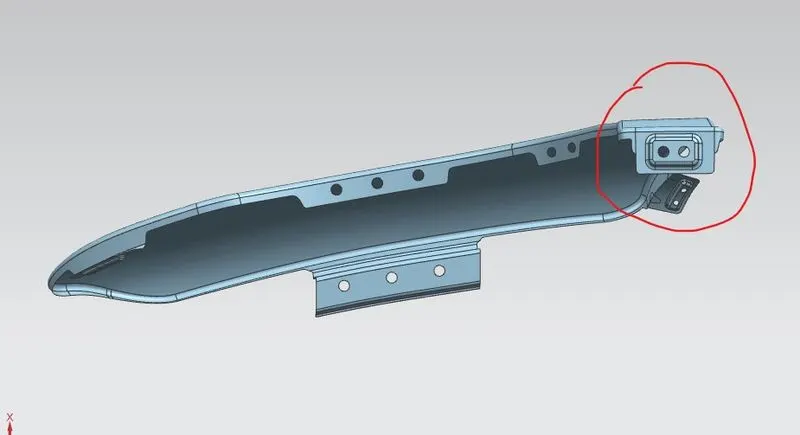
It is the area through which the fender is attached to engine housing through fasteners. There should be some consideration followed to design the drip area of the fender. From the backside of the front fender, there will be 200mm clearance for the cowl (wiper motor) mounting area.
A-Pillar:
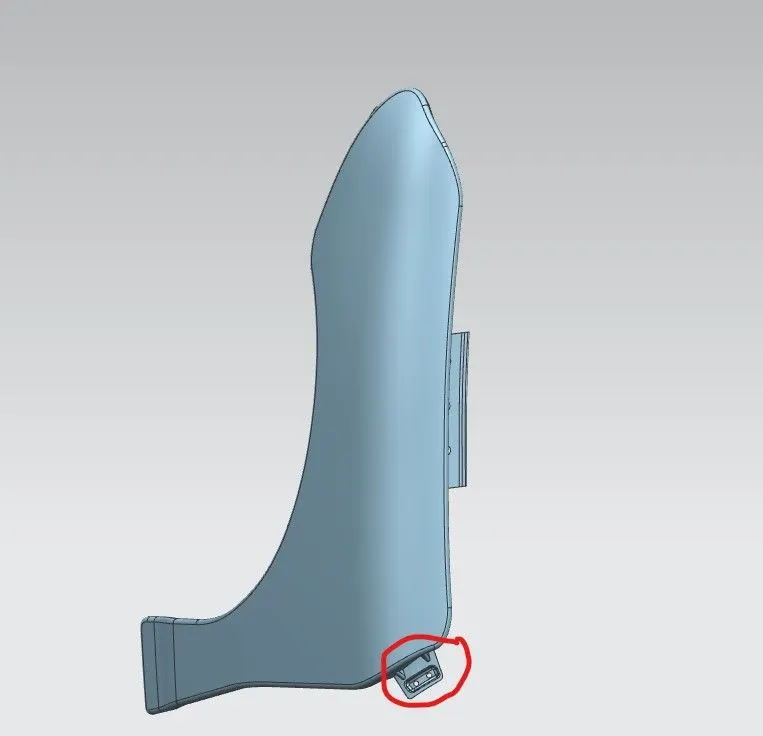
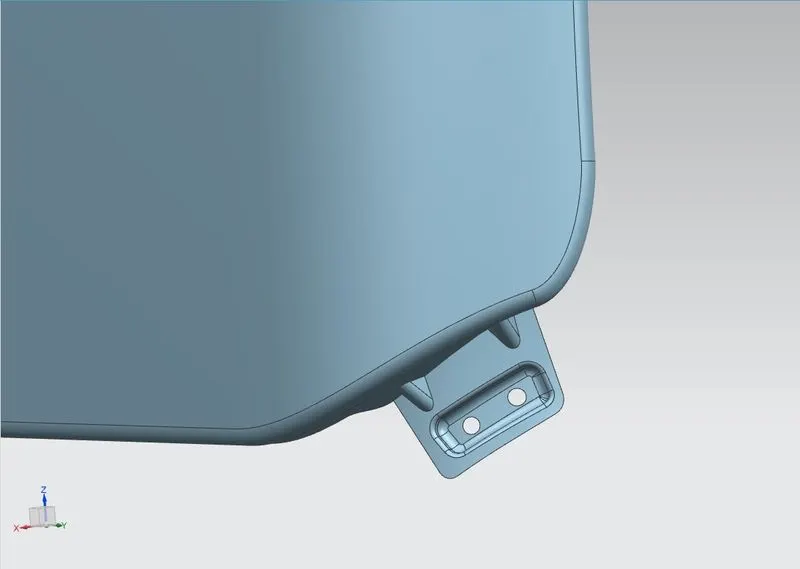
The roof support structure on either side of a vehicle's windshield. On a typical sedan, additional pillars are located between the front and rear doors (B pillar) and on either side of the rear window (C pillar).
Sill:
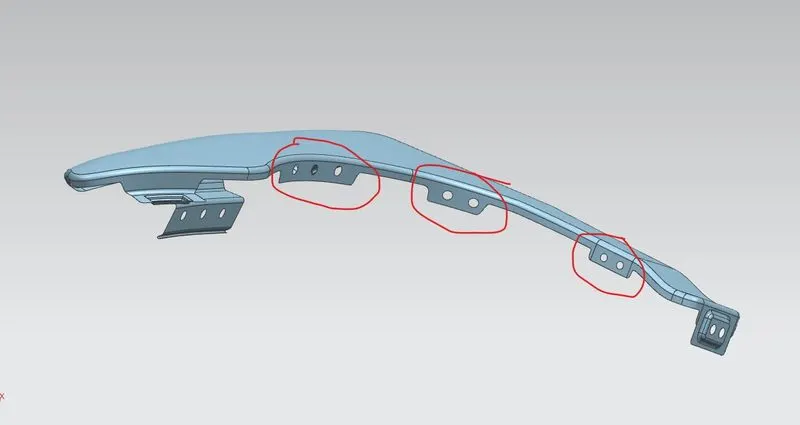
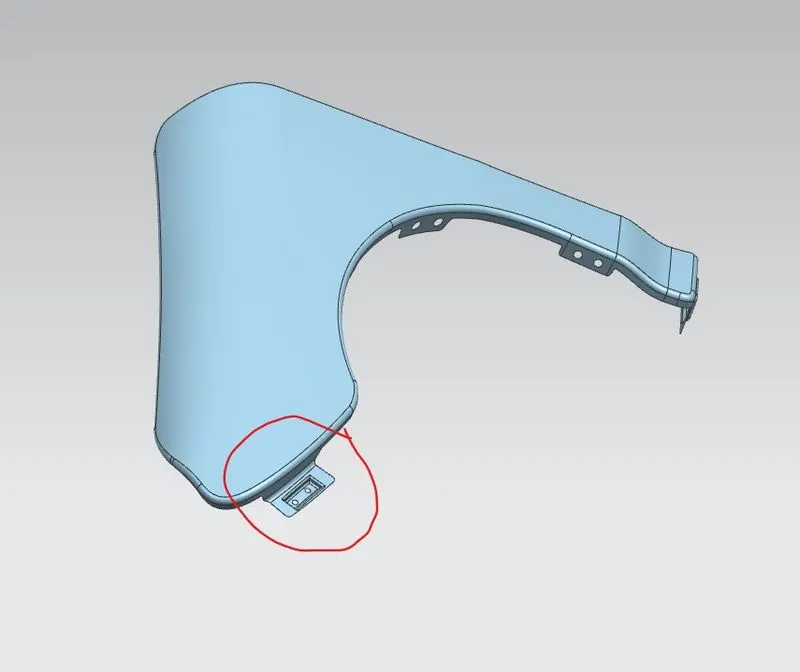
The rocker panel, or sill, is the part of the car traditionally running between the wheel-arches beneath the doors. Bumper: A bumper is a structure attached to or integrated with the front and rear ends of a motor vehicle, to absorb impact in a minor collision, ideally minimizing repair costs.
Cowl:
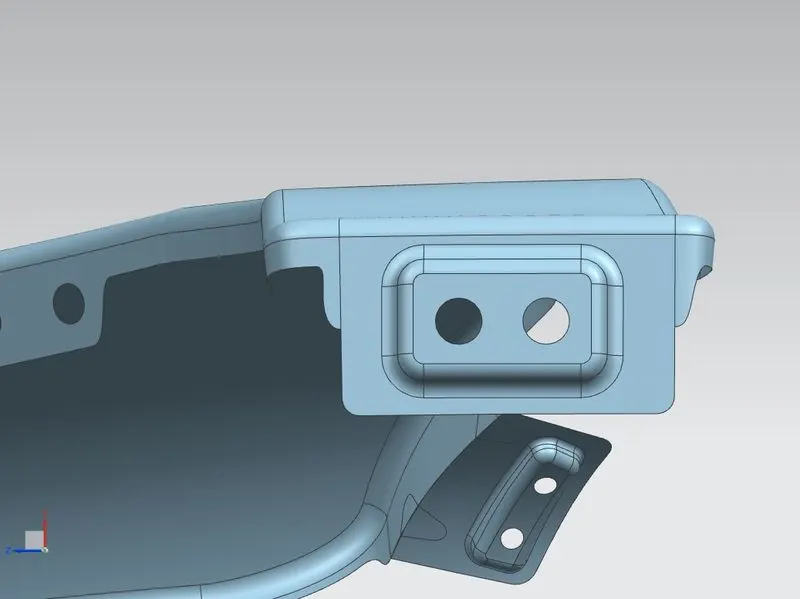
A cowl is a panel that covers the gap between your car's hood and windshield. It supports both the windshield and the dashboard while also protecting the area between the windshield and the hood.
Bumper Mount:
Embosses:
Sheet metal embossing is a stamping process for producing raised or sunken designs or relief in sheet metal. This process can be made using matched male and female roller dies, or by passing a sheet or a strip of metal between rolls of the desired pattern. It is often combined with foil stamping to create a shiny, 3D effect.
Design Methodology:
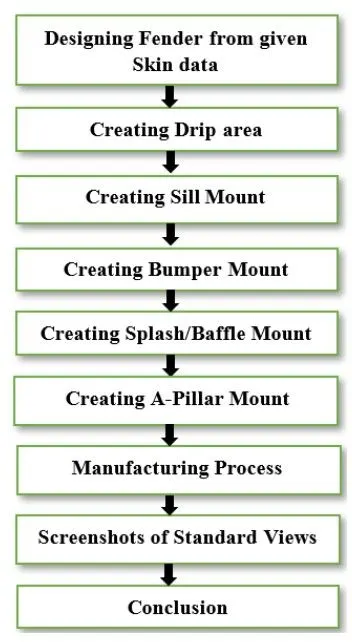
Manufacturing Process:
A vehicle Fender monitor is made by an interaction called reaction injection molding (RIM), which basically includes making a one-of-a-kind polyurethane compound and bringing it into an immense fender. RIM is a methodology that screens unrefined materials and lessens costs. It resembles injection moulding beside thermosetting polymers are used, which requires a re-establishing reaction to occur inside the shape. Normal things made through RIM join vehicle monitors, air spoilers, and fenders.
Reaction Injection Moulding (RIM):
Reaction Injection Molding is a low squeezing factor, the low-temperature measure used to frame various sorts of plastic parts. This procedure is conventionally used for clinical, mechanical, and auto ventures. Reaction Injection Molding (RIM) is habitually utilized for the molding of strong, lightweight parts that are easily painted. The unbendable materials used by Design Octaves go with a UL94V-0 rating for instability.
The RIM molding material utilized by Design Octaves is a two-section structure that includes polyol and isocyanate liquids that are mixed at a high squeezing factor and a while later metered into the shut gadget at a low squeezing factor. The material by then develops to fill the mechanical assembly and is shot out in around 5 minutes.
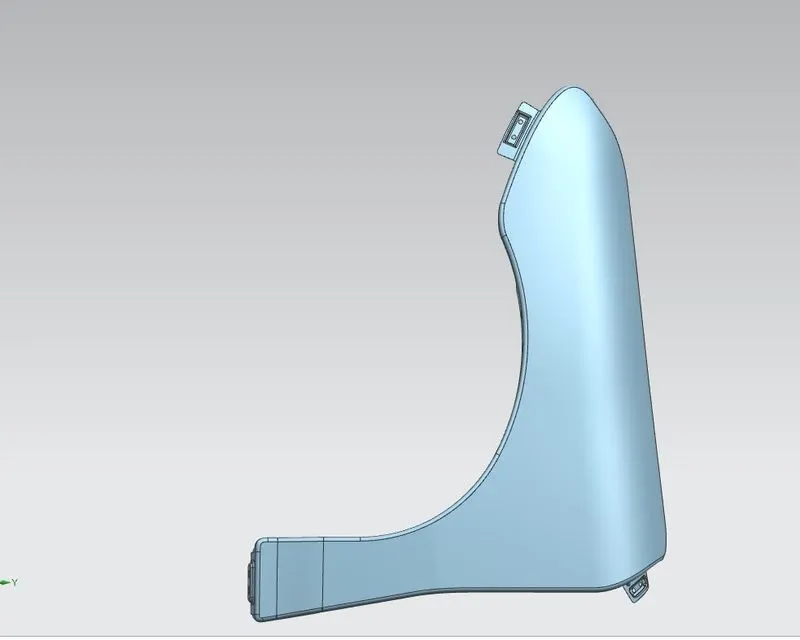
Different Views of fender:
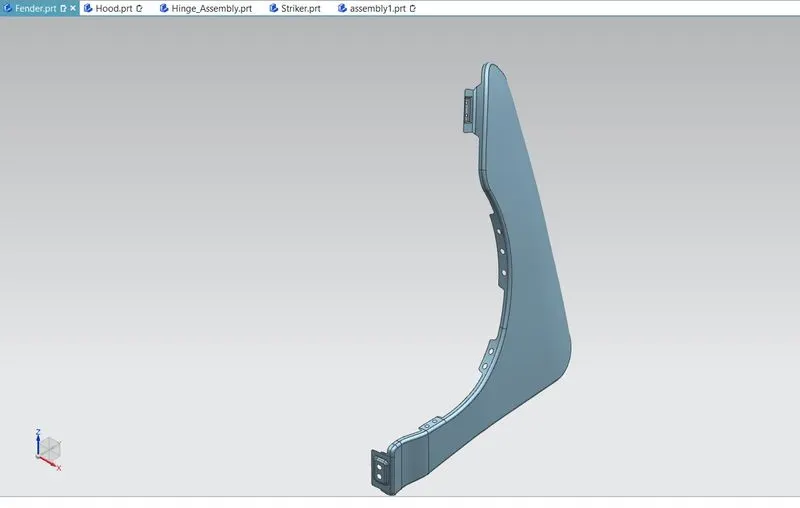
Isometric Views
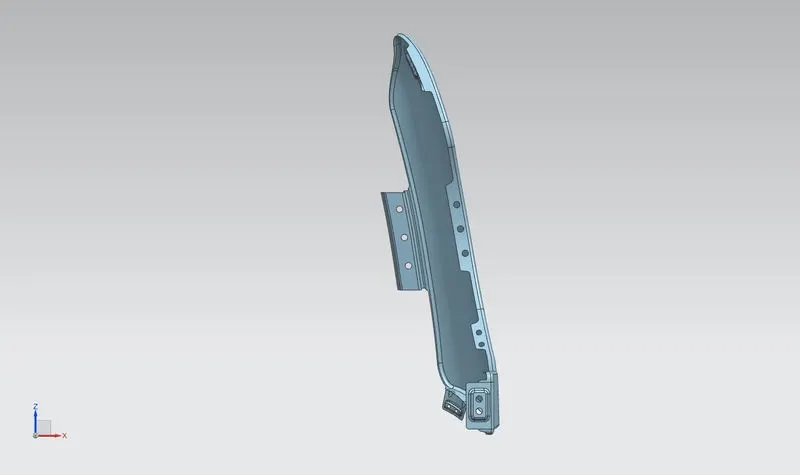
Front View
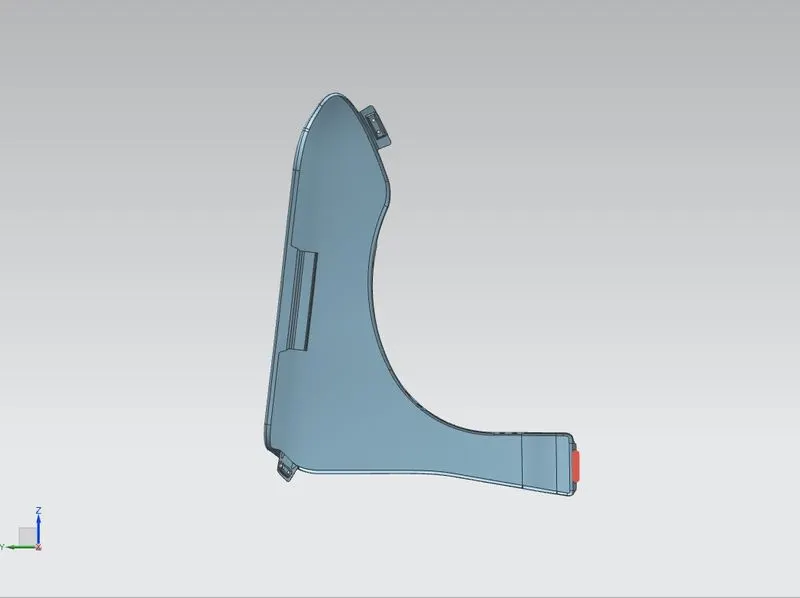
Left View
Right View
CONCLUSION:
The fender was successfully created with the following mounting points and taking into account all the design parameters.