Fender Design
Fender Design
AIM:
To design a front fender for a car based on the provided master section and OEM design considerations.
FENDER
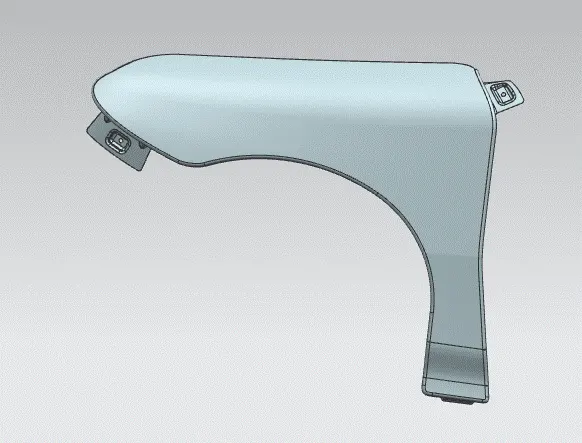
A Fender is a term commonly used in American English to refer to the part of an automobile, motorcycle, or other vehicle body that encloses and protects the wheel well. Its primary purpose is to prevent sand, rocks, mud, liquids, and other debris from being thrown into the air by the rotating tire. Fenders are typically rigid and can be damaged by contact with the road surface. They may feature various contours and details, depending on the design of the vehicle, and are essential for maintaining the safety and cleanliness of the vehicle and its surroundings while in motion.
TYPES OF FENDERS
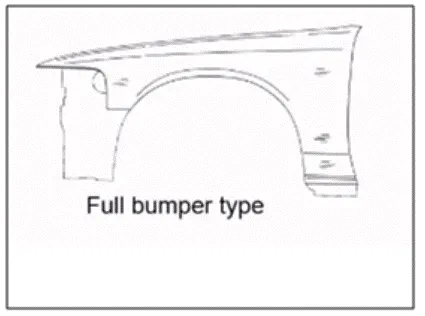
FULL BUMPER TYPE:
A "Full bumper type fender" essentially means that the fender extends to cover the entire width of the vehicle's front or rear end, merging seamlessly with the bumper. This design offers comprehensive protection to the vehicle's bodywork and contributes to a cohesive, streamlined look for the vehicle's exterior. It's a common design approach seen in modern vehicles, ensuring both functionality and aesthetic appeal.
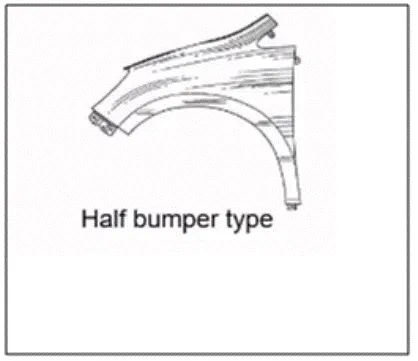
Half Bumper Type Fender
A "Half bumper type fender" provides partial coverage to the vehicle's front or rear end, balancing cost-effectiveness and weight reduction. By covering only up to the midpoint instead of the full width, this design helps reduce vehicle weight and manufacturing expenses. It also allows for efficient production by enabling the simultaneous manufacture of two fenders with a slight increase in blank size.
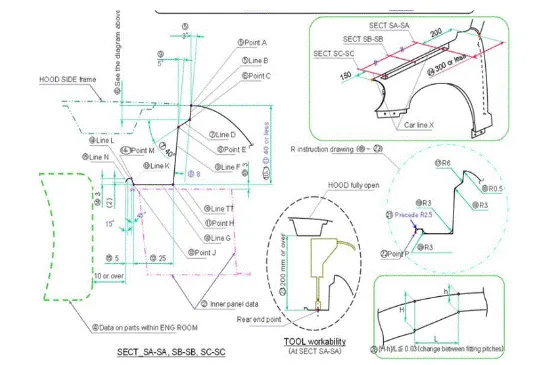
Master section
MOUNTINGS
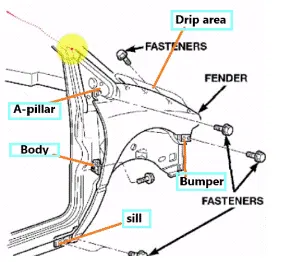
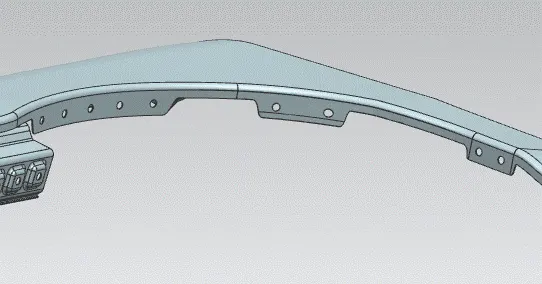
There are 5 mounting regions on the fender , they are
A-Pillar Mounting
Sill Mounting
Bumper Mounting
Drip Area Mounting
Baffle Mounting
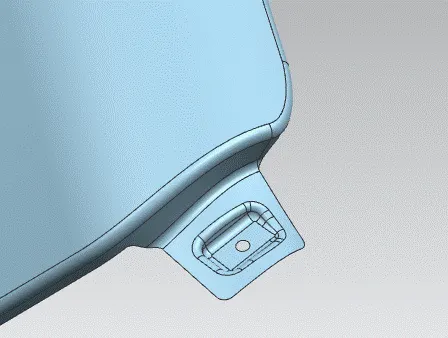
A-Pillar Mounting
A-pillar mounting involves attaching structural components or accessories to the A-pillars of a vehicle. The A-pillars are the vertical supports located on either side of the front windshield, extending from the roof to the front of the vehicle's body. This mounting is crucial for ensuring the stability and integrity of the vehicle's structure and for supporting components like the windshield frame and trim.
Sill Mounting
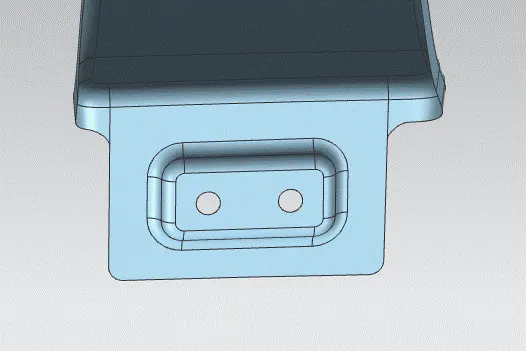
Sill mounting refers to the process of attaching or mounting vehicle components to the sill area of a car. The sill, also known as the rocker panel, is the horizontal structural member located along the bottom edge of the vehicle's body, running between the front and rear wheels on each side.
Bumper Mounting
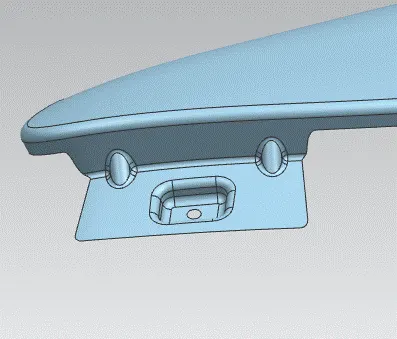
Bumper mounting is the process of attaching a bumper to a vehicle, playing a crucial role in the vehicle's safety system. It ensures that the bumper can effectively absorb impact and minimize damage during collisions. The mounting process typically involves using bolts, brackets, or other fastening mechanisms to secure the bumper firmly to the vehicle's frame or body structure. Proper bumper mounting is essential for maintaining the vehicle's structural integrity and providing adequate protection to occupants and other vehicles in the event of an accident.
Drip Area Mounting
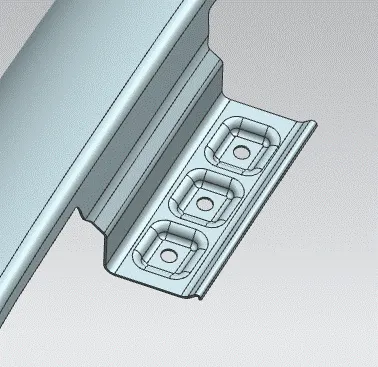
The "drip area" refers to the region below the hood inner panel of a vehicle. This area is designed to be flush when the hood is closed, minimizing gaps between components. Mounting this area typically involves spot welding or using self-tapping screws to secure it in place. This ensures a tight fit and proper alignment when the hood is closed.
Baffle Mounting
Baffle mounting occurs inside the fender arch above the tire, where baffles or mudguards are securely attached. This setup protects the engine compartment and pedestrians from debris thrown up by the tires. Baffles are typically mounted using clip-fit mechanisms and are constructed from durable materials to withstand impacts. Proper installation and maintenance are crucial for ensuring optimal performance and compliance with regulatory standards.
FENDER
CONCLUSION
The mounting areas for the fender have been designed based on skin data and the master section, ensuring adherence to all relevant design rules. This indicates that the fender's mounting regions have been accurately and effectively constructed according to the specified criteria and guidelines, meeting both functional and aesthetic requirements.