Fender Design
FENDER DESIGN: -
Fender is the Part of an automobile, motorcycle or other vehicle body that frames a wheel well (the fender underside). Its primary purpose is to prevent sand, mud, rocks, liquids, and other road spray from being thrown into the air by the rotating tire. Fenders are typically rigid and can be damaged by contact with the road surface.
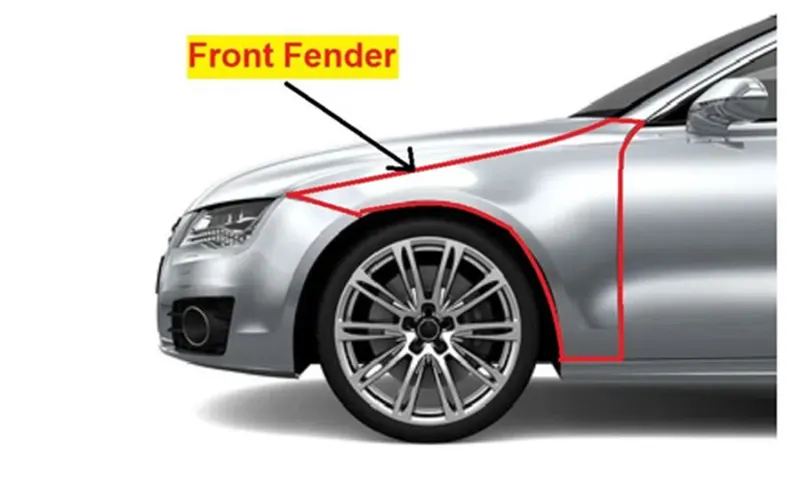
Sticky materials, such as mud, may adhere to the smooth outer tire surface, while smooth loose objects, such as stones, can become temporarily embedded in the tread grooves as the tire rolls over the ground. These materials can be ejected from the surface of the tire at high velocity as the tire imparts kinetic energy to the attached objects. For a vehicle moving forward, the top of the tire is rotating upward and forward, and can throw objects into the air at other vehicles or pedestrians in front of the vehicle.
How Many Fenders Are on A Car?
Technically, there are a total of 4 fenders on a car, each over the four-wheel wells. In US automotive design industry, the fender typically refers to the front frame covering the wheel, and the quarter panel is the rear panel covering the rear wheel wells and C-pillar. You can see quarter panels right between your car’s rear door and the trunk/bed. Like fenders, quarter panels usually extend above and around your rear wheels. The main difference between fenders and quarter panels is that fenders are bolted on while quarter panels are typically welded on.
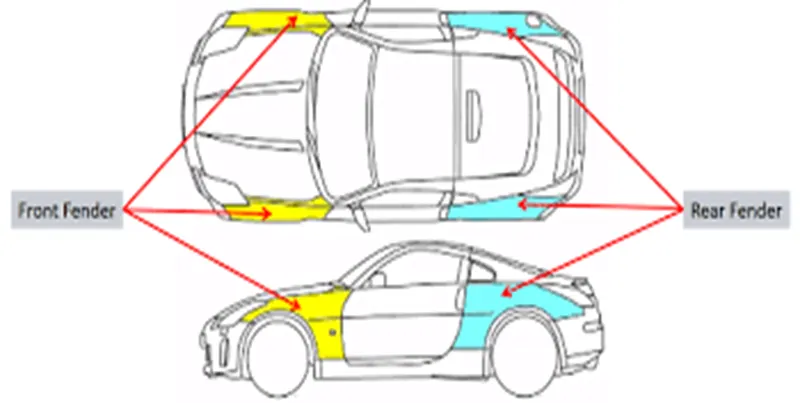
So, in terms of auto industry nomenclature, a car as two fenders on the front.
There are two types of fenders
- Full Bumper Type.
- Half Bumper Type.
Full Bumper type
This type of fender is used in olden days, it is no more in use due to its heavy weight of the structure and consumes more raw material in manufacturing. Currently full bumper is not running.
Half Bumper Type
Half Bumper Type fenders are widely used now, due to its mini size and compared with full bumper type is less. Currently half bumper is running.
DATA GIVEN:
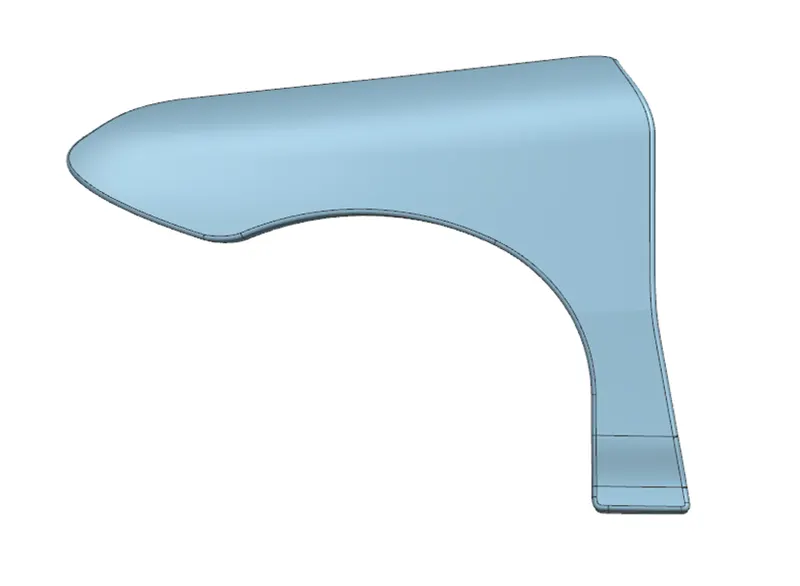
Fender _Skin:
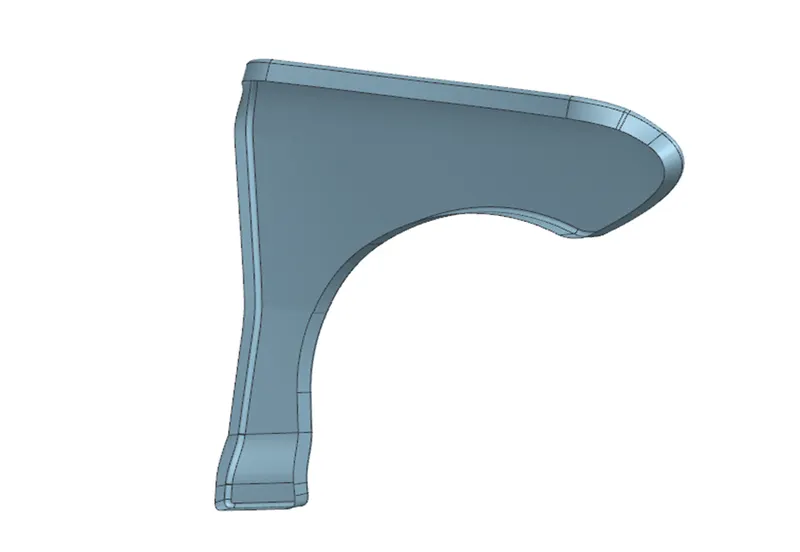
Master Section:
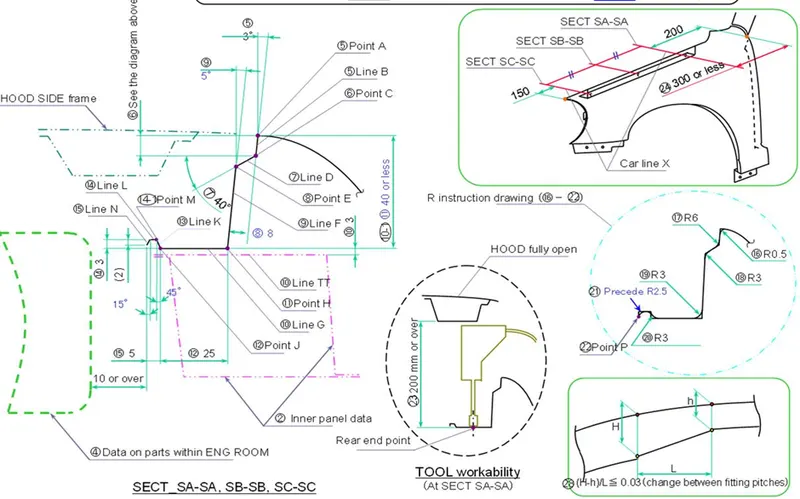
There are 5 mounting area in a fender
- Drip area
- Sill Mounting
- Bumper mounting
- A-pillar mounting
- Splash cover mounting
- Drip area
It is the area which the fender is to be attached to engine housing through bolts. There are some standards to design the drip area, from the backside of the fender there should be 200mm clearance for bumper mounting and from the front the side the clearance should be 150mm for the head lamp. Given a minimum three degree of angle manufacturing process.
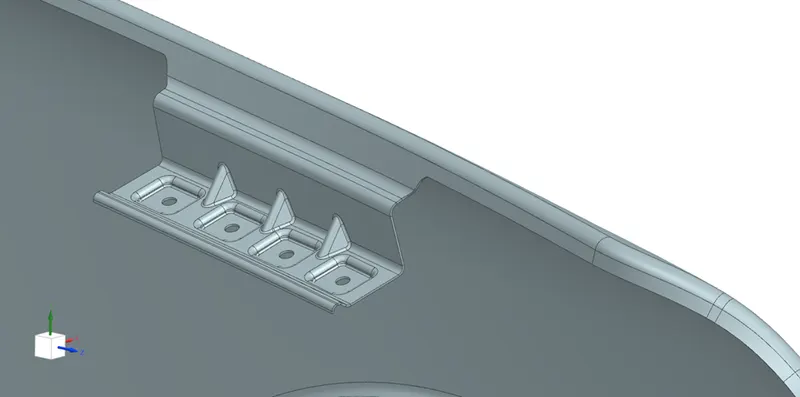
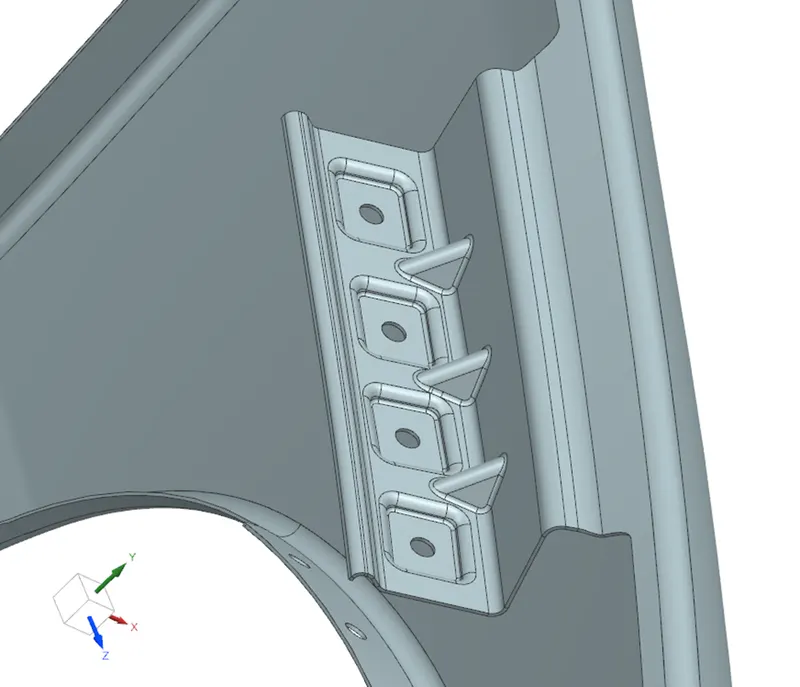
- Sill Mounting
Sill area mounting is also an important mounting part. this mounting point is basically on the bottom of the fender. The mounting part should be created such that the fender is firmly attached to the sill.
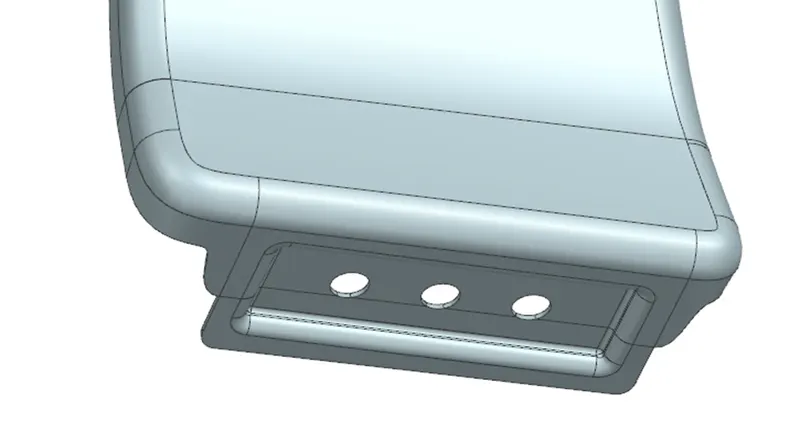
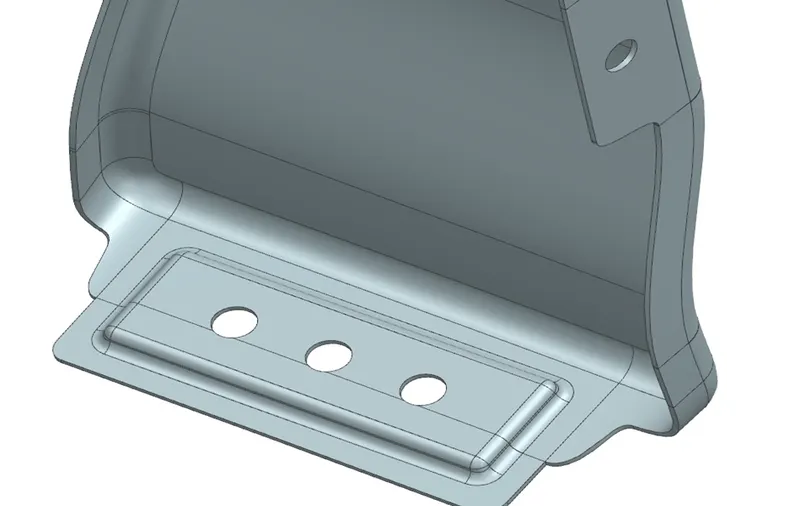
- Bumper mounting
Sometimes fender is also provided with the cowl area mounting. this mounting is on the top side of the fender.
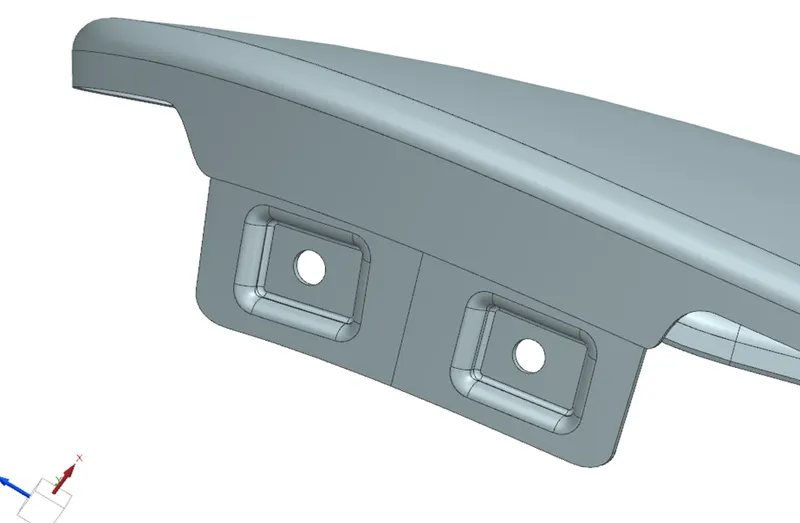
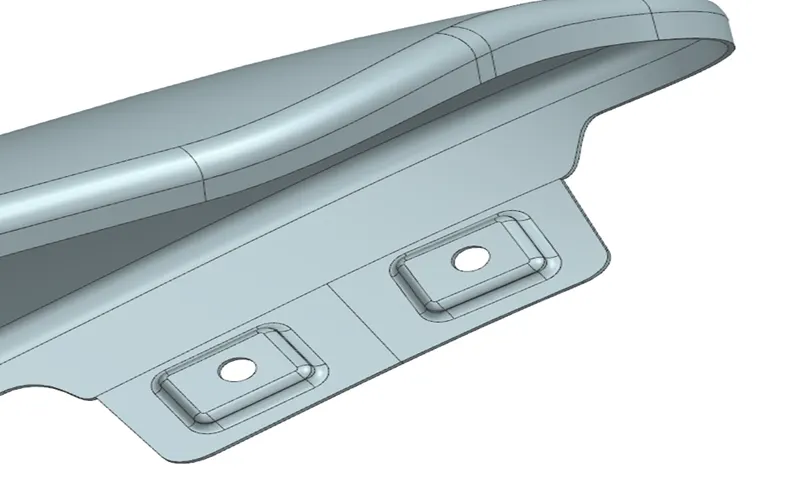
- A-pillar mounting
This Mounting region is located near the cowl of the vehicle where the fender is fastened with the bottom edge of the windshield. This mounting is covered with the side rear-view mirror.
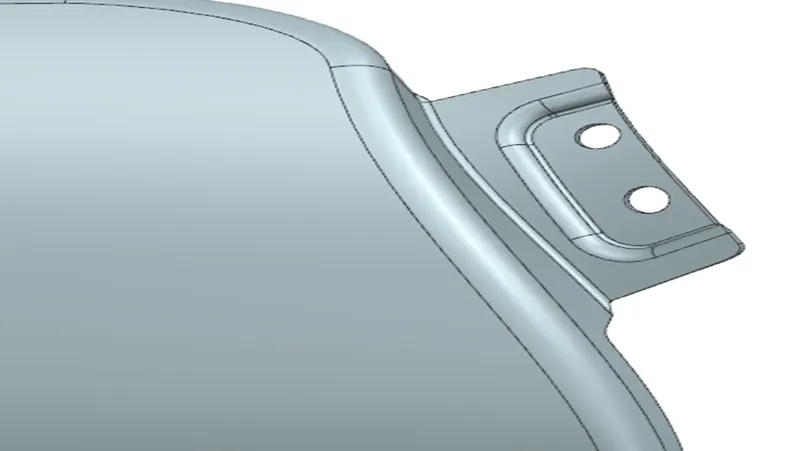
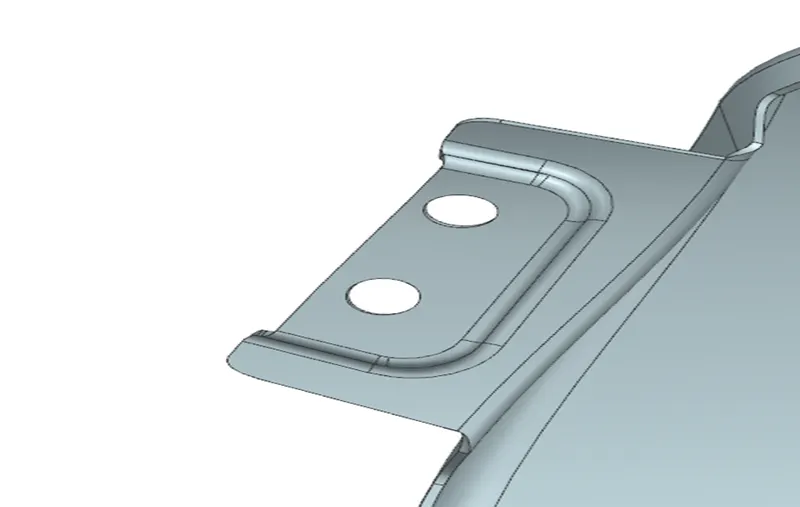
- Splash cover mounting
The area at which the bottom of the fender gets connected to the floor near the bottom edge of the door. The Embossed sill mounting of the fender is attached with the fasteners.
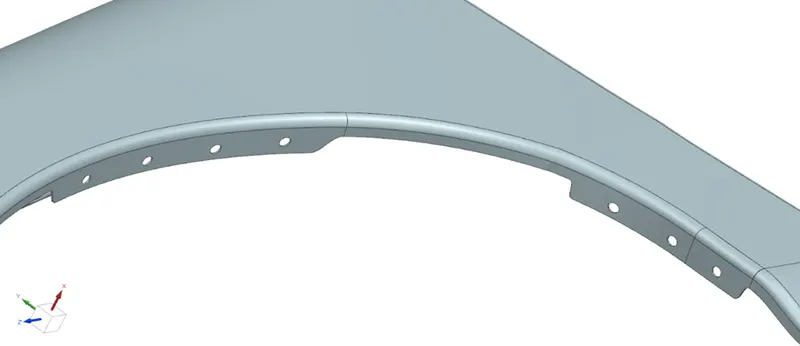
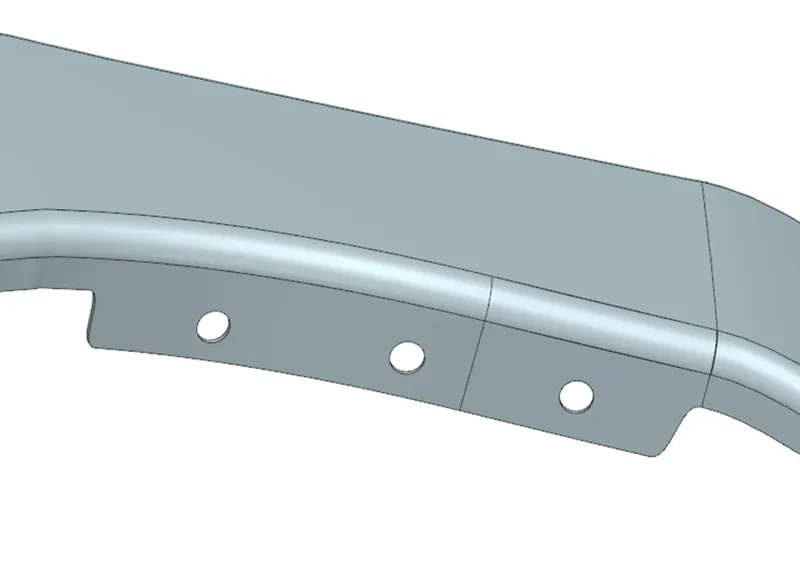
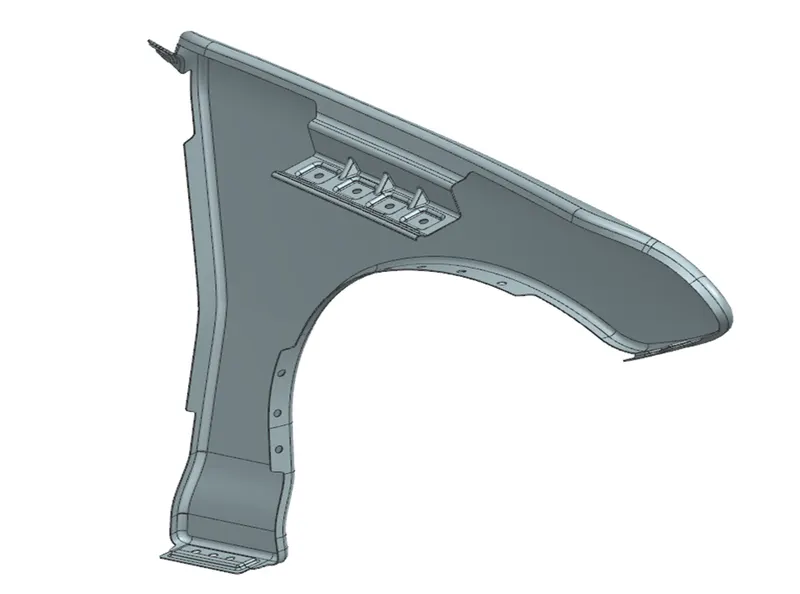
FINAL FENDER DESIGN: (Sheet Thickness: 0.75mm)
CONCLUSION:
Fender Design in completed by using UG NX. Here, developed mounting flanges in Drip area, Sill mount, A pillar, Splash cover and Bumper with given design requirements.