Fender Design
FENDER:
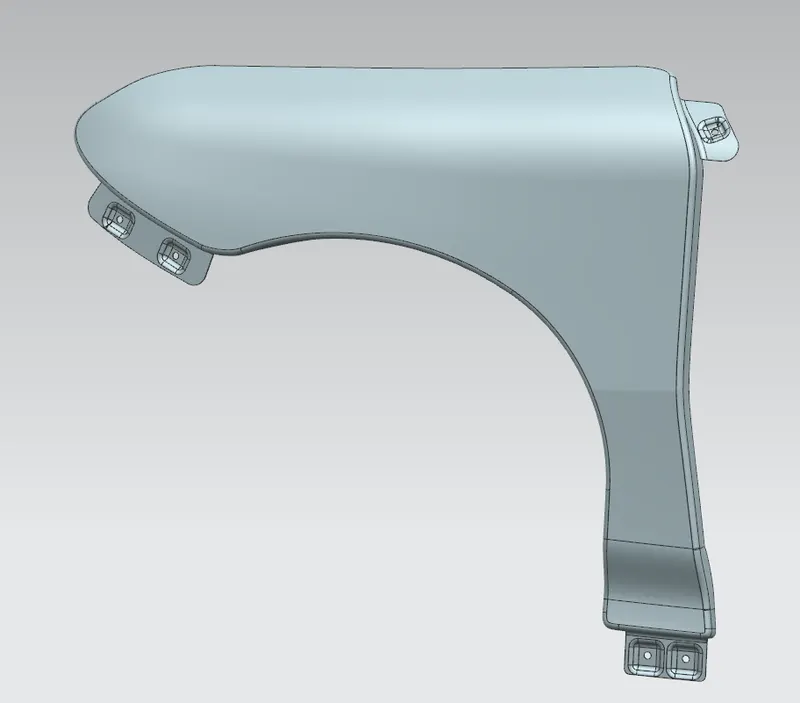
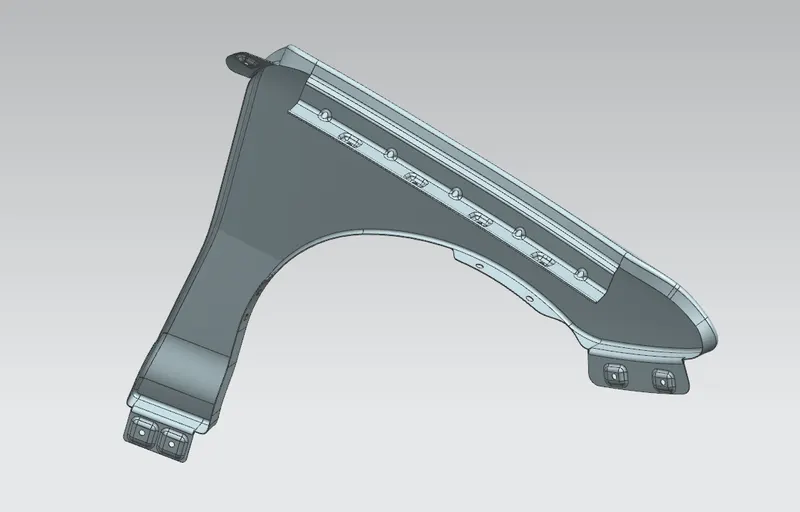
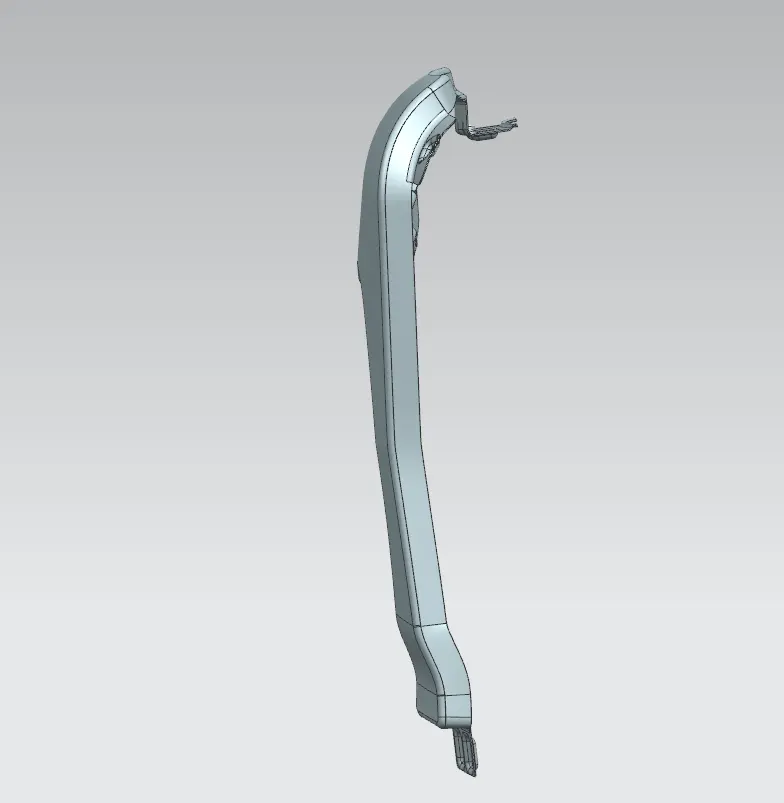
The fender, is an aesthetic and structural component that frames the wheel on a car. Sand, dirt, rock, and other debris from rotating tires are kept from harming pedestrians by the fender's main function of preventing this from happening. In a car's body, there are two different types of fenders:
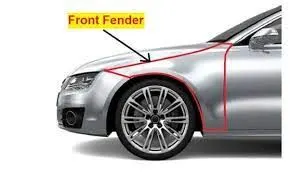
TYPES:
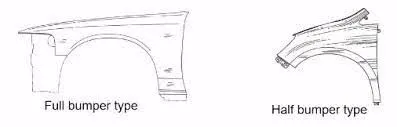
FULL BUMPER TYPE: These fenders were common on early car models. By only covering the front headlamps in relation to the bumper area, they significantly increase the steel weight. The issue with this type of fender is that the blank is wasted a lot, and the industry pays for every inch of material used.
HALF BUMPER TYPE: These fenders are mostly used to reduce costs and use a sufficient amount of less expensive steel, which helps to lighten the vehicle's weight. By significantly expanding the blank size, we can make two fenders at once, making their production economically feasible.
MOUNTING POSITIONS:
A-PILLAR: This mounting point is designed to allow the fender to be attached to the vehicle's A Pillar. The vehicle's A-pillar must be used as a guide for designing the mounting. For the wiper equipment to be mounted quickly, sufficient clearance must be provided.
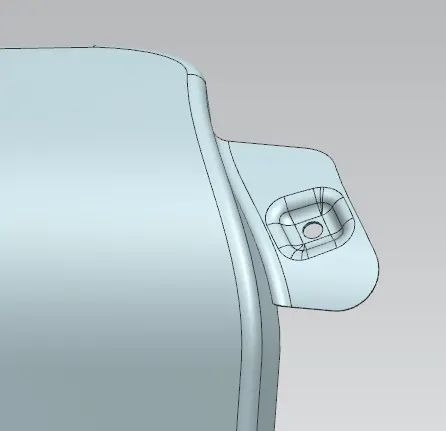
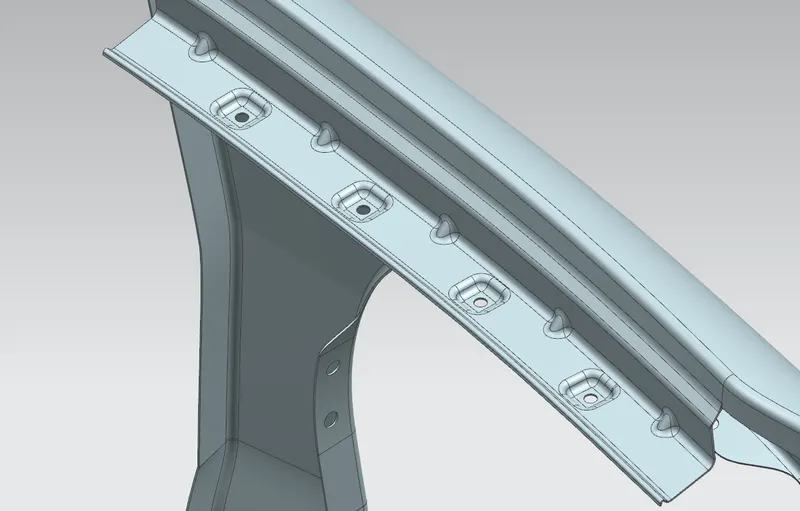
SILL: The panel right below the bottom of the door that supports the floor and can be utilised to join the body and the floor is known as the sill. The sill mounting location is built with holes and emboss because the bottom end of the fender is fastened to the sill body for reinforcement of the fender panel. M5 bolts are used to secure the fenders to the sill body.
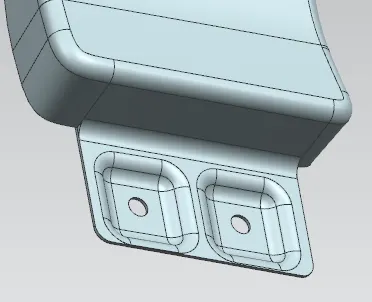
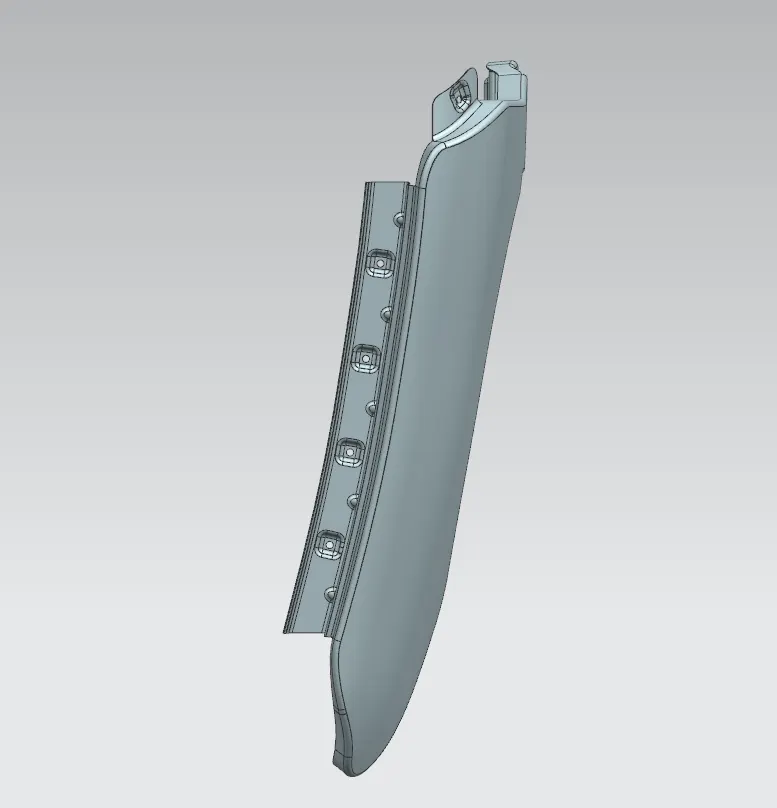
DRIP AREA: This drip region, where the fender must be fastened to the engine compartment, is the most crucial mounting on a fender. To provide enough room for attaching headlight housing, the drip area should be constructed so that it is at least 150mm away from the front end of the fender. To allow enough room for the cowl that houses the wiper equipment, the drip area typically begins 200mm from the back of the fender. The fender's length determines how long the drip area will be.
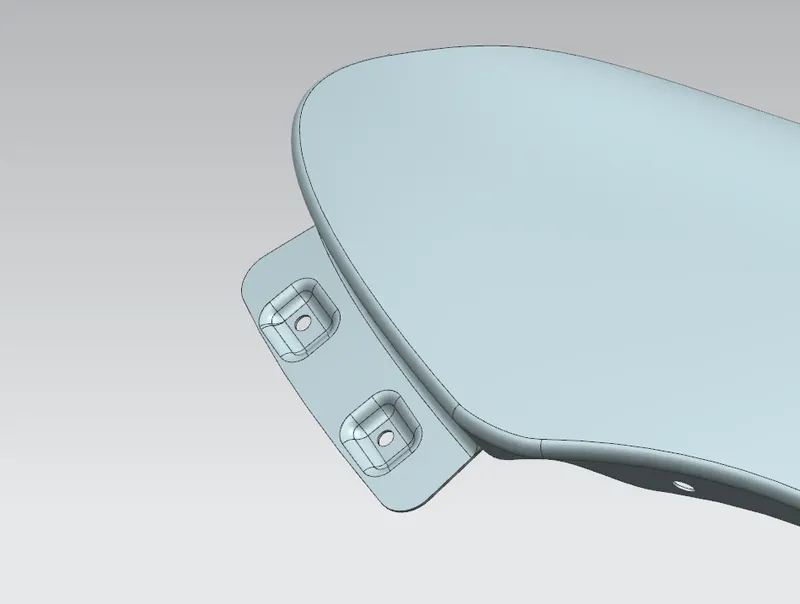
BUMPER: To secure the bumper to the fender, this mounting point is made. It need should possess sufficient heft to firmly retain the bumper.
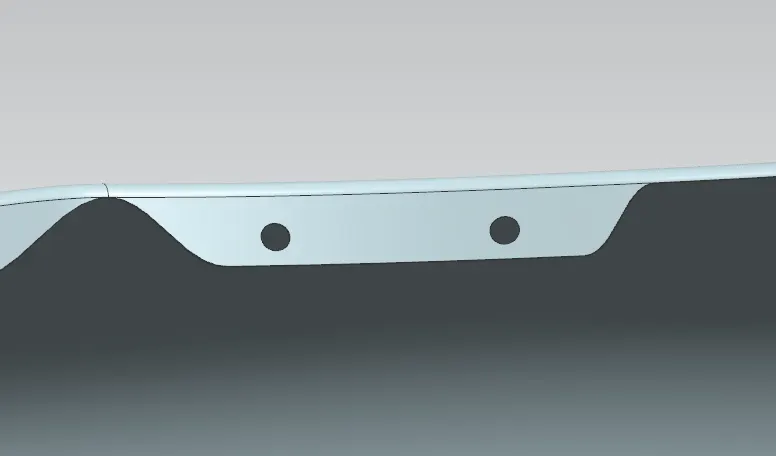
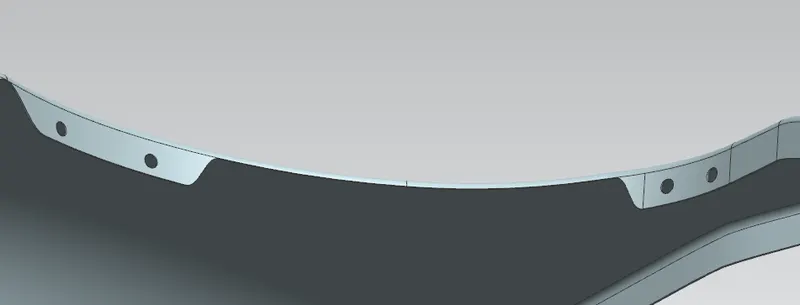
BAFFLE: The inner side of the fender arch over the tyre is where the baffle mounting or mudguard are mounted using pushpins. It guards against injury from chip-out debris on the road when the automobile is moving and safeguards the car engine compartment and pedestrians from harm.
MANUFACTURING TYPES:
BLANKING: Cutting procedures involve separating a sheet of metal by applying a sufficient shearing force to render it unusable. During the blanking process, which is used to manufacture steel, a coil of sheet metal is fed into a press and die. The blank is then punched out of the large metal sheet.
EMBOSSING: A metal forming technique called embossing uses roller dies to create raised or depressed designs or relief in sheets of material, theoretically without changing the metal's thickness. It can also be accomplished by passing a sheet or a strip of metal between rolls that have the required pattern.
PNEUMATIC BENDING: Metal can be bent by applying force, which causes it to bend at an angle and take the desired shape. This process is known as metal bending, and it frequently produces objects that are in the shapes of a "V" or a "U." Applying force to a workpiece accomplishes this. The pressure exerted on the workpiece may be mechanical, pneumatic, or hydraulic.
DESIGN CONSIDERATIONS: