Fender Design
OBJECTIVE
To design a front fender of a car using the fender skin provided and considering all design consideration from master section.
INTRODUCTION
The part of an automobile, motorcycle, or other vehicle body that frames a wheel well is referred to as a fender. When a vehicle is moving, the tyres pick up stones and other debris and hurl them in all directions, so fenders are used to protect pedestrians from these stones. Fenders are rigid and can also be damaged by road surface contact. When a vehicle moves forward, the tyre rotates throwing objects into the air and potentially hitting other vehicles or pedestrians.

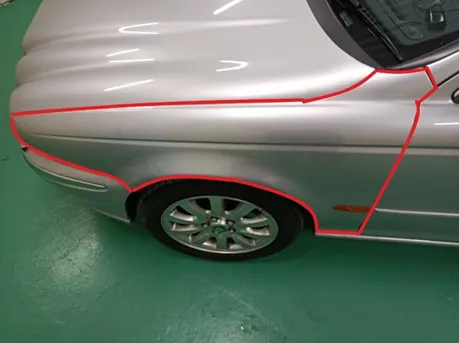

Fenders are of two types, half bumper and full bumper type.
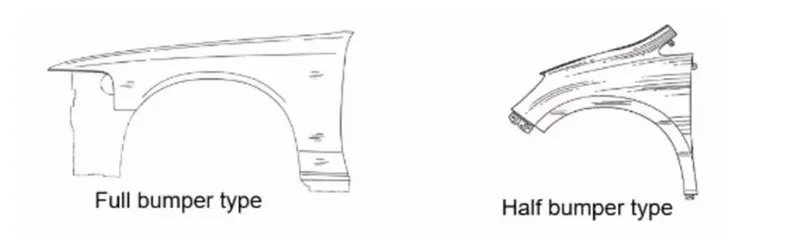
Full Bumper Type
In older cars, the full bumper fender covered the entire area until the front lighting. However, it requires a lot of sheet metal material that is unnecessary and adds weight to the fender. Thus this type of fenders are no longer used in automobiles.
Half Bumper Type
In the half bumper type, use of sheet metal is less and more plastic on the bumper, which reduces the weight of the car while increasing its performance.
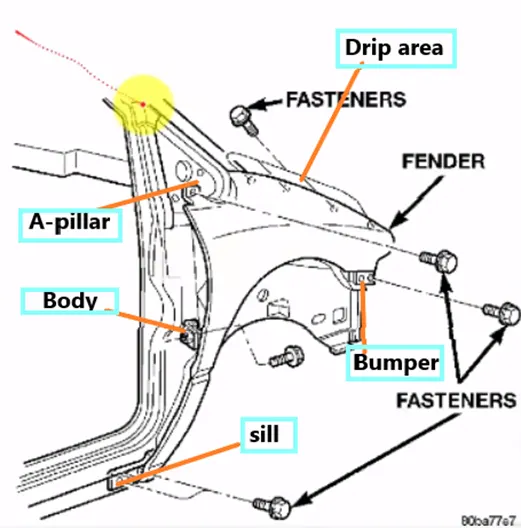
Parts of Fender Mounting
There are 5 points of fender mounting area, which are:
- Body
- A- Pillar
- Sill
- Cowl
- Drip
METHODOLOGY AND DESIGN
Master Section
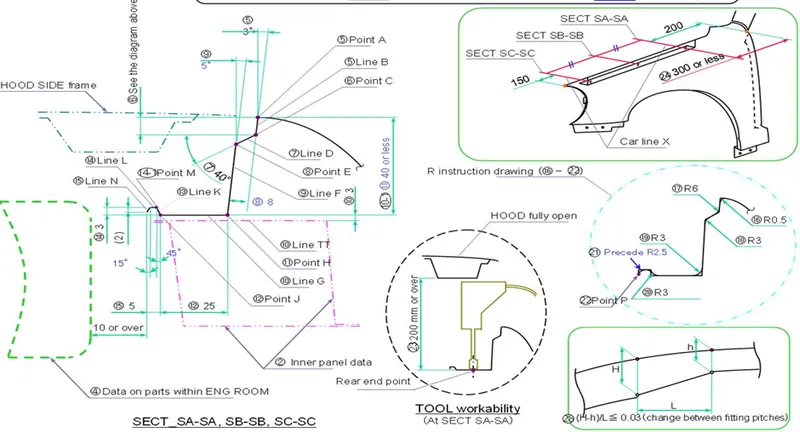
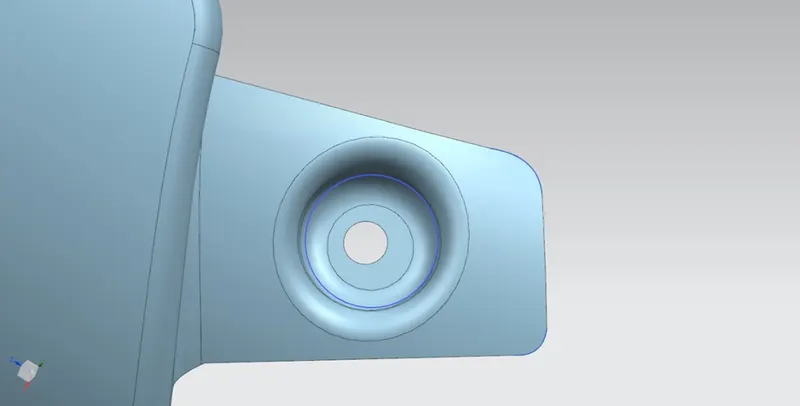
Design of A-Pillar Mounting
The A-Pillar is a structural pillar mounted to the body and roof. Corner reliefs are provided to avoid sharp corner.
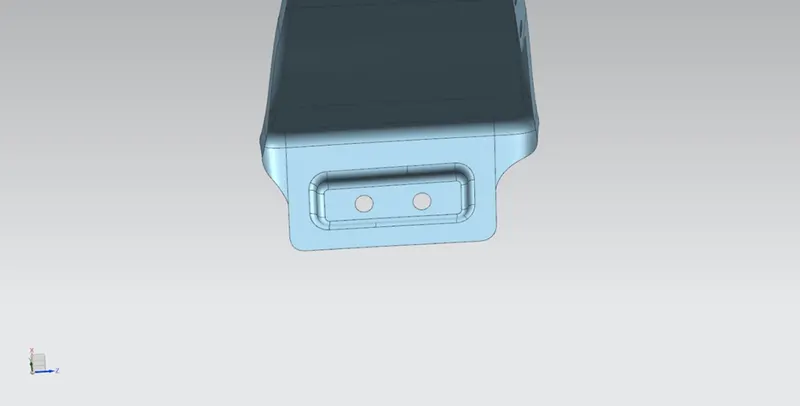
Design of Sill Mounting
Sill mounting is at the bottom portion of fender.
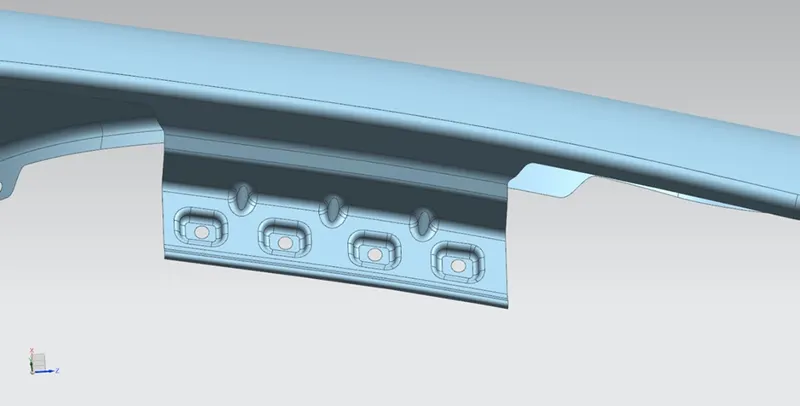
Design of Drip Area Mounting
It is the most important part while designing and mounting a fender. It is the area where fender is attached to engine compartment. Drip area design was done using the master section provided. Here darts are created to increase the strength throughout the length.
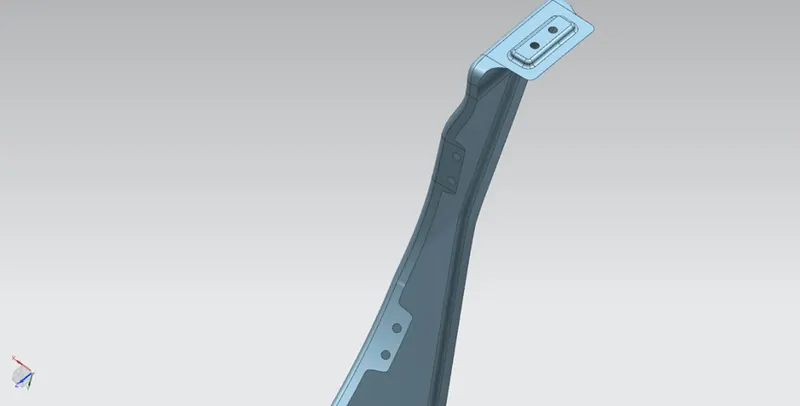
Design of Baffle Mounting
This is area where plastic components are attached to fender.
Design of Bumper Area Mounting
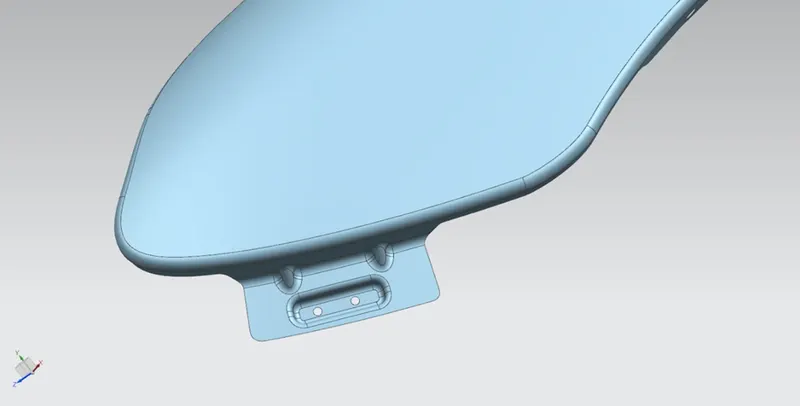
Fender Design
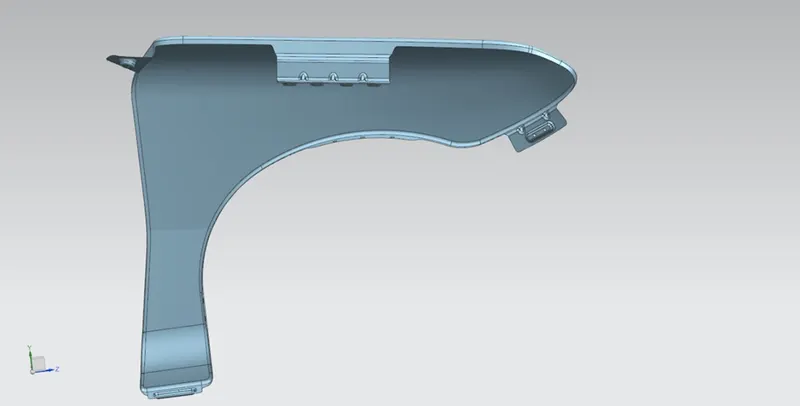
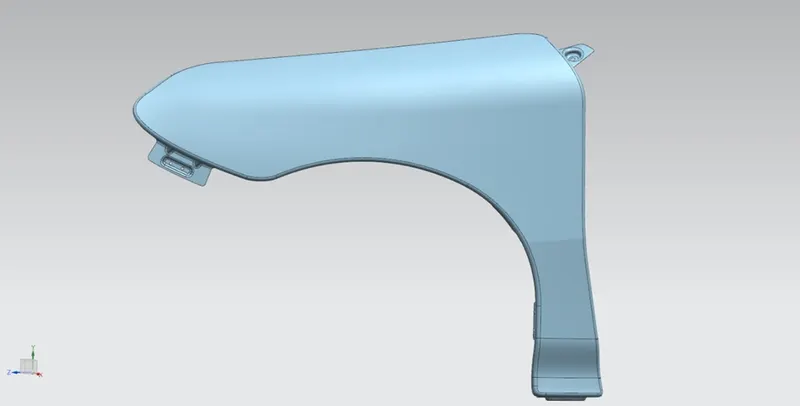
CONCLUSION
The design of fender and its mounting parts have been created using NX-CAD successfully using Master section provided.