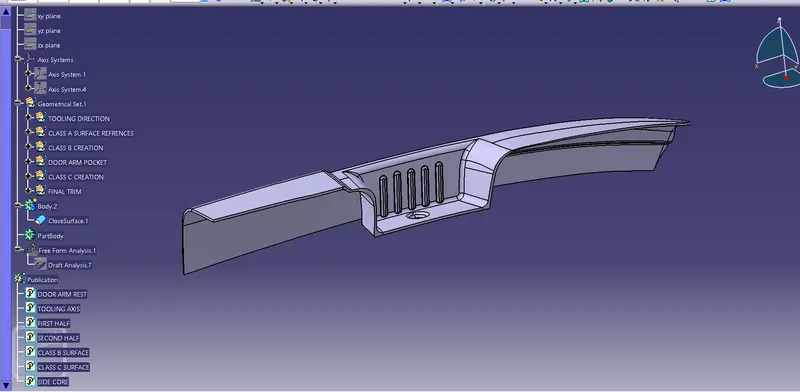
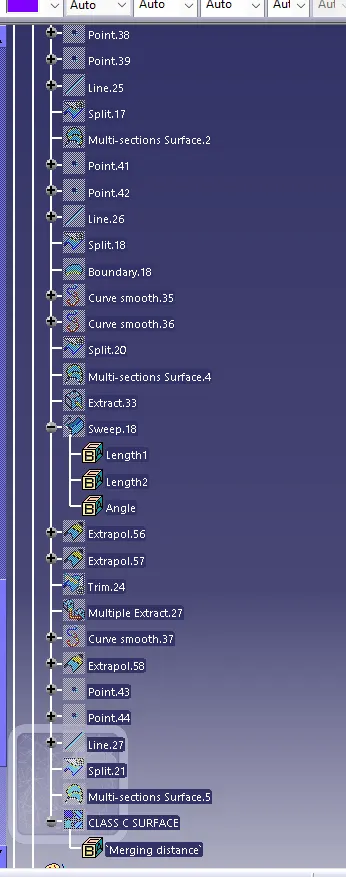
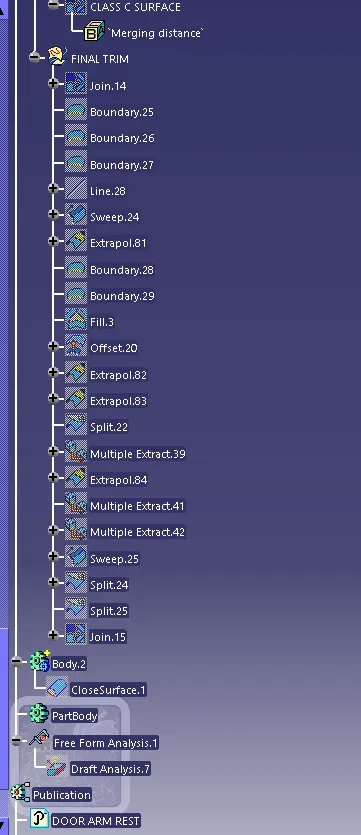
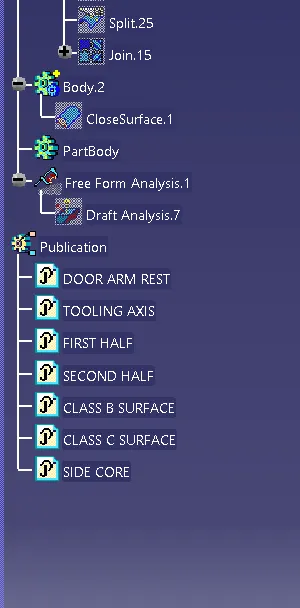
Door Arm Rest Week 8 Challenge
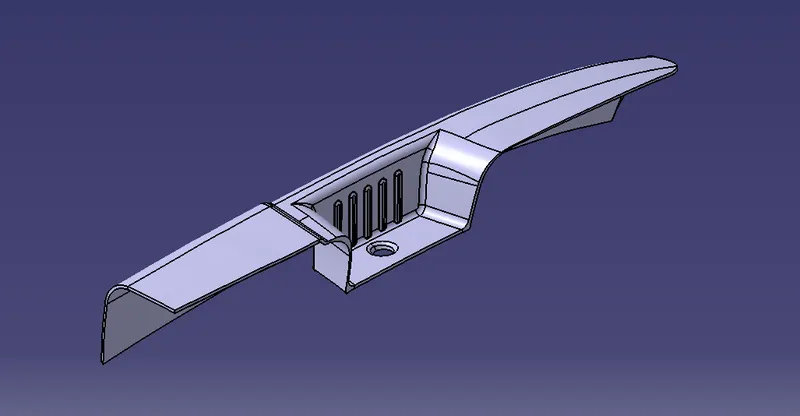
Door Arm Rest
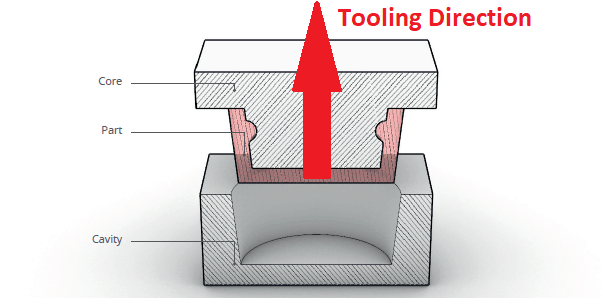
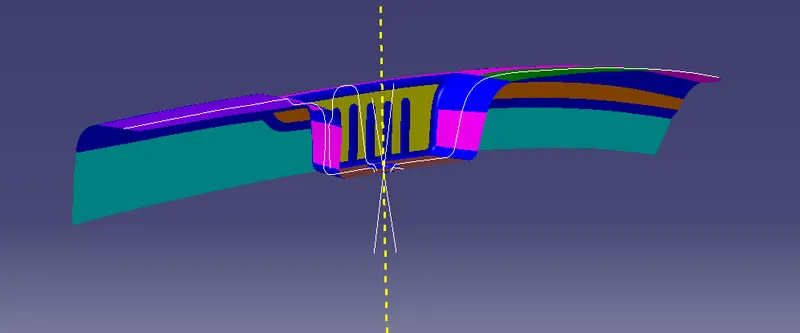
- Tooling Direction: The Tooling Direction is basically the direction that the mold pulls apart. The mold is built in two separate pieces, basically. You have a Cavity side and you have the Core side. The Core pulls apart from the Cavity and that's the Dyeline or the Tooling Direction.
Tooling Direction for Plastic Part
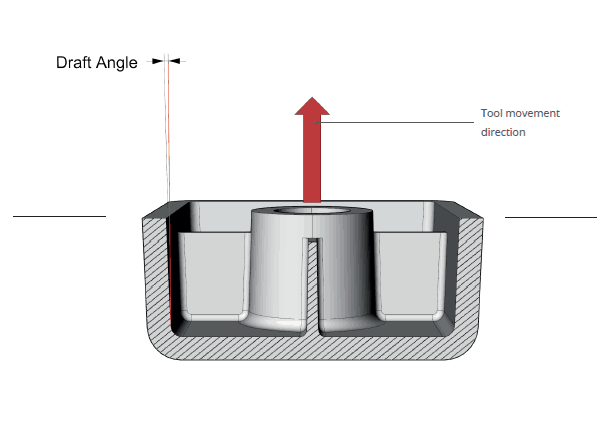
Overview:- Tooling direction is the main consideration for plastic part and mold parts because it defines the movement of the mold part and the possibility of the plastic part come-out from the mold part (Core and Cavity).
Tooling Direction:-
- In Molding, machine arrangement is given to open the mold along a direction which is known as Tooling Direction.
- In other words. The mold is built from two separate halves (Core and Cavity) and tooling direction basically defines the direction of mold pulls apart.
- Tooling direction is known as primary direction.
Injection Molding: Draft Angle
With plastic injection molding, it is important to design for manufacturability. To do this, you must take every step of the process into consideration, including ejection from the mold. Even though the part may form correctly in the mold, problems can arise during the ejection of your part. A draft angle will help avoid most of these issues. In this article, we’ll discuss what a draft angle is, why it’s important, and recommendations on designing your part for easy ejection.
What is a Draft Angle?
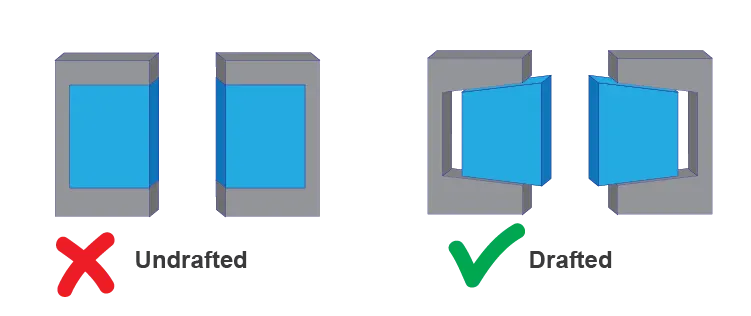 A draft angle is a slant that is applied to each side of most features of an injection molded part. The angle, which is positioned to run toward the direction of a mold’s pull and parting line, helps with releasing the part from the mold. It is rare that a component of a part does not need to be drafted. These cases may include certain low-friction materials, such as some grades of nylon, or specific features, such as crush ribs. However, 99% of the time, you will need to design a draft into your part to have the best chance at success with your injection molded part.
Why Draft is Important
Having easier ejection from the mold may seem like a minor concern, but the draft is crucial to manufacturing parts that meet your quality standard. Without a draft, major problems can arise in the injection molding process that increases the time and cost of production.
When no draft is designed into the part, problems can come from friction and vacuums. These issues can damage both your part and even your mold in extreme cases. These problems are a direct result of having an insufficient draft. Because plastic shrinks as it cools, portions of the part may pull away from the mold while others grip the core. If there is no draft angle that allows a simple push from the ejector pins to pop the part out of the mold, the part’s surfaces will often drag along the mold as it is being ejected. This friction between the two surfaces can cause scratches or gouges on your part and affect the appearance. This is particularly troublesome if your part is being molded with a surface finish or texture. The friction will scrape away texture and leave you with many rejected parts.
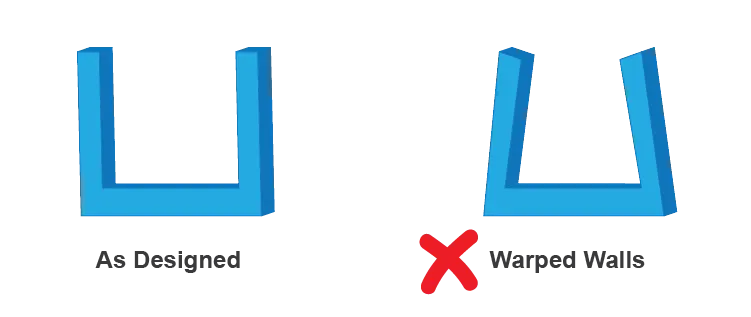
In addition to friction, no draft presents the possibility of a vacuum forming during ejection. If the sides of a feature cannot release from the mold, the ejector pins may push on the section until the vacuum becomes so stressed that the part may bend, break, or warp by the time it is pushed out. The alternative is that the part becomes stuck in the mold if the ejector pins are not strong enough to overcome the vacuum. A higher ejection force would be needed to remove a part without a draft, which means the part would need to cool long before it can be ejected successfully. This increase in cycle time and the likelihood of having more rejected parts overall will drive up your production costs.
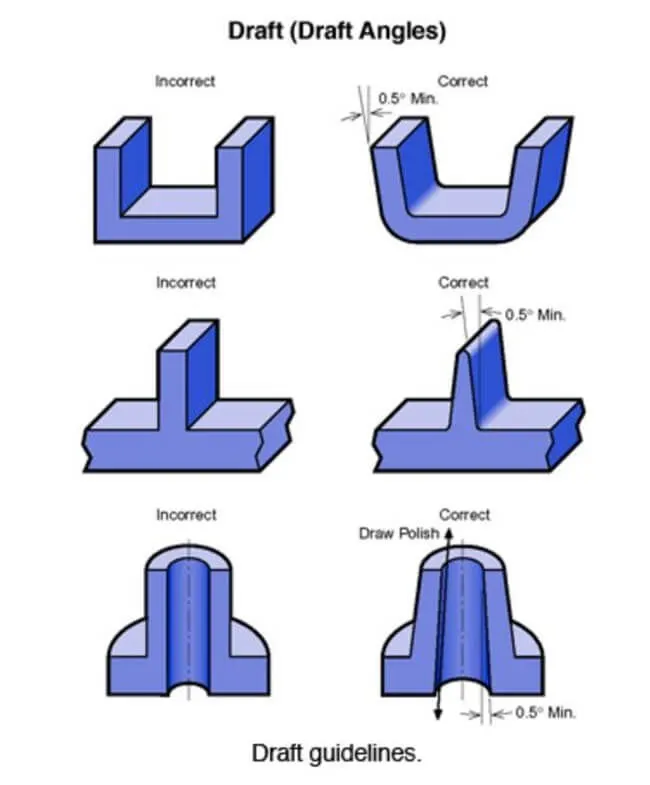
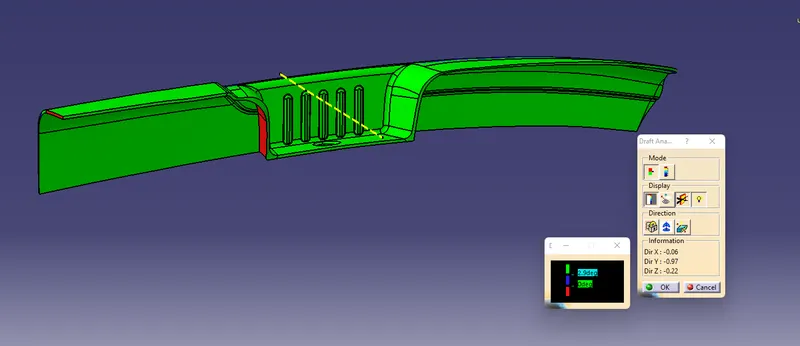
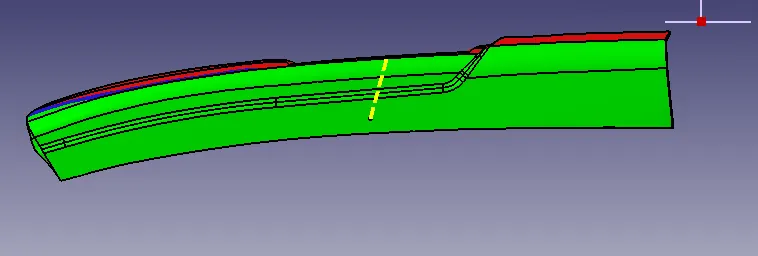
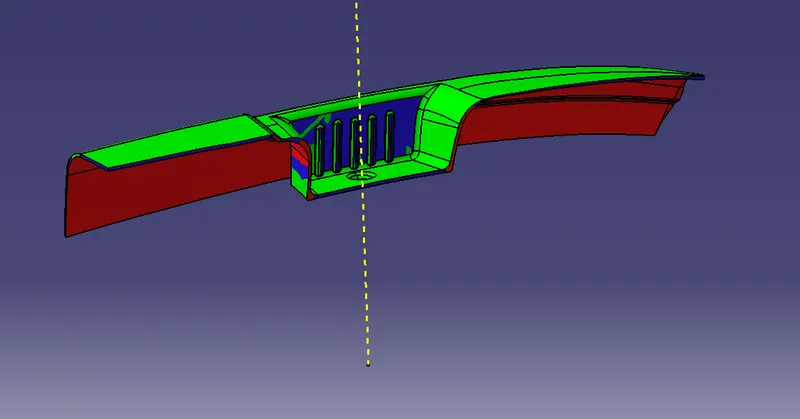
- Draft Analysis: When developing parts for plastic injection molding, applying a draft (or a taper) to the faces of the part is critical to improving the moldability of your part. Without it, parts run the risk of poor cosmetic finishes and may bend, break, or warp due to molding stresses caused by the plastic cooling.
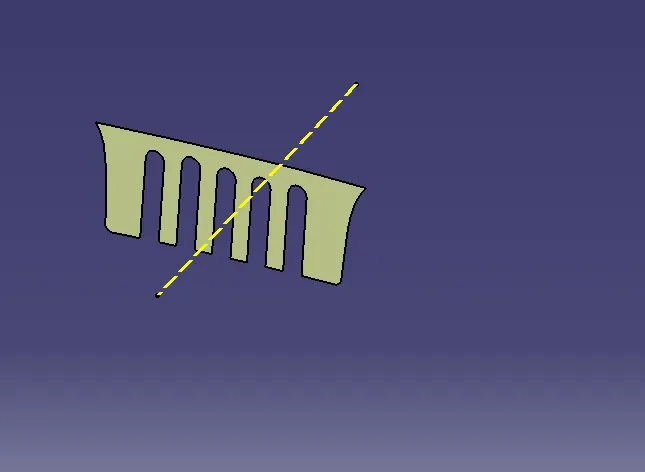
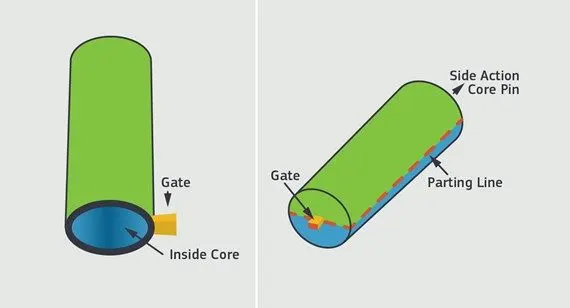
- Side Core: The purpose of side actions is to enable undercut geometry; in other words, to mold parts that could not otherwise be made in a straight-pull mold. In straight-pull injection molding, the A-side and B-side of the mold open and the completed part can be removed by pulling it straight out of either side.
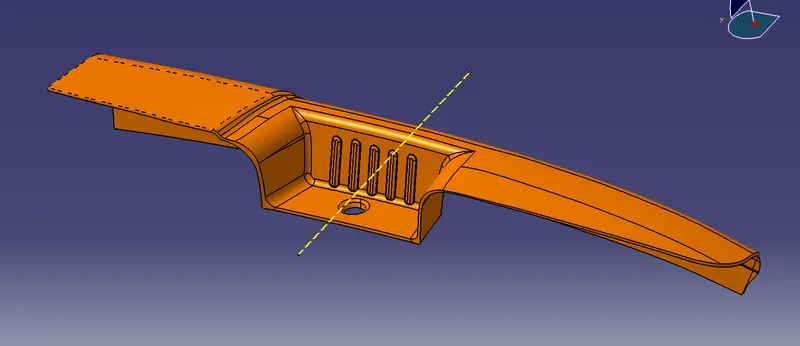
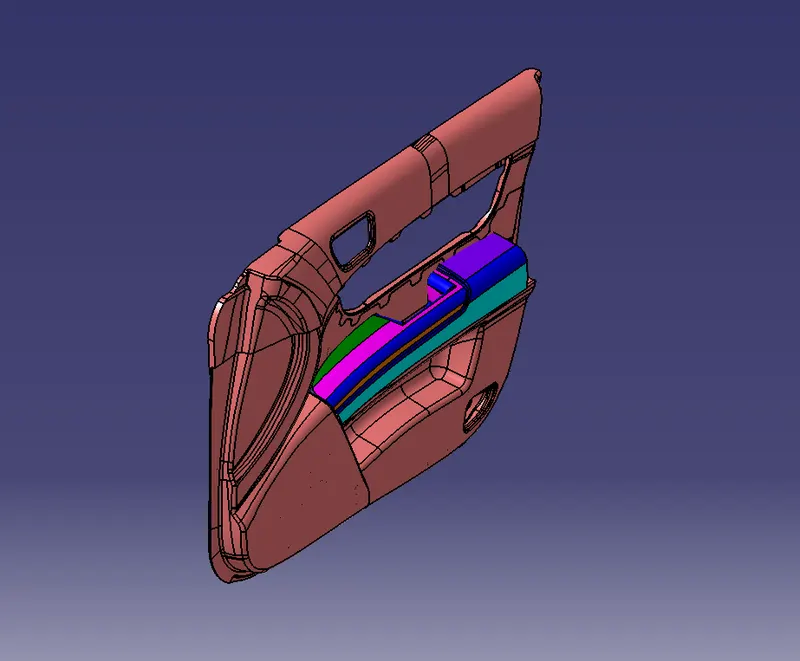
DOOR ARMREST
Armrests are one of the most comfortable inventions of mankind. Just like our legs and back, our arms also demand comfort, and hence, armrests come in the picture. Initially, the idea came up to be used in chairs however, it gradually made its place in other areas as well where arms are at work. But now it is a quite prominent feature in modern cars. The potential reason is that while driving a car, the driver’s hands are continuously at work and he tends to get tired at some point. Therefore, it is very essential to give his arms some kind of rest during traffic or red-light or while driving on the highway. It led to the invention of car armrests. The driver can occasionally rest his/her arms while he/she is not occupied or driving slowly.
- Front armrest: The front armrest is also known as the central armrest and it can be folded according to the preference of the driver. It often includes a separate compartment where bottles or cups can be kept. As technology is improving you can even find certain functions along with it such as window motors, controlling temperature, and much more. At times, you will find such armrests attached to individual seats all well. Other similar armrests are often attached with the door of the car working as handles.
- Rear armrest: This armrest is attached to the backseat and is again foldable. This type of armrest can also be used as extra seating. In a few models, this armrest also acts as a safety seat allowing it to be folded doubly along with a seatbelt, generally, for children. Just like, front door armrests, you will also find similar armrests on the rear doors.
Benefits of a Car Armrest
Armrests can be a great asset for your cars and there is a reason why people buy them especially if they are absent in their car. Here are a few benefits of car armrests:
- Armrests are a great way to give occasional rest to your arms and are best when you are on long drives because your arms will definitely need support during such long journeys.
- The armrest is a great way to add on some extra space in your cars as they generally have small compartments in them where you can keep food and/or beverages.
- Armrests that are attached at the front and rear doors work as handles and can make it really convenient to open and shut doors.
- Rear armrests act as an extra seat and make space for at least one other person.
Now, you know how important car armrests are so next time before you buy a car make sure that they are present in it. Otherwise, you can get the best car armrests in auto accessories after-market. You can pick as per your comfort, size, and style without compromising on your wish list. The aftermarket offers a versatile range of car armrests at highly competitive prices and incredible designs.
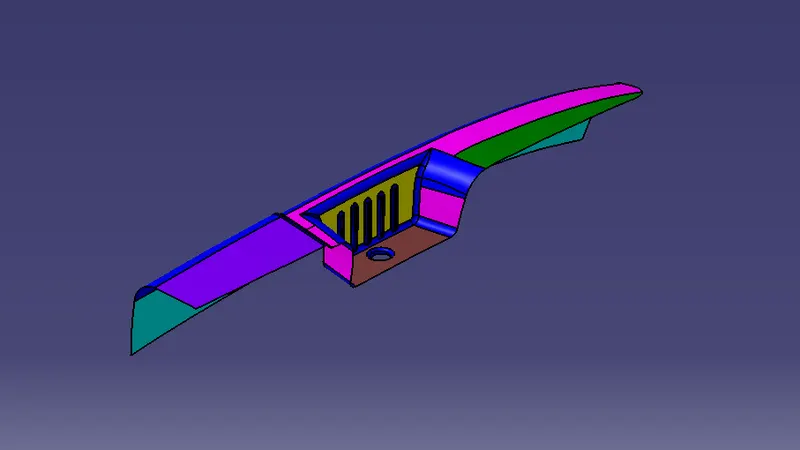
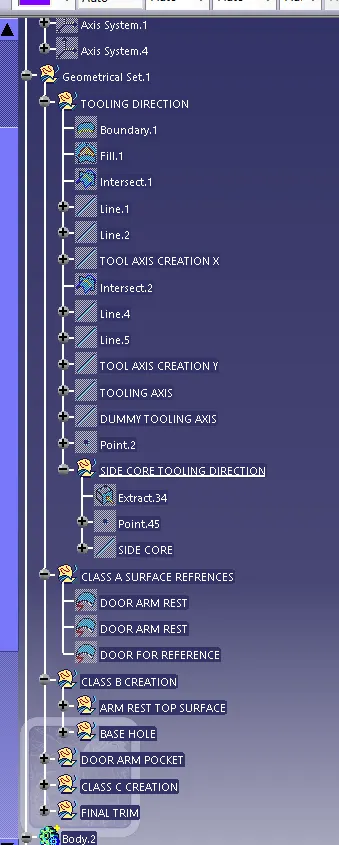
- Creation of Tooling Direction:
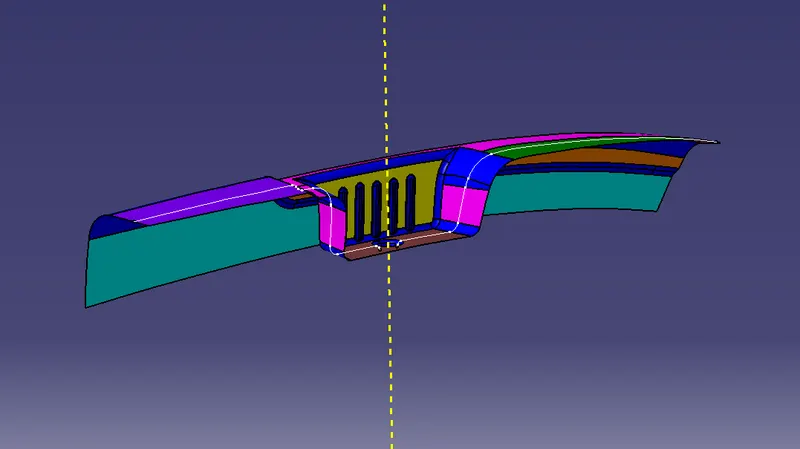
2. Performing Draft Analysis:
3. Creation of First and Second Half
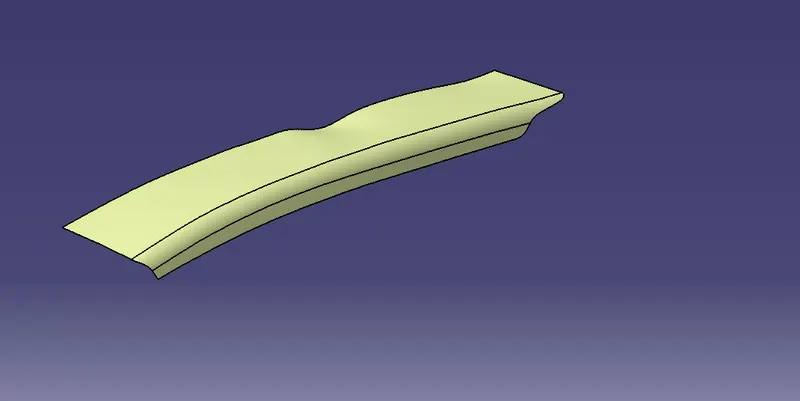
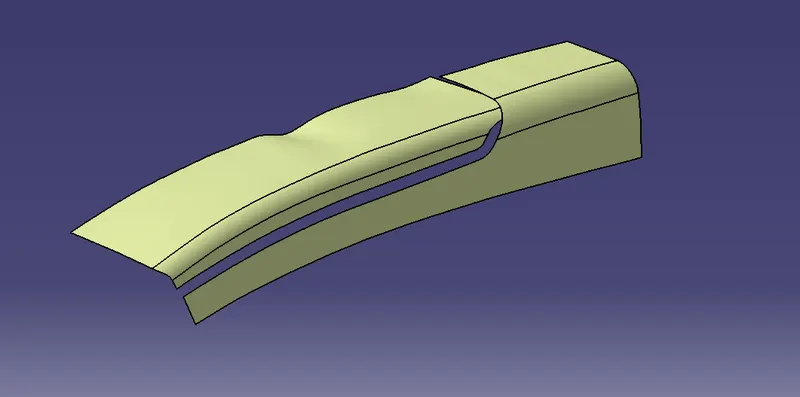
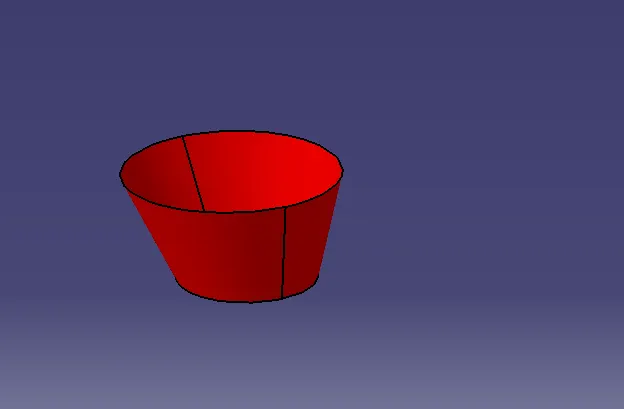
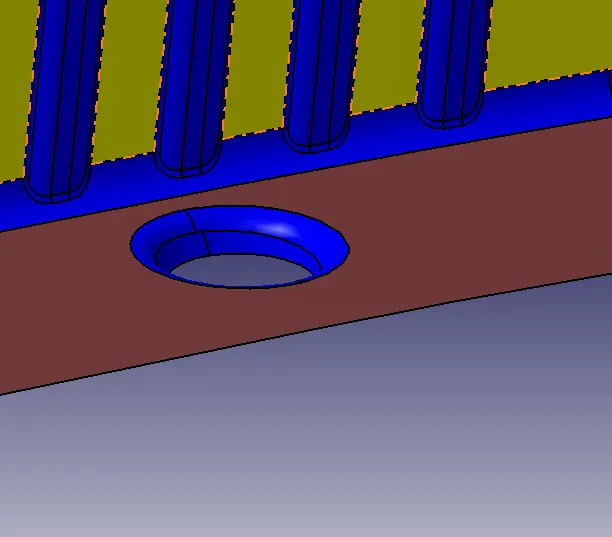
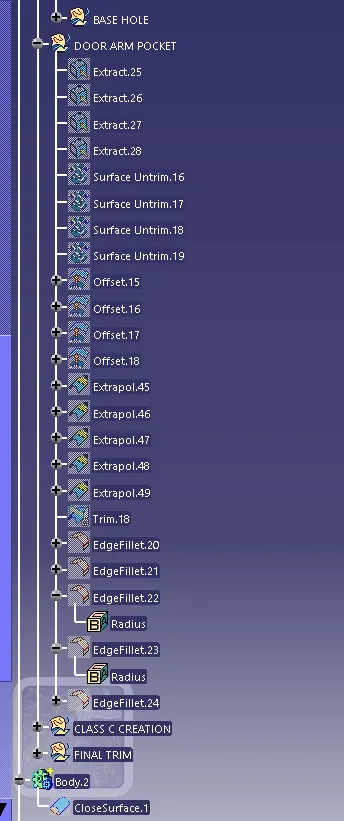
4. Creation of B surface
with 2.5mm of Offset
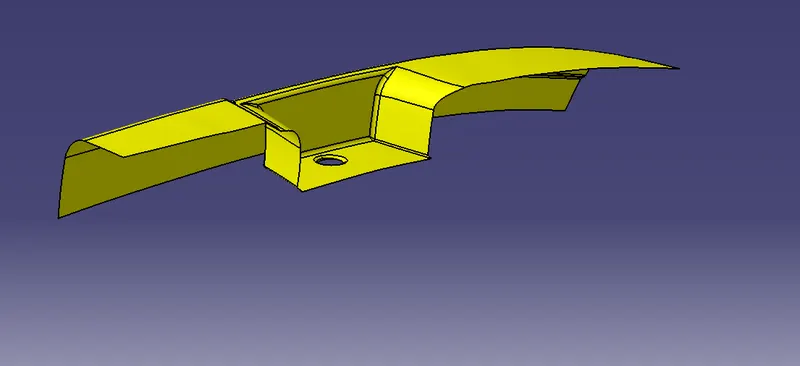
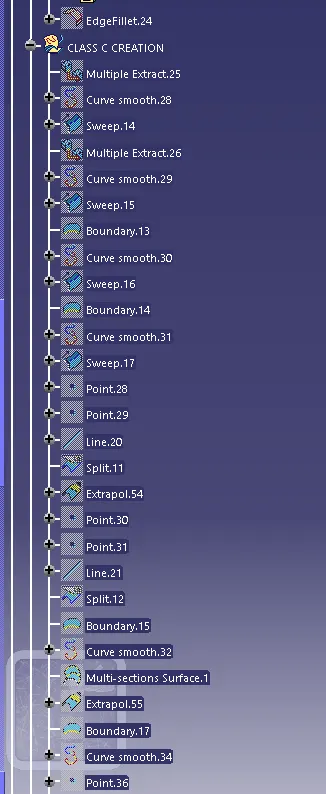
5. Creation of C surface
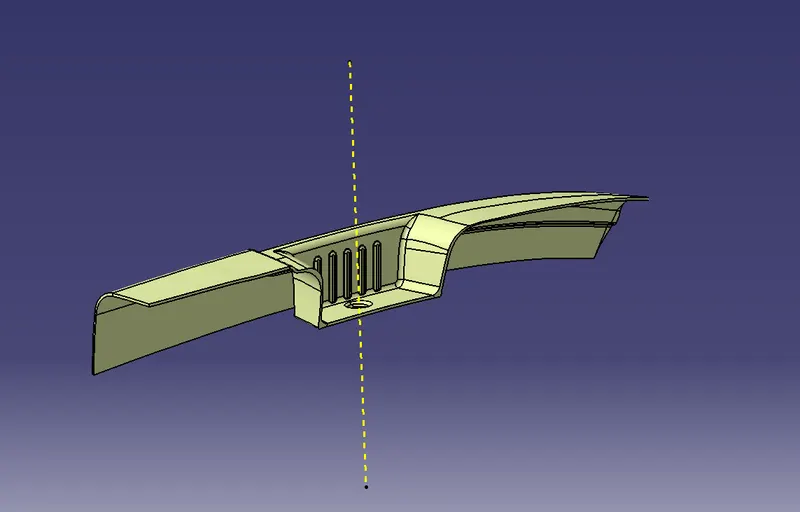
6. Creation of closed Surface
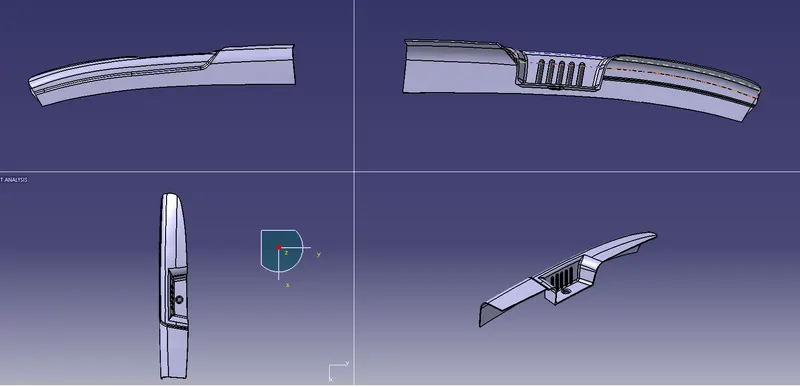
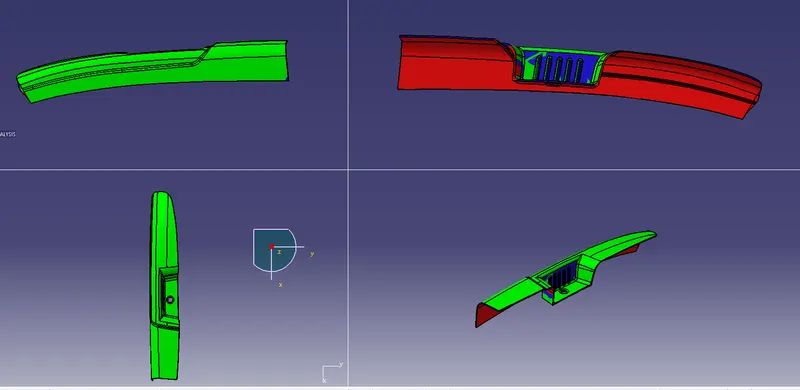
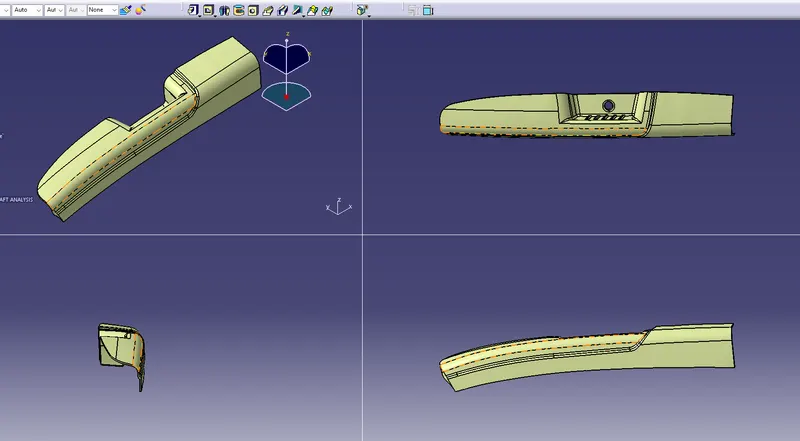
For Proper Draft Analysis, I have created Side Core Tooling Direction