Design of backdoor
OBJECTIVE
To design and model backdoor surface from the given class A surface meeting and design criteria and manufacturability.
INTRODUCTION
Doors are considered as entry and exit to any part of a closed model, similarly in vehicles doors are the hinged part. Backdoors or tailgates are in the rear part of a vehicle which accesibilty of storage/ boot as well as protection against rear crash. Back doors are the aesthetic part of any vehicles and it also provides aerodynamic control over the vehicle. back doors are operated using gas stay, which helps in mainting the lifting support and control the degree of freedom.There are different types of backdoor available:
- Top Mounted
It is the common type of backdoor opening. Top-mounted tailgates provide better rear visibility than side-mounted.
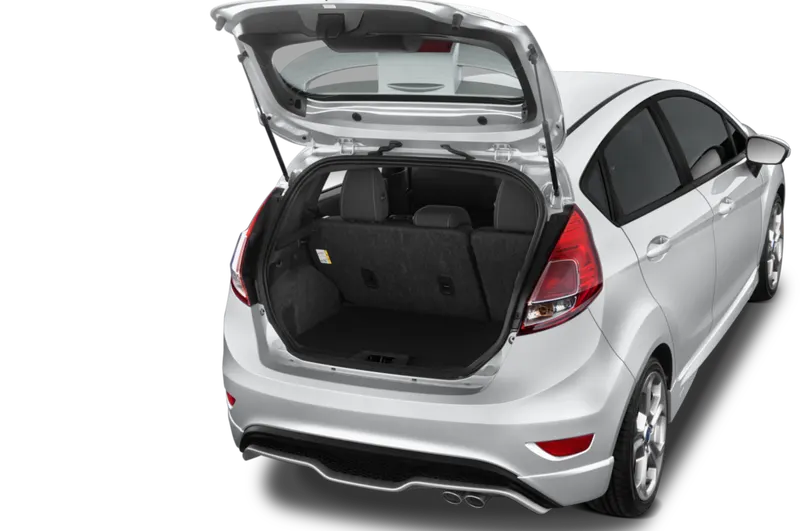
- Side Mounted
Side-mounted doors are commonly found in vans, MPVs, SUVs, and pickup trucks.
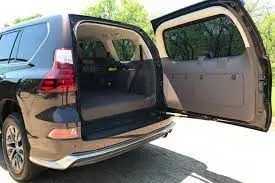
- Bottom Split type
Bottom split type backdoor can be found in automobiles such as pickup trucks, and in luxury SUVs.
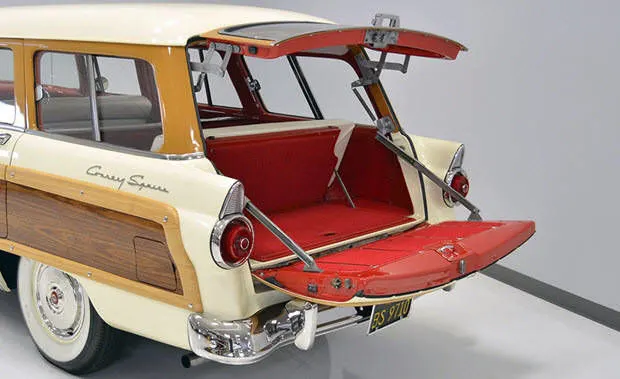
Backdoor Opening Mechanism
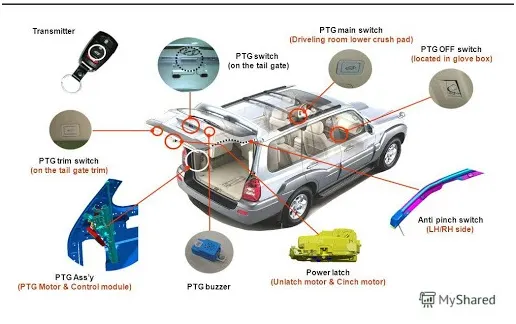
Gas Stay Type
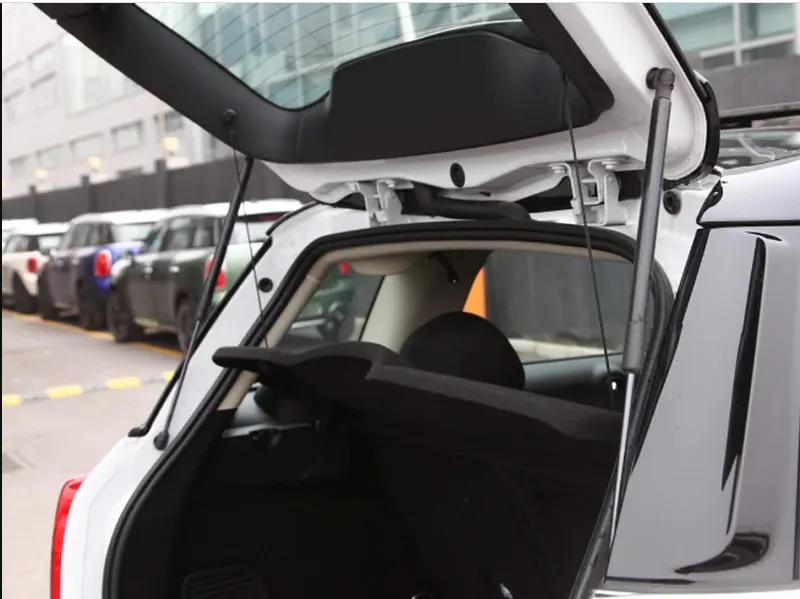
Automated lift mechanism
Design Criteria For Backdoor Design
- Rear visibility criteria
- Rear crash regulation and requirement
- Functional requirements
- Aesthetic requirements
Manufacturing Technique for Sheetmetal
Deep Drawing
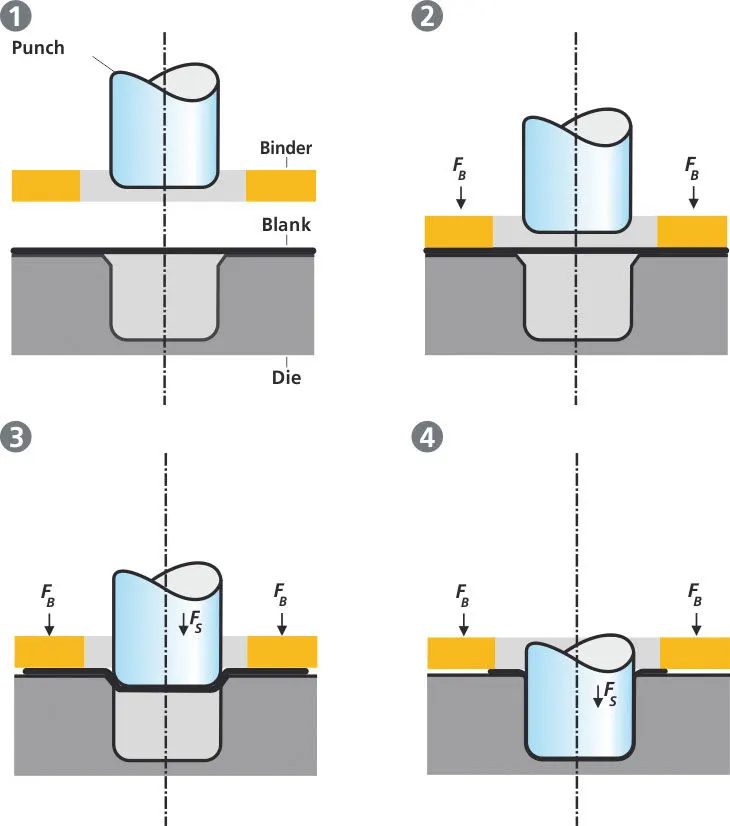
The metal blank is placed on the die and made contact with the punch and begins with a downward motion. The metal bent and slid over the die, stretched between die and punch
Embossing
Embossing is a metal forming process that uses embossed die and counter die to produce raised or sunken designs or relief around sharp corners.A pattern or design is created on the sheet by drawing it through the dies. Thus different patterns can be created on the sheet metal.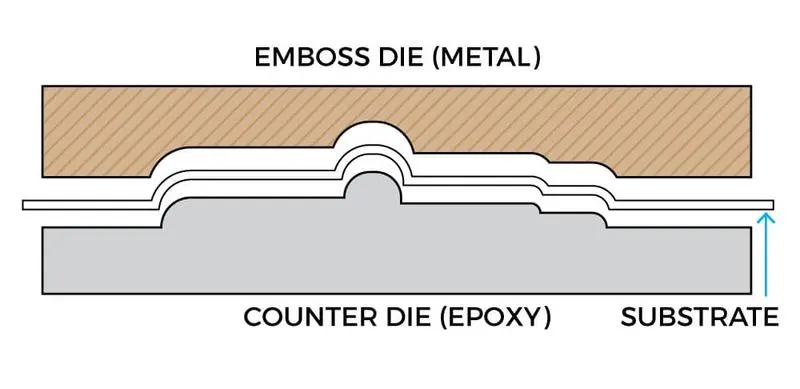
DESIGN AND ASSEMBLY OF BACKDOOR
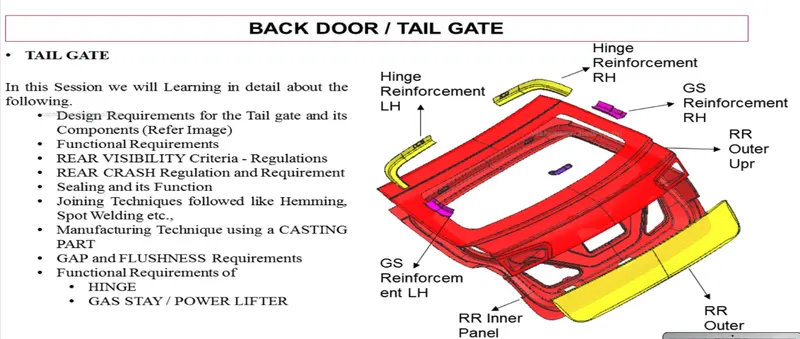
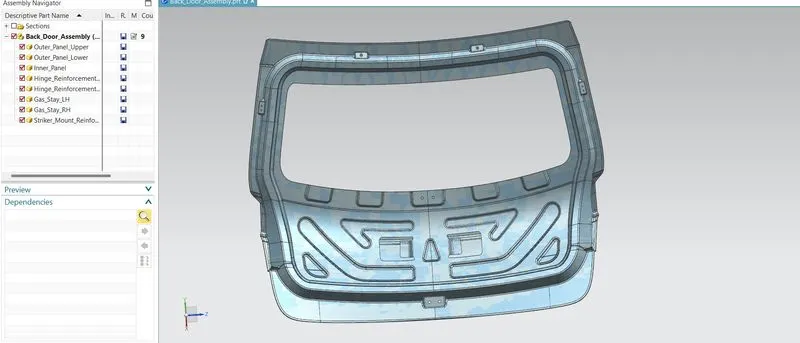
The back door assembly for an autombile consists of following components:
- Inner panel
- Outer panel
- Hinge reinforcement
- Gas stay reinforcement
- Wiper motor reinforcement
- Latch/striker reinforcement
Tooling Direction
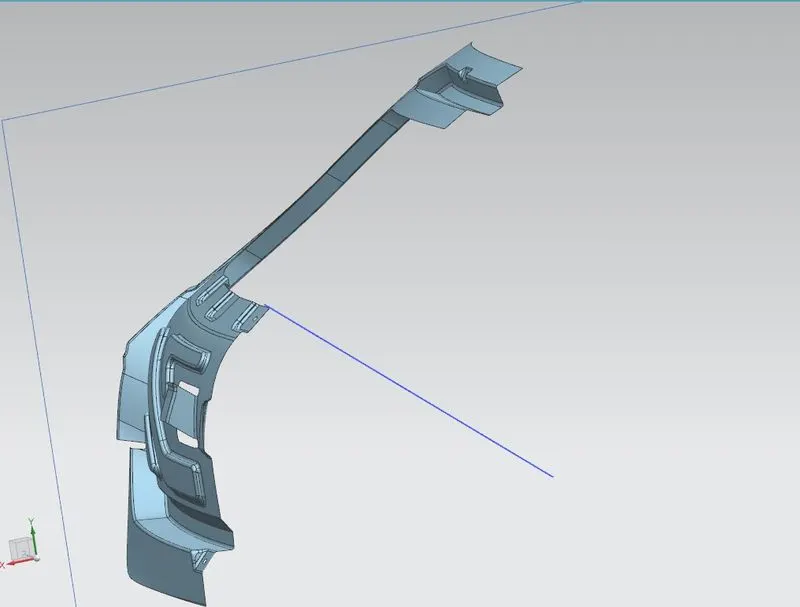
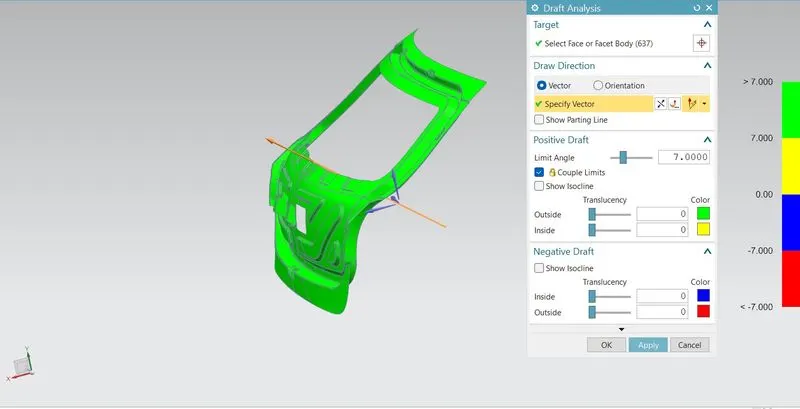
For any sheet metal to be manufactured it is important to draft the sheetmetal with respect to tooling direction. All the parts during manufacturing should clear the draft angle with respect to tooling direction. In backdoor design, from class A surface tooling axis is created from bisecting lines from the points from corner of the sheet.
Inner Panel
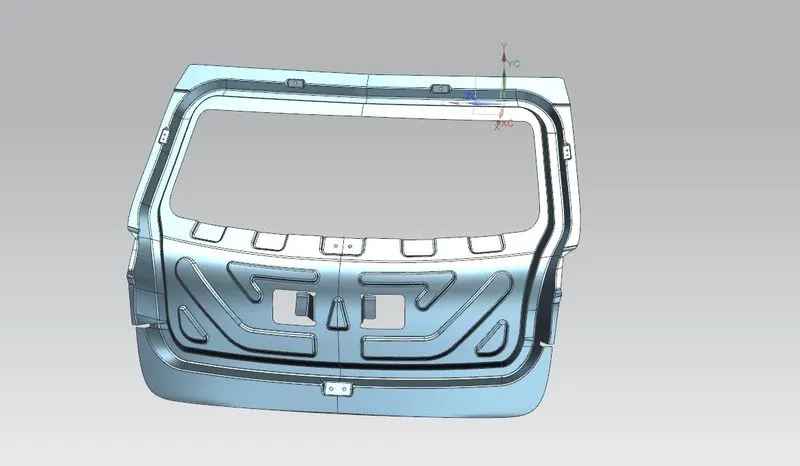
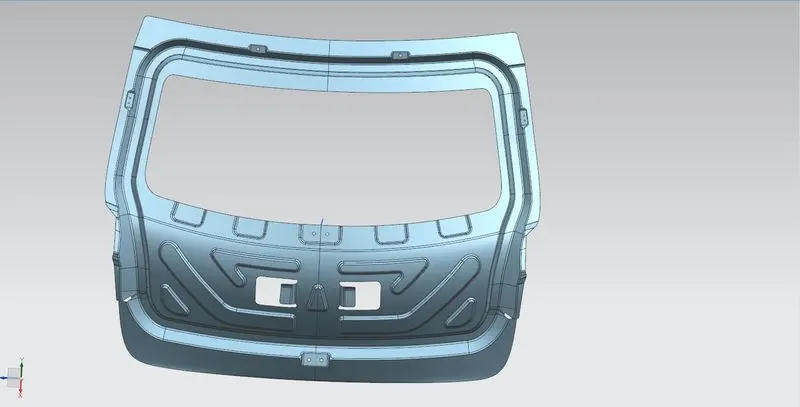
From the given class A surface, meeting all the design criteria and manufacturability the inner panel is produced. It provides more strength and the reinforcements are constructed to it.
Outer Panel
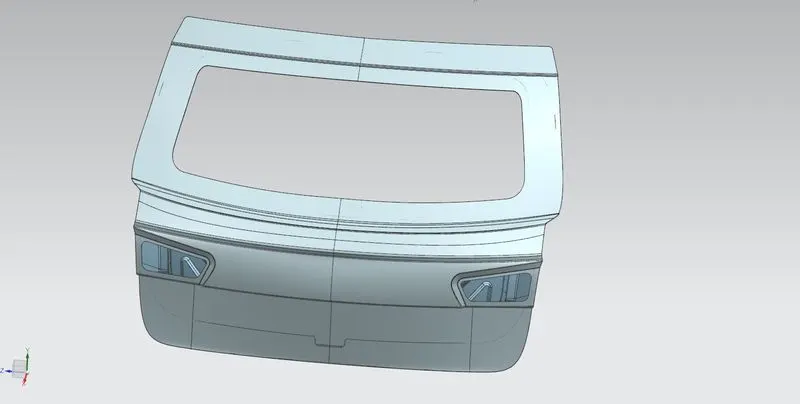
Like any model, the outer panel is the aesthetic part of any BIW model. It is most exposed to the environment and have aerodynamic model. The outer panel also has the provisions for the tail lamp, rear fog lamp and licence plate mountings. Most car available such as in hatchbacks gives provison for wiper motor.
Hemming
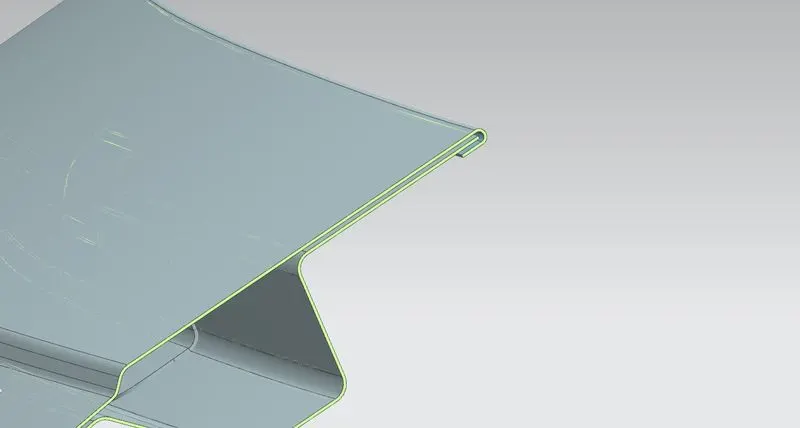
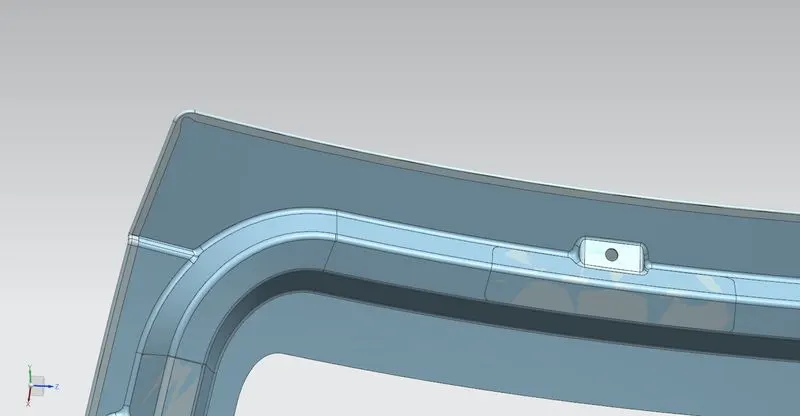
Hemming is a mechanical joint design used to join inner and outer closure panels such as those found in interiors, hoods, and backdoor. The gap between the hemmed panels is filled with a high-strength adhesive that also prevents corrosion to increase crash resistance. 0.2mm clearance for this adhesive is to be maintained between the panels. Corner reliefs are to be provided at sharp corners to avoid stress concentration.
Assembly Model
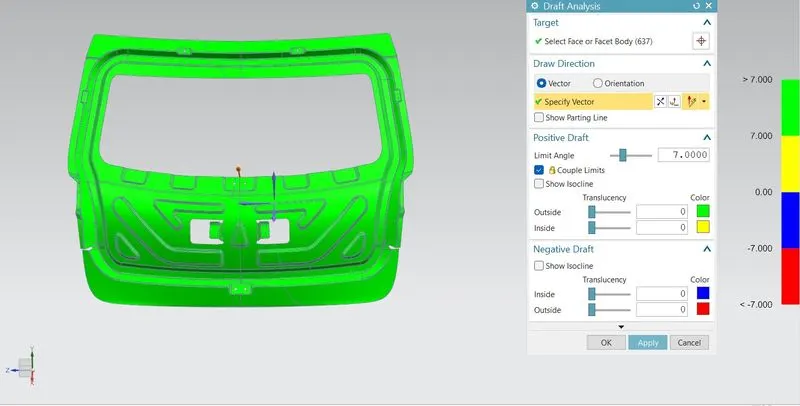
Draft Analysis
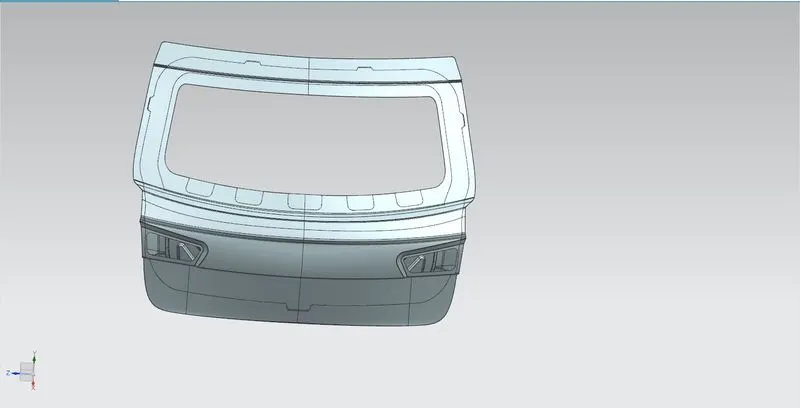
Draft analysis is a method to analyse the designed model manufacturability with respect to tooling direction. Here in backdoor design the tooling direction is created based on class A surface. Draft angle is 7 degrees for the sheet metal, and green colour means that the model clears draft angle and is good to be manufactured.
CONCLUSION
Backdoor from the given class A surface is modified, providing required embosses, reinforcements and mountings for the reinforcements was successfully created in NX CAD. The model also clears the draft analysis with respect to tooling direction.