Design of backdoor
Design of Backdoor
The back door is a hinged door/tailgate at the rear of the vehicle. It may be used for loading and unloading cargo, or to get passengers in and out, in case there are seats present at the rear. The back door comprises of certain components which form the backdoor assembly together.
The trunk (North American English) or boot (British English) of a car is the vehicle's main storage or cargo compartment, often a hatch at the rear of the vehicle. It is also called a tailgate. In Indian English the storage area is known as a dickey (also spelled dicky, dickie, or Diggy), and in South-East Asia as a compartment.
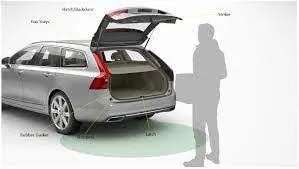
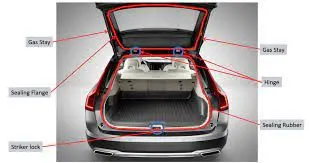
Design Consideration of Backdoor
- Rear Visibility Criteria.
- Rear Crash Regulations & Requirement.
- Sealing & its Functions.
- Joining Techniques Followed by Hemming, Spot Welding.
- Manufacturing Technique using Stamping Process and for Intricate, variable radius in panel parts casting Process is used.
- GAP and Flushness Requirements.
- Functional requirements such as Hinge Positioning, Gas Stay/Power Lifter.
- Body Side dimension and requirement for placing the Gas stay, hinge & latch and Stricker placement.
- Latch & Stricker Positioning.
- Reinforcement added to avoid loss in the Strength of inner panel due to addition of Hinges.
Components of Backdoor
- Outer Panel upper
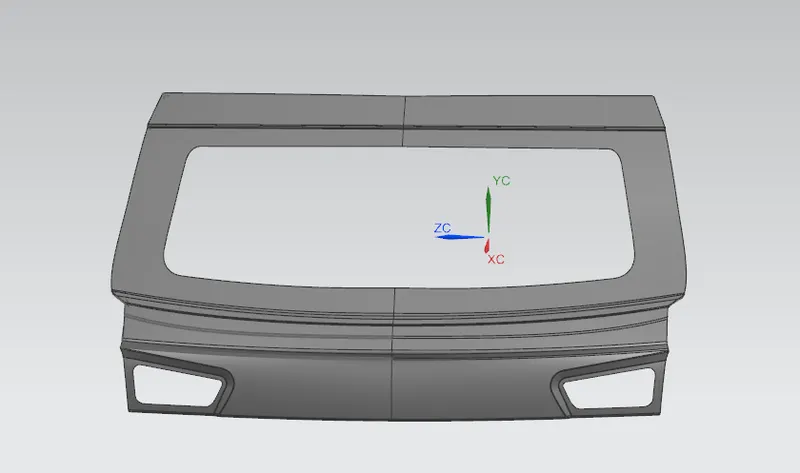
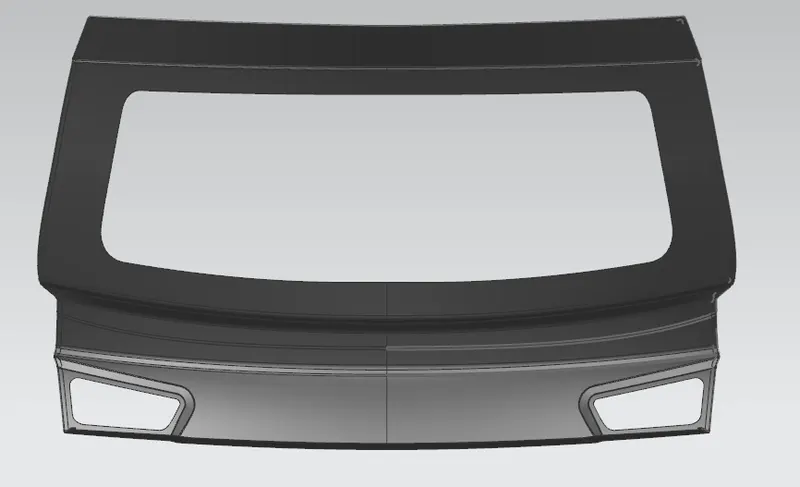
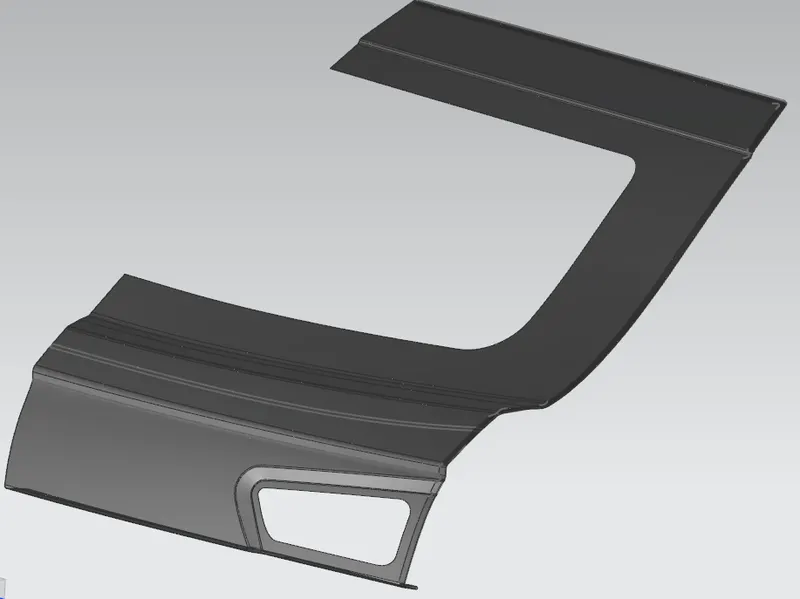
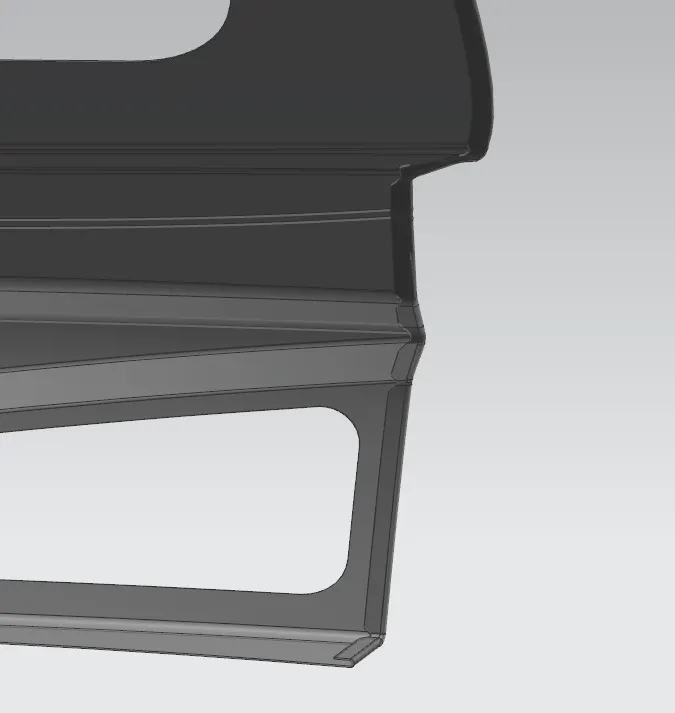
2. Outer Panel lower
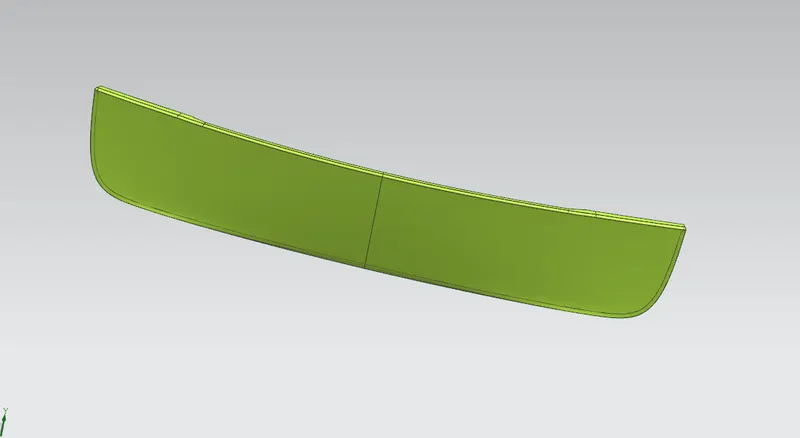
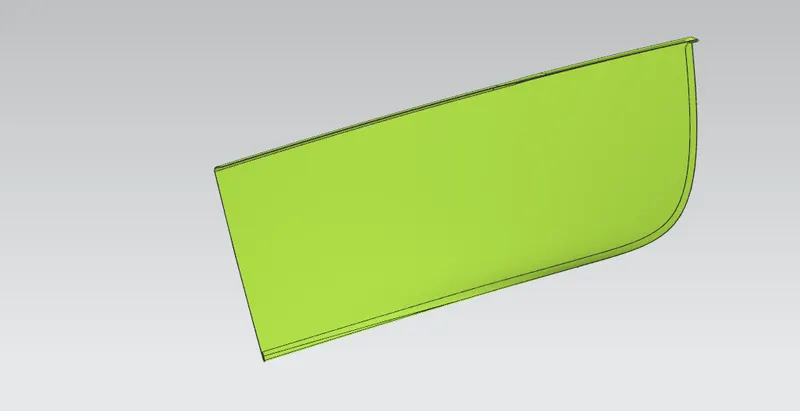
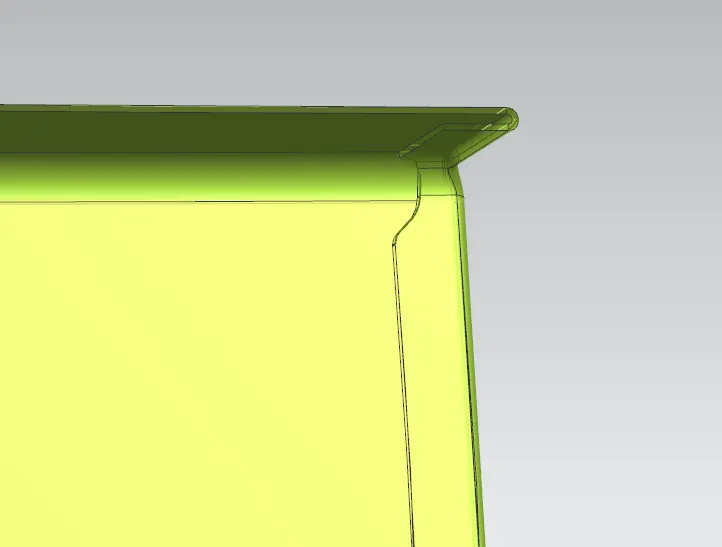
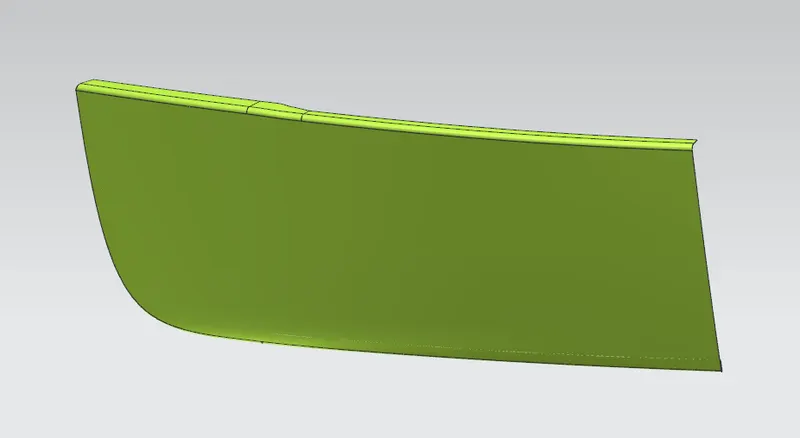
3. Inner Panel
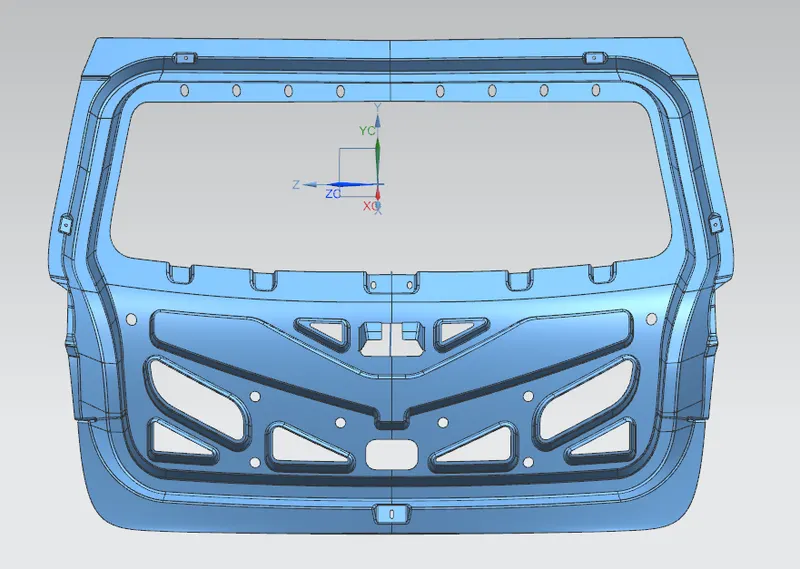
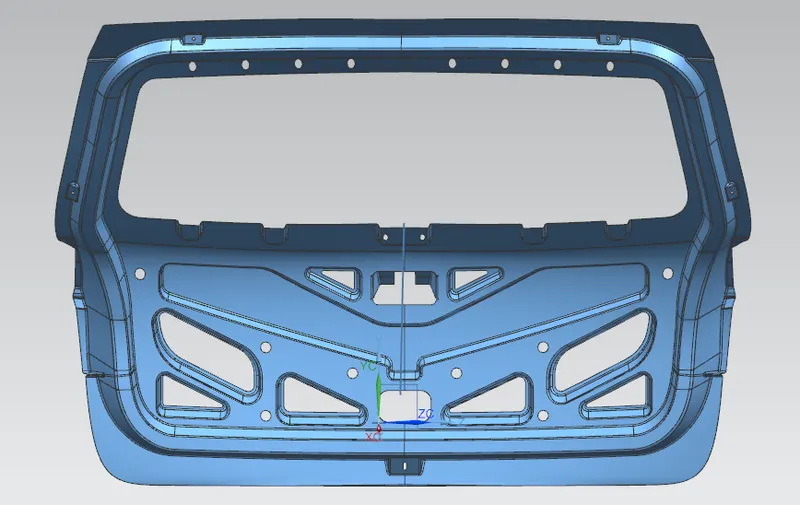
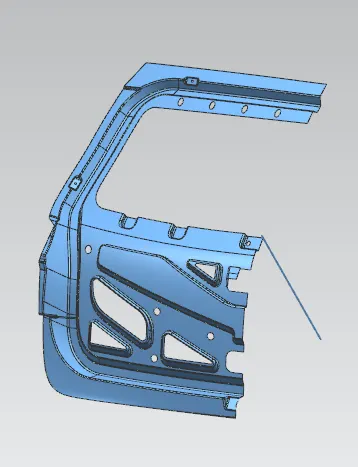
Reinforcements
Reinforcements are generally used to increase the strength of the mountings, so that there is no unnecessary dents or noise occurs at the time of motion. This not only add strength to the part but also increase the overall stiffness of the part so that the part is completely stable. The Reinforcements used are
1. Latch and Striker Reinforcement
2. Wiper Motor Reinforcement
3. Hinge Reinforcement
4. Gas Stay Reinforcements
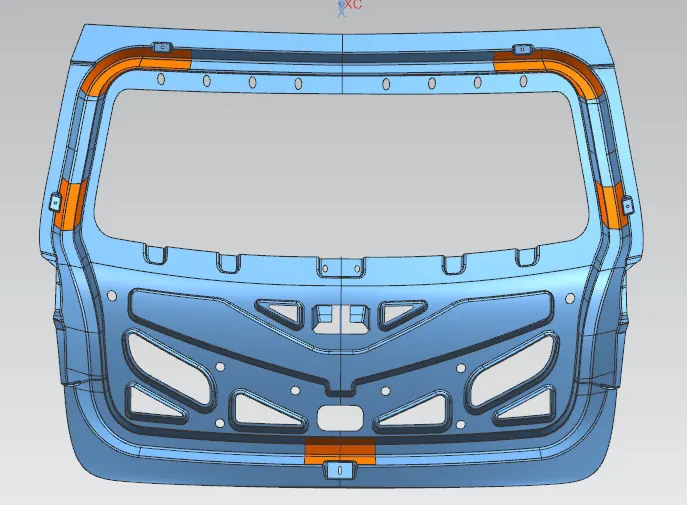
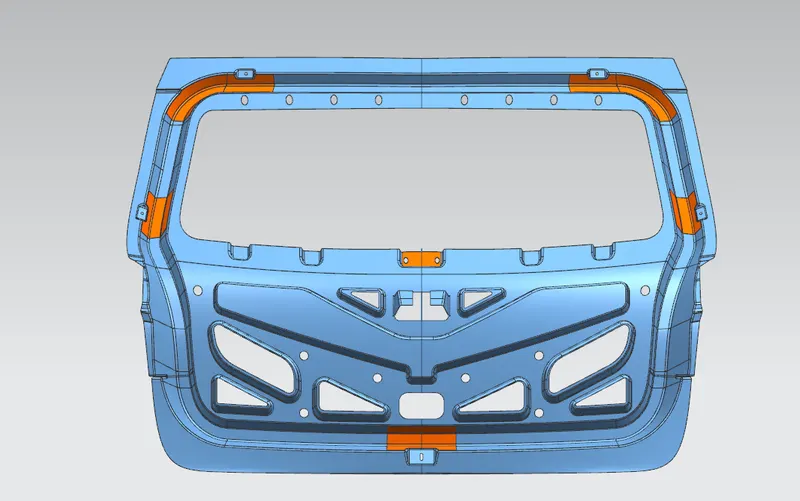
The Following Image shows the reinforcement that are used on different areas of the inner panel. They are usually spot welded on the inner panel.
3. Hinge reinforcement LH
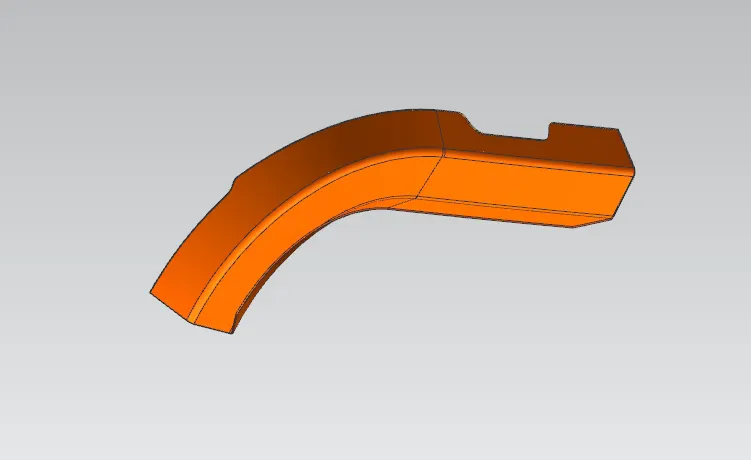
4. Hinge reinforcement RH
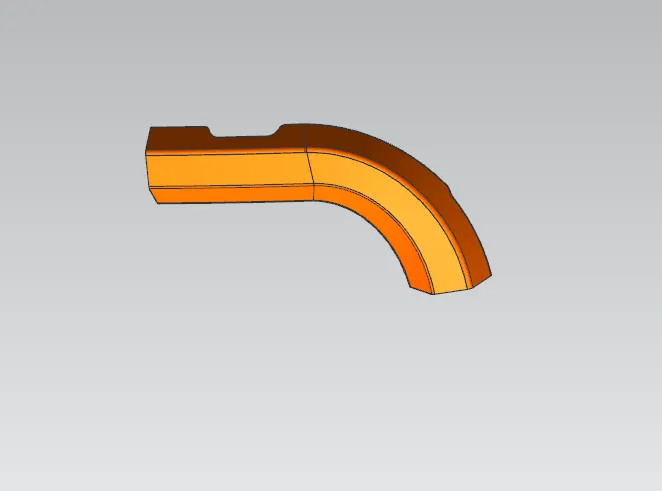
5. Gas stay reinforcement LH
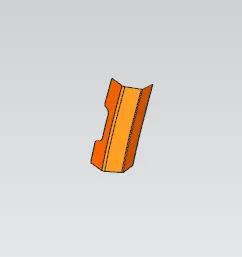
6. Gas stay reinforcement RH
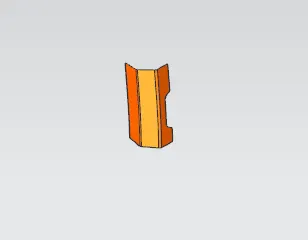
7. Wiper motor reinforcement
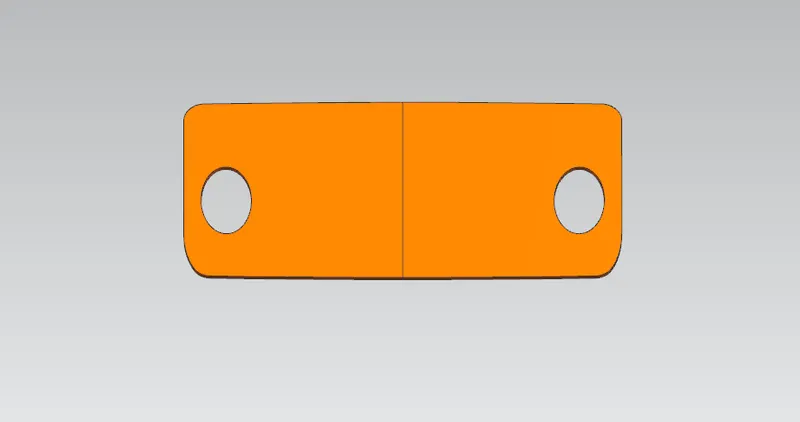
8. Latch reinforcement
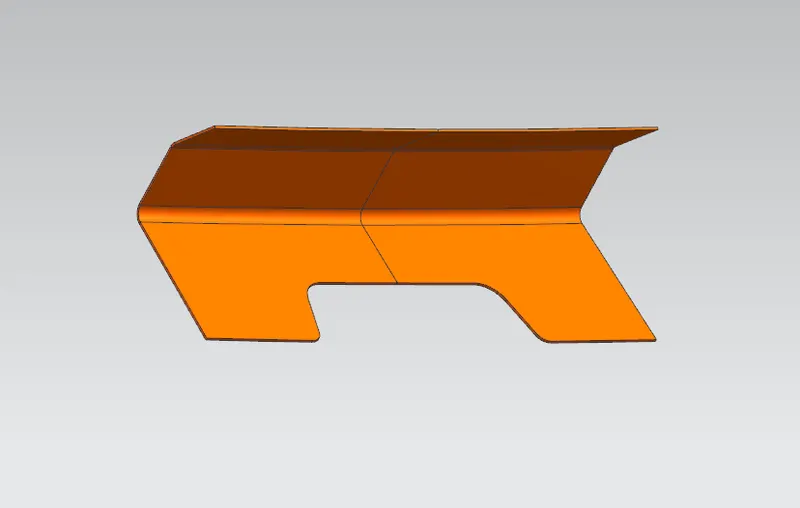
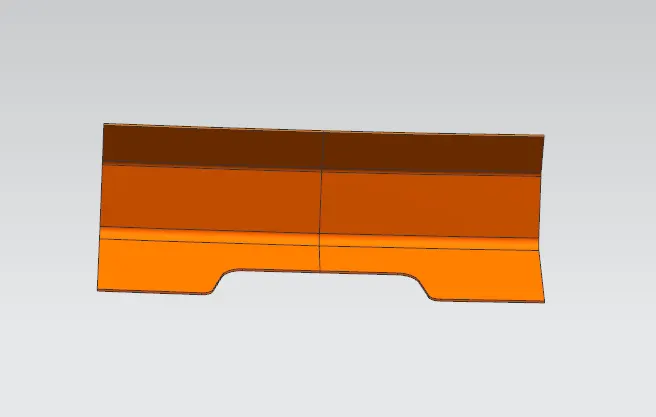
9. Plastic trim
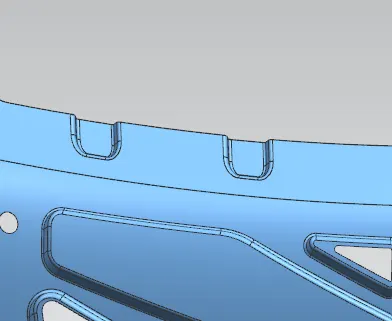
10. Hinge
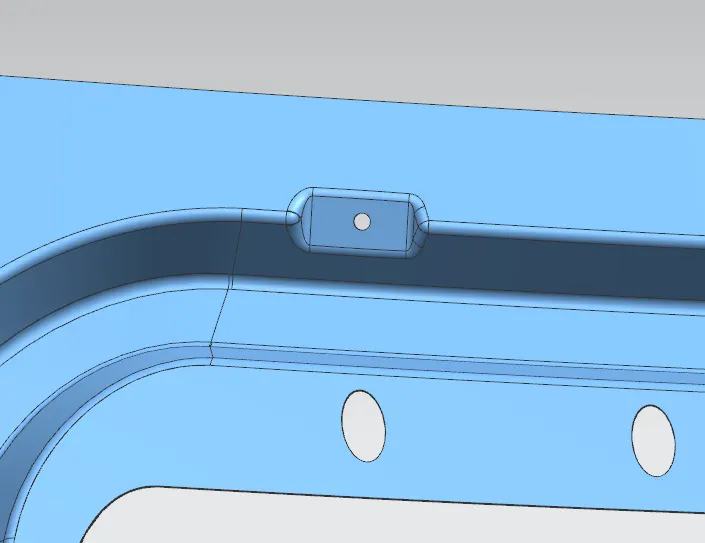
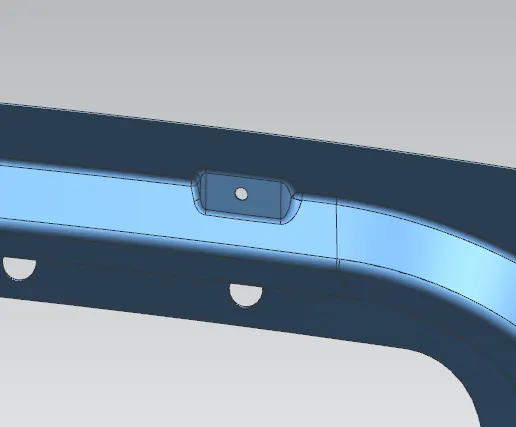
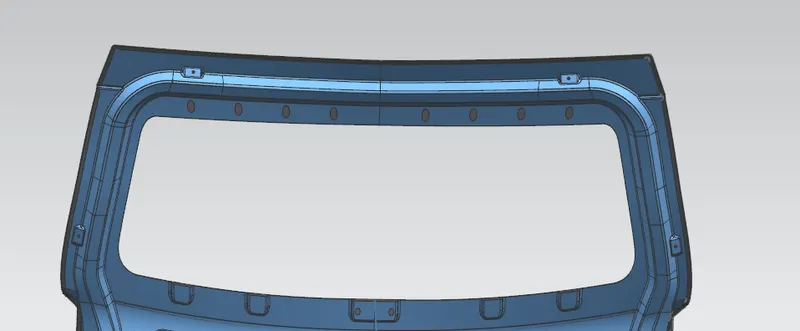
11. Gas Stay
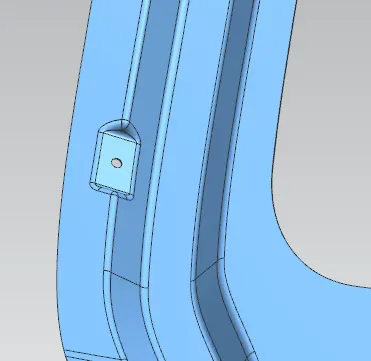
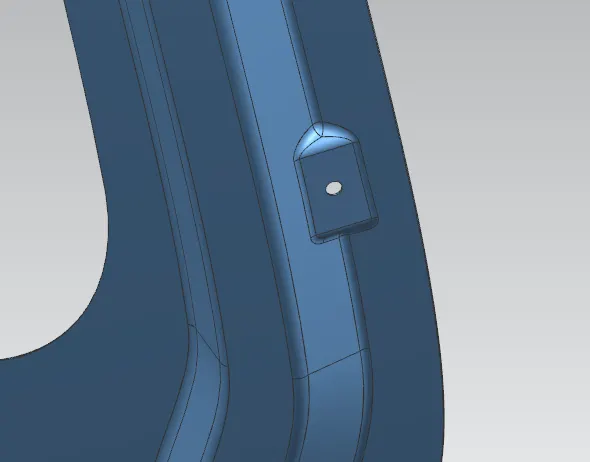
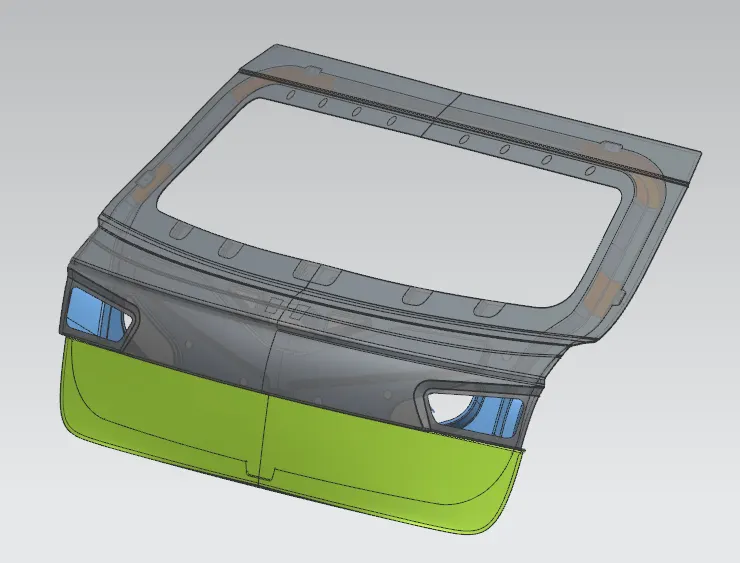
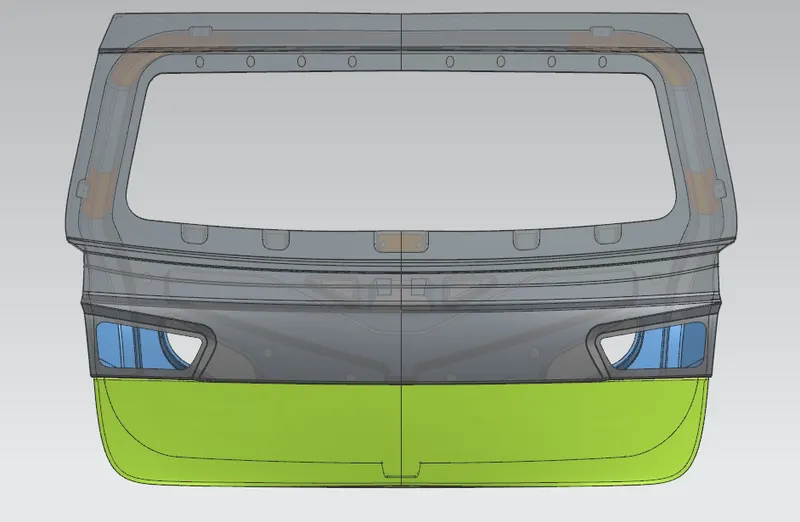
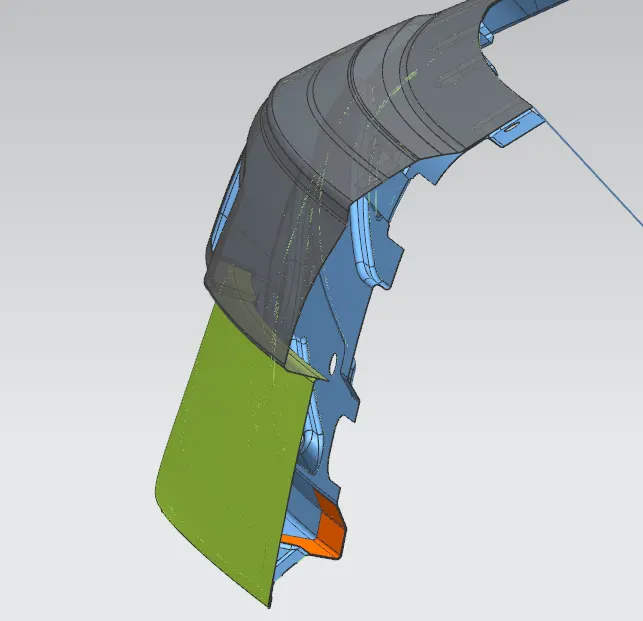
Other Photo of Backdoor
Types of Door Opening
- Top mounted door
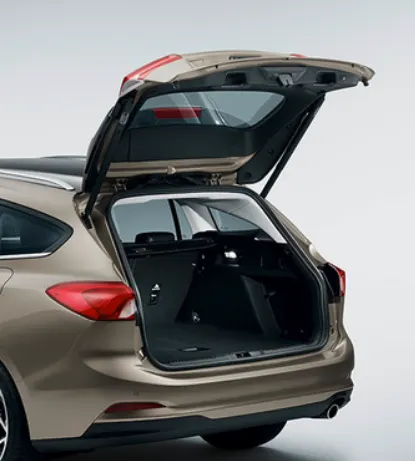
- Side mounted door
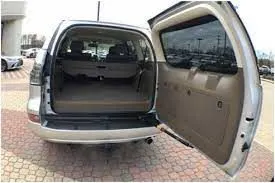
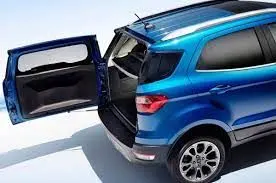
- Bottom Door
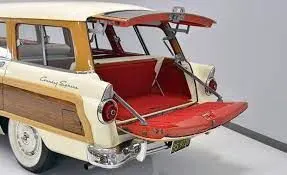
Manufacturing Processes
- Stamping Process
Stamping also called pressing, involves placing flat sheet metal in either coil or blank form into a stamping press. In the press, a tool and die surface form the metal into the desired shape. Punching, blanking, bending, coining, embossing, and flanging are all stamping techniques used to shape the metal.
Automotive die stamping is a metalworking process in which a machine punches, coins, bends and manipulates metal in an automatic feeding system. Automotive die stampings help streamline the manufacturing process and ensure precision and quality. Parts that use an automotive die include fenders and hoods.
- Casting
Casting processes involve the use of molten material, usually metal. This molten material is then poured into a mould cavity that takes the form of the finished part. The molten material then cools, with heat generally being extracted via the mould, until it solidifies into the desired shape.
Die casting is made for the automotive industry. Although die casting is used in a variety of industries, the modern die casting process was designed to accommodate the many metal part needs of automobile production. Companies have been die casting parts for automotive products such as trucks, recreational vehicles and off-road vehicles for many decades.
Hot Chamber Die Casting
Die casting zinc parts for the automotive industry involves a process called hot chamber die casting. The zinc is heated until it reaches a molten state, then pressure forces it into a mold in the shape of the automotive part needed. After the metal cools and hardens, it is removed from the mold. In this method, the furnace and the die are connected as a single machine. The pressure comes from a hydraulic piston that forces the molten zinc out of the furnace and into the die.
Traditional aluminum die casting cannot use this process, because aluminum has a much higher melting point than zinc. Aluminum die casting requires cold chamber die casting in which the furnace and die are separate. The metal is melted in a furnace, then transported to a casting machine to be forced into the mold.
The hot chamber process is much faster, since you can skip the step of transporting the molten metal to the die. This is another reason why using zinc parts can help speed your automotive production.
Operation Performed on Backdoor
- Hemming
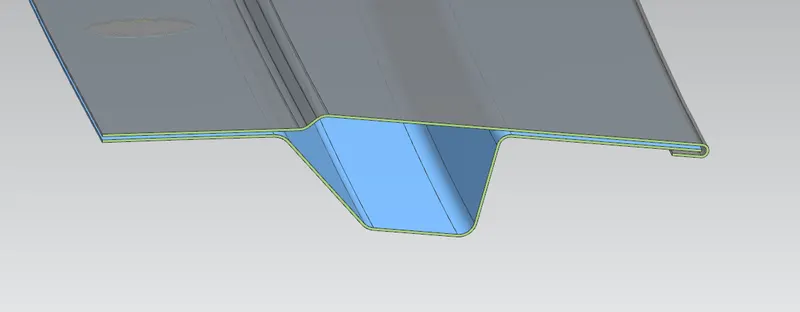
Hemming is a technology used by the automotive industry to join inner and outer closure panels together (hoods, doors, tailgates, etc.). It is the process of bending/folding the flange of the outer panel over the inner panel. The accuracy of the operation affects significantly the appearance of the car’s outer surfaces and is therefore a critical factor in the final quality of a finished vehicle.
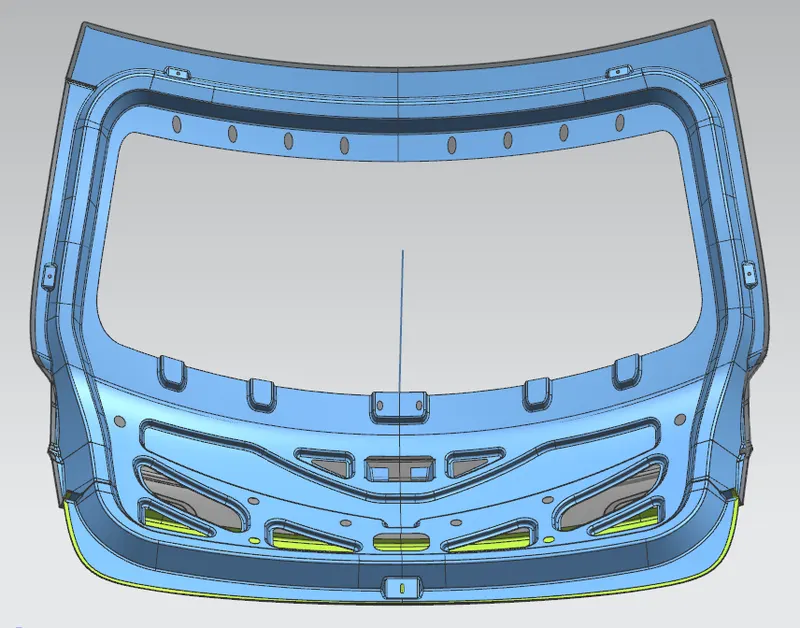
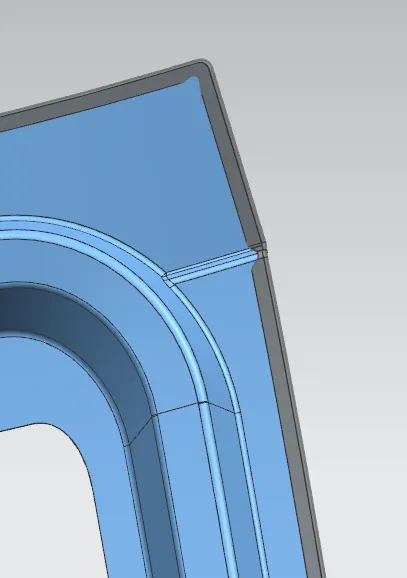
Hemming is performed in order to:
- Achieve a better final geometry in the vehicle´s part
- Add resistance and rigidity to the part
- Allow a safe handling of the part
Hemming process can be carried out in diverse vehicle components: closures (Hood, doors, tailgates), sun roof, fenders, wheelhouses and in special applications such as fuel lid, brand and special parts. Both the outer perimeter and the inner frame of the part can be hemmed.
- Welding Techniques Used in Automotive Industry
Welding is an excellent method for joining two metals permanently. Since the whole body and structural components of the car are metallic, welding is a viable solution for joining these components.
Welding is used in manufacturing as well as the repair of automobiles. In car manufacturing, resistance spot welding has the major share. However, other automotive welding techniques including TIG, MIG, and Laser Welding are also in practice.
- Resistance Spot Welding
Resistance spot welding is the oldest and most commonly used in the automobile industry. Some say that it has nearly been used in the auto sector for about 150 years. On average, an ordinary car has about 5,000 spot welds for joining different metal sheets and add-ons.
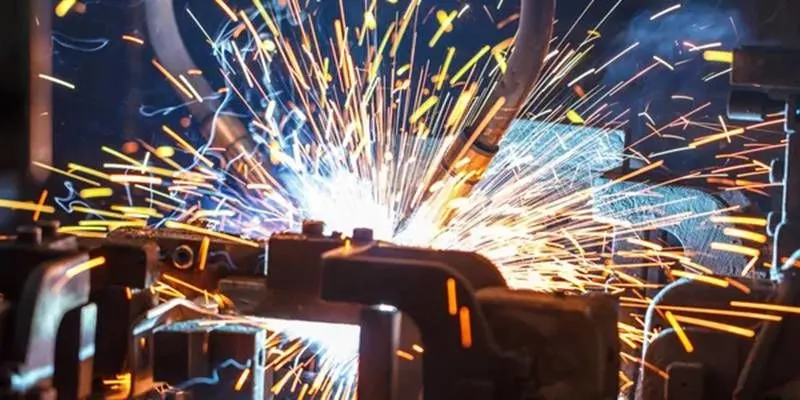
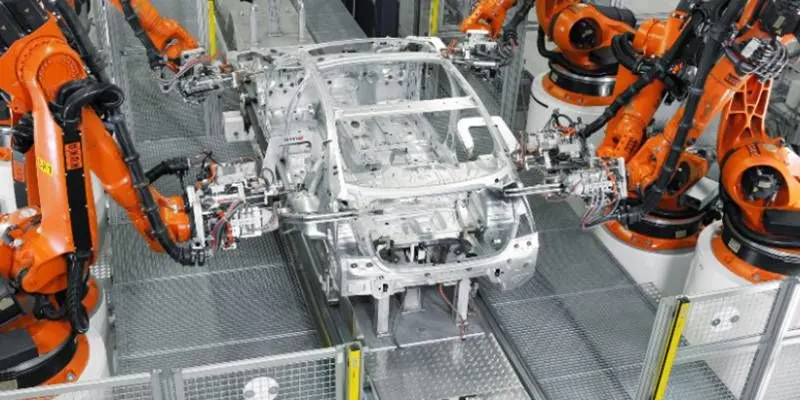
In spot welding techniques, two metal sheets are pressed between two copper electrodes. An electric current pass through the two contacts, which heats up and melts the metal, joining the two sheets together.
One advantage of spot welding is that it produces very clean and smooth welds. Another advantage is that it can easily be automated and the company can increase its production. Lastly, it is a low-cost, energy-efficient process. That is why it has gained popularity over the years in the auto industry
b. MIG Welding
Like spot welding, MIG welding also has been a part of the auto industry for some time. It is considered a great technique for merging sheet metal. In fact, you will find MIG welders in most auto welding shops.
MIG stands for Metal Inert Gas Welding. This type of welding uses an electrode (Filler) which is fed through a wire. The wire melts and joins the two pieces of metal together. The filler material is usually carbon and stainless steel. However, you can also use Aluminium, copper, and magnesium alloys based on your needs. The shielding or inert gases are argon, helium, and carbon dioxide.
c. Tungsten Inert Gas Welding (TIG Welding)
Unlike MIG, TIG is a type of welding that uses a non-consumable tungsten electrode to produce the weld. A gas shield, usually argon, is used to protect the weld from contamination. TIG welding is a more difficult welding process than spot welding, but it produces cleaner and stronger welds.
TIG welding is often used for auto body welds involving aluminum and stainless-steel parts. It is also used when welding thin metal sheets together, as it produces a strong and clean weld.
d. Laser Beam Welding
It is a type of welding that uses a laser to heat up and melt metal. Laser welds are very strong and have a very low level of contamination. In the car welding industry, manufacturers use it to weld together parts that are difficult to reach with other welding methods.Laser welding is an excellent option for making connections in the electric motor and battery pack that are normally made of conductive materials.
- Mastic Glue
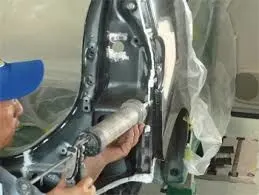
Mastic adhesive was developed specifically to bond exterior automotive panels to the vehicle’s inner panel structure, such as on roofs, doors, and hoods. This one‐component synthetic rubber sealer remains elastic after curing to reduce panel flapping and to prevent panel distortion.
Benefits -
Great application flexibility. With minimal stringing effect, mastic adhesive provides controlled application for consistent performance during robotic application. The easy‐ to‐handle formula can also be applied with a handgun or pump.
Excellent adhesion to oily steel plates. Mastic adhesive can be applied directly to oily steel plates without pre‐treating the metal, creating a strong and permanent bond.
Draft Analysis -
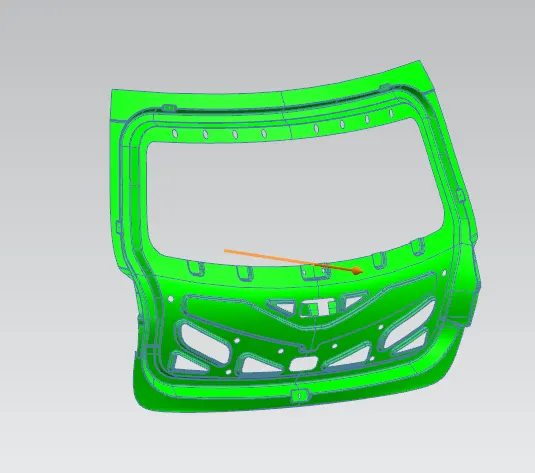
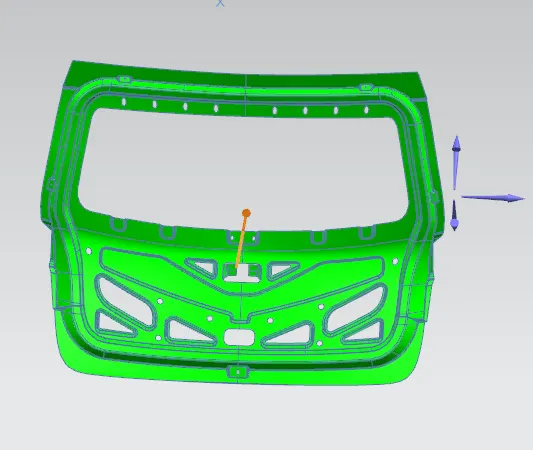
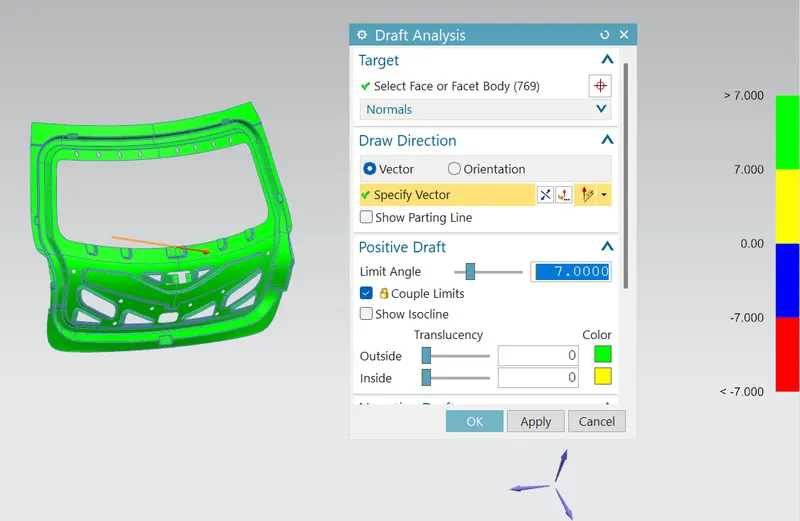
Draft analysis of inner panel is carried out through the tooling direction only. The green areas are acceptable and in worst cases yellow regions are accepted but the blue and red regions are never accepted.
The draft angle for aluminium casted panel is 2 to 3 degrees is enough but if it is steel then the angle is more than 7 degrees.
Conclusion
Thus, the designing of the BackDoor or Tail Gate is done as per Automotive Industrial standards and Manufacturing Techniques which are being used in the OEM(Original Equipment Manufacturer).