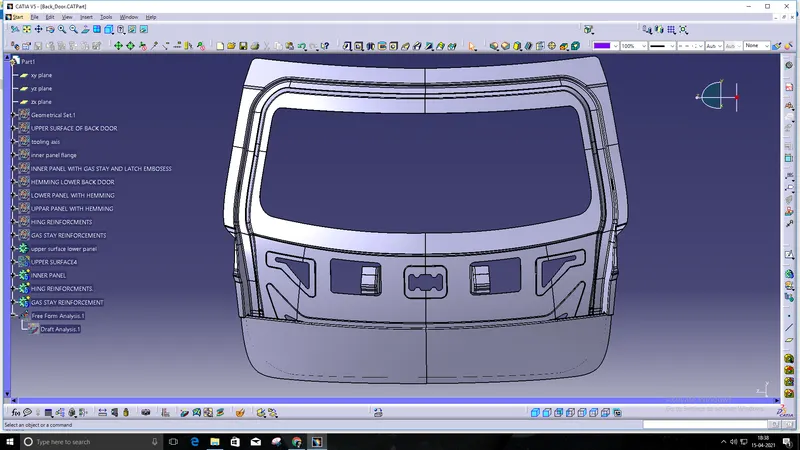
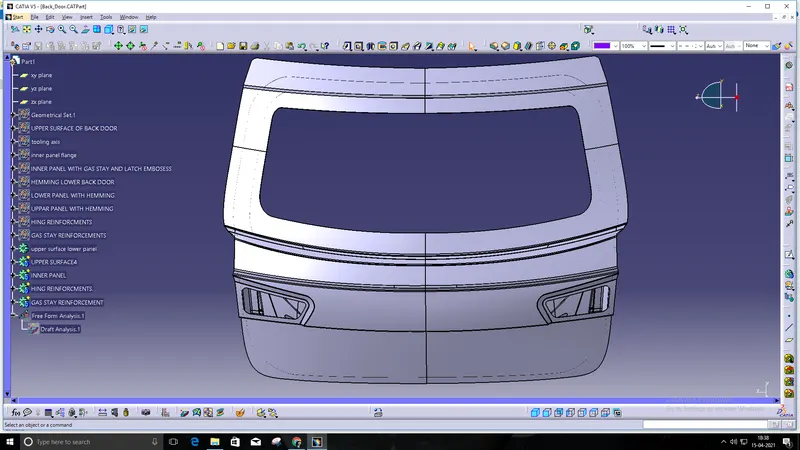
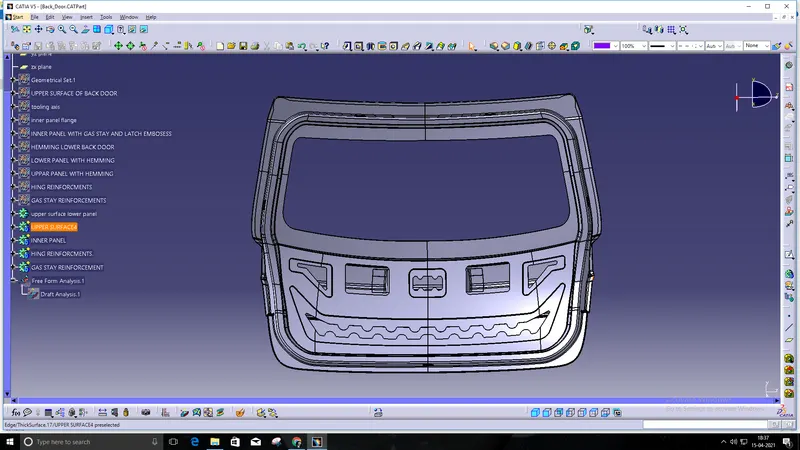
Design of backdoor
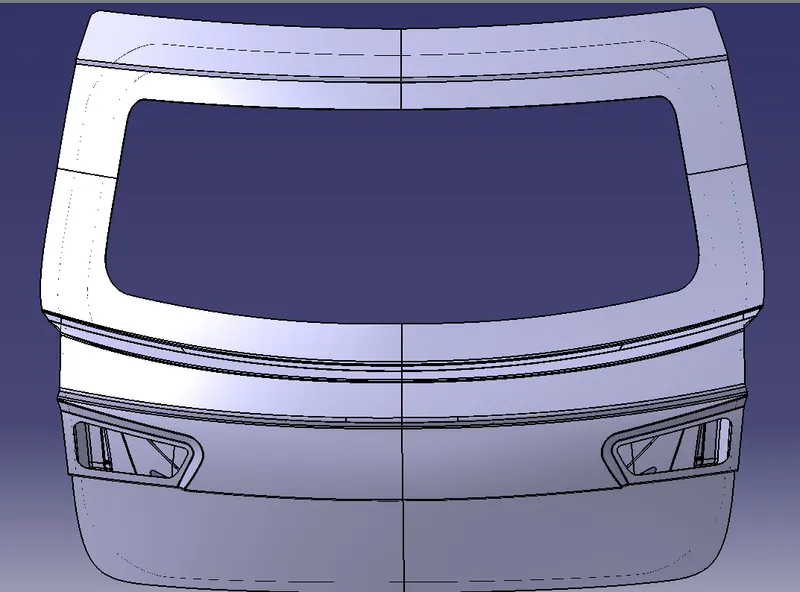
DESIGN OF CAR BACK DOOR
AIM: Use the provided styling surface to come up with a back door design, use appropriate design methodologies, and provide the necessary reinforcements and embosses
OBJECTIVE:
To developed the car back door by using the given styling surface method by automotive sheet metal design
TOOL: CATIA V5
INTRODUCTION:
I have not heard "back door" used for cars. I don't think this is common usage in AE. And I don't think it is correct.
I drive a car with four passenger doors (openings designed for people to go through, to get in and out of the car). The doors used to get in the front seats are "front doors". The doors used to get into the back seat are rear doors.
My car has a "rear hatch". That hatch is not designed for people to get in and out. You would have to climb to use it for that, and once you did, you could not get into the seats. A rear hatch is designed for loading and unloading groceries. Only an opening designed for people to use to enter or exit the car is a "door"
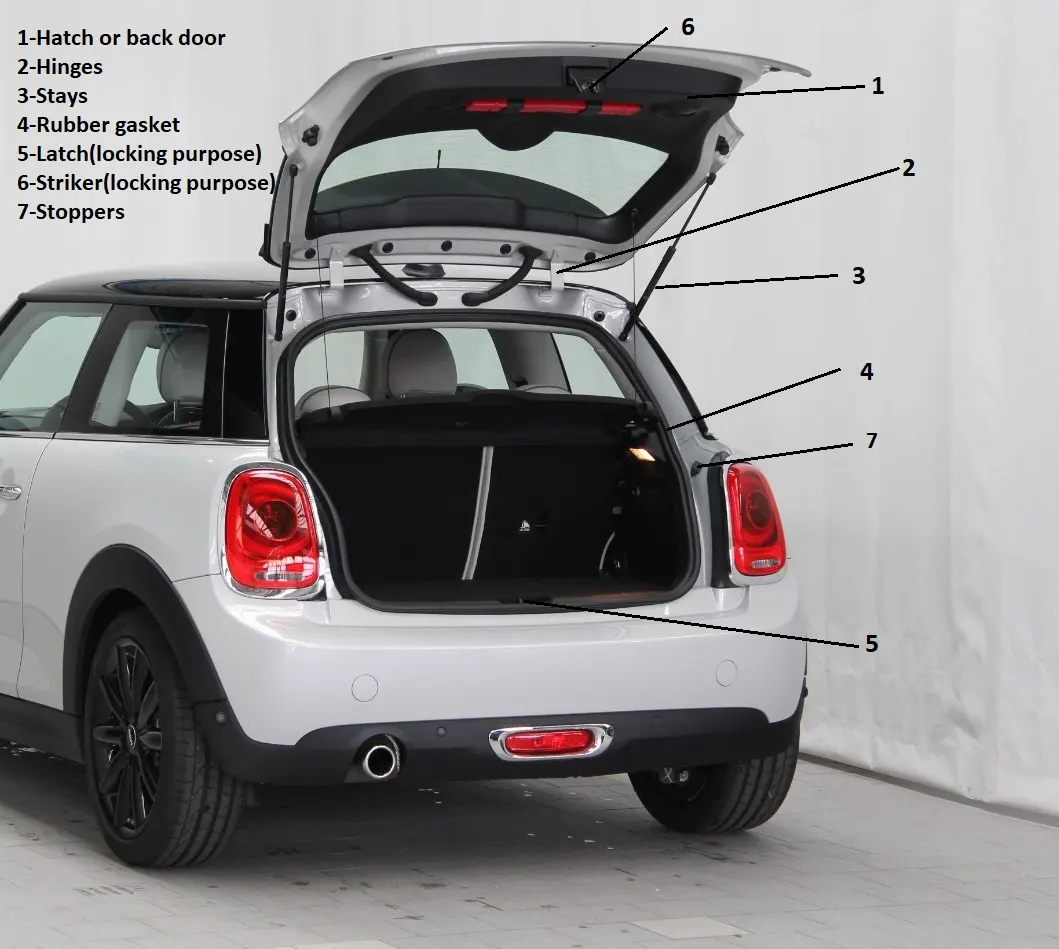
DESIGN CONSIDERATION:
- Rear visibility
- hinges and gas stays
- fit and clearances
- boot space accessibility
COMPONENTS OF THE BACK DOOR:
- Outer panel of upper
- outer panel of lower
- Hing & latch reinforcement
- Gas stay reinforcement
- wiper motor reinforcement
PROCEDURE:
CHECKING THE GEOMETRY:
- Once open the mode we are getting the Class-A surface of the back door.it was not good
- try to join the upper and lower surfaces but those can't join together we need to create a surface using multi-section solid or blend.
CREATE TOOLING AXIS:
- Create a bisecting line between midpoint to outer vertex line outer side corner and create a line midpoint to lower surface corner point.
- Now created the bisecting line this line name it as a tooling axis.
CREATING OUTER PANEL UPPER SURFACE:
- Extract the class-A a surface of the upper surface.
- offset it to 2.65mm to downwards.
- make the boundary of the offset surface of the outer panel. and create a parallel line 12mm and split the surface with parallel line
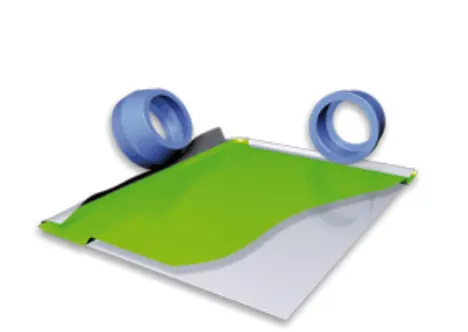
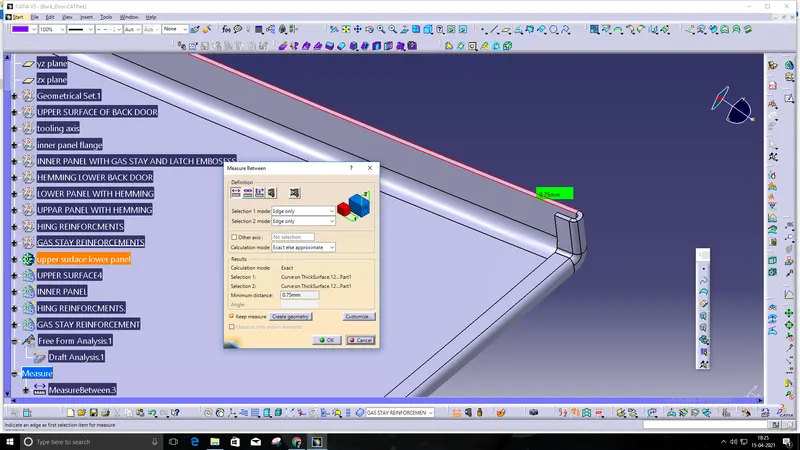
- join these two surfaces with creating a surface between the surfaces with using blend and multisection solid. this process is called Hemming.
HEMMING:
Hemming is a technology used in the automotive industry to join inner and outer closure panels together (Back door) It is the process of bending/folding the flange of the outer panel over the inner one. The accuracy of the operation significantly affects the appearance of the car's outer surfaces and is, therefore, a critical factor in the final quality of a finished vehicle.
Hemming is a forming operation in which the edges of the sheet are folded over another part to achieve a tight fit normally hemming operations are used to connect parts to improve the appearance of a part and to reinforce part edges.
here hemming thickness is 0.75mm.
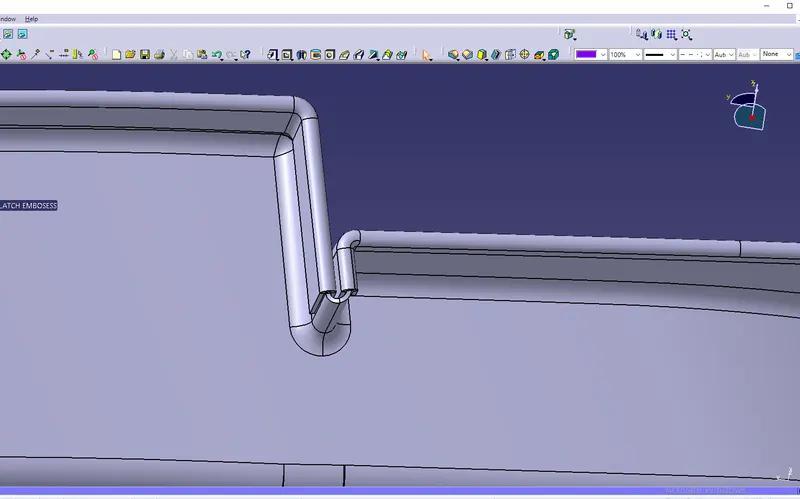
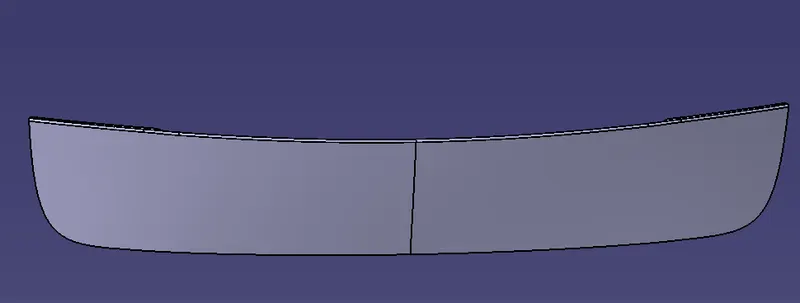
Creating a lower surface of the outer panel is created the same as an outer panel of the upper surface.
CREATING INNER PANEL:
- Offset the class-A surface 1.7mm downwards.
- create boundary line and make a parallel line with a 12mm distance.
- split the surface with the parallel line.
- and make parallel lines on offset surface 14mm and 20mm lines split the surface with using these two lines
- offset the splitting surface 10mm. and create a sweep between the two surfaces and trim the three surfaces
- to create a surface on the lower side of the panel.
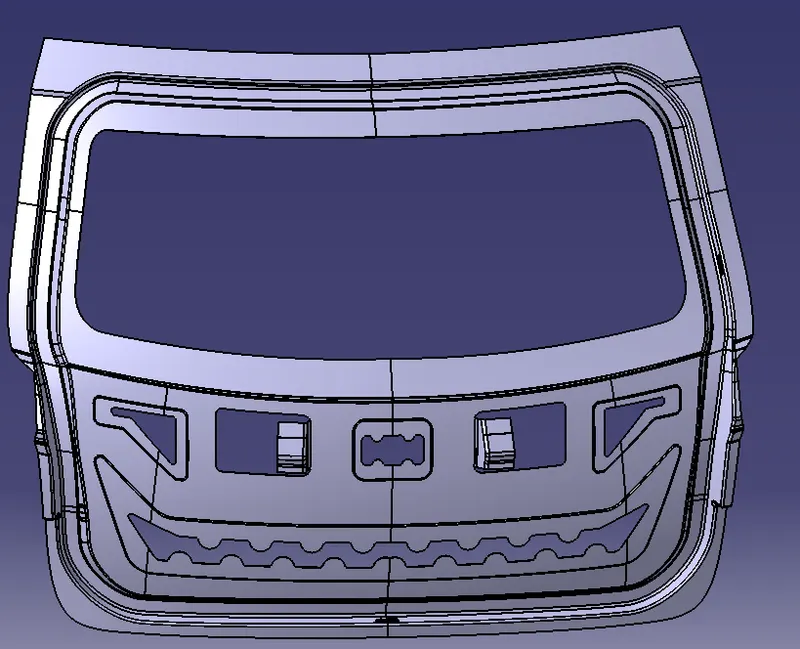
- create v shape embosses for strengthening and when any substance hits on the back door shock waves are going outside.
- and create wiper mounting on this panel.
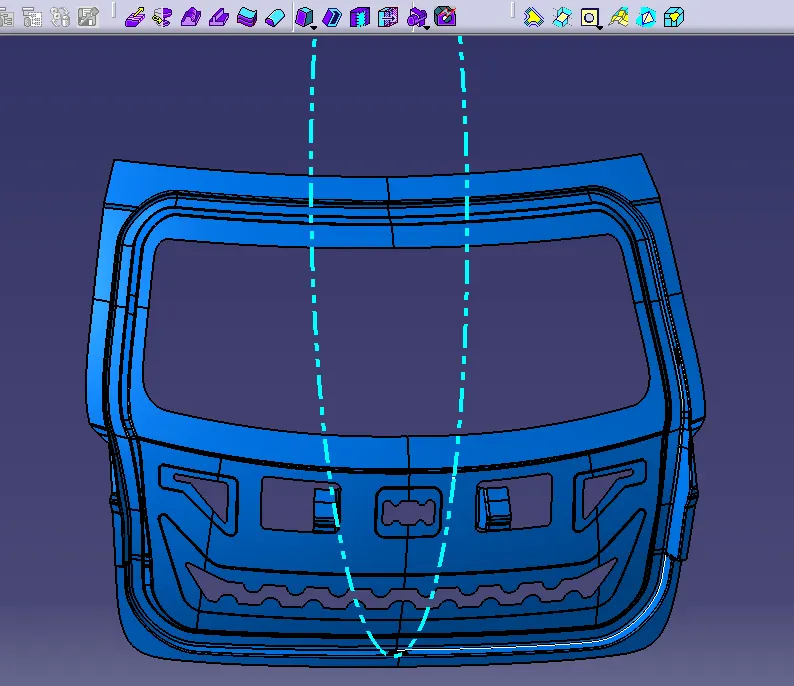
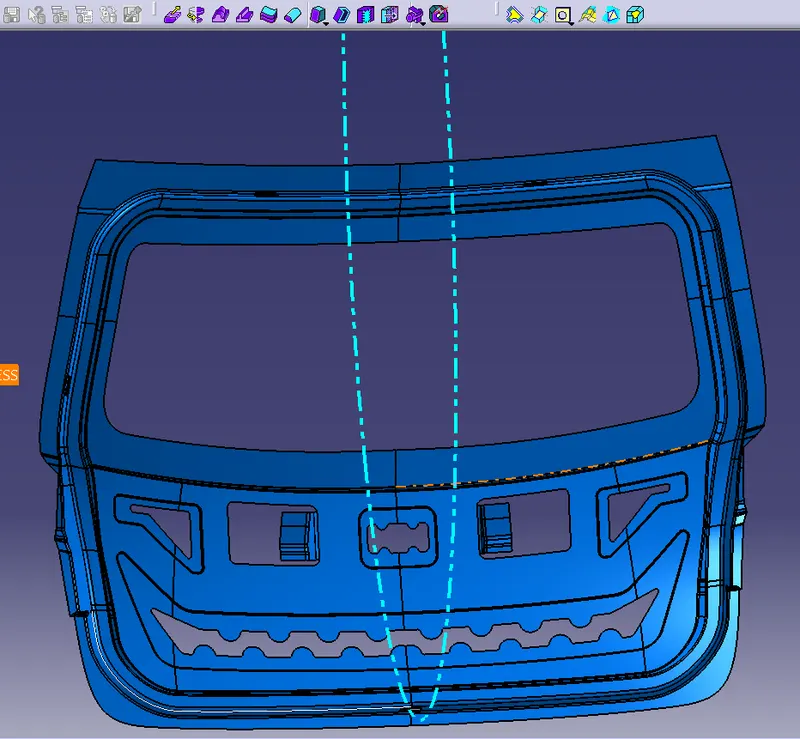
Trejectory line:
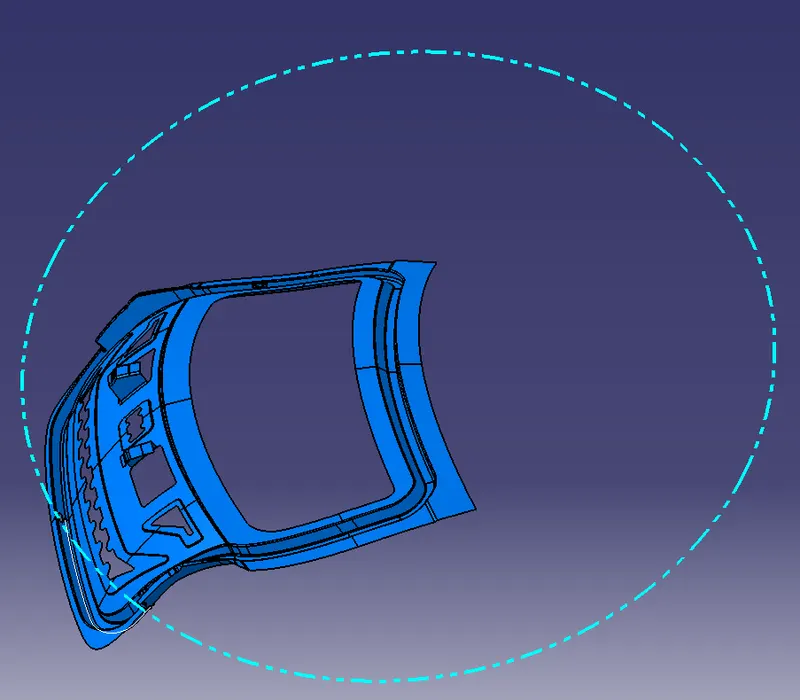
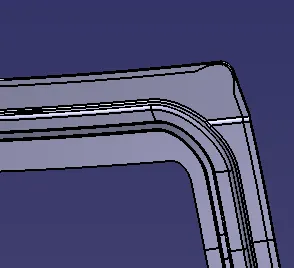
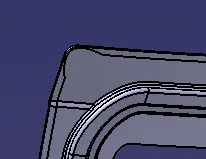
CORNER RELIEF:
Relief helps to control metal material behavior unwanted deformation during unbend operations. so here I gave two corner relief for a back door.
EMBOSS:
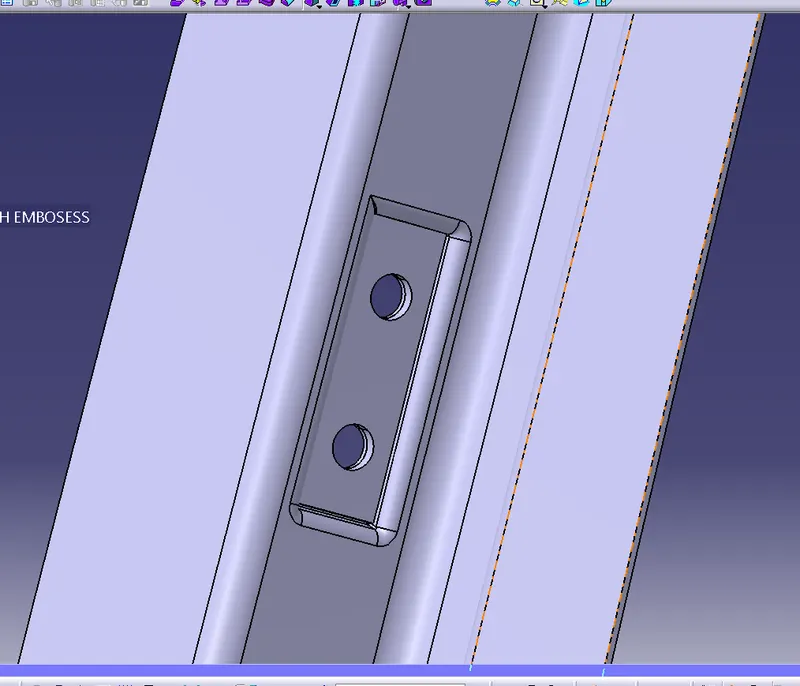
- Create a v-shape emboss on the inner panel.
- create embosses for latch and gas stay reinforcement on the inner panel.
 HING REINFORCEMENT:
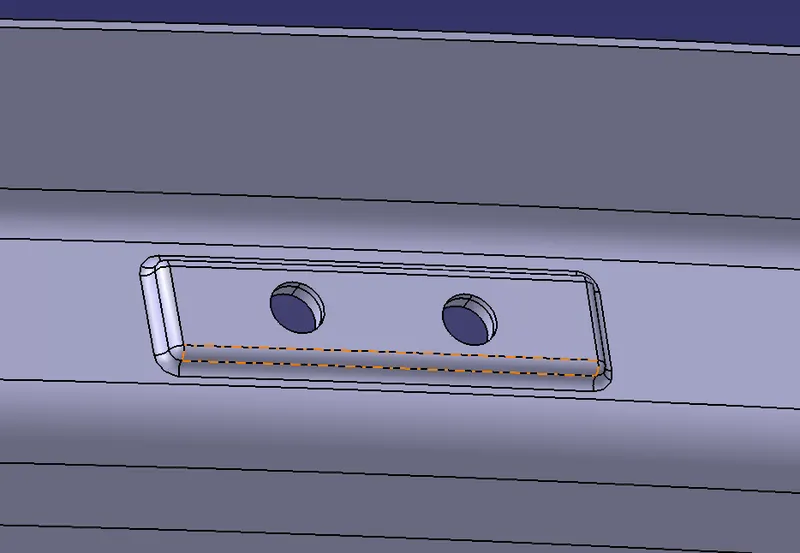
Hinges are essential, which allows doors to pivot on one edge as they open and close. they are found on virtually all doors. it is a mechanical bearing that connects two solid objects typically allowing only a limited angle of rotation between them.
LATCH REINFORCEMENT:
A latch is a type of mechanical faster that joins two objects or surfaces while allowing for their regular separation. A latch typically engages another piece of hardware on the other mounting surface. Depending upon the type and design of the latch, this engaging bit of hardware may be known as a striker.
GAS STAY REINFORCEMENT:
Two types of gas stay reinforcements used in manufacturing systems they are manual listing system and powerlifting system.
RESULT:
Using the provided styling surface to come up with a back door design, using appropriate design methodologies, and provide the necessary reinforcements and embossed on the back door panel.