Design of backdoor
Objective: Design of Backdoor with input outer styling.
Introduction:
The backdoor is the part of a vehicle that is a closure commodity at the rear of the BiW. This door usually encloses a boot space (luggage area) or acts as a rear entry depending on the type and design of the car.
The material selected for this component depends on its utility and cost of production with Steel and Aluminium being the most common materials. With Aluminium, the overall weight of the component is reduced significantly and as they are usually cast, with draft angles as low as 3 degrees, it allows for more boot space. But steel offers a more cost-effective approach.
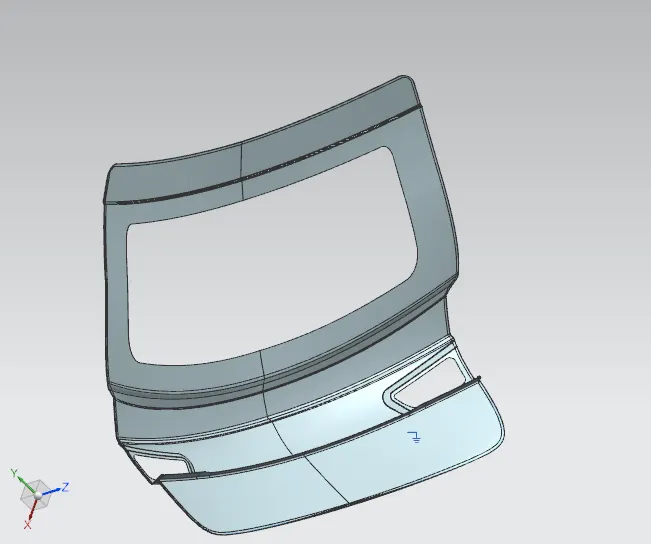
From the input styling, it is clear that it is a top-mounted backdoor. The different parts to be designed are:
- Backdoor Outer Panel (Upper)
- Backdoor Outer Panel (Lower)
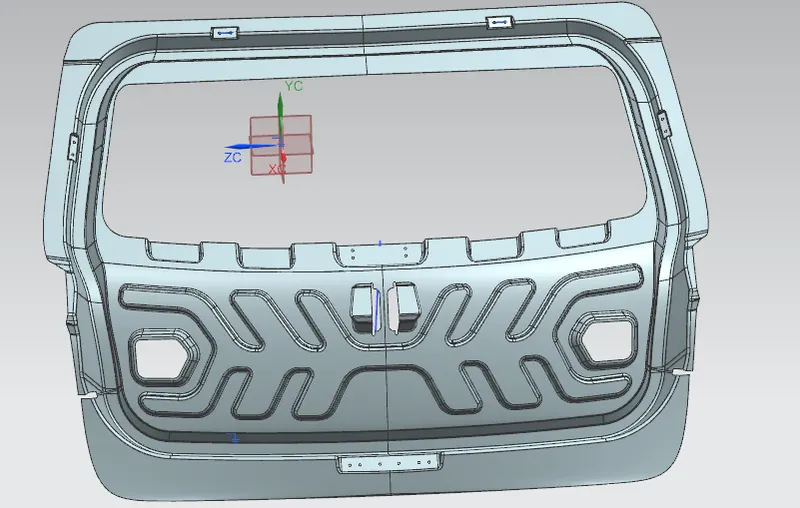
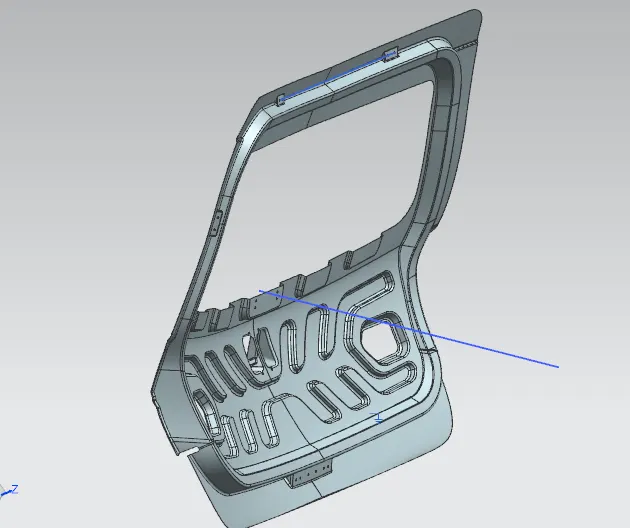
- Backdoor Inner Panel
- Hinge Reinforcements (LH & RH)
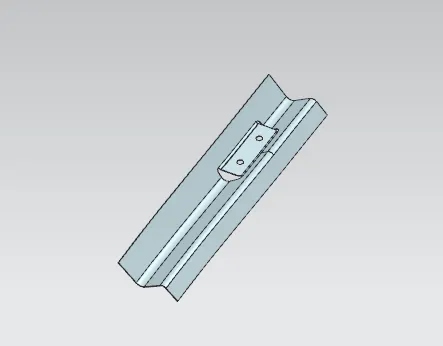
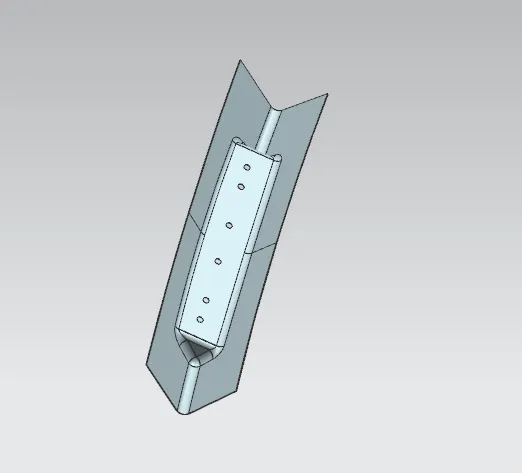
- Gas-Stay Reinforcements (LH & RH)
- Striker Reinforcement
- Wiper motor Reinforcement
The design considerations are:
- Rear visibility.
- Boot space.
- Sealing flanges.
- Mountings for functional parts like gas stay and hinges.
- Rear crash regulatory requirements.
- Mating requirements like hemming and spot welding.
- Gaps and flushness.
Design process:
A top-down approach will be followed, starting with the outer panel, incorporating the hemming flanges, etc. to the outer styling. The inner panel will be designed from the outer panel with necessary gaps and flushness. The sealing flange should be designed in such a way that the boot space may be maximized. All parts must be based on a general tooling direction that must be fixed from the beginning, this is done to maintain a general direction for all draft faces. For better rigidity between the outer and inner panels, a mastic area is provided between them centrally, as the edges are hemmed. The striker mounting must be positioned according to the trajectory followed by the backdoor around the hinge axis.
Designed Components:
Outer panel:
Inner Panel:
Gas stay reinforcement:
Hinge reinforcement:
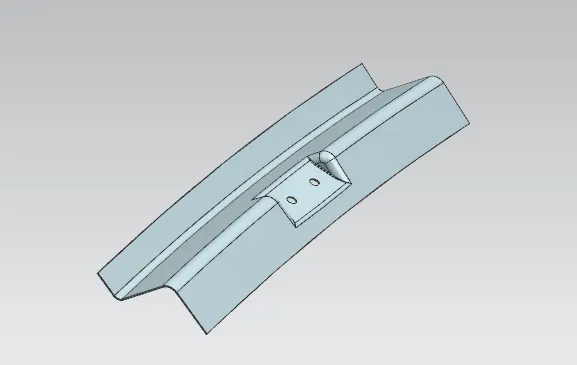
Striker Reinforcement:
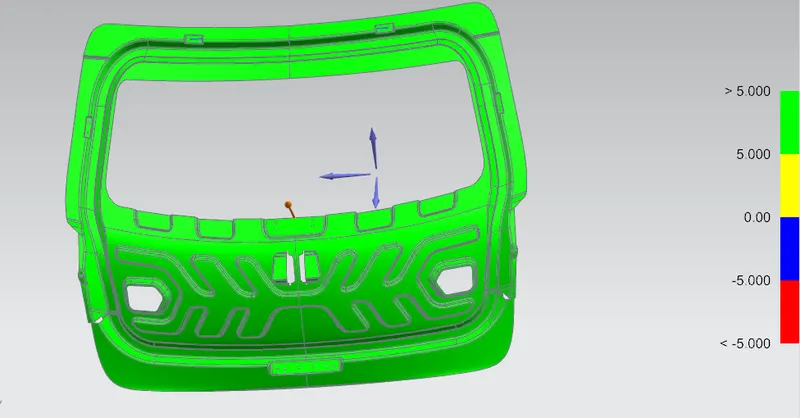
Draft analysis:
Inner panel:
Stamping:
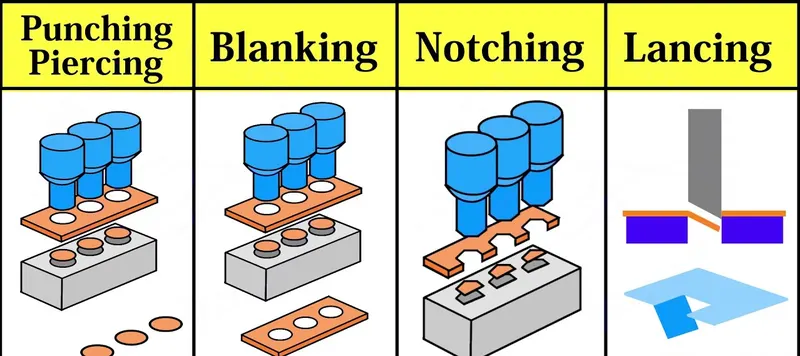
Stamping is the process of placing flat sheet metal in either blank or coil form into a stamping press where a tool and die surface forms the metal into a net shape.
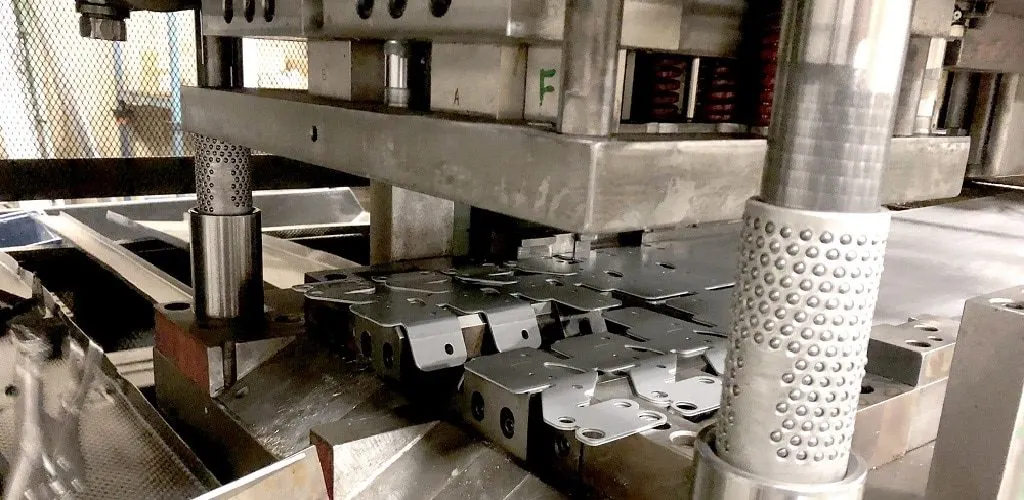
Stamping is the major process that will be carried out for manufacturing the panels for the designed backdoor.
The cutouts and holes will be punched and blanked out depending on the design.
Conclusion:
A backdoor was designed meeting all engineering and industry standards and requirements.