Design of backdoor
DESIGN OF BACK DOOR
Aim :
To develop the car Backdoor(Tail gate) with the reference of given skin data as per engineering standared by using NX12
Back Door :
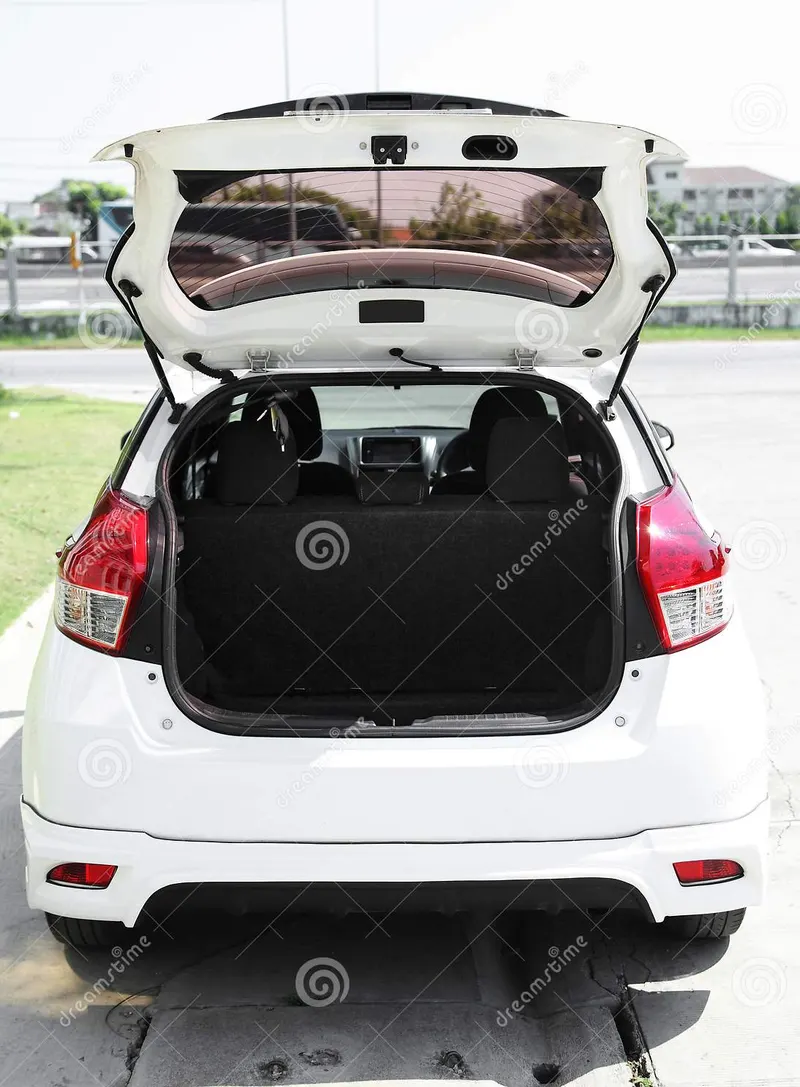
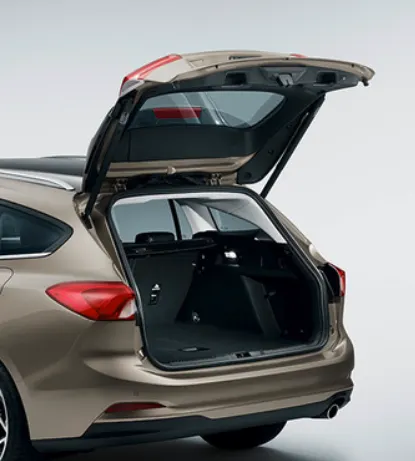
The Back door is typically hinged, but sometimes attached by other mechanisms such as tracks, in front of an opening which is used for entering and exiting a vehicle.
A vehicle door can be opened to provide access to the opening, or closed to secure it. These doors can be opened manually, or powered electronically. Powered doors are usually found on minivans, high end cars, or modified cars.
A backdoor is usually made up of 1 inner panel and 2 or 3 outer panels joined together by hemming and spot welding wherever necessary. The material used for backdoor varies as per the price range of the vehicle. Most of the low cost vehicles use steel as it is cheaper and use parts that are stamped using moulds. These parts are usually of uniform thickness and reinforcements are added to improve local strength where needed. The premium vehicles use aluminium parts which are usually die casted and hence can have variable thickness. This removes the need of reinforcements hence keeping the weight even lower as aluminium parts are lighter in comparison.
On the contrary aluminium is more expensive than steel hence its applications are limited in cheaper vehicle. Currently due to the extensive use of plastics trims and plastic parts the cost of aluminium is affordable for the manufacturers in all price brackets. Use of aluminium reduces the overall weight of the component and hence the vehicle improving its fuel efficiency
Design Considerations for a backdoor inner panel design:
- Rear Visibility.
- Support structures like hinges and gas stays.
- Mounts for wiper motor, tail lamps, and other wiring loops.
- Fit and clearances.
- Boot space and accessibility.
The different panels or regions are as follows,
- Inner panel
- Outer upper panel
- Outer lower panel
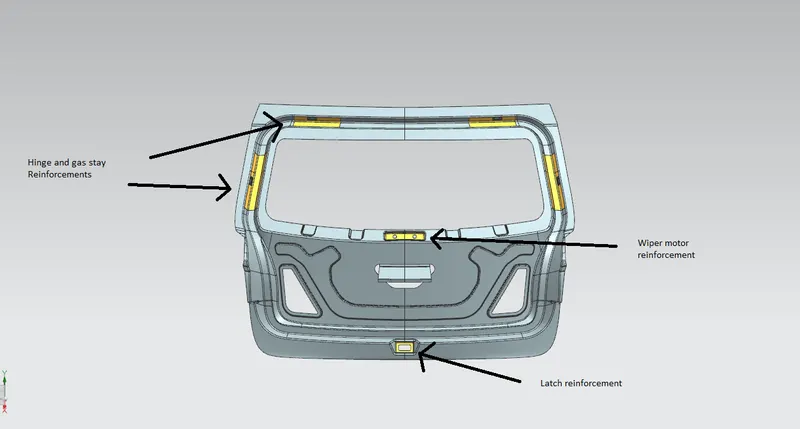
The various reinforcements in backdoor inner panel
- Hinge Reinforcement
- Gas stay Reinforcement
- Wiper motor Reinforcement
- Latch and Striker Reinforcement
Parts and Design Methodologies :
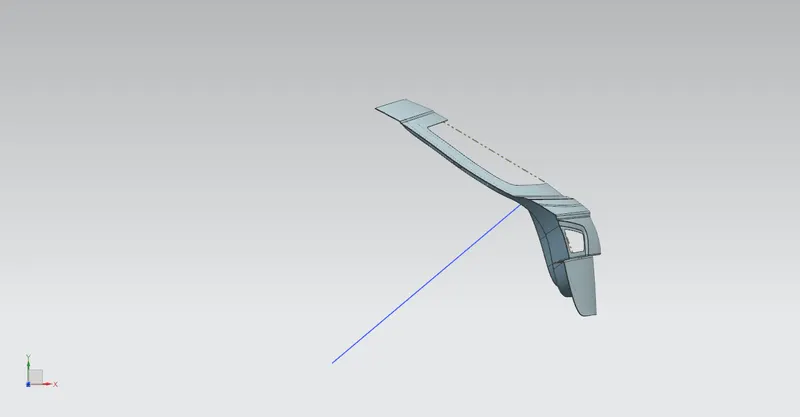
Tooling Direction
Based on the Styling surface the foremost step is definition of tooling direction for Deep Drawn Steel process and all downstream metal operations are based on Tooling Axis
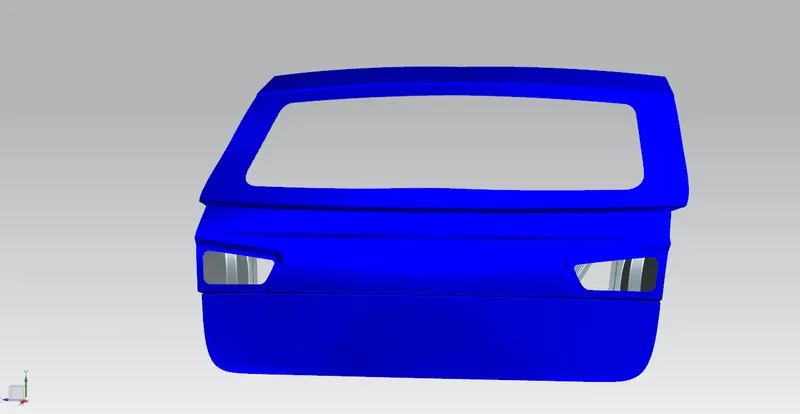
Outer panel
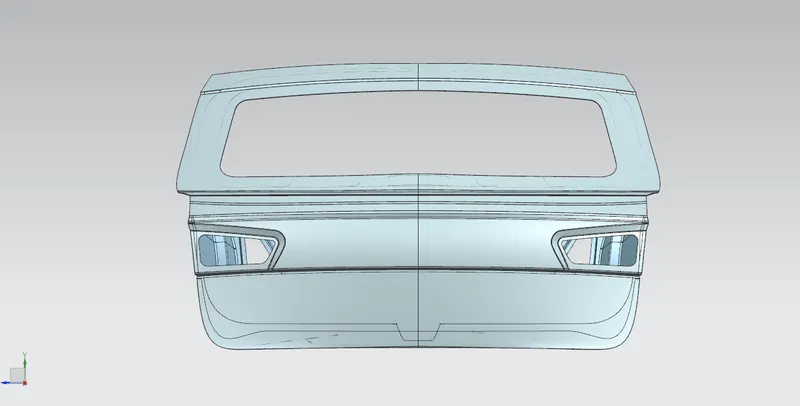
The outer panel is the styling surface of the back door. It is a source of the design of other parts of the backdoor. It gives more aesthetics to the car. Its thickness is in the range from 0.65-0.75mm
Inner panel
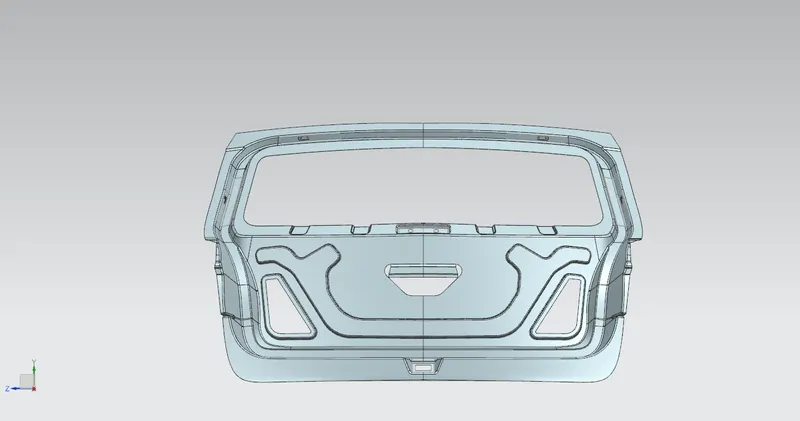
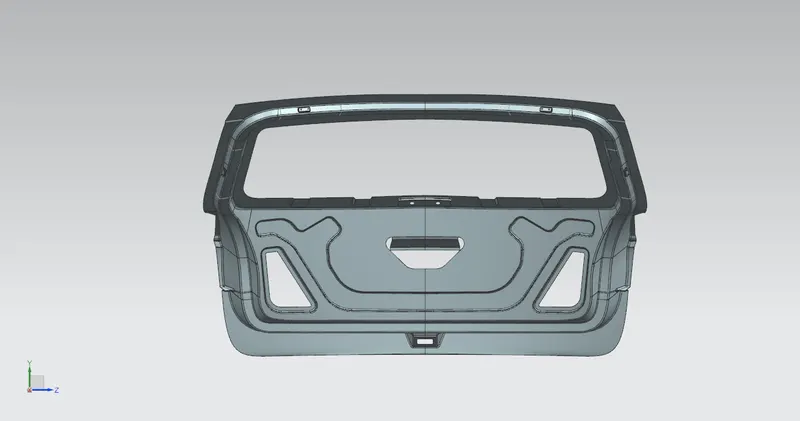
Hemming:
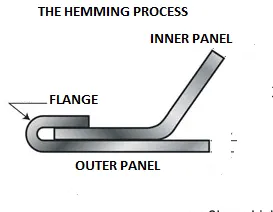
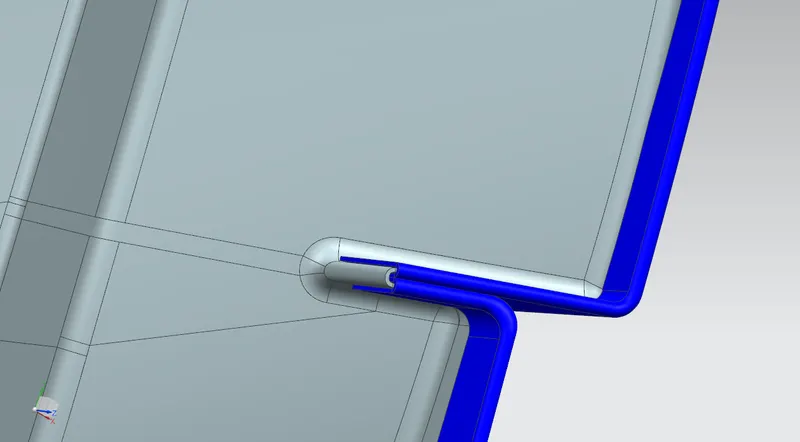
Hemming is a forming operation in which the edges of the sheet are folded or folded over another part in order to achieve a tight fit. Normally hemming operations are used to connect parts together, to improve the appearance of a part and to reinforce part edges.
Hemming is used in assembly as a secondary operation after deep drawing, trimming and flanging operation to join two sheet metal parts(outer and inner ) together.
The accuracy of the hemming operation is very important since it affects the appearance of the surface and surface quality
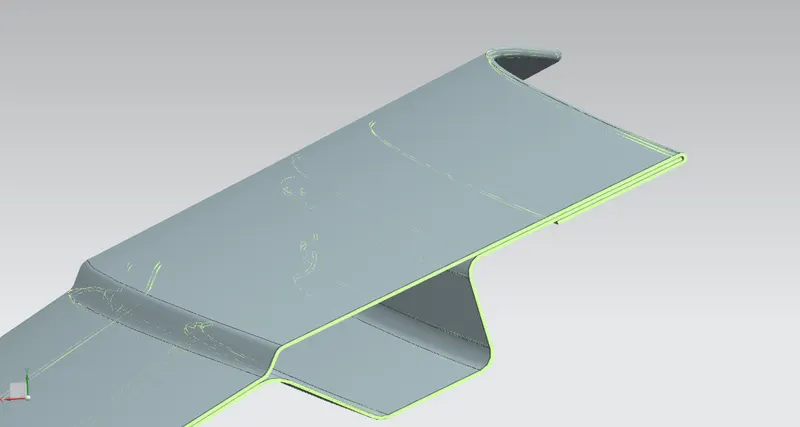
Corner Relief:
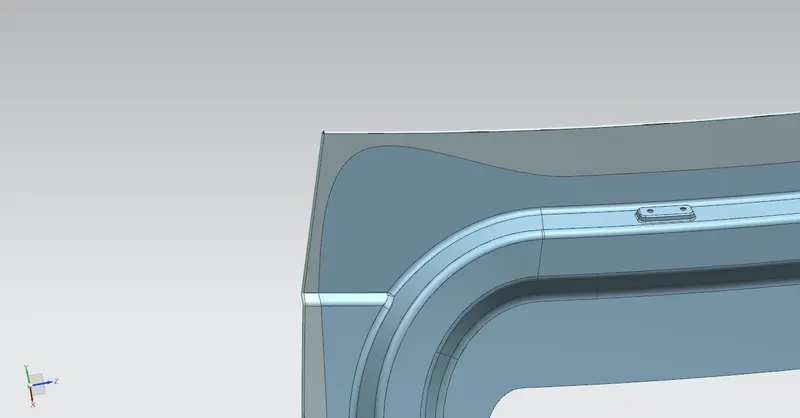
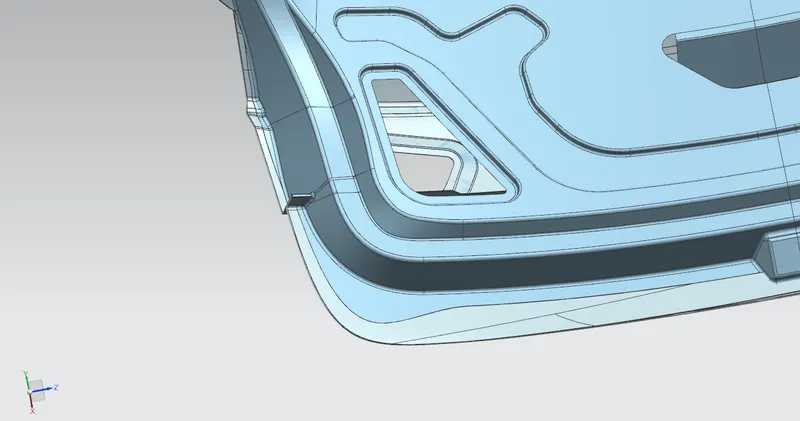
Relief helps to control sheet metal material behaviour and to prevent unwanted deformation during unbend operations. So here I gave two corner reliefs for back door
Emboss
Based on the Load Simulations the Force acts in Y and hence emboss are defined on the inner panel to dissipate the force outwards caused due to slamming of door and Crash situations.
in this design the emboss is given in Y direction .it will increase the body strength but it will decrease the boot space.
Emboss are defined and drafted along the tooling direction for feasible manufacturing and imparts strength to the panel without the need for increase in thickness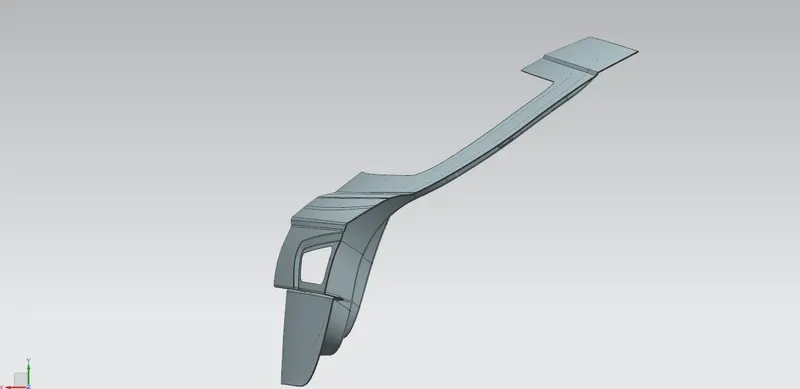
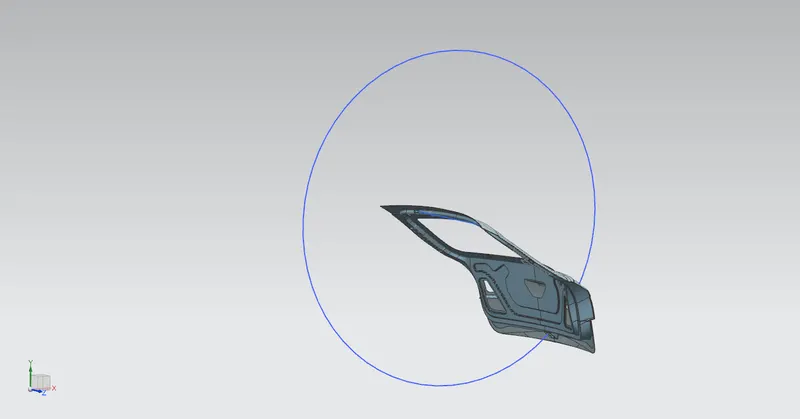
Latch & Striker Trajectory
To define the opening and Closing Trajectory, the hinge and Latch are positioned based on the Hinge axis and Trajectory. The Circle drawn should perpendicular to the Latch’s Striker to satisfy the condition. Based on the Rotation trajectory the Hinge Axis, Latch Striker and predefined Gas Stay are correlated for smooth kinematics of door opening and closing.
Based on the type of Gas Stay, Door Weight and Kinematics the distance between the Gas Stay and Hinge axis is 60-90mm and an angle of 85-90
Mastic Influence
Apart from Hemming the Outer and inner panel are joined using mastic influence points to avoid the rattle noise and improve the NVH and Trim part mounting points are provided which are usually snap fits
Reinforcements:
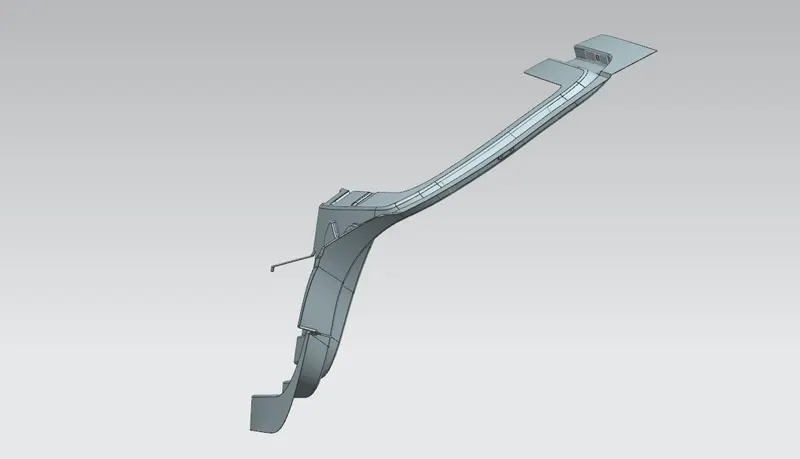
As mentioned for local strengthening reinforcements are usually provided.
Instead of making the whole panel off a thicker sheet, a thinner sheet with thicker local reinforcements wherever needed is preferred. The reinforcements are usually 1-1.5mm thick whereas the panel itself is 0.55-1 mm thickness
Hinge Reinforcement :
Hinges are the essential, that allows doors to pivot on one edge as they open and close. They are found on virtually all doors. It is a mechanical bearing that connects two solid objects, typically allowing only a limited angle of rotation between them
Gas stay Reinforcement :
It is used to lift up the Tail gate.
There are two types of Gas stay reinforcement is there. That they are
- Manual System
- Power Lift System
Wiber moter Reinforcement :
It is small electric motor which is mounted in the rear Tail gate. It used to clean the rear wind sheid for clear visiability
Latch Reinforcement :
A latch is not the same as the locking mechanism of a door or window, although often they are found together in the same product. Latches range in complexity from flexible one-piece flat springs of metal or plastic, such as are used to keep blow molded plastic power tool cases closed, to multi-point cammed latches used to keep large doors closed.
Hinge Reinforcement :
Hinges are the essential, that allows doors to pivot on one edge as they open and close. They are found on virtually all doors. It is a mechanical bearing that connects two solid objects, typically allowing only a limited angle of rotation between them
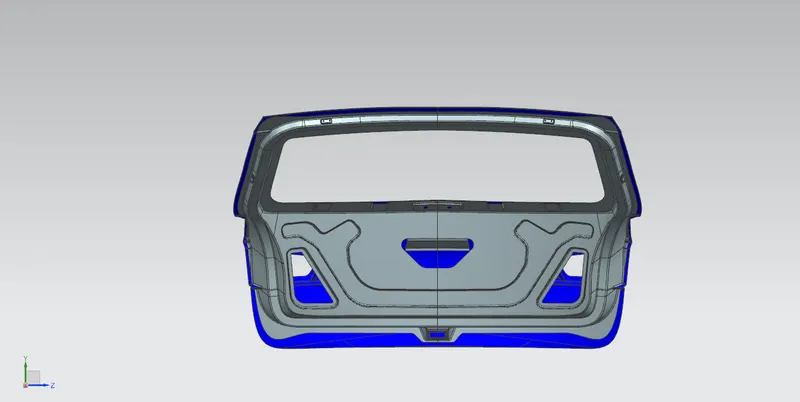
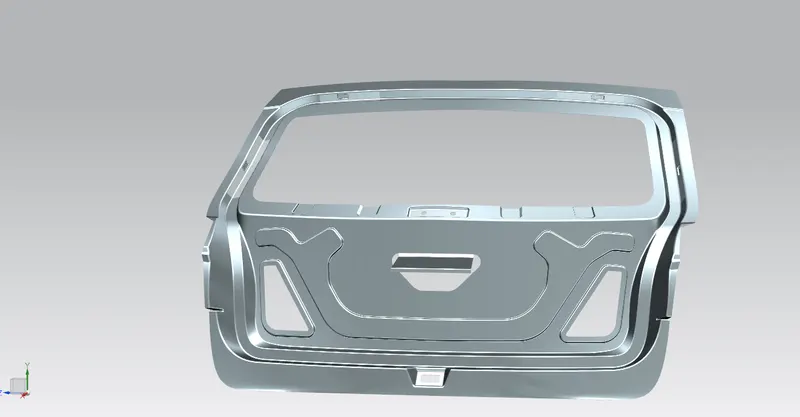
Back door assembly
CONCLUSION
Thus using the provided styling surface back door is designed with appropriate design methodologies and provided the necessary reinforcements and embosses