Design of backdoor
Aim:
To create the backdoor using the provided styling surface to come up with a back door design, using appropriate design methodologies, and provide the necessary reinforcements and embosses.
Backdoor:
Backdoor, as the name indicates the rear side door and is also called as Tailgate, rear door or Trunk, the rear doors in the passenger's cars are mainly used for the luggage compartment entry, which is behind the rear passenger seat, except few cars which is for passenger entry which has higher seating capacity. the traditional backdoors are of fitted with hinge type doors, only few has the pocket type doors.
Types of doors based on mounting position,
- Top Mounted Door- which is traditionally used nowadays in passenger cars.
- Side mounted Door- its called as pocket doors, usually used in cars with higher seating capacity.
- Bottom Door- used in M1/N1 Pickup truck vehicle segment like Isuzu V-cross, etc.
For ease of operation, the back door is operated with help of gas stays and Touchless electric type assisted with gas stays.
Gas stay assisted door:
Electric powered door:

Back door design consideration:
- Design Requirement
- Functional Requirement
- Visibility criteria
- Rear Crash Test
Parts of Backdoor:
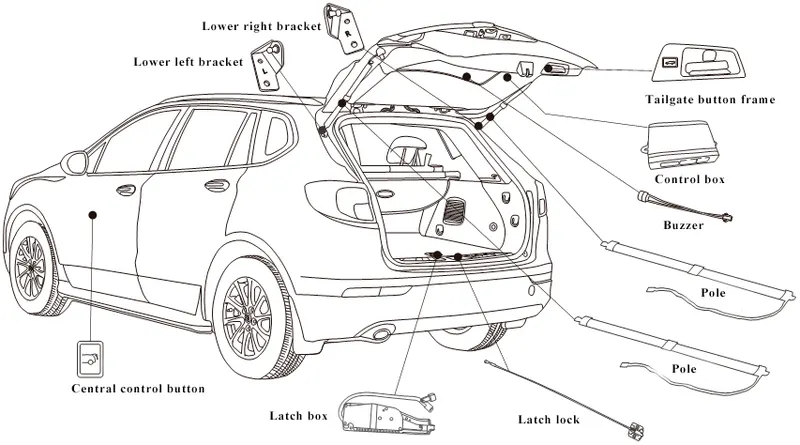
The back door consist of following parts,
- Inner panel
- outer panel upper
- outer panel lower
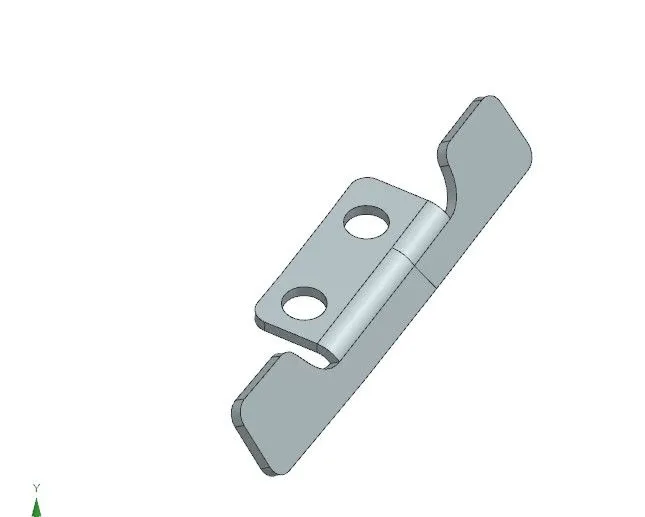
- hinge and its reinforcement
- wiper motor reinforcement
- latch & stricker and its reinforcement
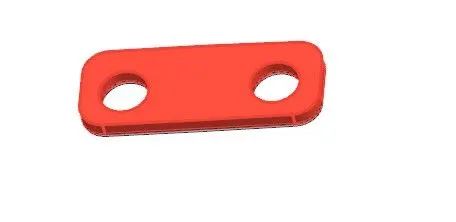
- Gas stay and reinforcement
Gas stay :
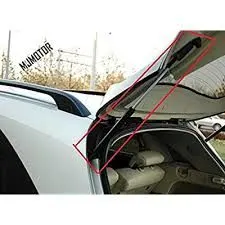
It's an part of hood which keeps the tailgate in the open state, even when there is some external force due to vibration, wind and even self-weight, facilitates open and close function, its one end is fixed on the door and the other end is fixed in body. Another one basic design requirement that is linked with Stay rod is the opening angle of hood mainly depends on the dimension of the stay rod.The opening angle varies vehicle to vehicle and region to region,as the person in different regions would be of different heights.
Hinges and reinforcement:
Hinge assembly is a part which facilitates the open and close function of hood. its one end is fixed in door and the other in body near roof end and the fixing of hinge assembly is considered important as its operating function reflects the quality, this fixing axis is inter related with striker.
Outer panel:
outer panel is the part which is visible from outside in the hood assembly, and very important aesthetically.the outer panel is designed based on the styling data.spot welds are not used in outer panel directly,as it affects appearence.so only hemming and pasting is used to fix it with inner panel.the thickness of panel would be approx 0.75mm. In some designs ,its splitted as upper and lower panel and that is spot welded in flanges, which doesnt affect aesthetical.
Inner panel:
Inner panel is a part which is the major and important part in the backdoor assembly ,as it acts a reinforcement to the outer panel, embossing is created in inner panel in such a way when there is an impact the load is distributed to the side of the body, so the passenger would be safe. normally it would be of in Y Shape or the U shape,the thickness of panel would be approx 0.75mm.
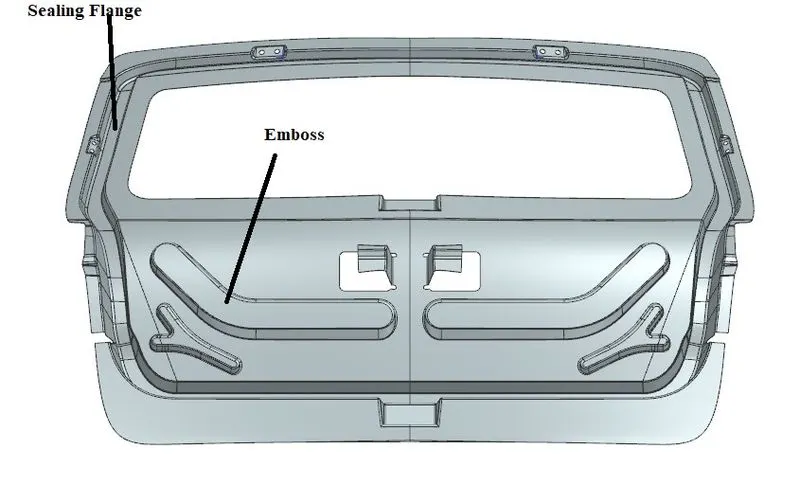
in backdoor innerpanel, a sealing flange is created as it would get mated with rubber flap provided in the body and creates a no gap sealant, thus helps no dust, rain water gets into the cabin.
Wiper motor is fixed in inner panel with neccesary reinforcements, mainly in SUV types, for the visibility in rainy and dusty wind shield.
Latch and Striker:
Striker is the part that helps to lock the rear door when not in use, in mating with latch fixed in luggage cabin. the design of the striker and its position is considered important as the opening and closing of the door also depends on the striker's position/axis.other than that it has to withstand the huge load, as it has an impact force continuously whenever it opened and closed.
Reinforcement: whenever we are adding load, it loses its strength locally, in order to improve the strength, additional support is provided to improve strength. this provision of additional strength is called reinforcement.
Backdoor design approach:
From the provided class A surface, the surface is fully inspected for repairs and broken faces, the necessary repairs are done without a change in shape from the Class A surface.
Tooling direction:
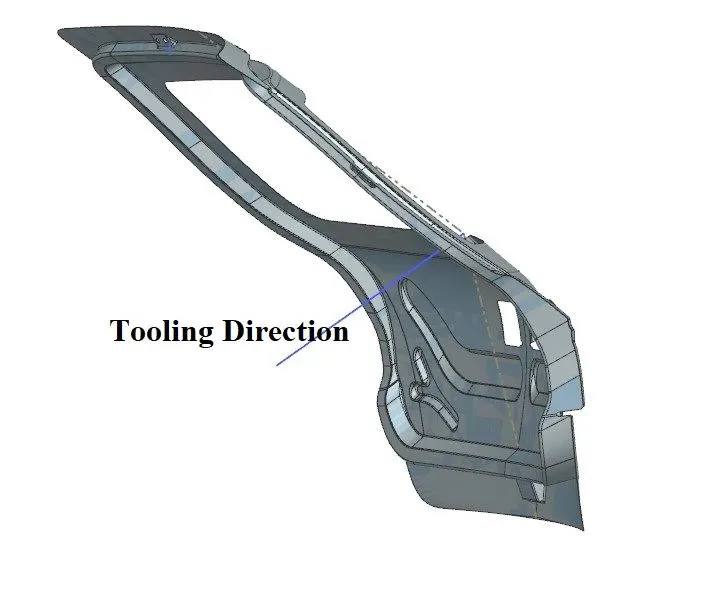
Based on the surface shape, the necessary tooling direction is created and the same tooling direction would be followed for all the further operations.
Inner panel:
From the repaired surface, the panels would be created, the inner panel is created, and the first step of it is creating the sealing flange in the inner panel. the sealing flange is created at a necessary distance from the outer panel and the mating part in the car body, as it needs to squeeze the rubber in it and create a sealant.
Emboss:
To improve the strength of the inner panel, embossing is created and necessary reinforcements are created. the emboss is created in such a way that energy gets transferred to the body side outer when there is an impact and the embosses also to be produced based on the tooling direction created.
Lancing:
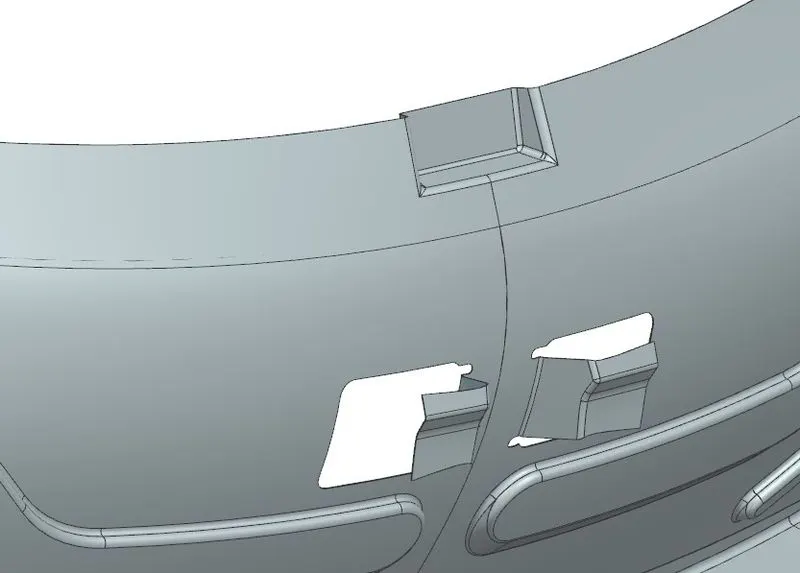
Lancing is done in the inner panel, which is used to connect with an outer panel with mastic sealant to arrest vibration.
Outer panel :
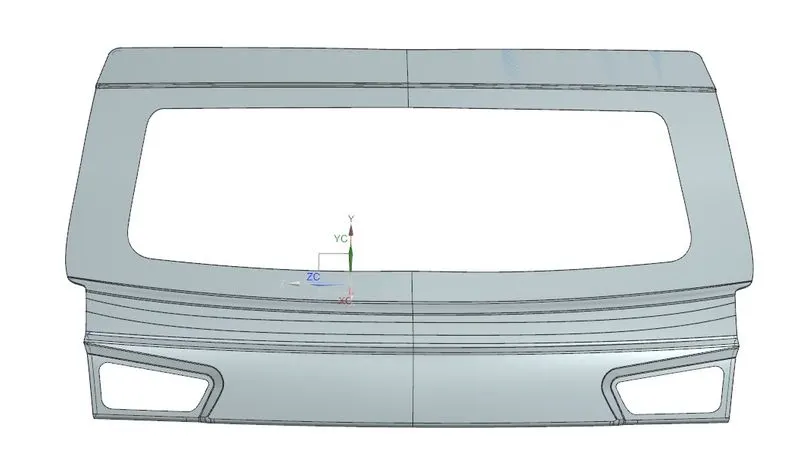
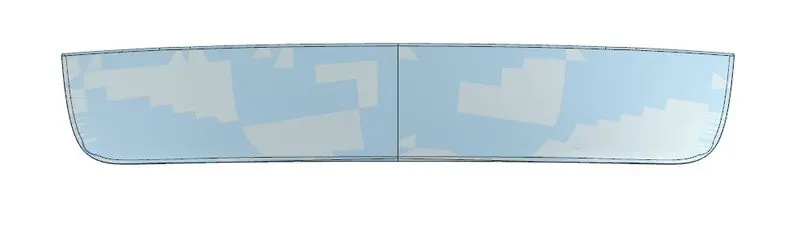
The outer panel is created from the class A repaired surface for upper and lower parts.
Hemming :
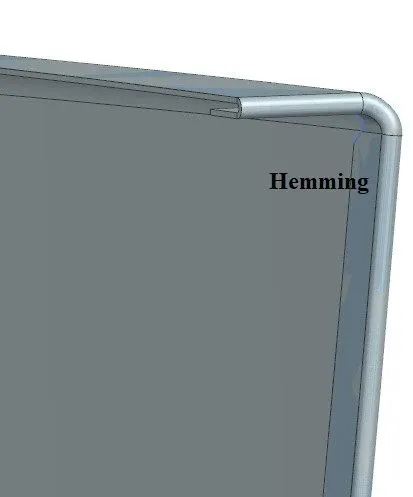
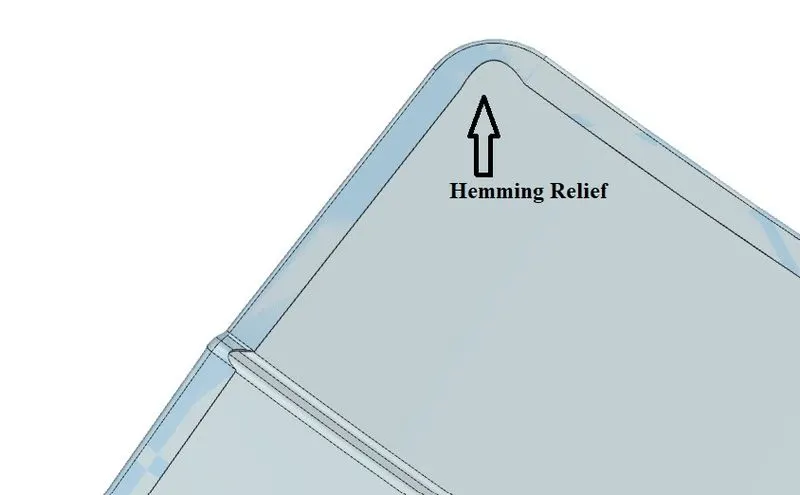
Hemming is a forming operation in which the edges of the sheet are folded or folded over another part in order to achieve a tight fit. hemming operations are used to connect parts together, to improve the appearance of a part and to reinforce part edges.
Corner Reliefs:
Relief is removing of small material from the part in the region where its meeting the secondary part and makes space for the material to bend.
Reinforcements :
Gas stay reinforcement:
Hinge Reinforcement:
Draft analysis:
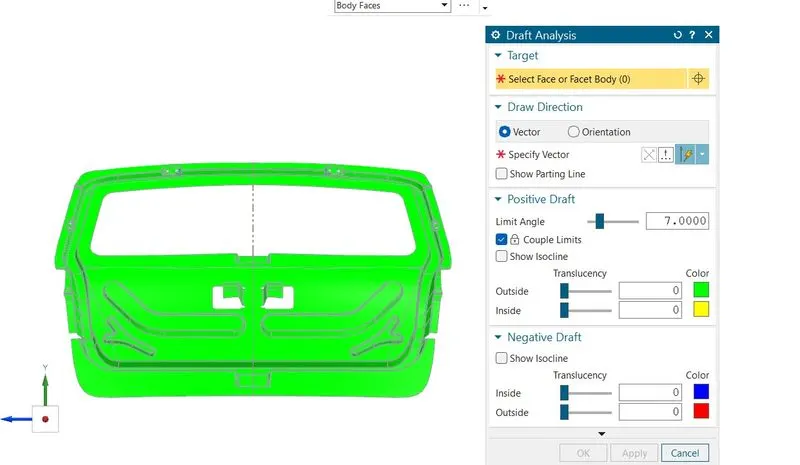
The designed part were checked for feasibillity for production, and it could be seen that the parts were producable.
also attached the assembly file for reference.