Benchmarking
1) Case:
Mr. D.S. Pughazhyendhii is a married man who lives in Bangalore which is a highly crowded city. His Family comprises five members including his wife, a five-year-old boy, his father, and his mother. He visits his native place Madurai which is 500kms away from Bangalore once a month. Also, he will be using his car to commute to his office. His budget falls between 8 to 10 lakhs on road. Please suggest to him options so that he will buy a good car for his family.
Seating capacity:5
Driving mainly in: City
Budget: 10 lakhs on road.
The customer is fond of big cars.
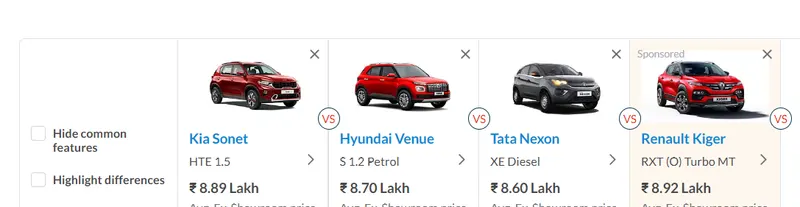
Since he is fond of big cars with a seating capacity of 5 persons and a comfortable long drive vehicle, can look into a compact SUV.Shall compare the following four models and all the following comparisons will also be in the same order.
1) Safety standards:
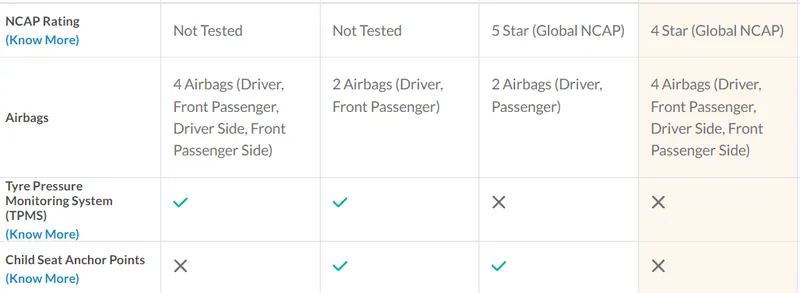
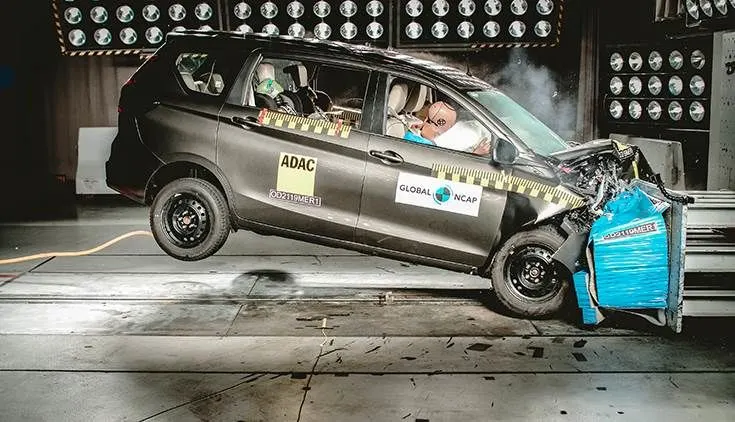
Tata Nexon stands high in safety with a global NCAP rating of 5 stars with best in class in a market where the rest are not comparable and a number of airbags is also to be considered as a client also travels long distances frequently.
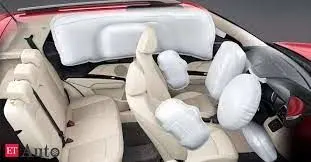
SONET and Kiger are with 4 airbags additional of side airbags compared to Nexon and venue with 2 front airbags.
child anchor seat is to be considered mainly as he travels long distances with a 5-year-old child which is available in Nexon and venue.

2.Mileage and fuel:


sonet stands high with a mileage of 24.1kmpl, and Nexon with 21.1 kmpl stands next in the diesel segment as per ARAI standards.
since the client commutes to the office daily the fuel economy is to be considered.
The driving range for all is fine considering the infrastructure in India where Sonet covers the high with 1084.5km.
3) Boot space:

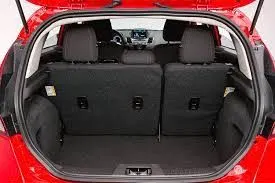
The boot space of Kiger is 6high with 405lts and sonet is next to it and venue and Nexon are similar with 350lts. Since he travels long only once a month the boot space can be given less weightage.
4) Engine and transmission:
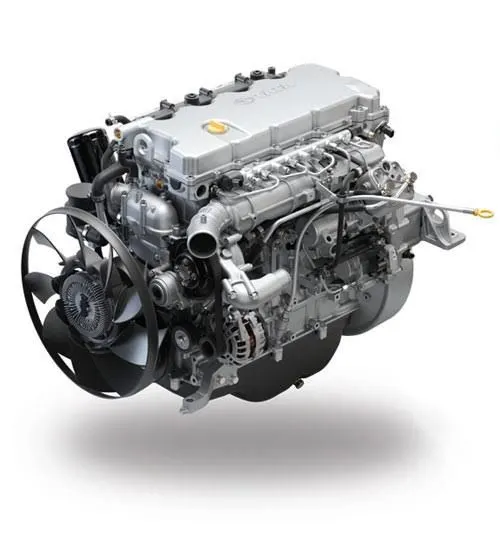
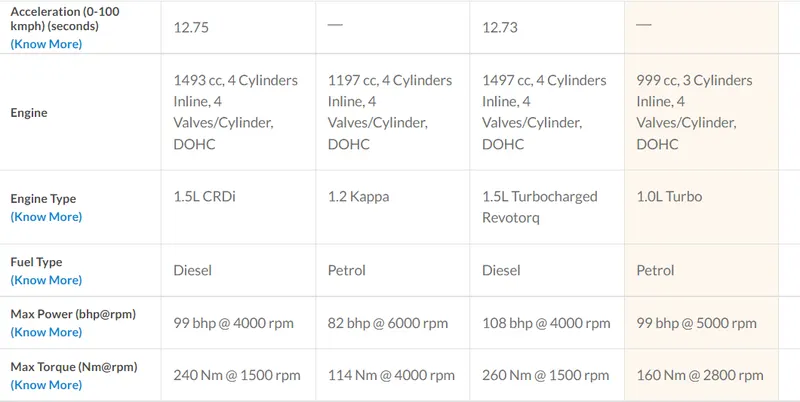
the acceleration from 0-100kmph in Nexon and sonet are equal and in power, Nexon stands top with 108bhp@4000 rpm and Sonet with 99bhp @4000rpm.
when compared the Torque, Nexon is high with 260Nm@1500 rpm and sonet at a similar range with 240Nm@1500rpm.
5) Transmisson:

All are manual with 6 gears in diesel nad 5 gears in petrol. the manual is considered better compared the fuel economy than automatic transmission.
6) Emisson:

All are of BS6 norms as per regulation.
7) Dimensions:
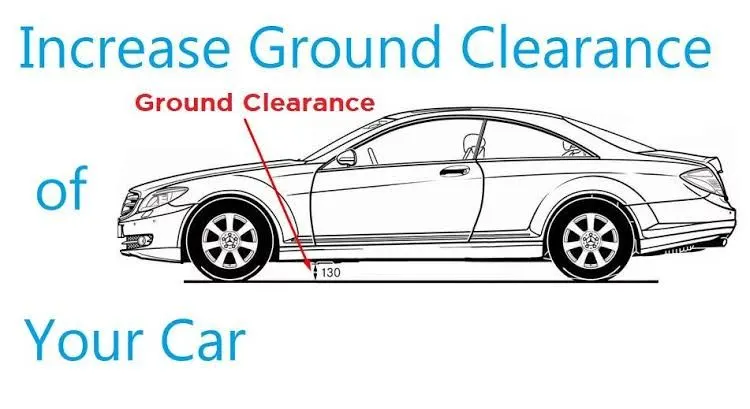
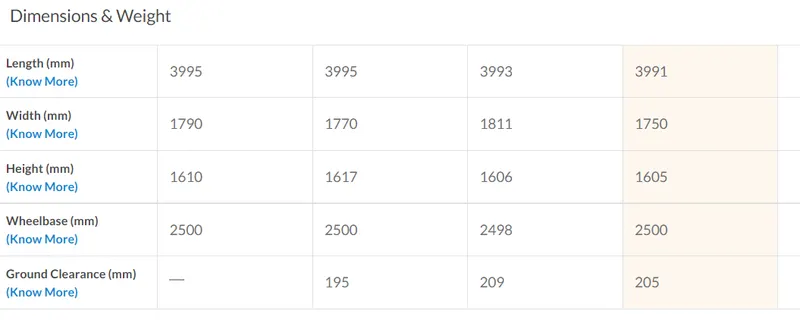
The length, height and wheelbase are similar and are less important in customer view, the ground clearance of sonet is 205 mm and Nexon is similar, and Nexon stands high at 209mm which is to be considered for Indian roads.
8) Brake and traction:
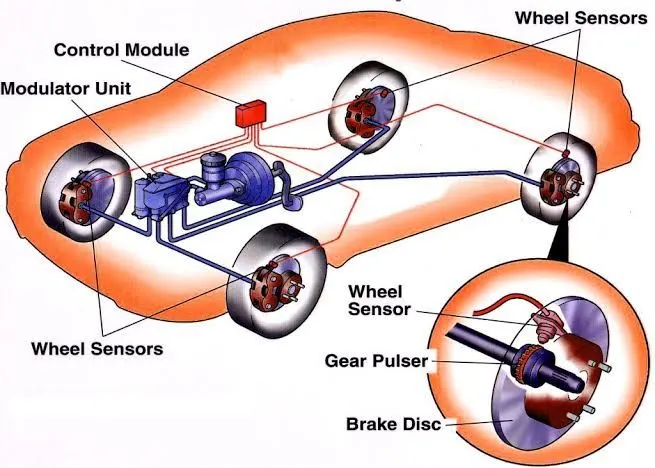
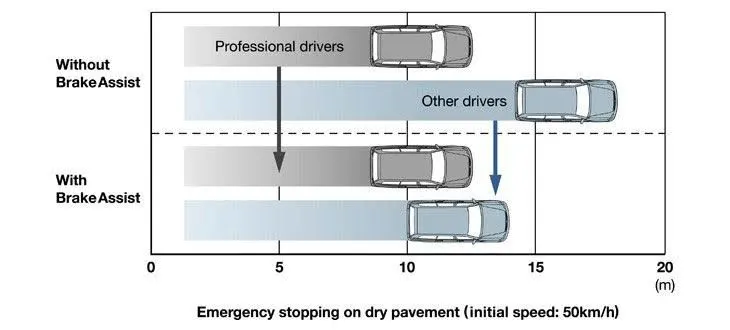
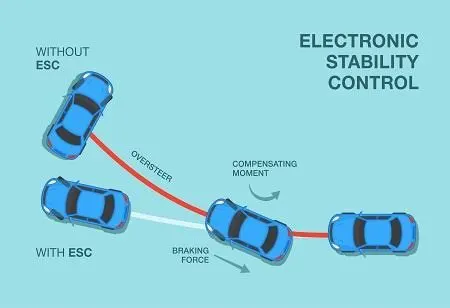
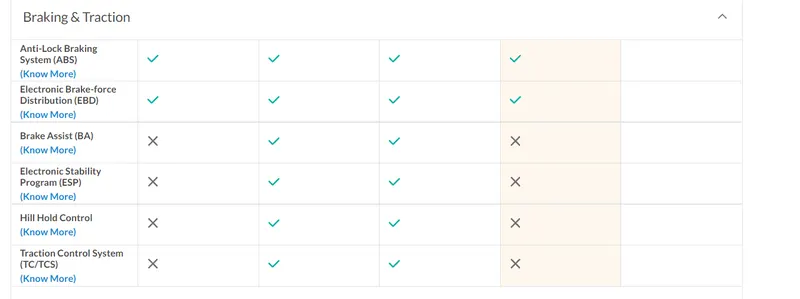
Apart from crash tests while considering safety, braking and traction also play a role indirectly.
considering EBD, BRAKE ASSIST, ESP, HILL HOLD, TCS, Nexon and venue are in the race, the rest two are not in.
9) Comfort and convenience:
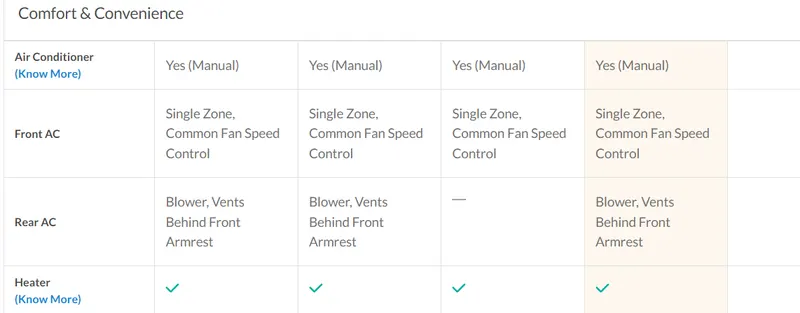

all have front and rear AC except Nexon, traveling long is low, can be given less weightage.
10) Seats and comfort:
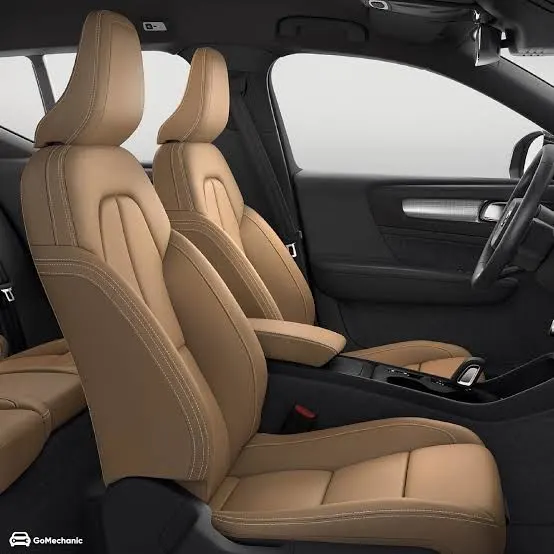
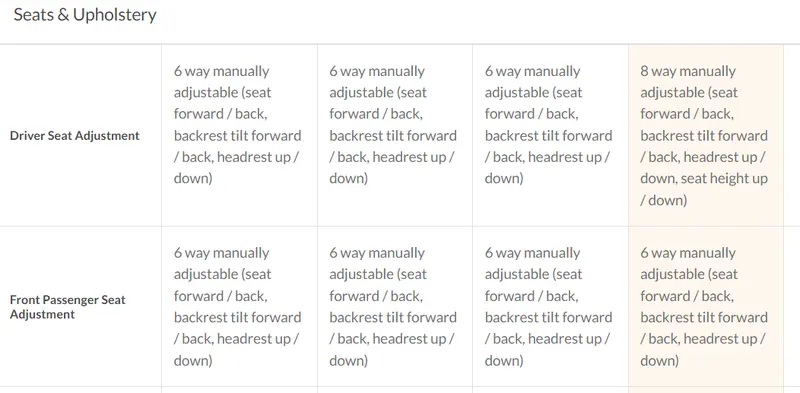
all four models are comparable and equal in function and standards, The comfort and convenience become the basic need in todays market.
11) Warranty:
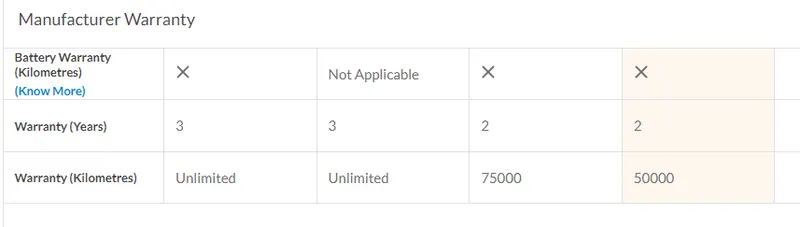
Warranty unlimited is an attractive thing with Hyundai and Kia, and is limited with 75k km for Nexon. As Kia is new for Indian roads, the warranty provided is attractive and trustworthy, and Tata is a leader in domestic vehicle maker and its already as a brand its in people's eyesight for decades.
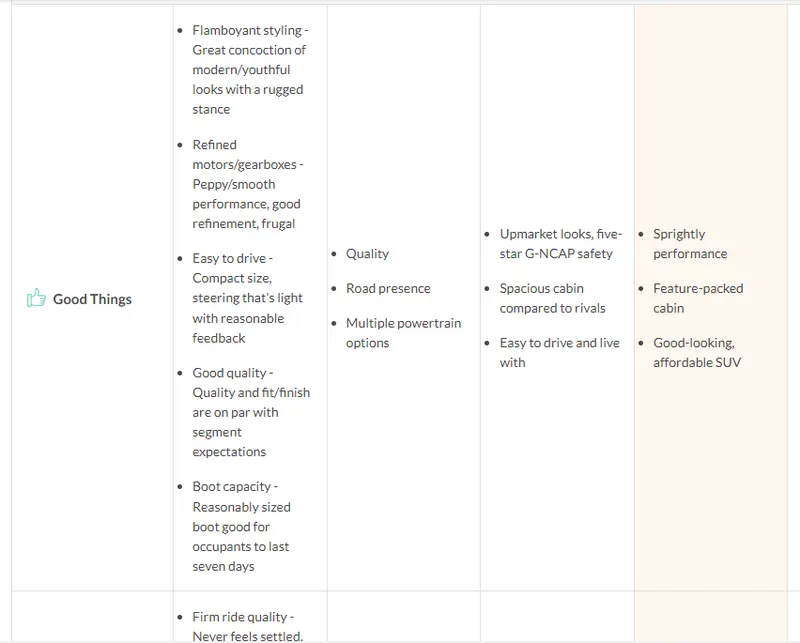
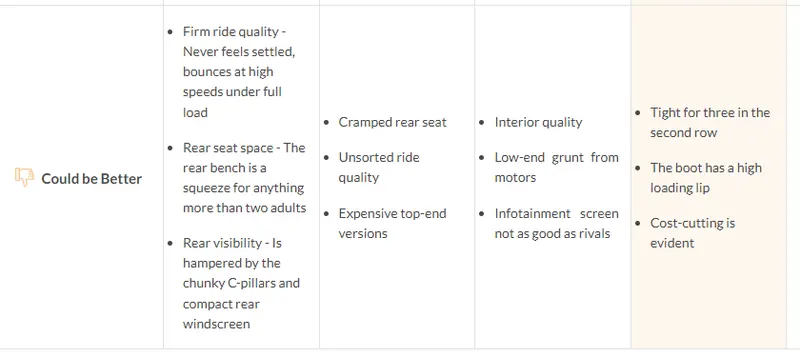
OVERALL CONSOLIDATION OF PROS AND CONS:
Conclusion:
After comparing all the four models which we have hand picked, considering safety in priority for child and adult and follows the fuel economy, engine power, braking and traction, comfort and convenience, ground clearence, we conclude Tata nexon diesel variant leads the race in comparison with Kia sonet, major criteria with safety rating of 5 star and with an engine power of 108bhp and good electronic control for braking and traction and comparable in fuel economy and compromising slightly in infotainment and internal aesthetics and rear AC vent.
Tata nexon-diesel variant would be the better option for pugazhyendhi considering his needs.
2. Benchmarking:
Benchmarking is a process of comparing your product or service with competitors' product or services in order to improve performance. The competitor would be mainly the best in class in that field. It can be classified as two main streams as internal and external and further as follows,
| Bench marking | |
| a) Internal | B) External |
| 1) Process benchmarking | |
| 2) Performance benchmarking | |
| 3)Strategic benchmarking | |
1) Process benchmarking: it's based on insights of competitors' internal processes to optimize our own.
2) Performance benchmarking: its based on insights of competitors' performance to optimize our own wins and losses.
3) Strategic benchmarking: its based on insights of competitors' business model to strengthen our business approach.
Steps:
its a six-step approach as follows,
1) Objective
2)Collect data
3) Compare data
4) Analyze
5) Select and implement
6) Track and Repeat.
In simple benchmarking is a tool used to compare our product in market using various strategies, and to improve our product competitively to suit the needs and to repeat for the best in class product.
summary:
1) Suggested a car for pugazhyendhi.
2) Brief explanation given for benchmarking.
3) compared 4 models for analysis.
4) used wherever pictures are necessary.