Design of backdoor
Design of Back Door Using NX CAD
Aim/Objective:
- From the given Class ‘A’/Styling Surface we have to design a back door
- The Main objective of this project is to design a Back Door assembly with inner panel, Outer Panel, Sealing Flanges, Hinge Reinforcement, wiper motor, Latch & Striker, Gas Stay etc.…
Back Door: A Back is the Rear most Important Part of the Car which is also known as tail gate of car. It Provide the excess of Boot space. It consist of inner Panel & Outer Panel which is made either Aluminum or Steel. The process of manufacturing by these component may be differ which are below.
|
Aluminum |
Steel |
|
· Parts are casted |
· Parts are stamped |
|
· Reinforcement Can be neglected |
· Reinforcement are Necessary |
|
· Local thickness can be varied |
· Has only uniform thickness |
|
· Lighter in weight and less number of components |
· Heavier in weight and more number of component |
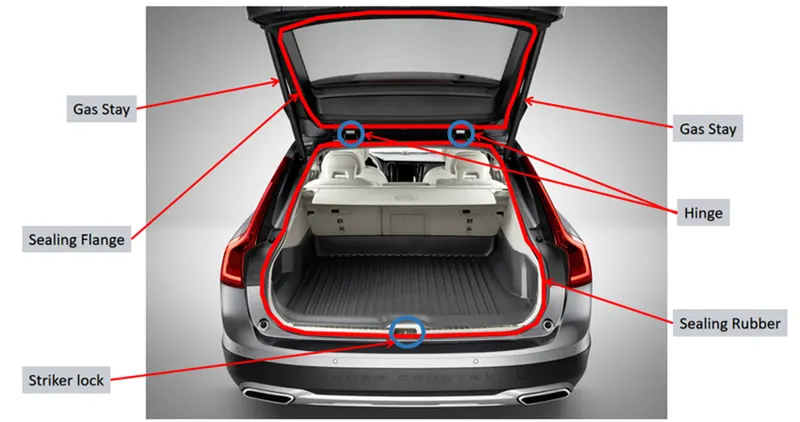
Door Parts given thickness data:
1). Inner Panel – 0.75 mm
2). Outer Panel – 0.75 mm
3). Reinforcement – 1.5 mm
Door Parts given Class ‘A’ surface:
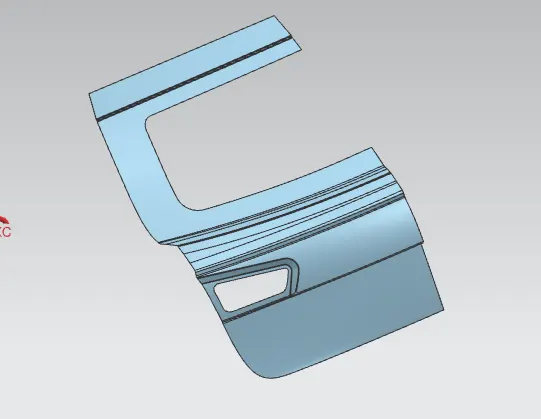
Design Consideration:
- Rear Visibility Criteria: According to this criteria the design of back door should be that it follows the proper visibility for the driver for viewing rear object coming throughout rear wind shield
- Functional requirement of Reinforcement: For opening & Closing the door the all parts design should be that it not failed during operation
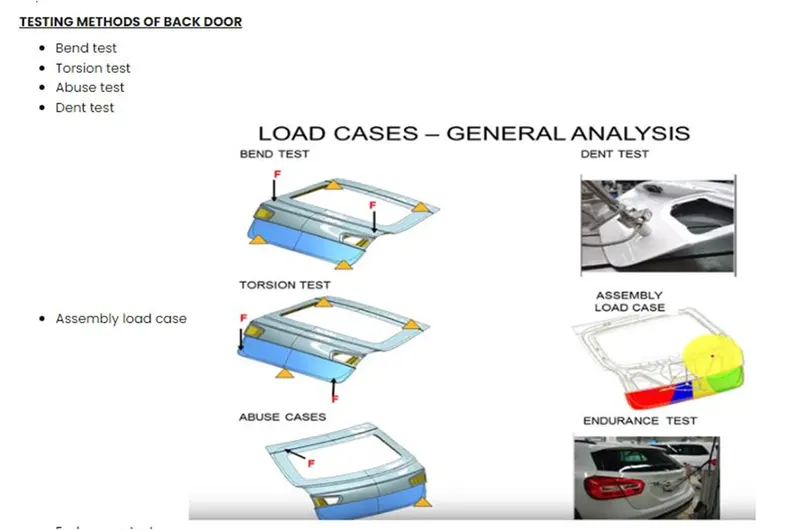
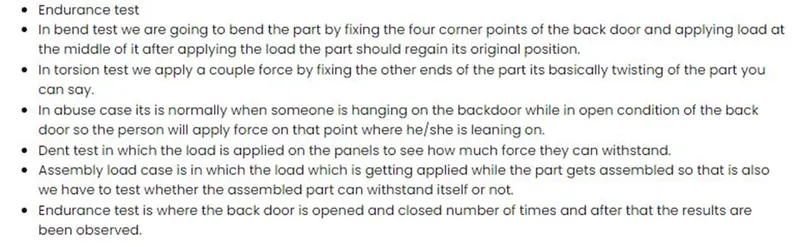
- Bend Test, Torsion Test, Dent test & Endurance requirement :
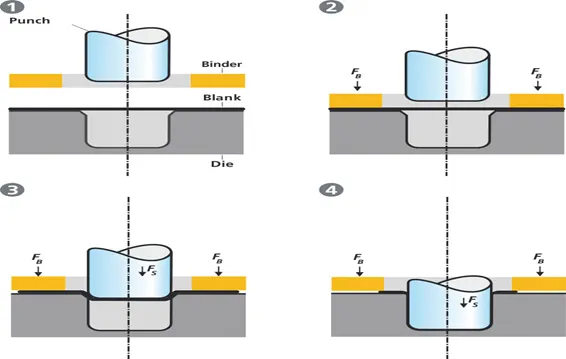
- Draft Analysis: As we know the inner panel was made by deep drawing operation so we need to do the draft analysis by keeping the minimum 7° of positive angle to the panel it is basically show whether your part is going to be produce without creating any hindrance to the punch that is going to return after punching process. So we do draft analysis in the tooling direction.
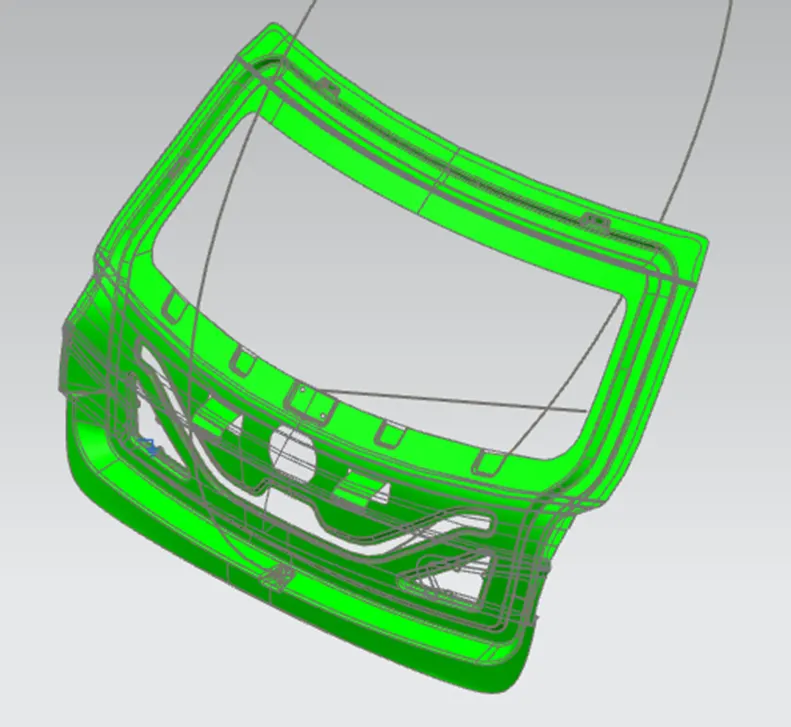
Component of Back Door Assembly:
- Outer Panel: The outer panel is the styling/Classy surface of Back door It consist of two component
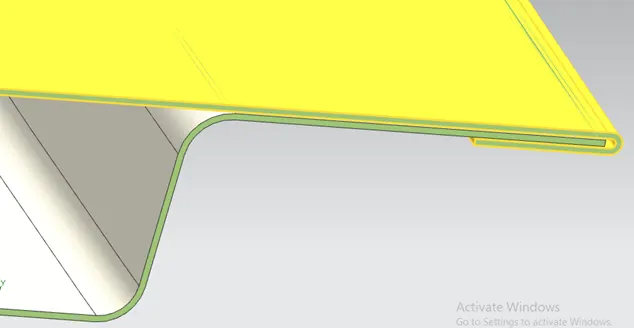
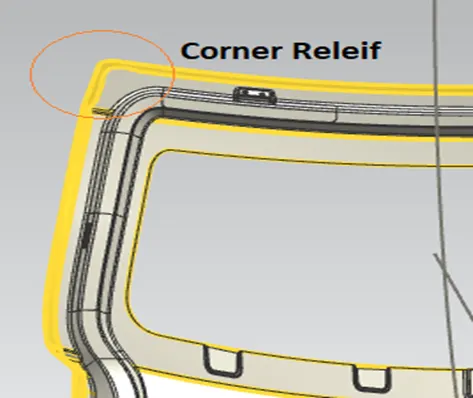
- Outer panel Upper: The Outer upper panel is the extracted part from the styling surface of back door its thickness we keep 0.75 mm. for connecting it with inner panel we provide the hemming with corner relief
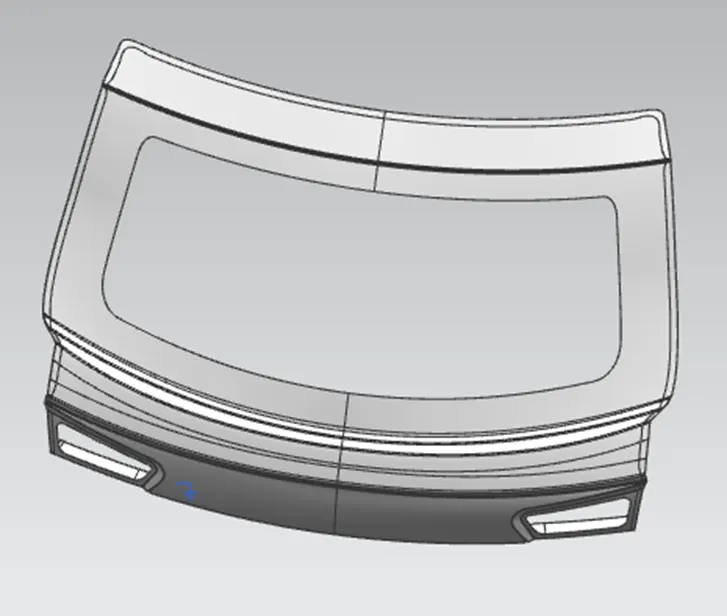
- Outer panel Lower: The Outer Lower panel is the extracted part from the styling surface of back door its thickness we keep 0.75 mm. for connecting it with inner panel we provide the hemming with corner relief
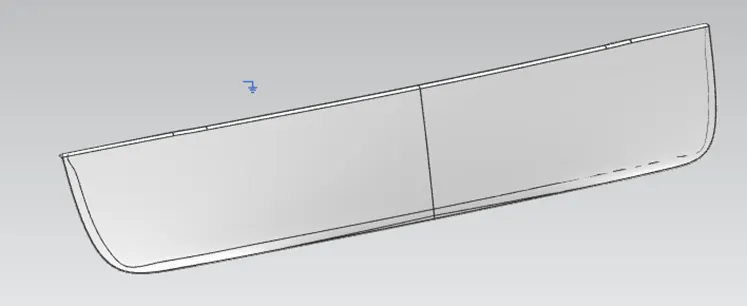
Outer Panel upper & lower:
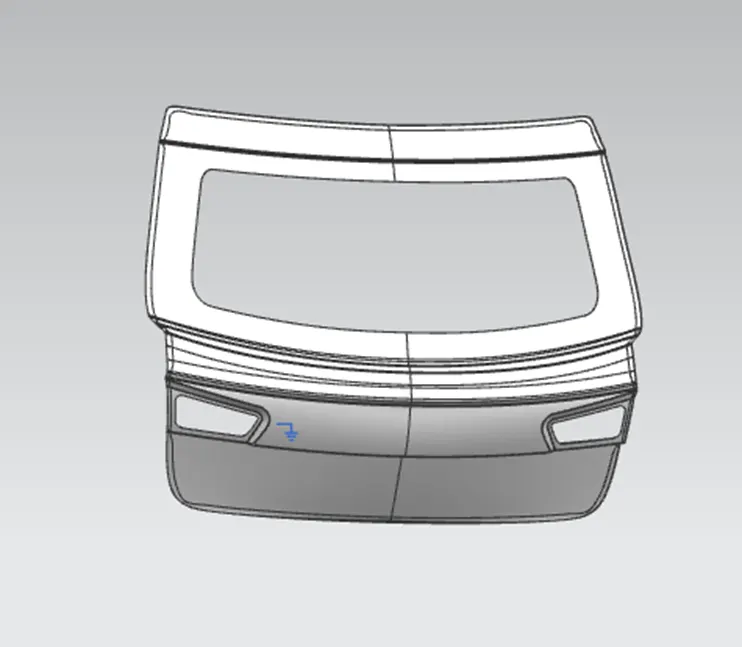
Tooling Direction: The purpose of providing tooling direction is to providing the deep drawing operation for manufacturing the inner panel. In this design we have to rake the Top down Approach.
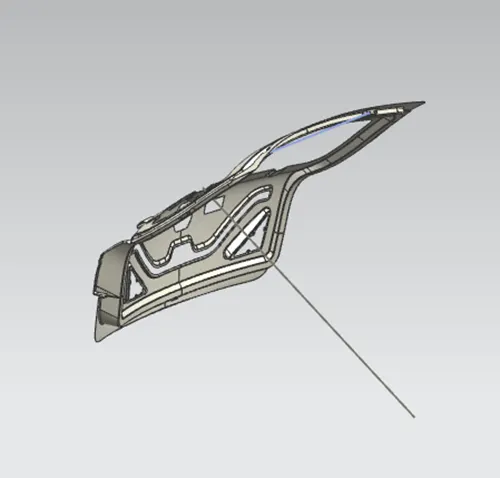
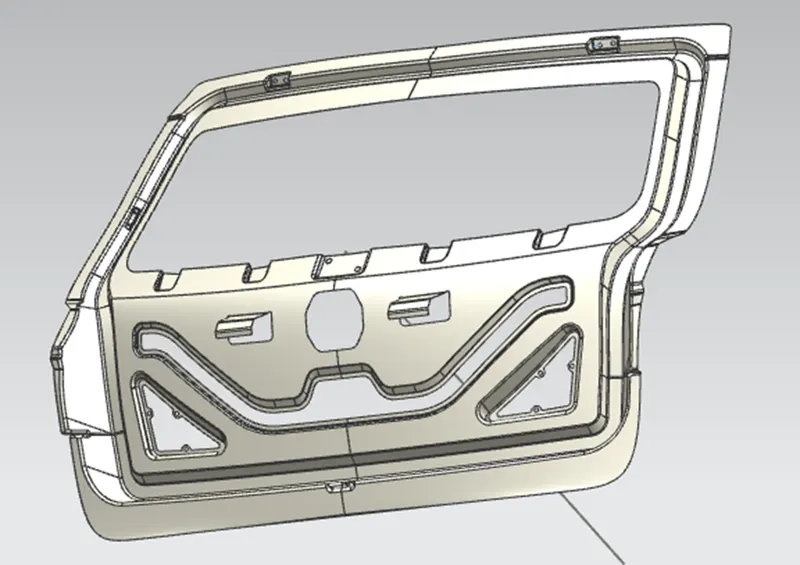
2.Inner Panel: After Making the Tooling direction we have to design the inner panel. In this we first create some flanges and sew together the concept of inner panel design is prepared
3. Reinforcement :
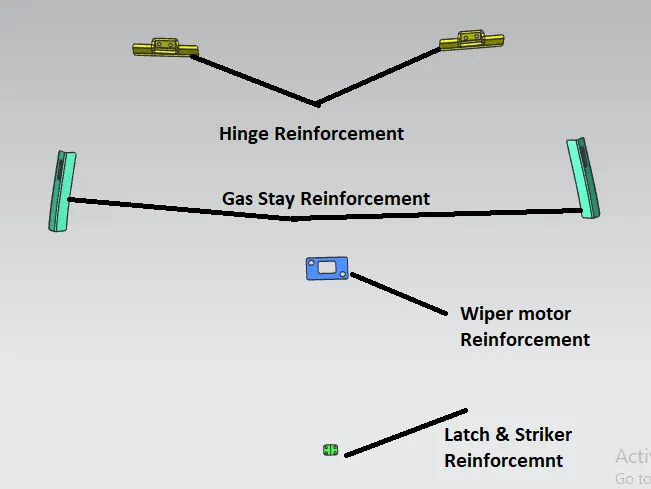
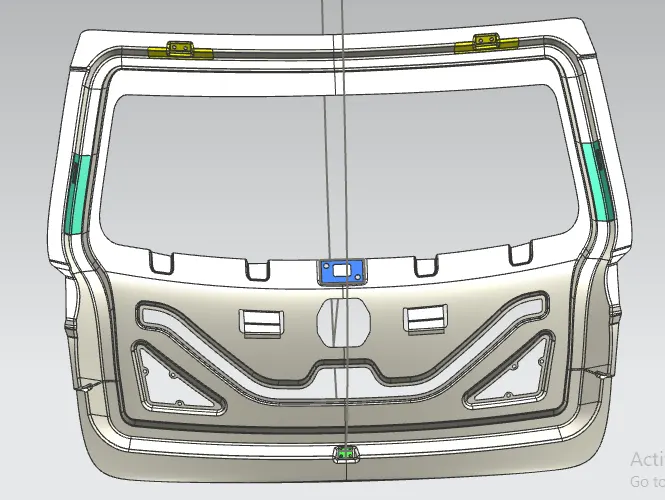
4. Hinge Reinforcement (LH & RH): As we know that when the Tail Gate open & close several time there are some amount of load generated to the panel. So for absorbing this load we provide the some reinforcement to the hinge position.
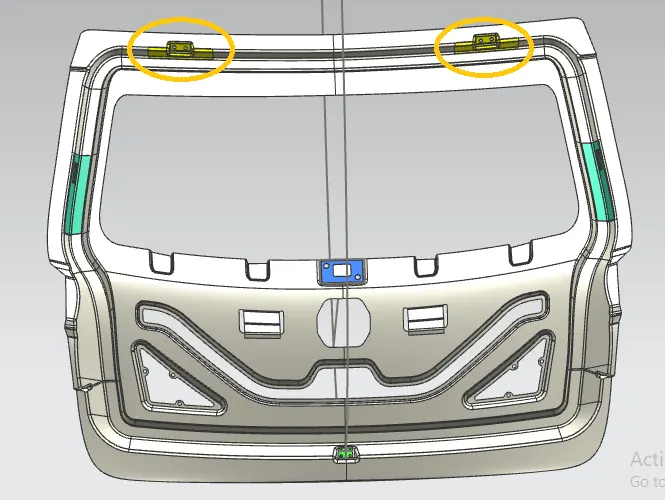
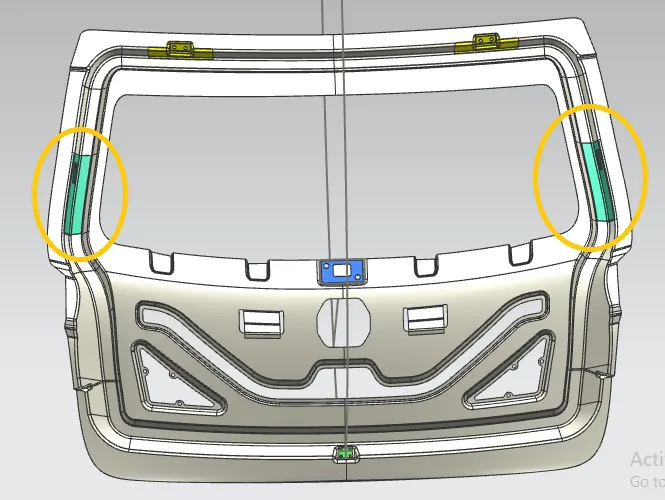
5. Gas Stay Reinforcement: The purpose is same as for the hinges also for protecting from distortion of panel we provide the reinforcement
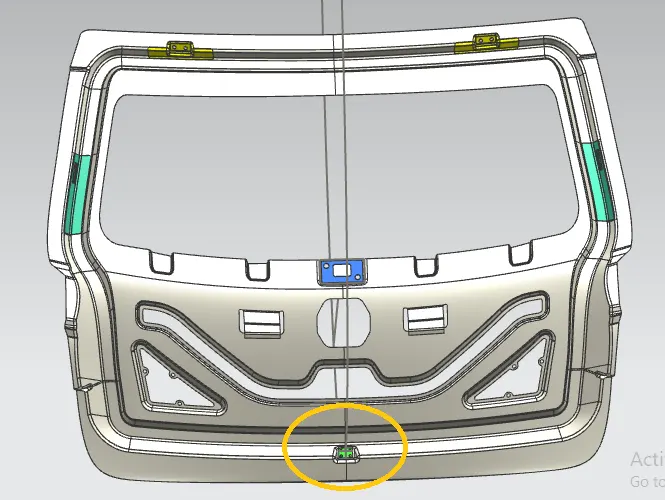
6. Latch & Striker Reinforcement: The purpose is same as for the hinges also for protecting from distortion of panel we provide the reinforcement
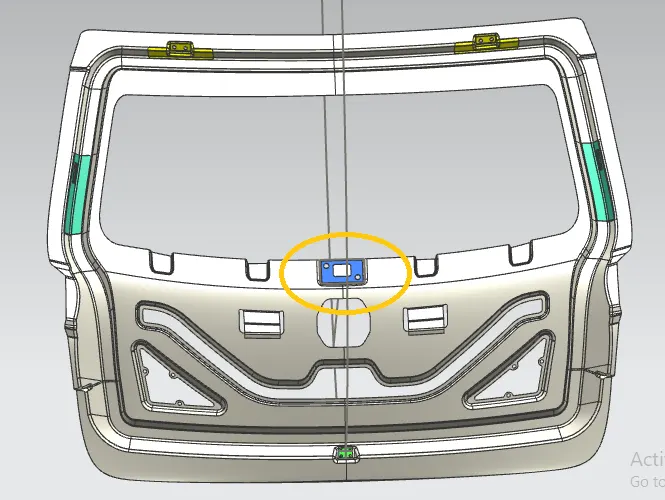
7. Wiper motor reinforcement: For absorbing the load we provide the some reinforcement to the motor mounting position.
Process used in the Back door Manufacturing:
- Deep Drawing: Deep drawing is a sheet metal forming process in which a sheet metal blank is radially drawn into a forming die by the mechanical action of a punch. The process is considered "deep" drawing when the depth of the drawn part exceeds its
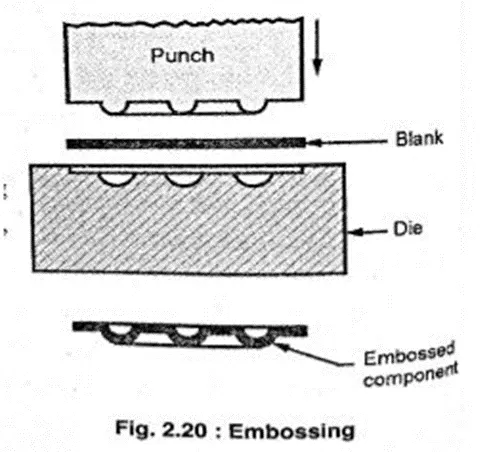
2. Embossing: Sheet metal embossingis a stamping process for producing raised or sunken designs or relief in sheet metal. This process can be made by means of matched male and female roller dies, or by passing sheet or a strip of metal between rolls of the desired pattern
The Purpose of providing embossing is that whenever if there are sudden impact on surface of sheet metal then first contact surface will be embossed surface after that will be the main panel surface so it provide the strength as well as protect directly impact of main surface
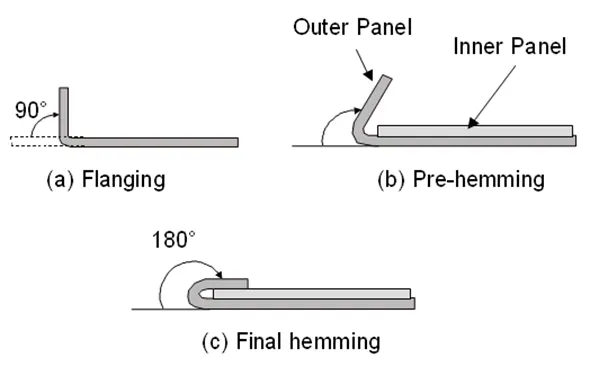
3. Hemming: Hemming is a sheet metal forming process in which sheets are joined by bending it to 180°. Automotive body panels and automotive parts such as deck-lids, trunk-lids, doors, hoods and tailgates are formed by hemming process. In this process, usually a sheet is bent with the help of inner sheet in three different stages.
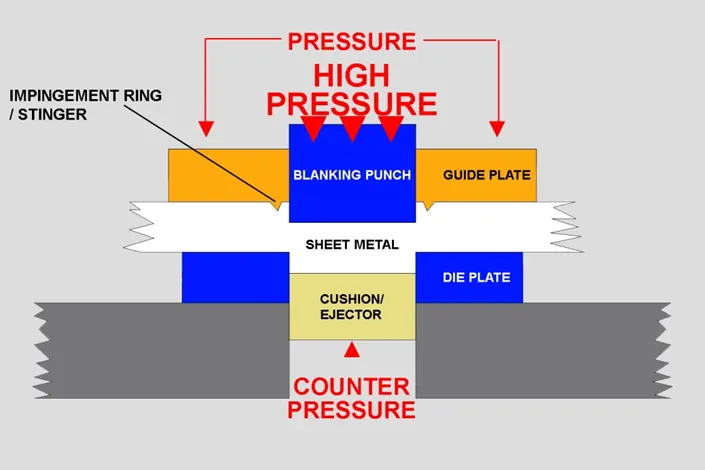
4. Blanking: Blanking is a steel manufacturing process in which a flat, geometric shape (or “blank”) is created by feeding a coil of sheet metal into a press and die. In this process the blank is punched out from large metal sheet. Here is visual depiction of this process
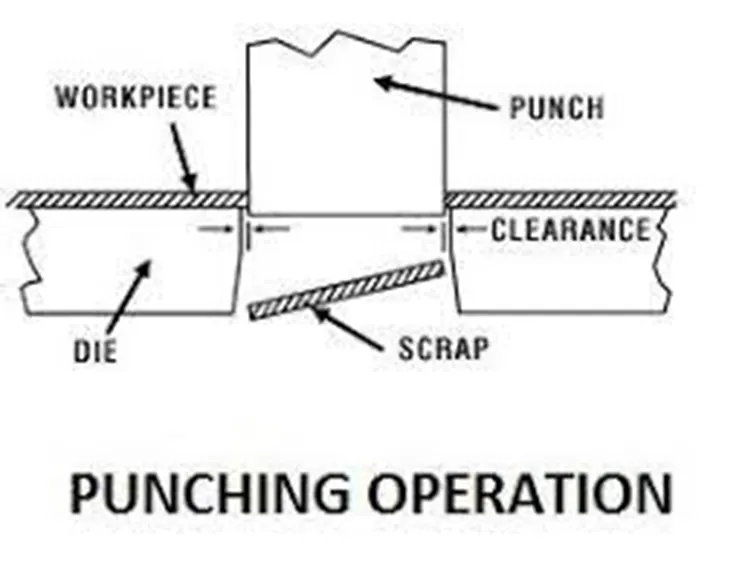
5. Punching: Sheet metal punchingis a cutting process in which material is removed from a piece of sheet metal by applying a great enough shearing force.
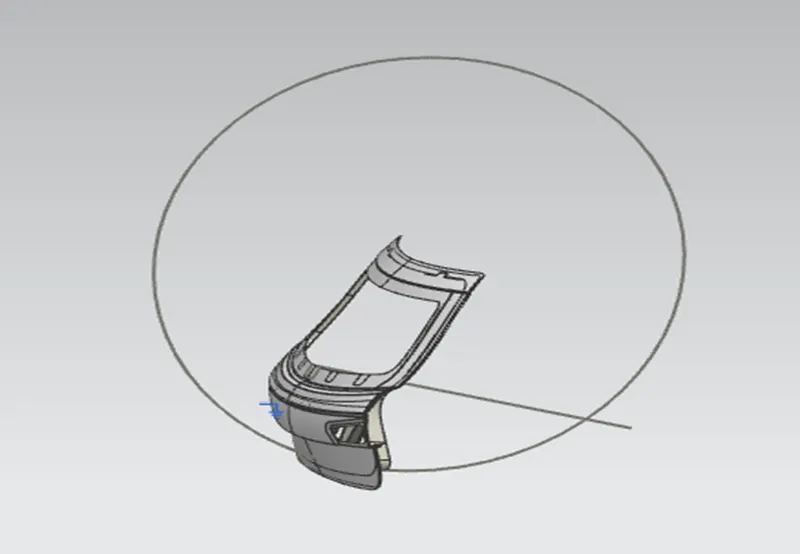
Back Door Assembly with Outer upper & lower panel, Inner Panel, Hinge Reinforcement, Gas Stay Reinforcement, Wiper Motor Reinforcement & latch striker Reinforcement:
Conclusion: Thus i had completed the design of back door outer panel assembly by taking some input data like Class A Surface (non repaired surface), Some thickness data of outer as well as inner panel & thicknes data of reinforcement