Design of backdoor
Title- Back door design
Objective- Design and develop the back door using given class A surface, also design reinforcement for Hinge, gas stay, latch and viper mount
Introduction- The car's backdoor provides access to the boot space, which can be used to store luggage, spare wheels, and other items. These doors can be manually operated or electrically driven. The majority of high-end vehicles are electric.
The back door, also known as the 'Hatch,' 'Tailgate,' 'Trunk-lid,' or 'Boot-door,' is the fifth door in a four-door vehicle. It's the area at the back of the house. the car that allows access to the trunk and features wiper motor mounts, tail lamps, and hinges to support its weight when it is openedlocation, gas stays that aid in opening and closing it, radars and cameras, and so on.
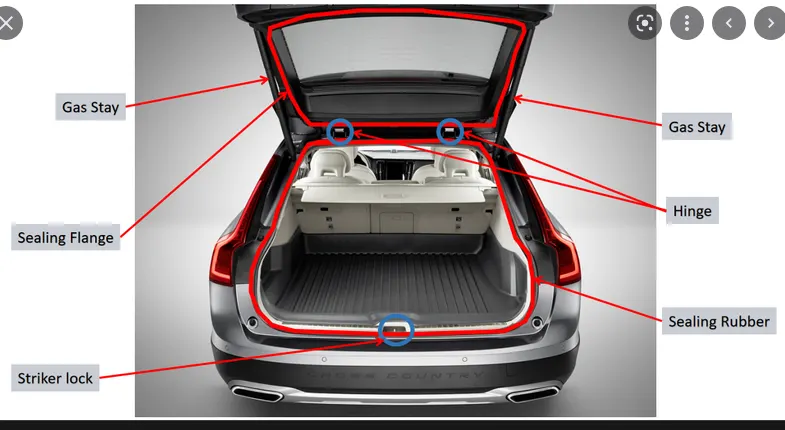
A backdoor is usually made up of 1 inner panel and 2 or 3 outer panels joined together by hemming and spot welding wherever necessary. The material used for the backdoor differs depending on the vehicle's pricing range. Steel is used in the majority of low-cost automobiles because it is less expensive, and parts are stamped using molds. These pieces are typically of uniform thickness, with reinforcements applied where necessary to improve local strength. Aluminum parts are used in luxury automobiles, and they are normally die cast, so they can have varying thicknesses. This eliminates the need for reinforcements, resulting in even reduced weight due to the decreased weight of aluminum parts. Aluminum, on the other hand, is more expensive than steel, so its use in less expensive vehicles is limited.
DESIGN CONSIDERATION FOR BACKDOOR INNER PANEL:
- Rear Visibility.
- Support structures like hinges and gas stays.
- Mounts for wiper motor, tail lamps, and other wiring loops.
- Fit and clearances.
- Boot space
- Rear crash regulations and requirements.
- Sealing and its functions.
- Joining techniques like hemming, spot welding etc.
REINFORCEMENTS:
As mentioned for local strengthening reinforcements are usually provided. Instead of making the whole panel off a thicker sheet, a thinner sheet with thicker local reinforcements wherever needed is preferred. The reinforcements are usually 1-1.5mm thick whereas The panel itself is 0.55- 1 mm thick.
Backdoor parts thickness value used in this design:
- Outer panel - 0.75 mm
- Inner panel - 0.75 mm
- Reinforcements - 1.5 mm
COMPONENTS OF BACKDOOR-
Inner panel
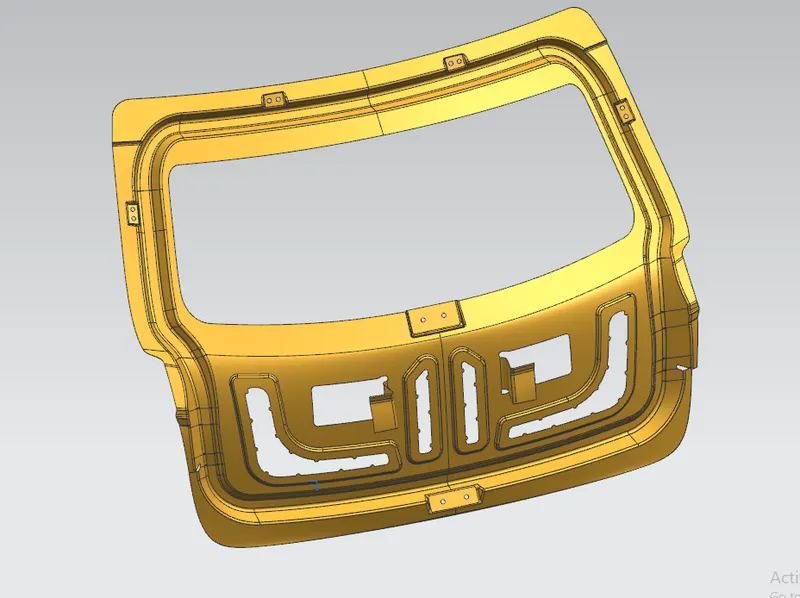
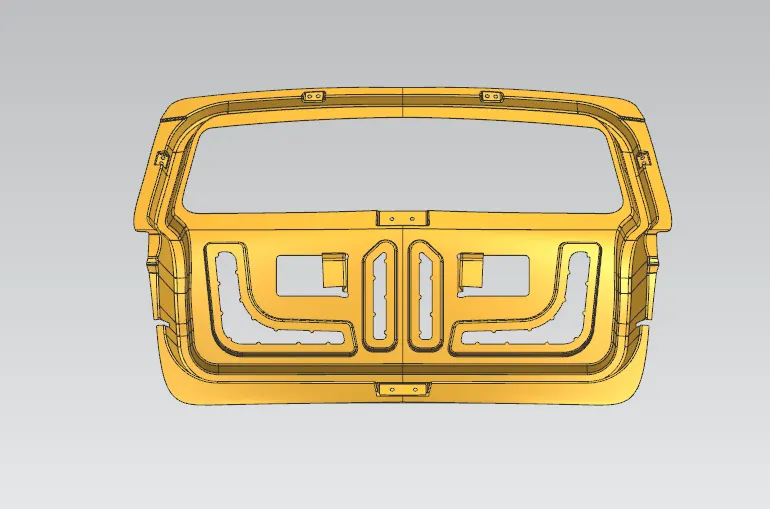
Hemming
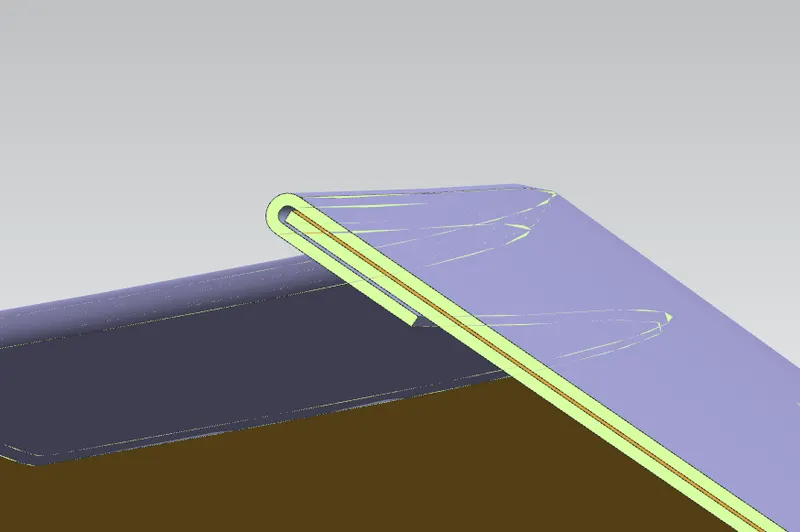
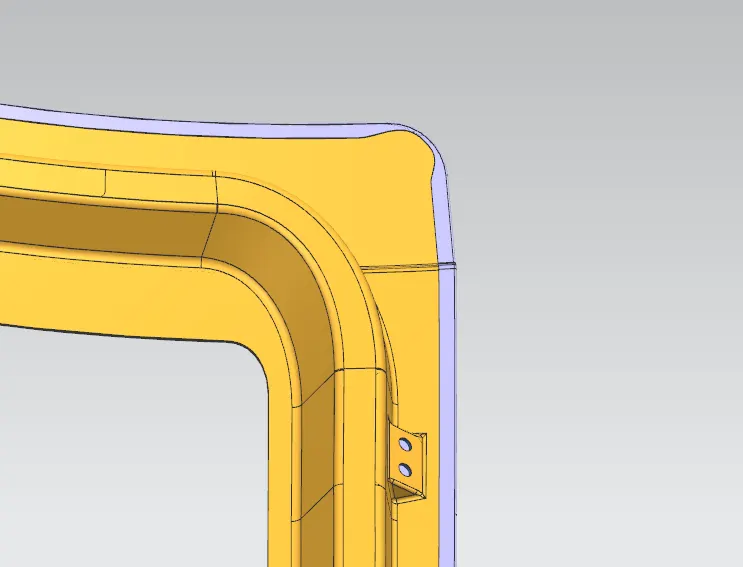
Outer panel upper
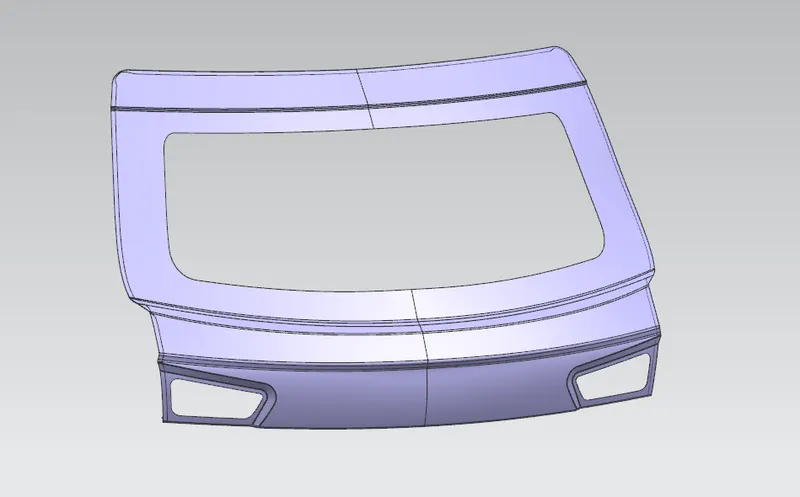
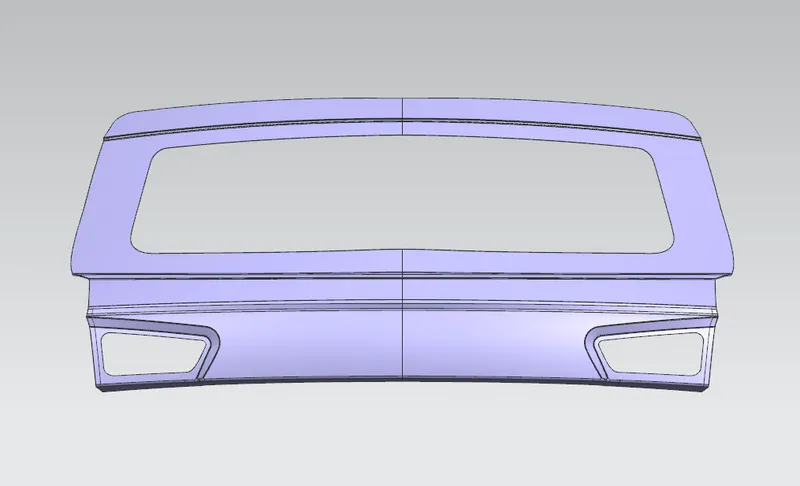
Outer panel lower
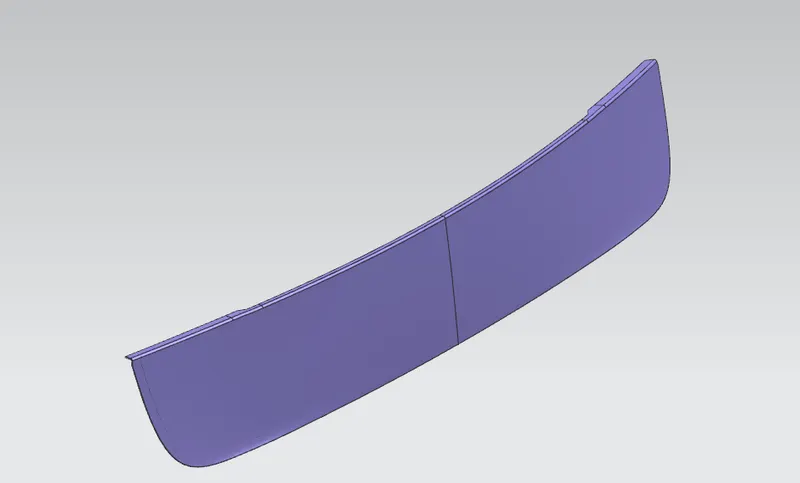
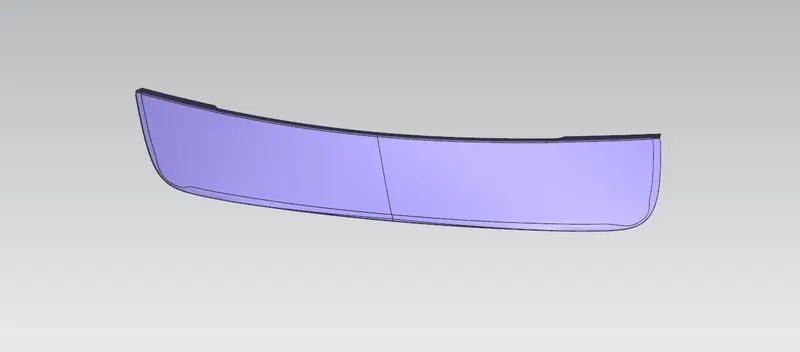
Hinge reinforcement LH
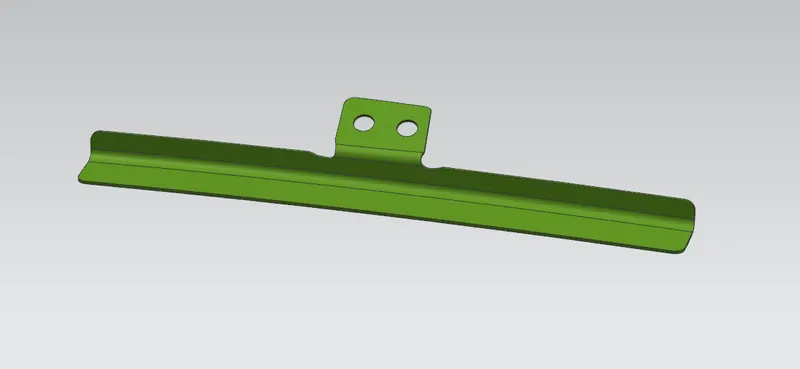
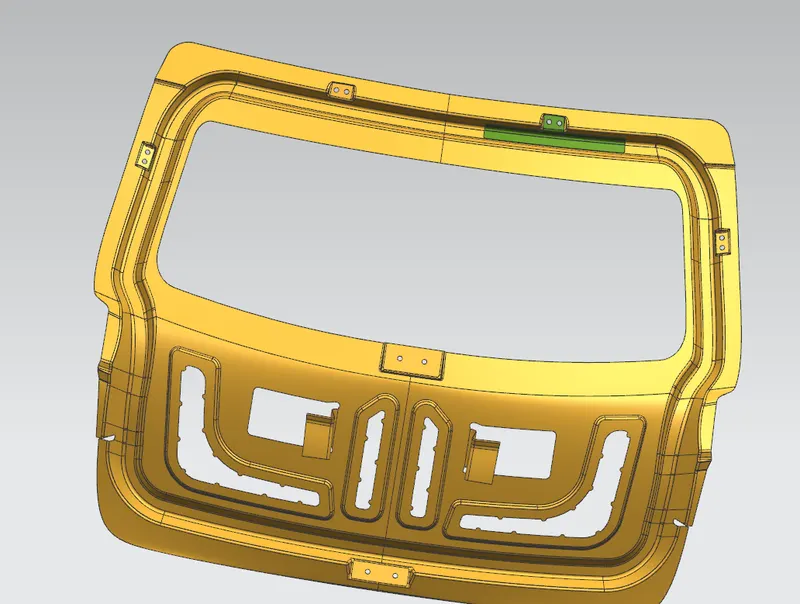
Hinge reinforcement RH
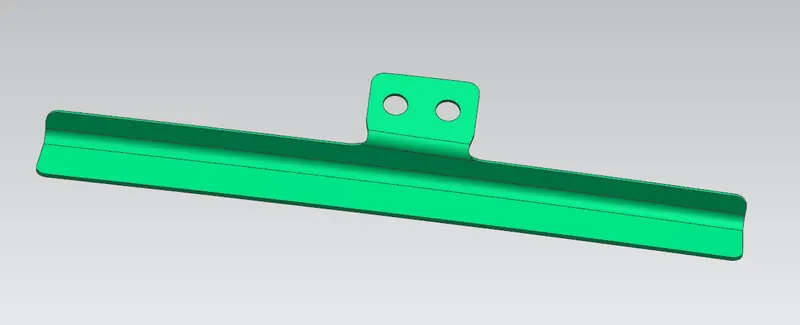
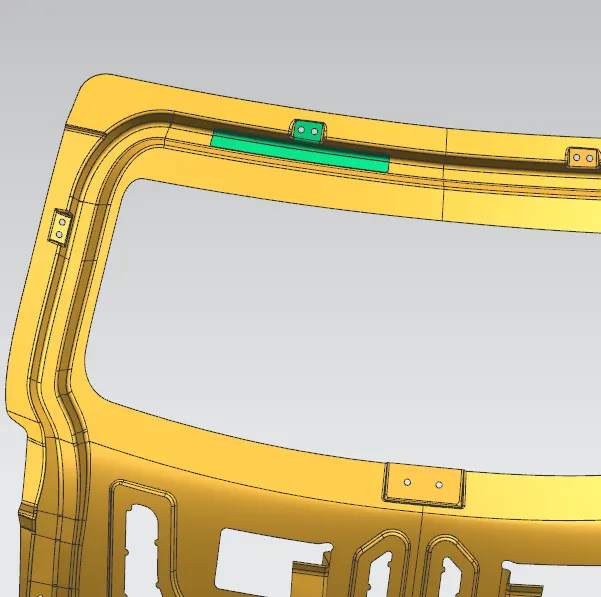
Gas stay reinforcement LH
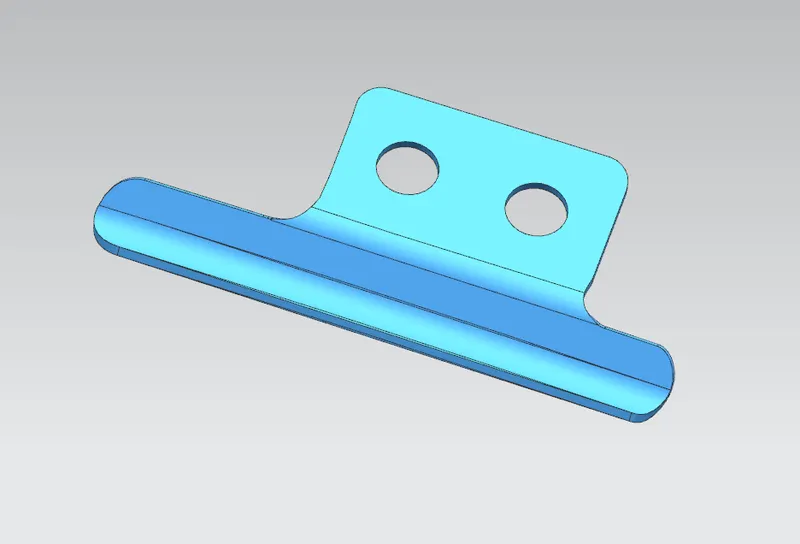
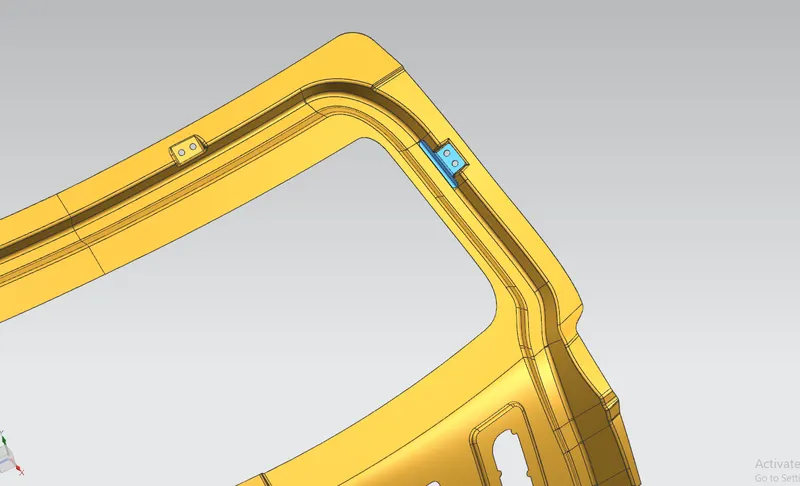
Gas stay reinforcement RH
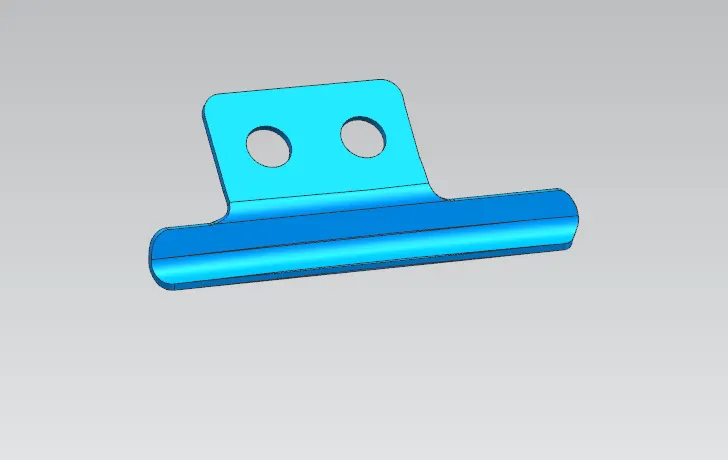
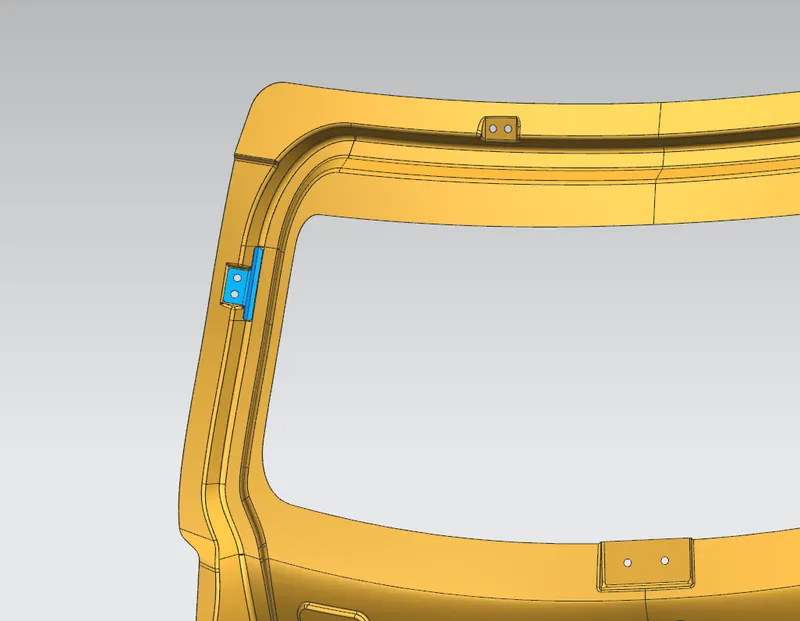
Wiper motor reinforcement
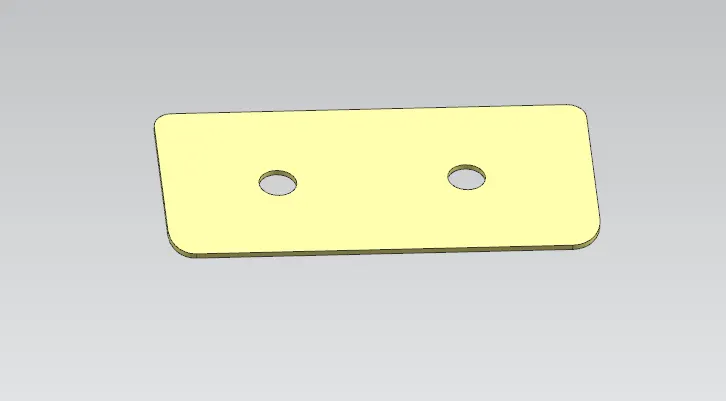
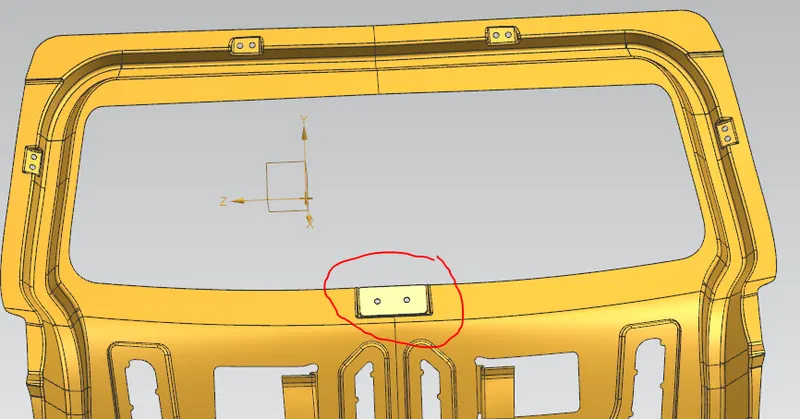
Latch reinforcement
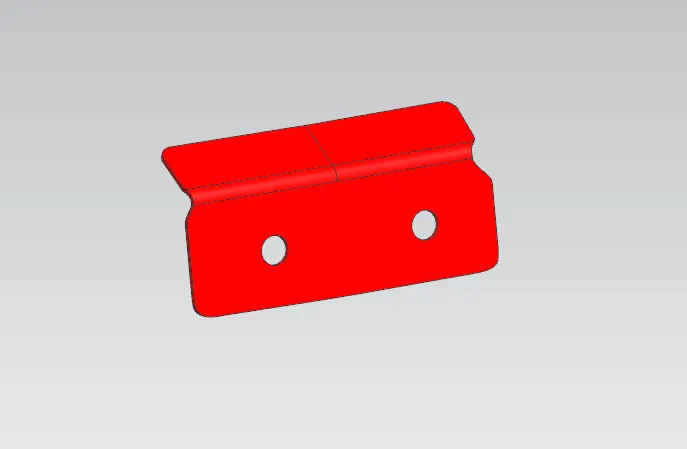
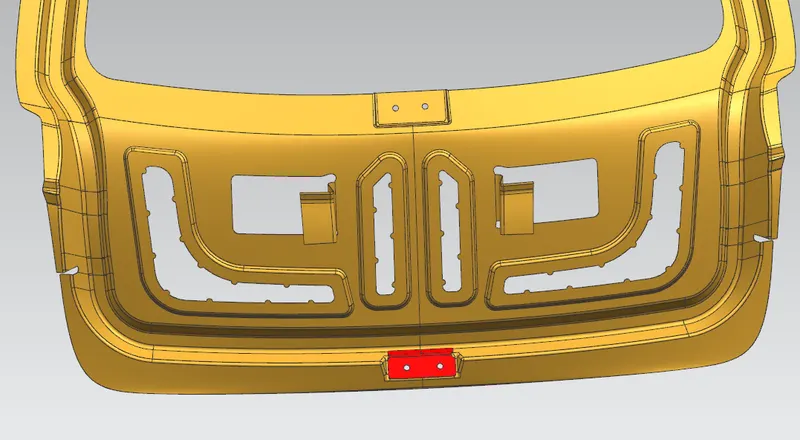
Draft Analysis
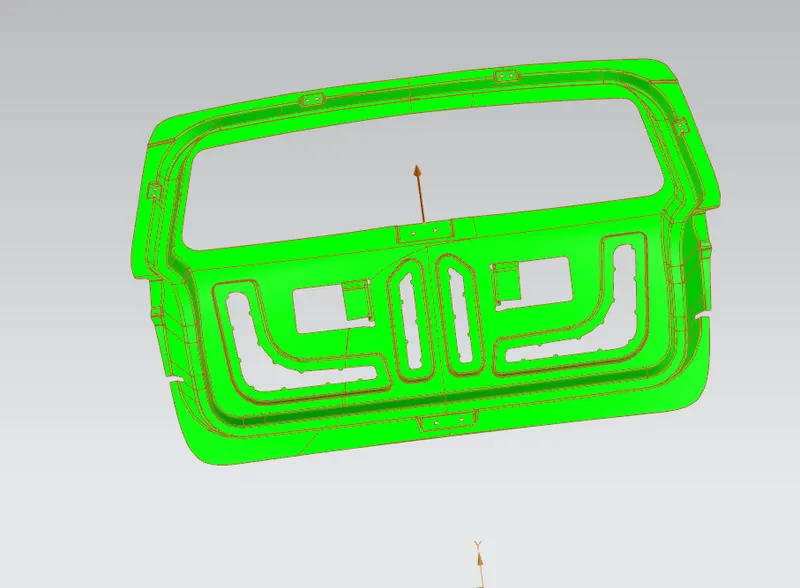
Conclusion-
So as per the objective the backdoor is designed for the given panel.