Design of backdoor
BACK DOOR DESIGN
Back Door Panel:
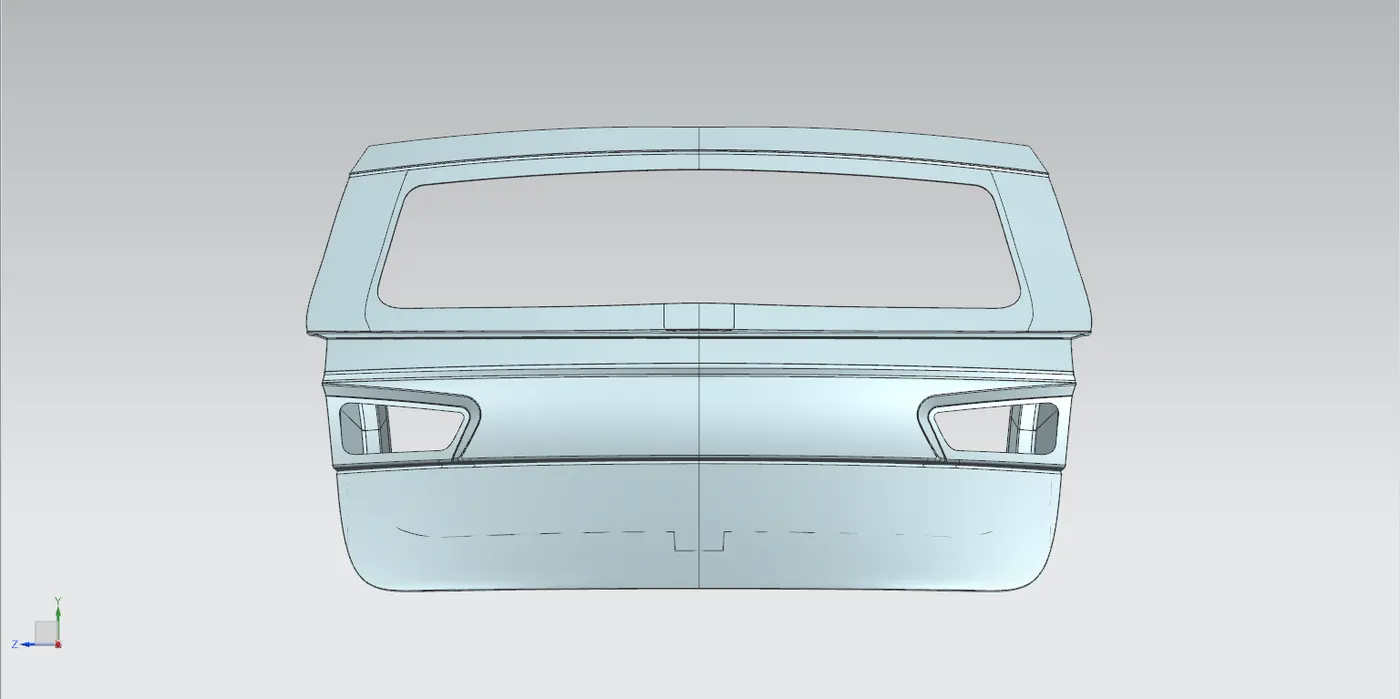
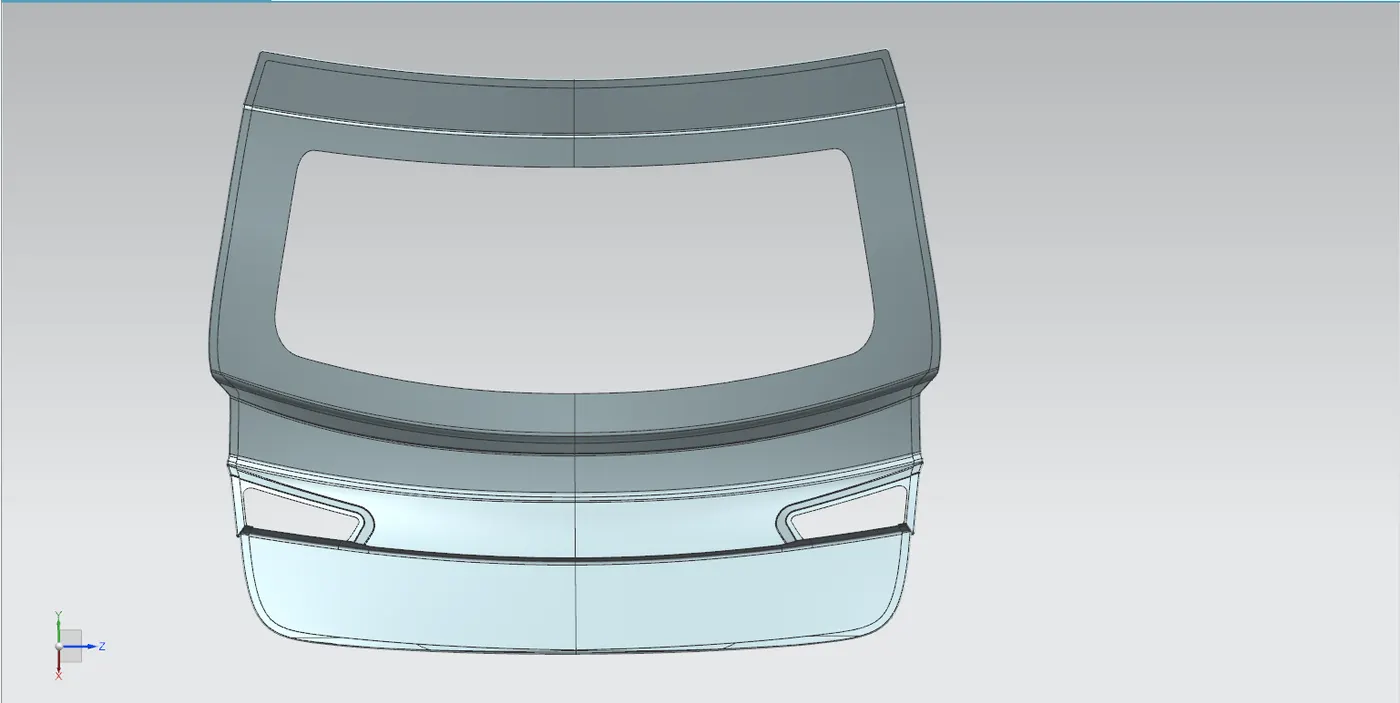
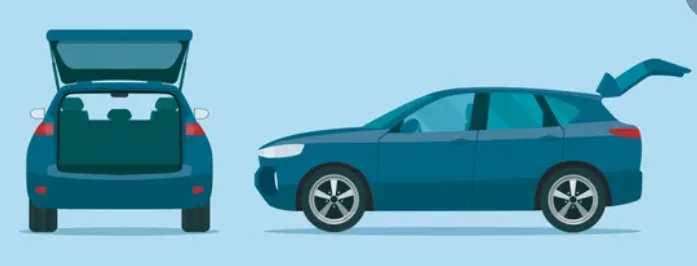
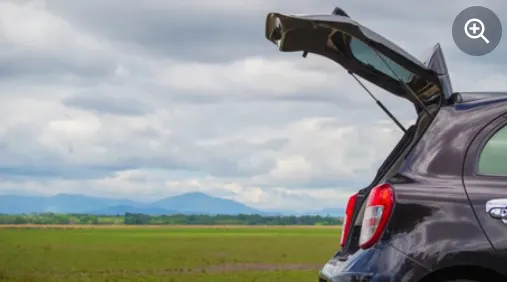
The back door panel, the d-pillar, is the outermost component of the car and a part of the 5-door hatch. The design is made up is for a tailgate a coin termed for the back door assembly for SUVs' and hatchbacks. Interior of it is the car speakers, luggage housing facilities etc while the car exterior has the tail lights, indicator lights, registration plates, gas stay and the rear windshield.
COMPONENTS INVOLVED IN THE DESIGN:
As in general for any BIW fixture rear hatch also has an inner panel and an outer panel. In the inner panel the hinge reinforcement, gas stay locator, mastic addition, latch striker positioning, reinforcment embosses etc. The inner and outer panels are joined together through a mechanical process, hemming. So in general, there are
- Inner panel
- Outer panel
- Gas stay reinforcement
- Hinge reinforcement
- Latch striker position
Class A surface:
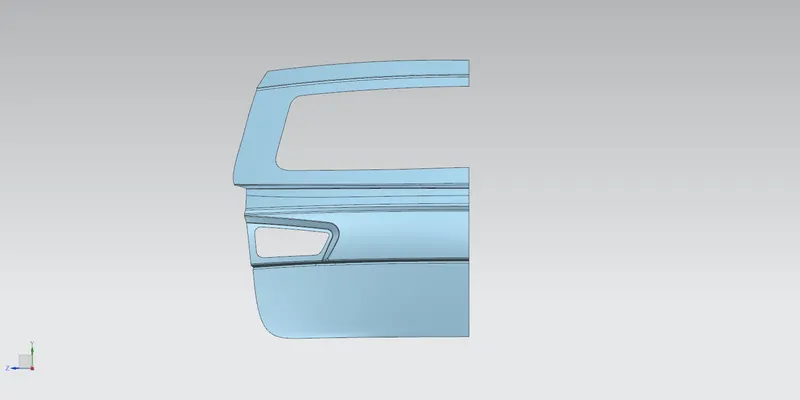
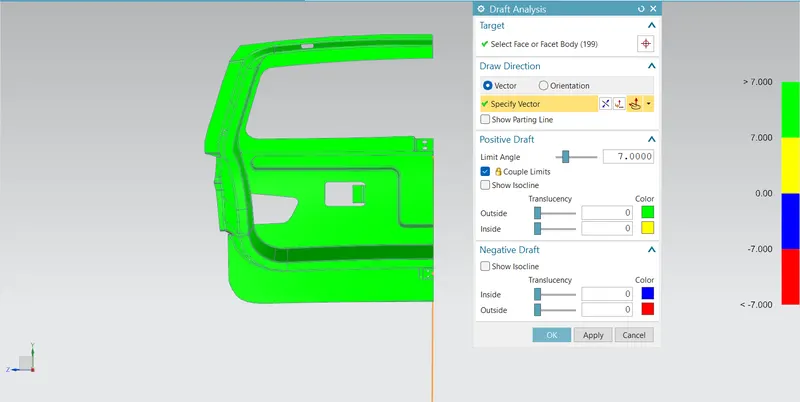
The class A surface from the stying team is analysed for any surface corrections to be made and the flatness, surface continuity are inspected and the tooling direction and undercuts if required any are carried out initially. In the given inner panel there were some correction ove surfaces carried out to ensure the continuity and intersecting faces.
INNER PANEL:
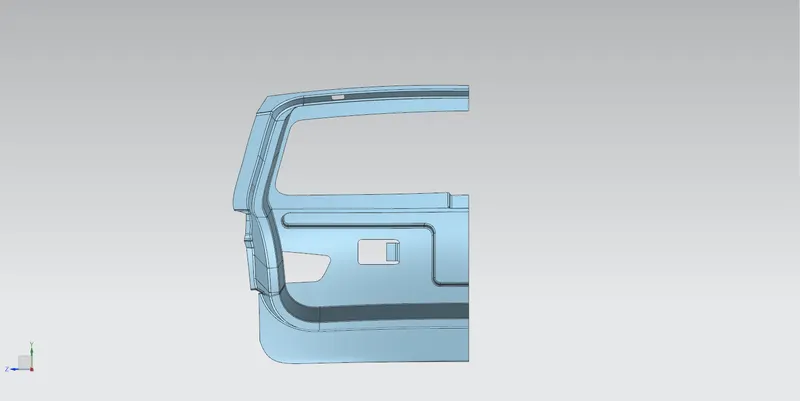
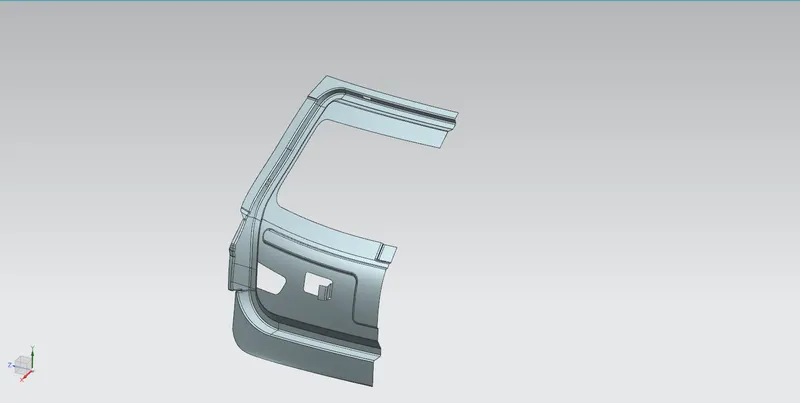
The inner panel is provided with reinforcements and embosses and relief areas. The inner panel is designed with its structural rigidity and load bearing capacity while the outer panel being for the styling, look and feel purposes. Initially, the inner panel is obtained by offsetting the outer panel. Then the sealing flange is created to the inner panel, this flange seals the gaps between the panel and the BIW restricting the micr dust, water splash and rainwater entering into the car interior.
The sealing flange extracted from the offset surface of the class A surface.
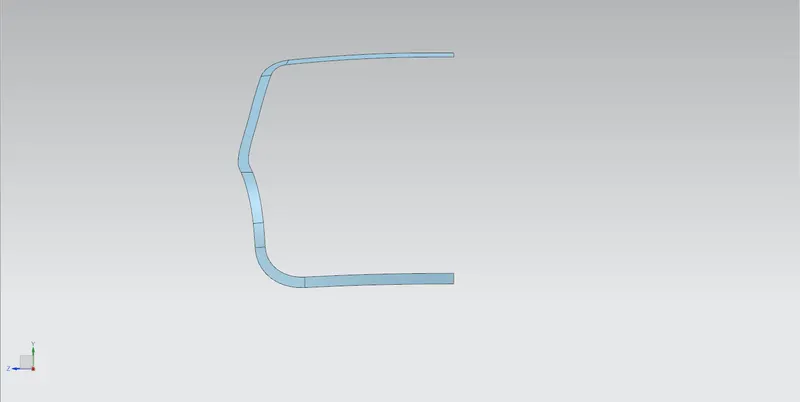
Which is then connected to the inner using the connecting flange
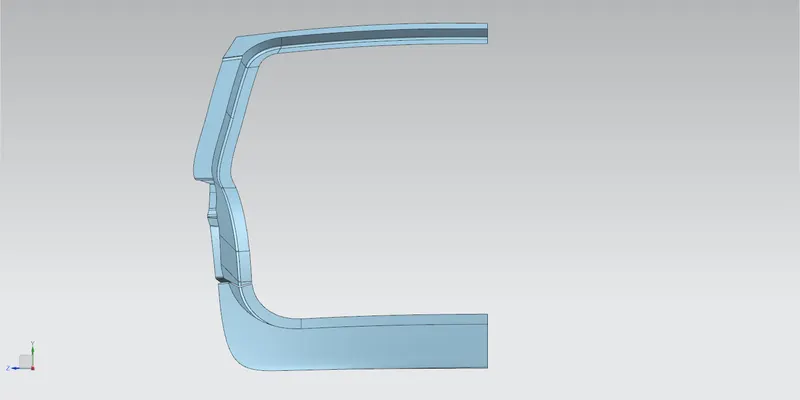
The inner panel with the sealing flange connected via the connecting flange and cut section for the tail lamp positioning.
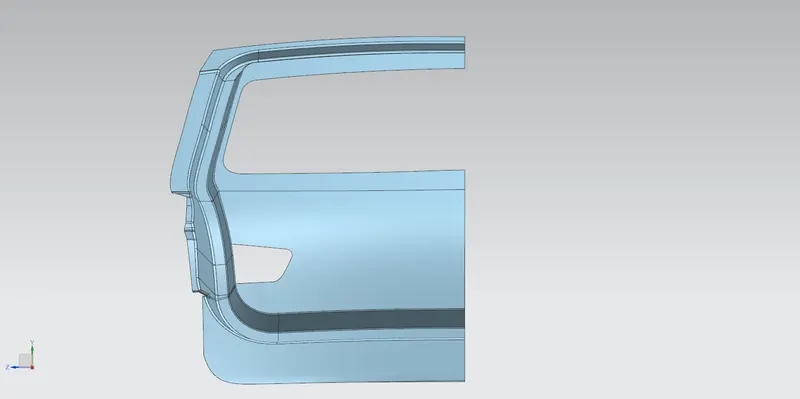
Considering the widened and continuous surface of the panel in this region there is a flange extended between the panels and sealed wiht mastic data to improve the collision bearing nature of the tailgate.
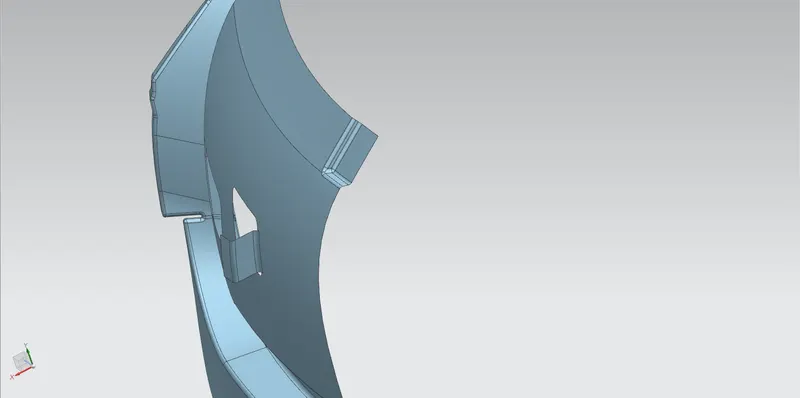
Emboss definitions are provided at the inner panel.
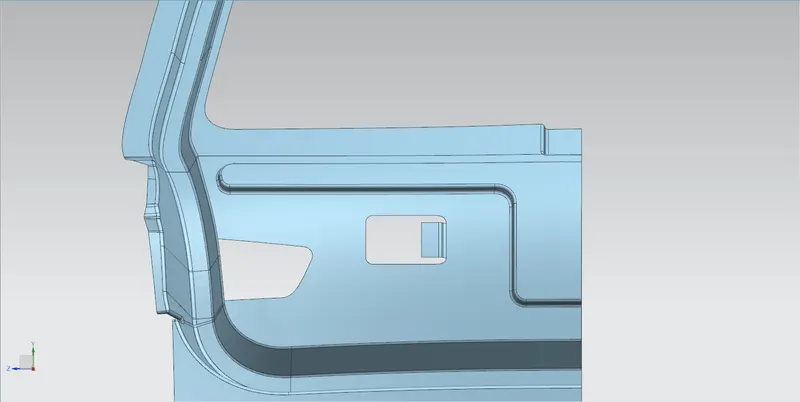
Hinge and gas stay relief cut sections are provided for the positioning their respective reinforcement.
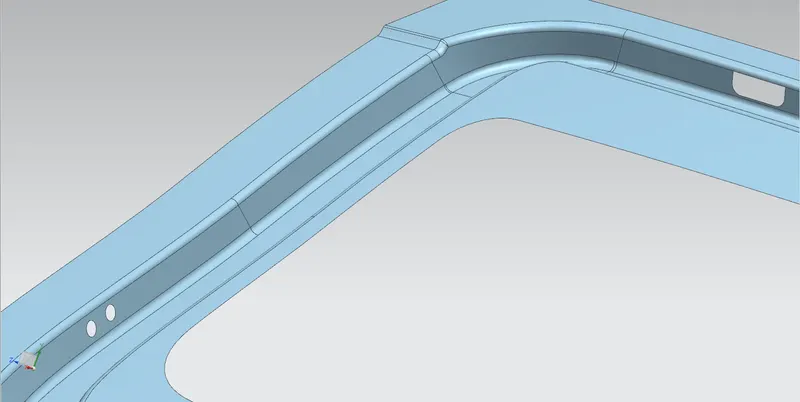
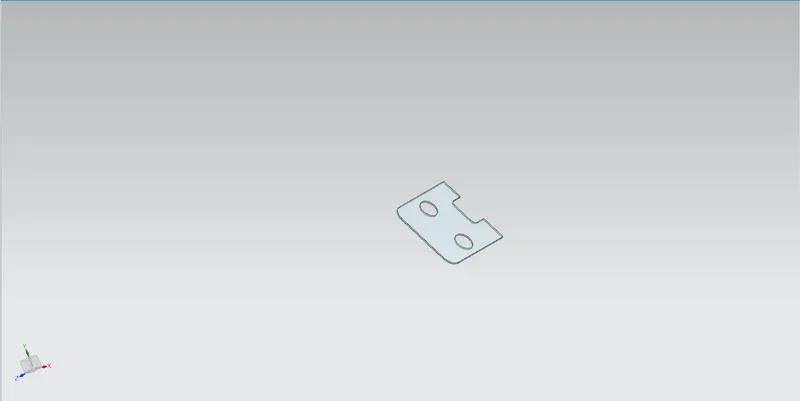
Hinge reinforcement
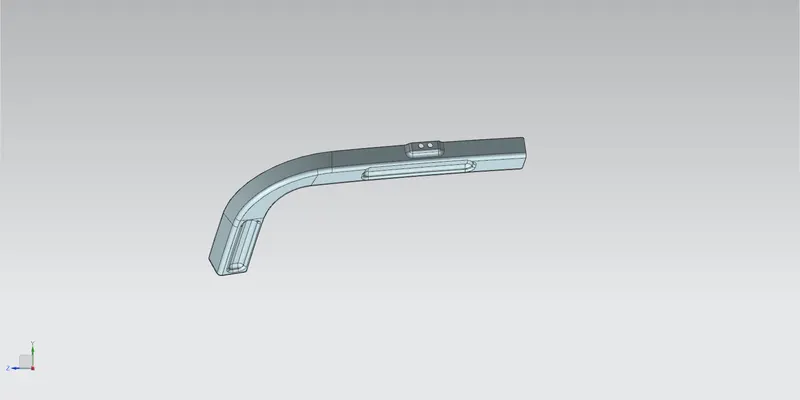
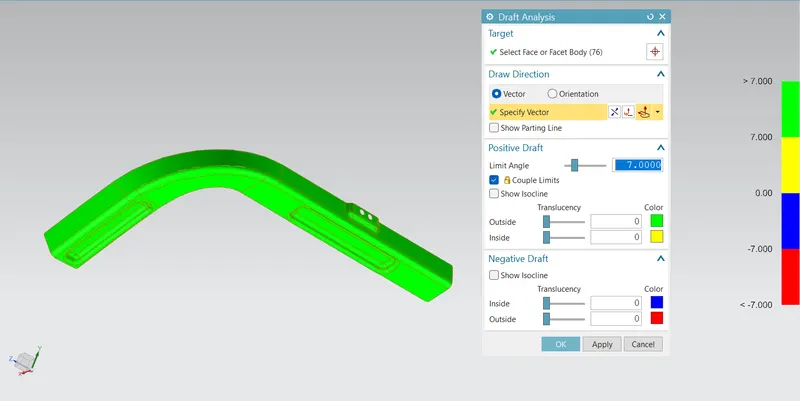
Reinforcement for gas stay
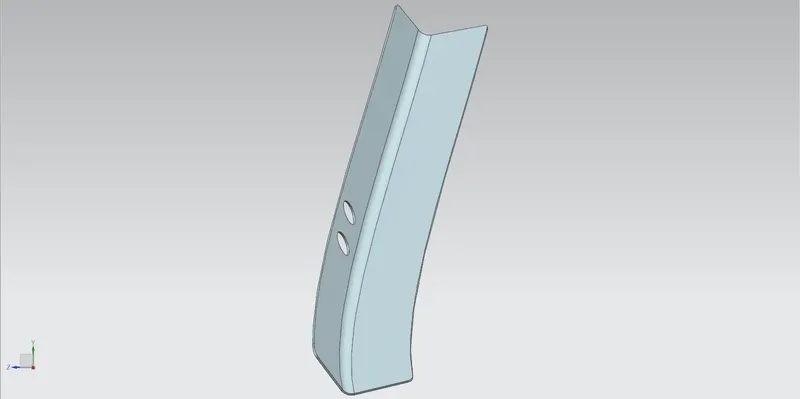
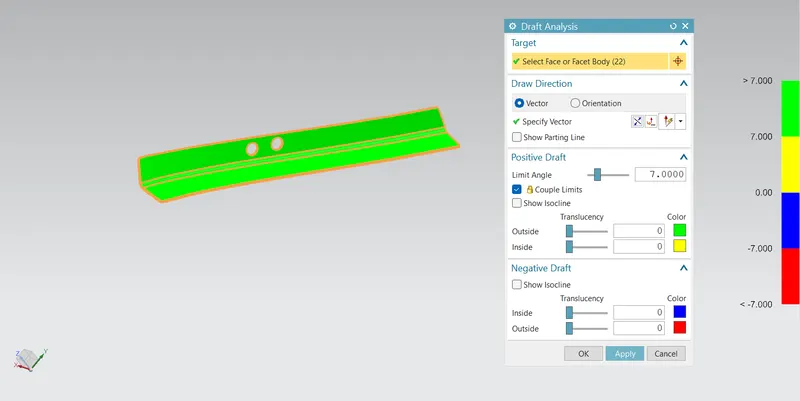
Viper motor reinforcement
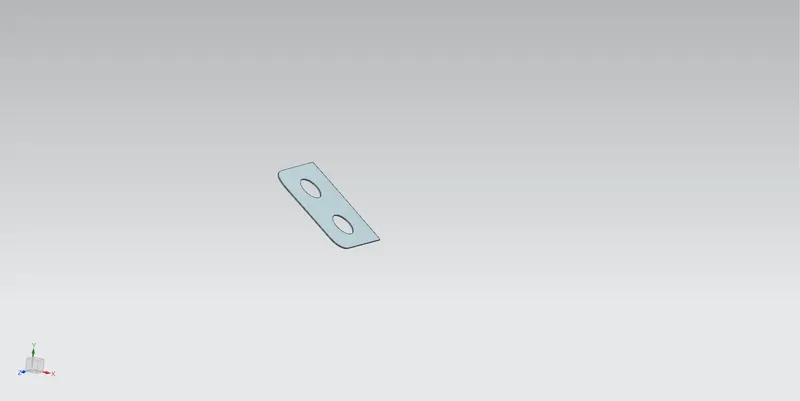
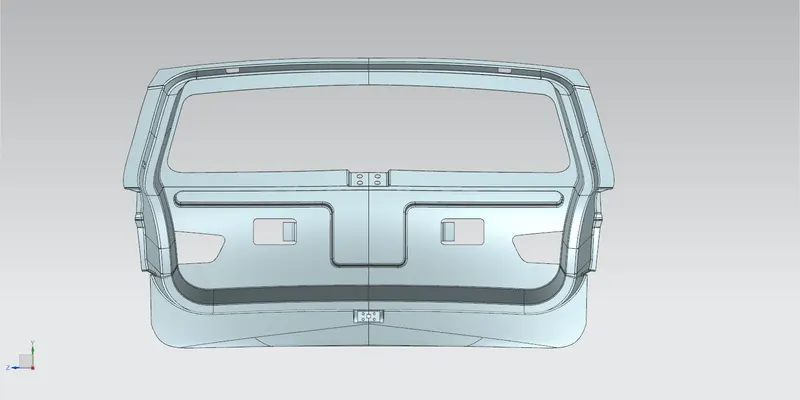
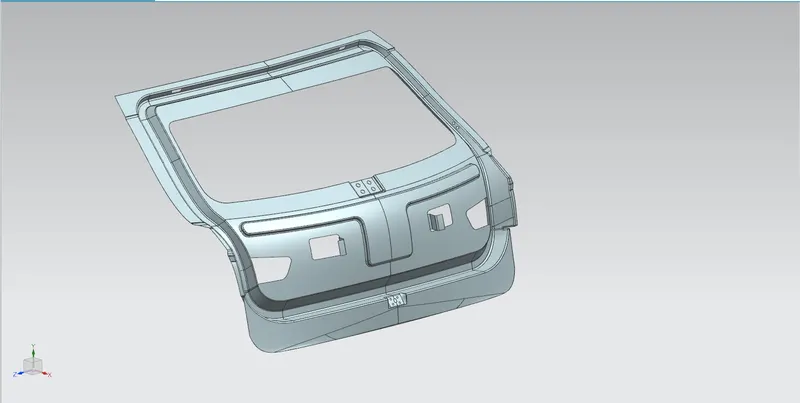
Inner panel
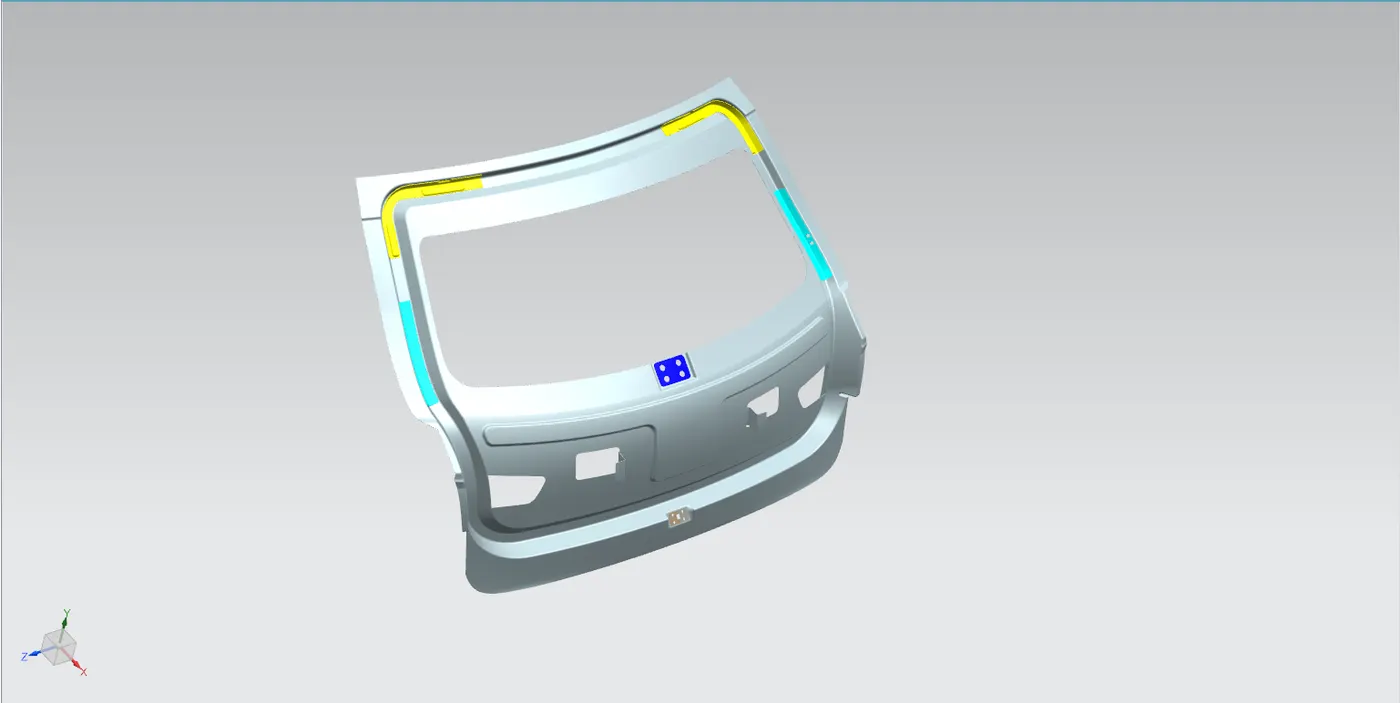
Inner and outer panel
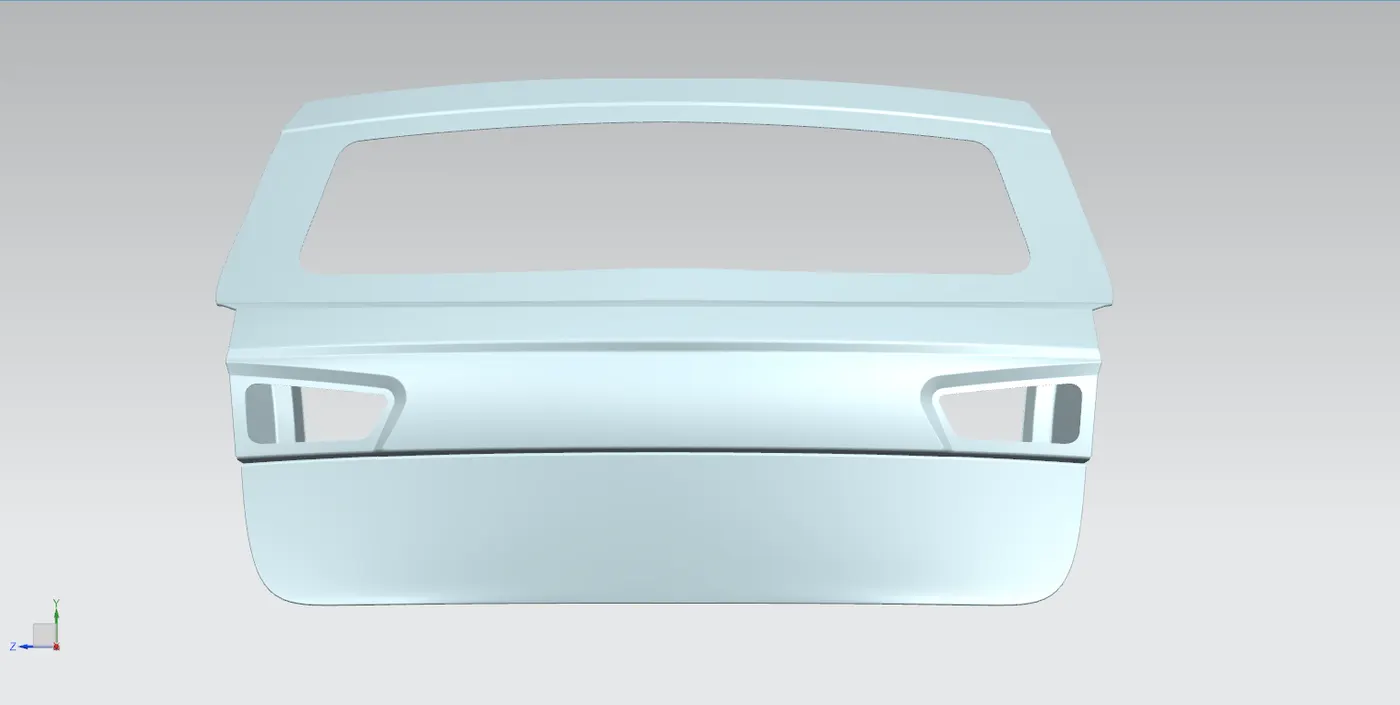
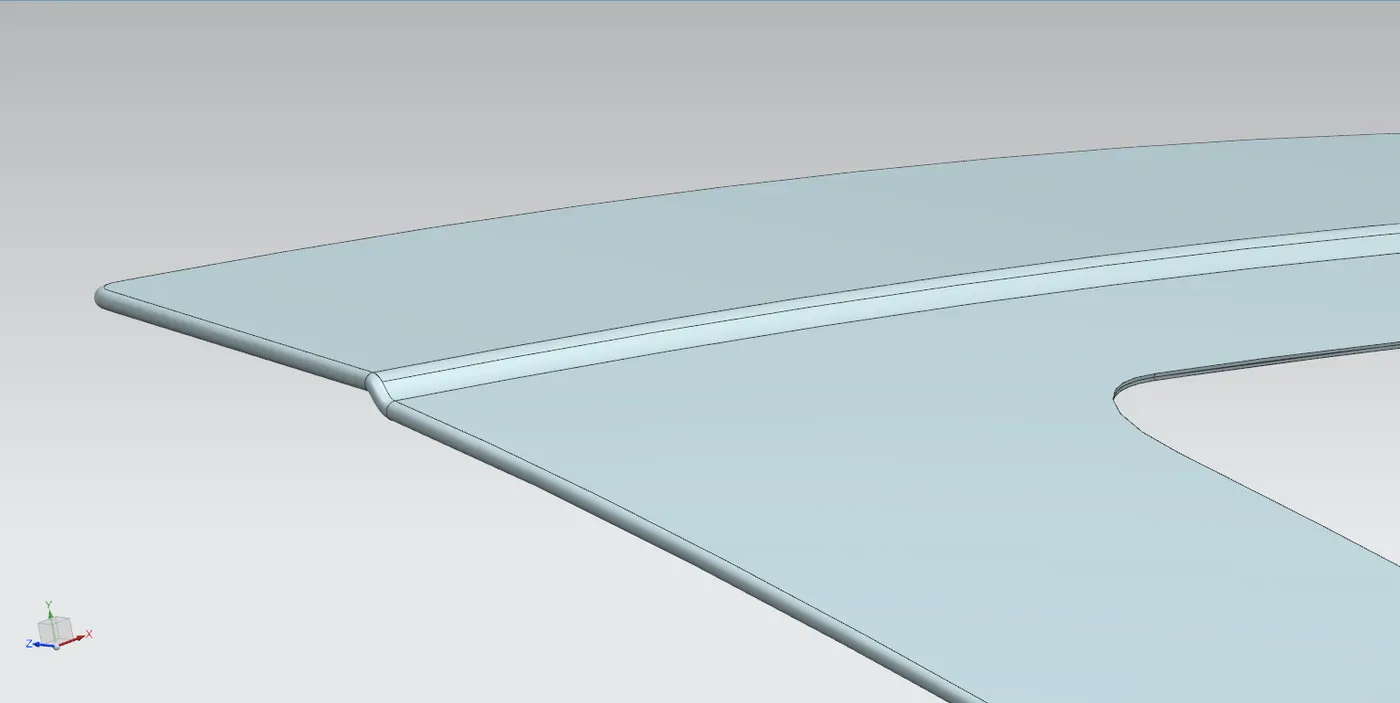
Hemming
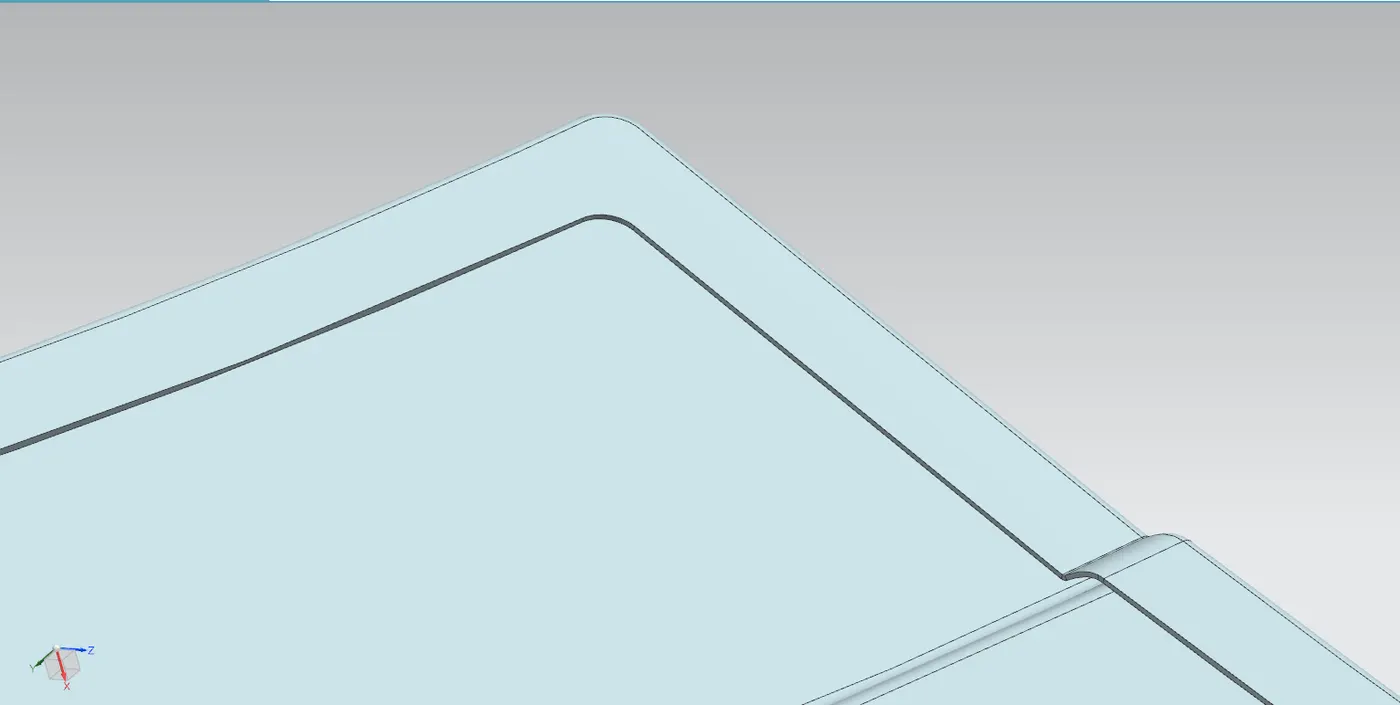
Outer panel with hemming