Design of backdoor
BACKDOOR DESIGN
The backdoor, also known as the tailgate, is the section of the car that opens upwards, downwards, or laterally to provide access to the luggage compartment or seating area. The backdoor of most cars opens upwards. The backdoor is hinged to the roof, with a gas stay support fixed on the body side exterior to hold it open.
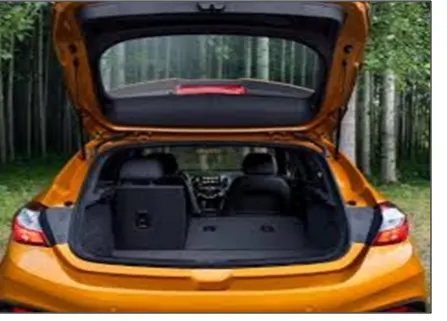
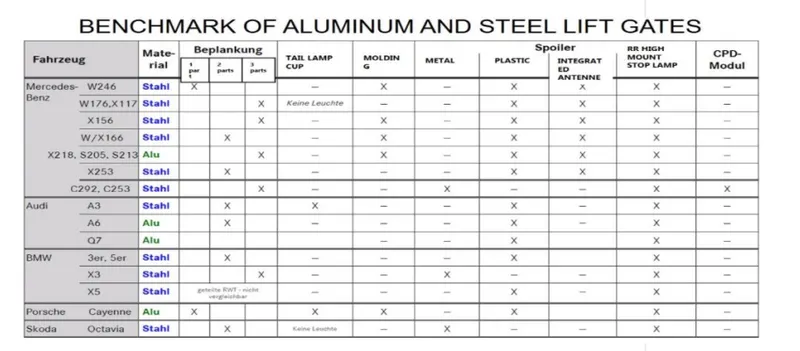
The backdoor of an automobile is primarily made of steel, however recently aluminum is also used to make the panels.
The fundamental advantage of aluminum over steel is that it has a lower density than steel, which reduces the overall weight of the vehicle. However, aluminum is more expensive than steel.
The main parts of the backdoor are:
Outer Panel
Inner Panel
Hinge Reinforcement
Gas Stay Reinforcement
Wiper Motor Reinforcement
Latch and Striker Reinforcement
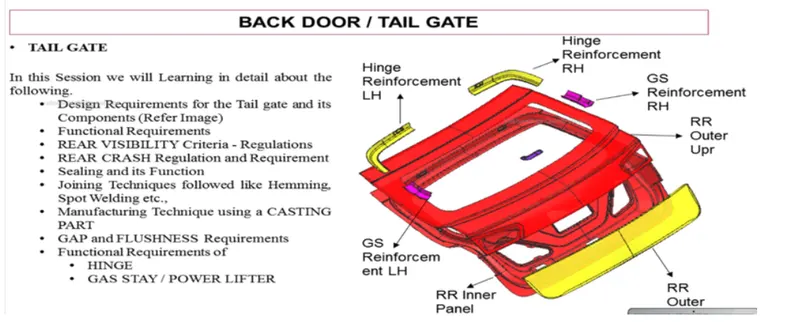
Door parts thickness is given below
1. Outer Panel - 0.75 mm
2. Inner Panel - 0.75 mm
3. Reinforcements - 1.5 mm
Input Class A
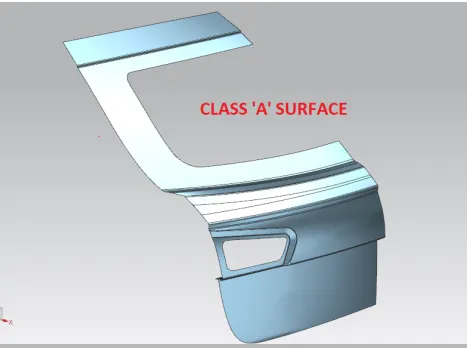
The smoothness of the given surfaces must be corrected. The door is divided into two portions after the surfaces have been repaired: Door Outer Upper and Door Lower Panel.
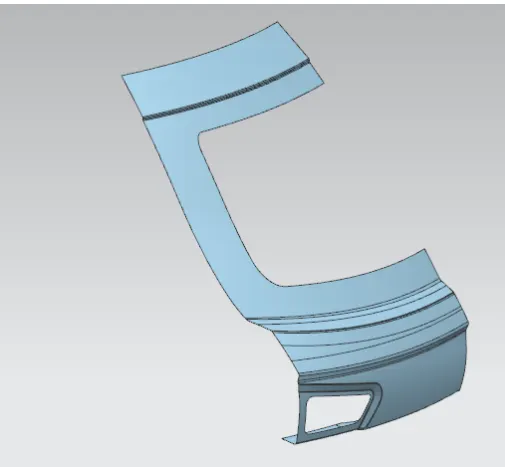
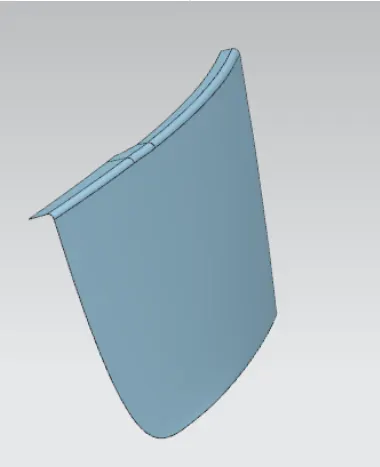
For the Deep drawing procedure, we must first build the Tooling direction. It demonstrates that all processes, such as embossing, are carried out while keeping this vector orientation in mind, which will aid in the manufacture of the part.
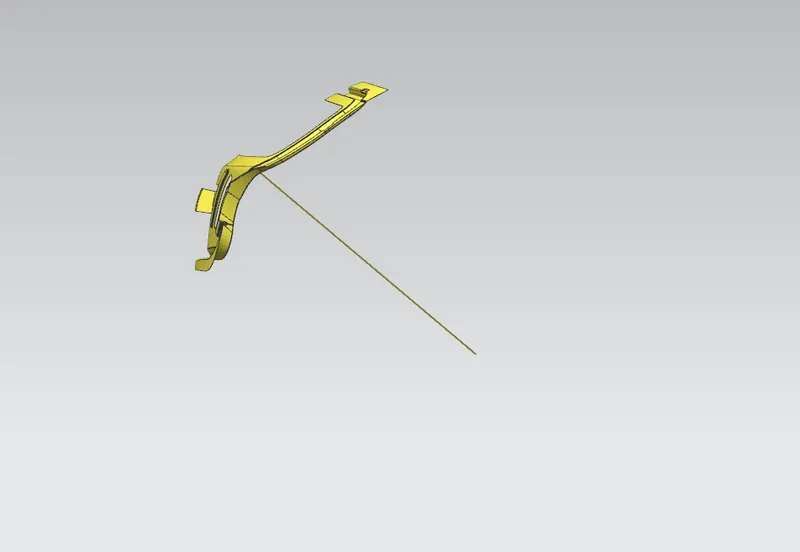
Following that, we must make a Sealing Flange by offsetting the outer panel to the required distance.
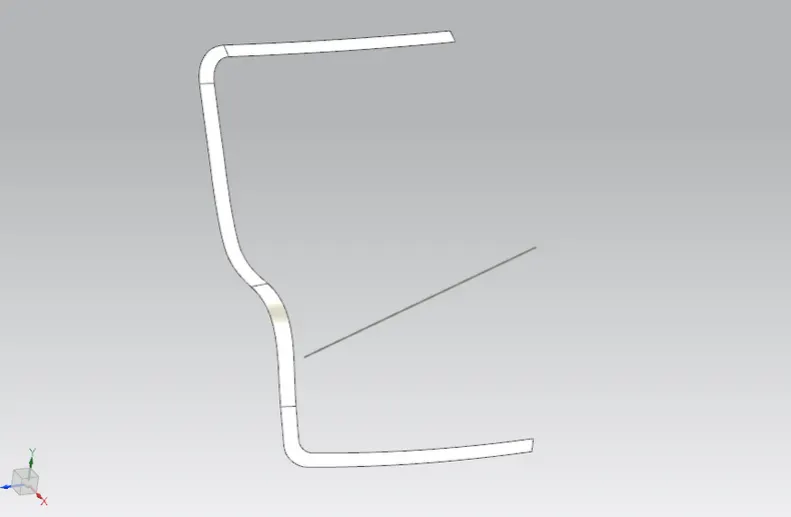
Then, taking into account the sheet thickness and thickening direction, we'll make the Back door inner panel flange by offsetting the outside surface at a distance. The connecting flange was then made to connect the inner panel and sealing flange. The windshield panel is then produced and linked with sealing flanges for installation.
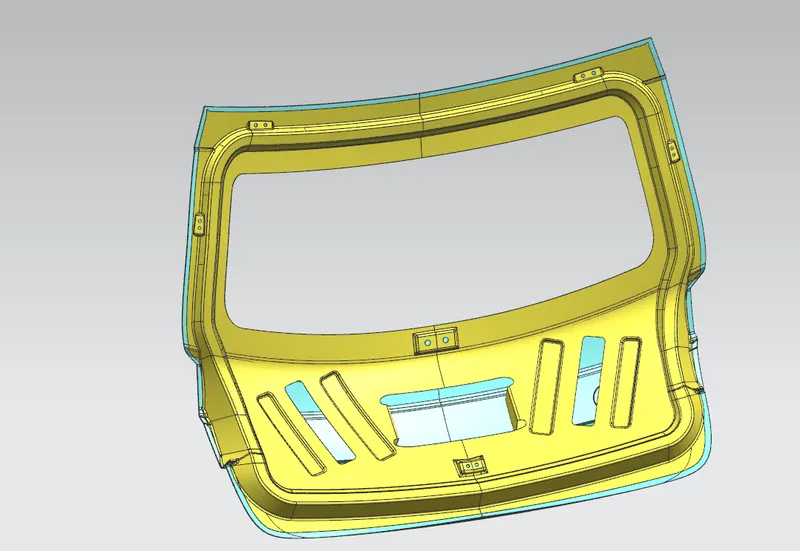
Then a emboss and other cut-outs are developed to strengthen the inner panel's strength and minimize the weight. A mounting cut-out is also made for Latch and Stricker. This cut-out is likewise made on the other side of the inner panel to keep the Back door's center of gravity. Another Emboss is made for the mounting of the wiper motor.
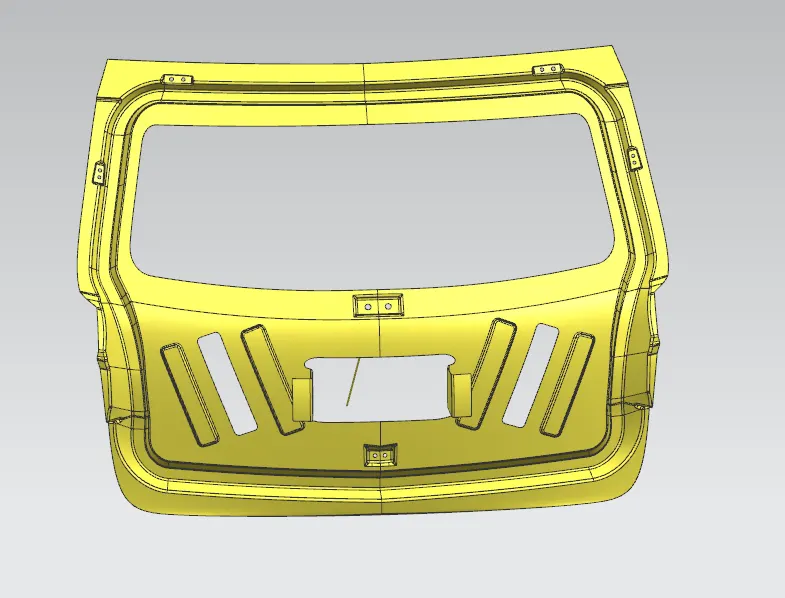
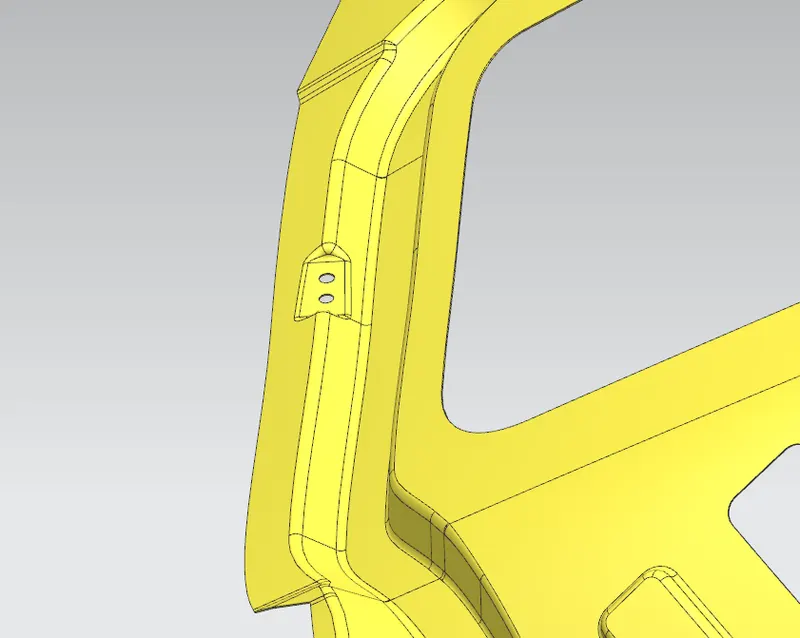
Now it's time to put the vehicle's back door together. The door is opened and closed using hinges. To boost the local area strength, we must design the emboss and include the necessary reinforcements to sustain the stress acting on it.
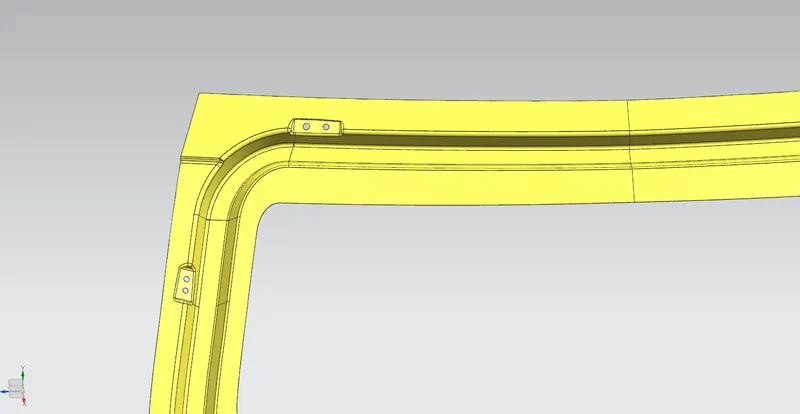
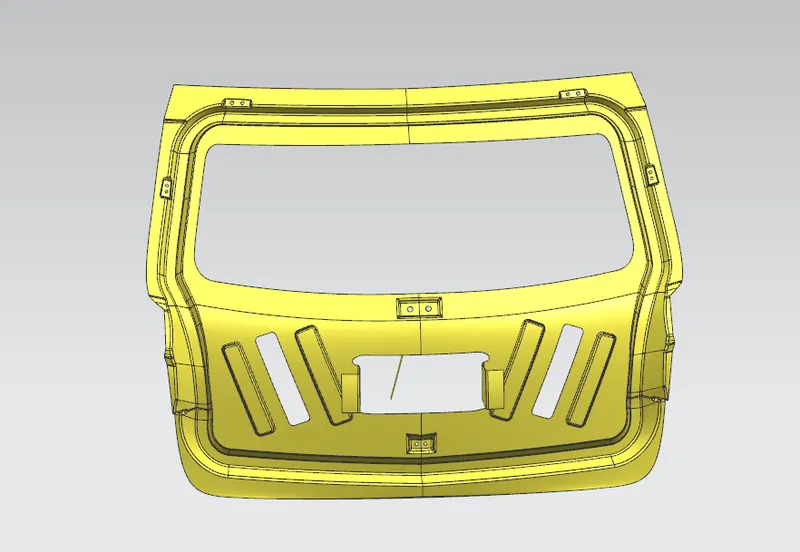
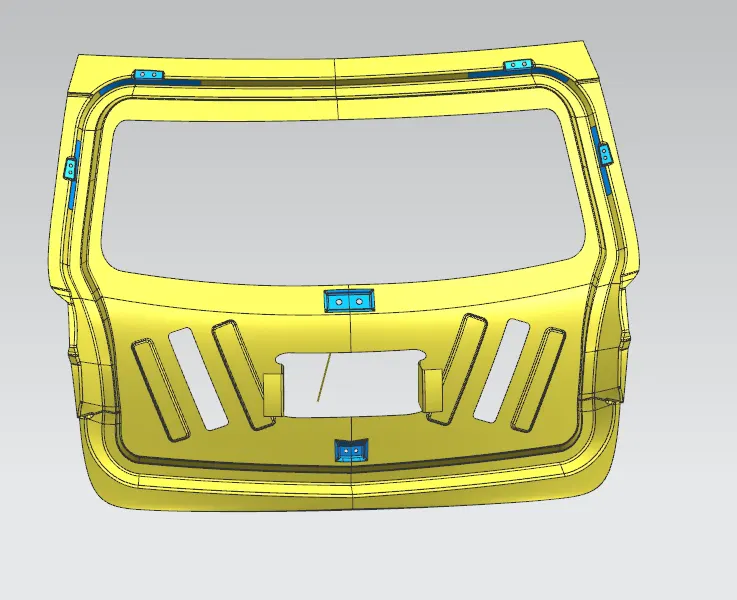
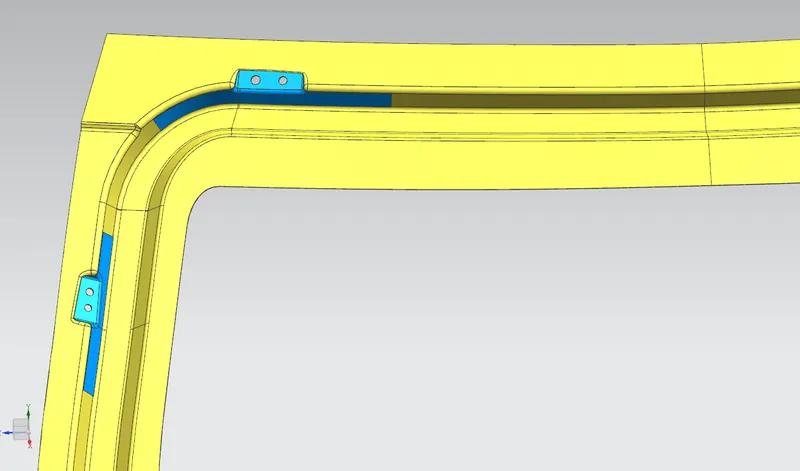
Now it's time to put the vehicle's back door together. The door is opened and closed using hinges. To boost the local area strength, we must design the emboss and include the necessary reinforcements to sustain the stress acting on it.
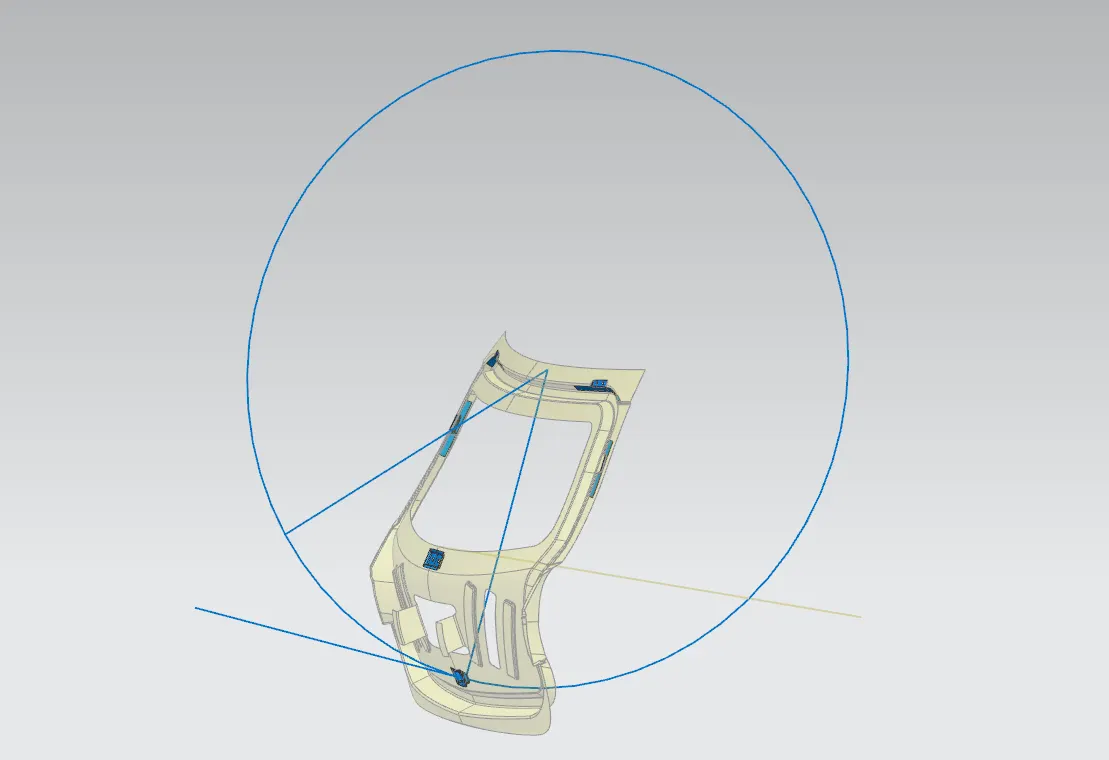
Latch & Stricker Emboss,
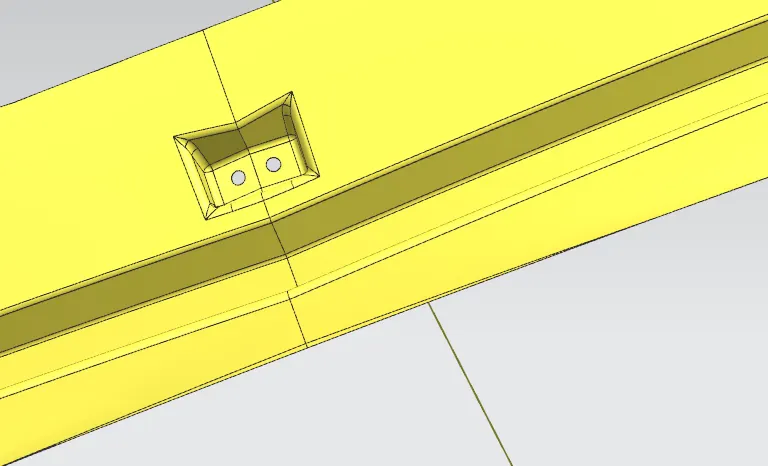
Gas Stay Emboss and Reinforcement
Hemming:
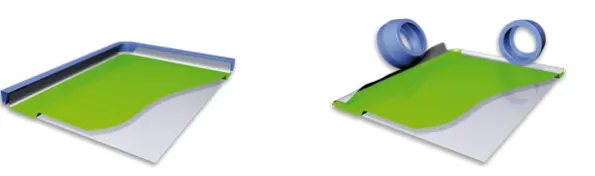
Hemming is a shaping process in which the sheet's edges are folded or folded over another section to create a snug fit. Hemming procedures are commonly used to join parts, improve the look of a part, and reinforce part edges.
Hemming is a secondary technique used in the automotive component assembly after deep drawing, trimming, and flanging operations to unite two sheet metal sections (outer and inner). Hoods, doors, trunk lids, and fenders are common parts of this type of assembly.
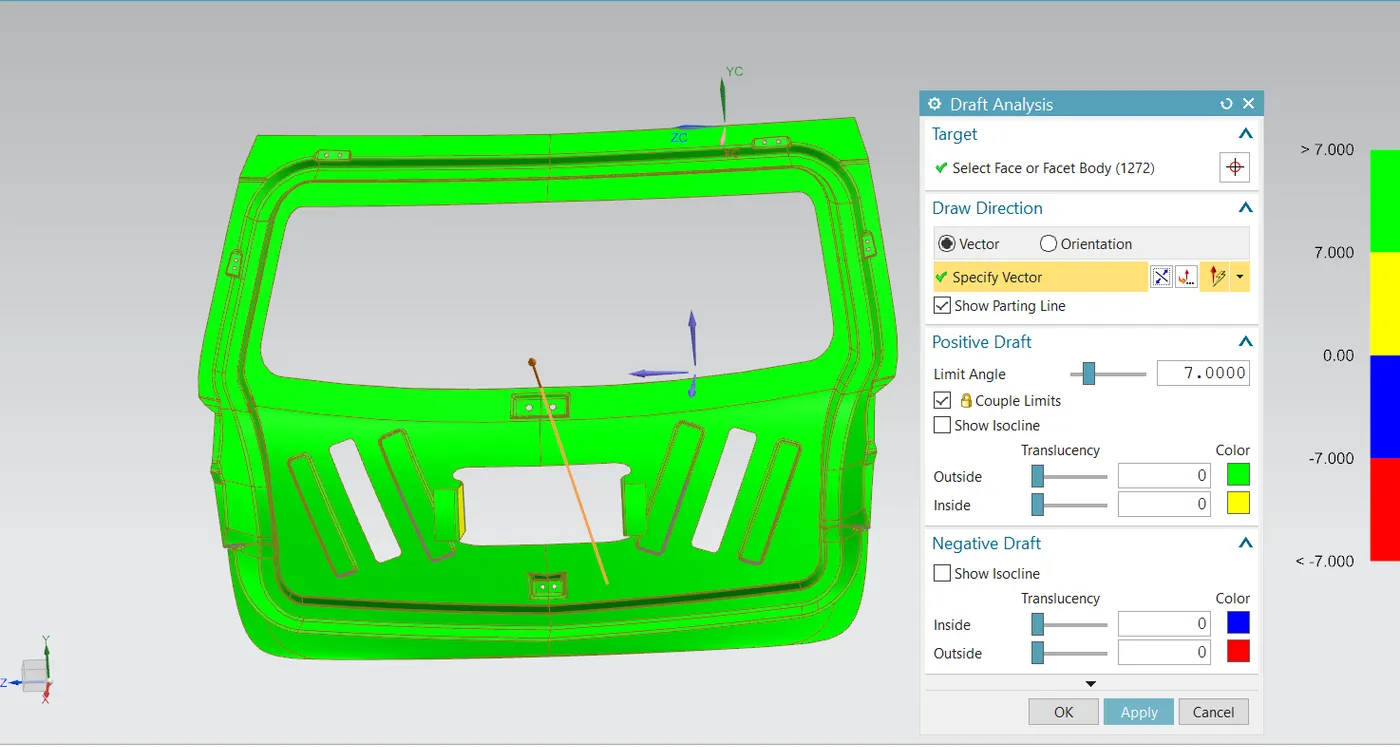
Draft analysis