Design of backdoor
AIM - Design of an Automotive Backdoor
OBJECTIVES -
- To design Inner panel of a Backdoor
- To create a hinge and latch Trajectory
- To design Reinforcements for Hinge, Gas stay, Wiper motor, and latch Mounting
- To design Outer Panel of a backdoor with hem
- To perform draft analysis on the Inner panel of a backdoor
THEORY -
Backdoor
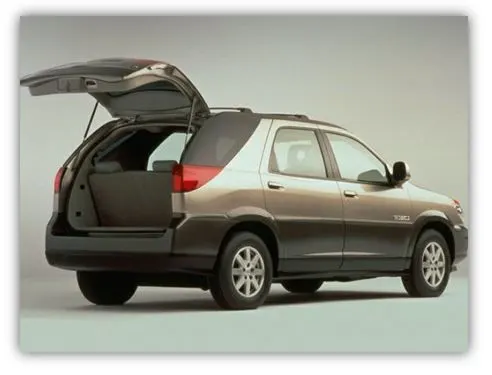
- A tailgate, or sometimes the hatch, is a hinged board or door at the rear of a vehicle that can be moved up or down during loading and unloading. Also called a tailboard, it is commonly found in pickup trucks or hatchback vehicles.
- A backdoor is also Known as Tailgate which is the Rear BIW Enclosure Part.
- The material used for making the backdoor can be Aluminium or Steel. If Aluminium is being used then parts are manufactured using casting. Stamping is used when steel is used for making the backdoor.
Functions of Backdoor
- Protects Rear occupants and luggage from getting damaged.
- It gives support for the wiper motor and tail lamps.
- Parking sensors are mounted onto it.
- It also has a rearview camera as an additional safety feature.
Material Used
- The below table shows the difference between Aluminium Vs Steel materials used for Backdoor Manufacturing.
| ALUMINIUM | STEEL |
| 1. Reinforcements can be Neglected. | 1. Reinforcements are Necessary. |
| 2. Local Thickness can be varied. | 2. Has only uniform thickness. |
| 3. Lighter in Weight and less number of components. | 3. Heavier in Weight and more number of components. |
Main Parts Of Backdoor Assembly
- The below image shows all the parts of the backdoor.
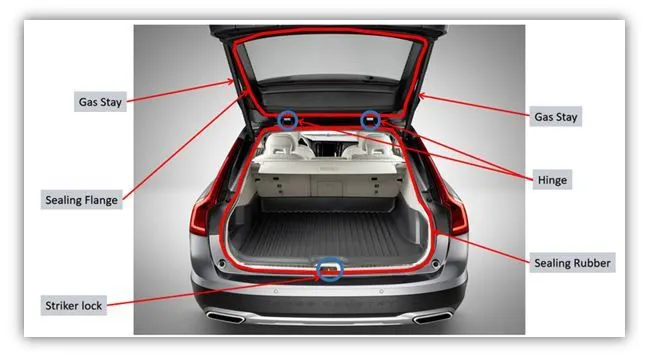
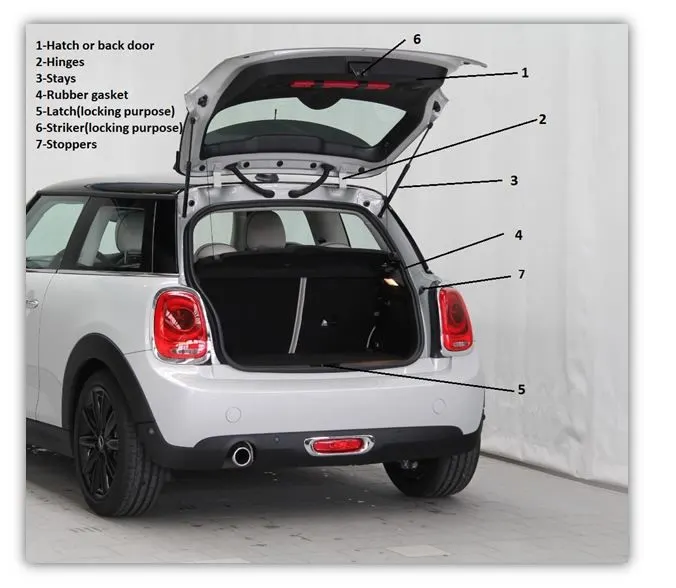
- Gas Stay is a device used for supporting a backdoor in its open position by means of an actuator that is activated by gas.
- Sealing Flange serves as protection against water and also ensures proper fitting of backdoor with the car body.
- Latch and strikers are used as a locking mechanism and ensure the door doesn't open in the dynamic condition of a car.
- Hinge is a pivot mechanism used to open and close the backdoor.
MAIN CONTENT -
Software Used - Siemens NX 11
Major Commands Used
- Offset Surface - This command is used to offset the surface to the required distance from the original surface.
- Through Curves - By using this command, the surface is created between two different curves.
- Trim Sheet - Input for this command is the face of the surface and any curve lying on that face. Using this command unwanted portion of the surface can be removed.
- Sew - It is a joining operation performed to knit or join two or more than two surfaces together to create a single surface.
- Projected Curve - 2D Sketch can be projected onto any flat or irregular face of the surface or body.
- Edge Blend - Fillet can be applied to the edges. Edge is chosen where two surface forms the edge.
- Emboss - With the help of this command any curve can be extruded with some draft.
- Mirror Geometry - Used to mirror the surface.
- Thicken - Used to give thickness to any surface for converting it into a solid body.
- Datum Plane - Reference plane which is created on any solid body, surface body, or with reference of origin.
- Extend Sheet - It is used to extend the surface to the required distance by selecting the boundaries of the surface.
- Offset Curve in the face - It is used to offset the boundaries of that surface.
- Offset - This command is a part of the sketch workbench where entities are offset to the required distance.
- Swept - It is used to create a surface using profile and path as inputs. All hems are created using the swept command.
Design Of Backdoor
1. Design Considerations
- Outer panel thickness - 0.75 mm
- Inner Panel thickness - 0.75 mm
- Reinforcement thickness - 1.5 mm
- Minimum fillet radius - 3.75 mm
- No sharp corners inside the component
- A minimum draft angle of 7 degrees
- Rear Visibility Criteria
- Rear Crash Regulation Requirements
2. Inner Panel
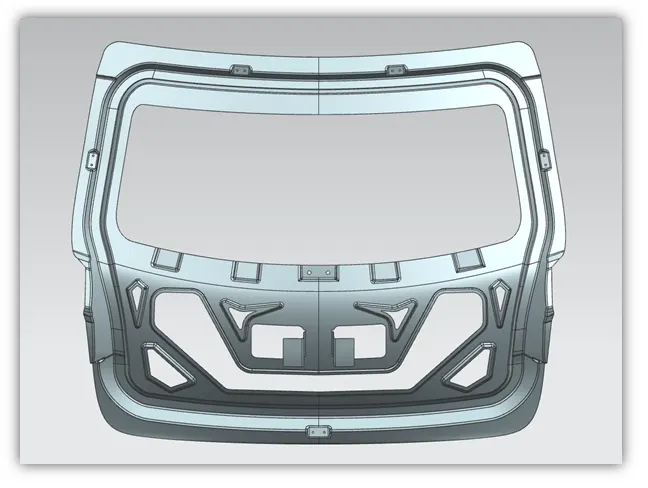
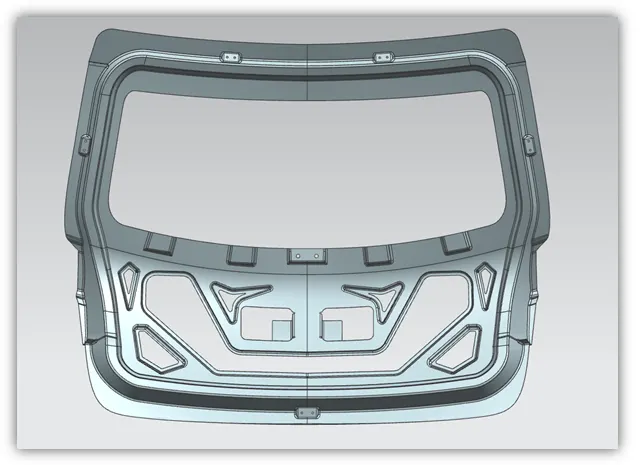
- The inner panel is designed by taking into consideration all the factors such as clearances, hemming, etc.
A. Front View
B. Back View
C. Embosses
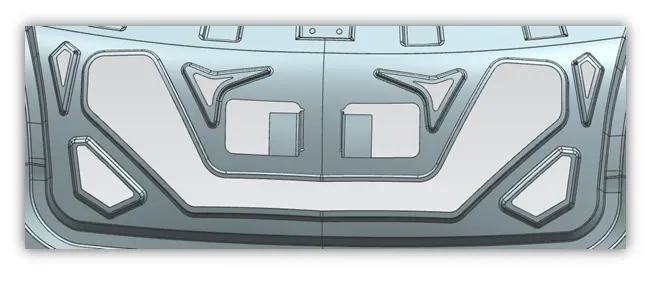
- Embosses are provided to give strength to the Back door Inner Panel.
- Bump and impact forces should transmit to the outer side of the backdoor to reduce the impact of forces. Hence, embosses are designed in such a way that all forces are going outward of the back door.
D. Flanges For Mastics
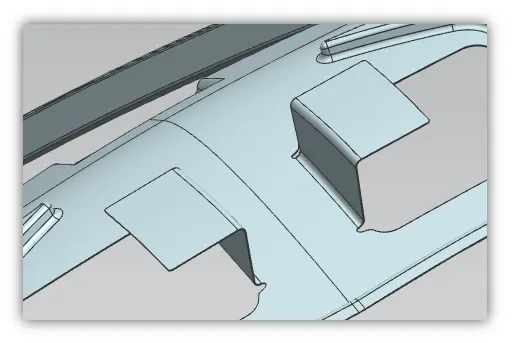
- Clearance of 5mm is provided between the top surface of the flanges and the outer panel of the backdoor for the mastics.
- It is a rule to provide a clearance of 4-5 mm wherever mastics are present. For NVH it is necessary to have a clearance between 4-5 mm. If it is more than 4-5 mm then surfaces will have clearance and they will not be joined together properly. Mastic can expand up to 80 mm in diameter. Hence it is necessary to provide clearance between two mastic points so that optimal mastics can be placed onto the surface leading to a reduction in cost.
- Though hemming has been used still mastics included providing extra strength to the backdoor.
- Edge reliefs are provided where the flange is bending. If relief is very less then the tool may get worn out in a small relief region hence increasing the chances of replacement of the tool and eventually increasing cost. Hence it is necessary to provide sufficient edge relief to avoid tool damage.
- Ribs can be provided between two perpendicular surfaces of the flanges to give extra strength to the flange.
- Flanges are made separately using lancing sheet metal operation.
E. Plastic Trims
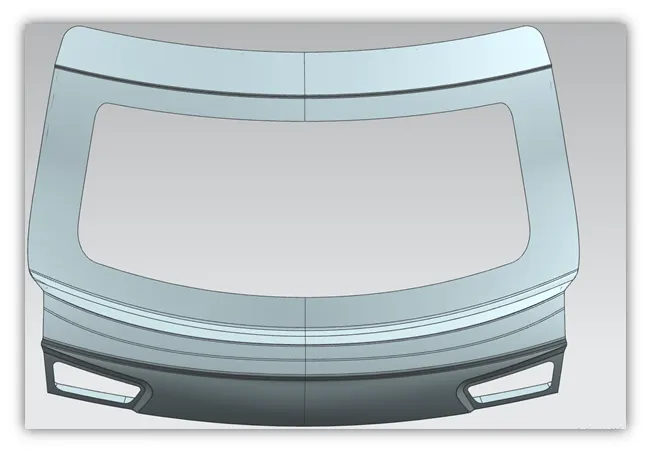
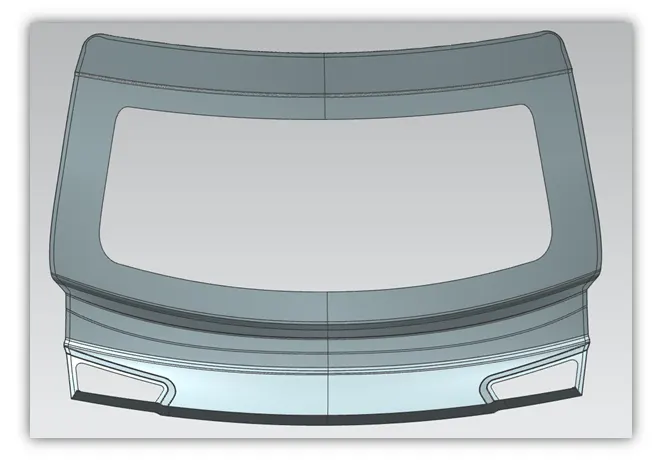
3. Outer Panel Upper Part
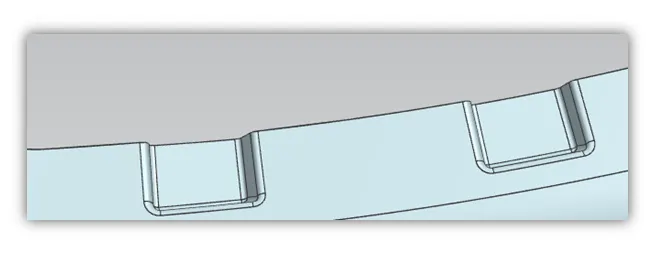
- The outer panel has provision for windshield and tail lamps.
A. Front View
B. Back View
C. Hemming Relief
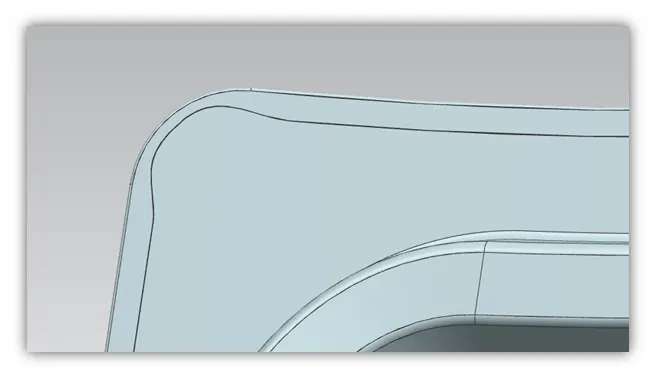
- While performing hemming operation rollers rolls over the outer panel surface to create a hem.
- At the corner, the portion roller tends to roll the sheet in nonuniform manner due to the presence of curvature.
- Hence it is necessary to provide some relief at corners.
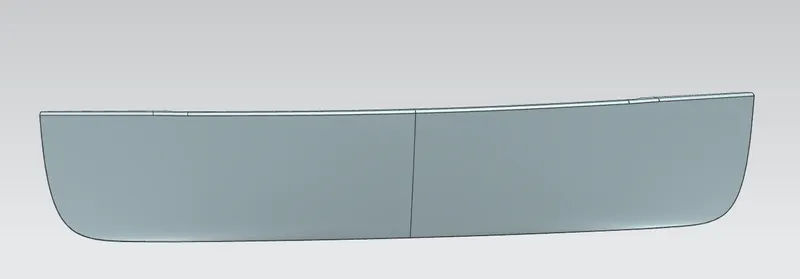
4. Outer Panel Lower Part
A. Front View
B. Back View
C. Hemming Relief
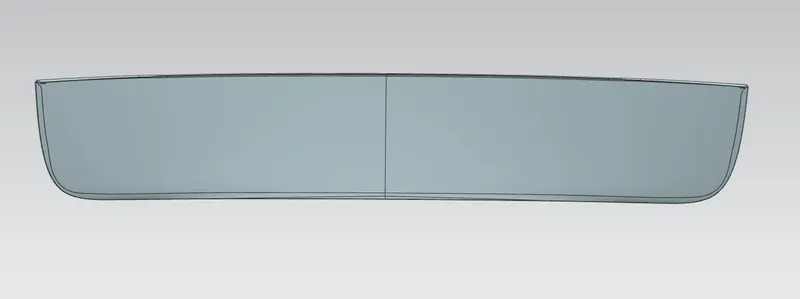
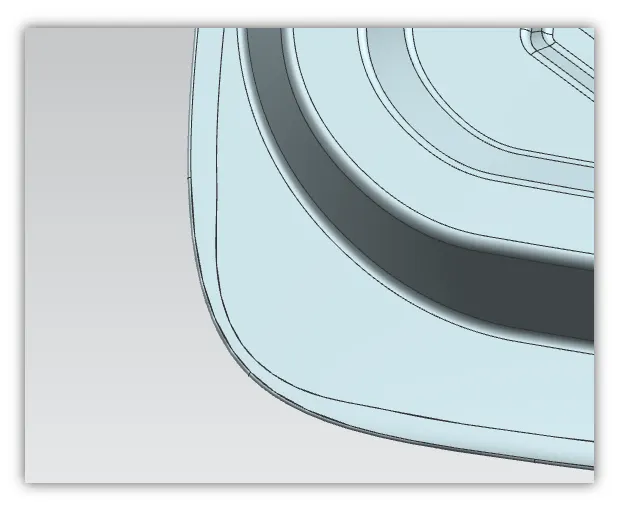
- At sharp corners, it is not possible to create a hem as the material gets interfere and creates problems while hemming.
- Hence, necessary hem reliefs are provided on the corners to have a smooth hem around the surface.
5. Hinge Reinforcements
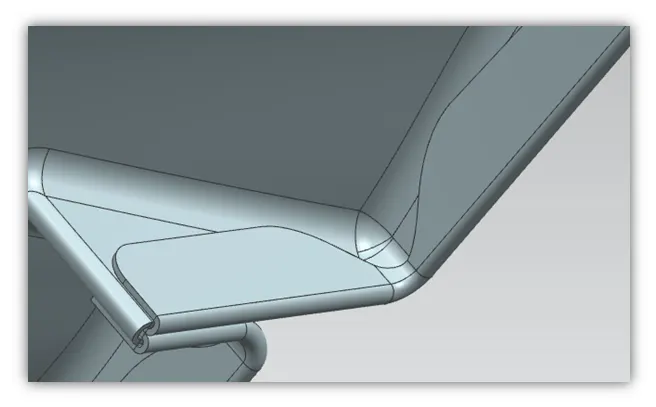
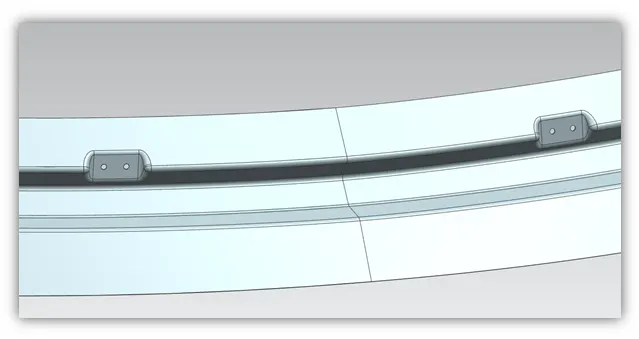
- Reinforcements are given to provide extra strength to the surface considering the assembly of parts onto it.
- It is necessary to have an embossed face be flat because in case of an impact it will be a curved portion that will try to bend sooner as compared with the flat one.
- Also to ensure perfect fitting of reinforcement over the embossed face.
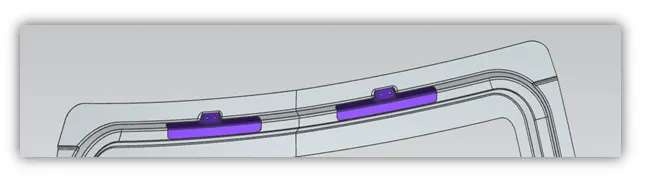
6. Gas Stay Reinforcements
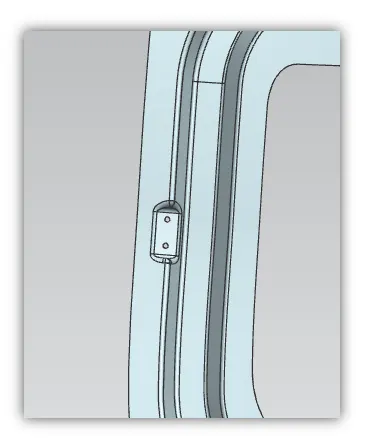
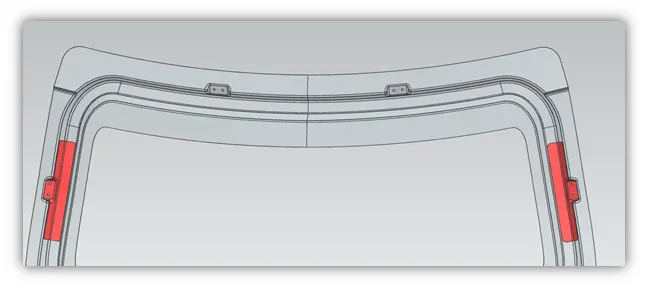
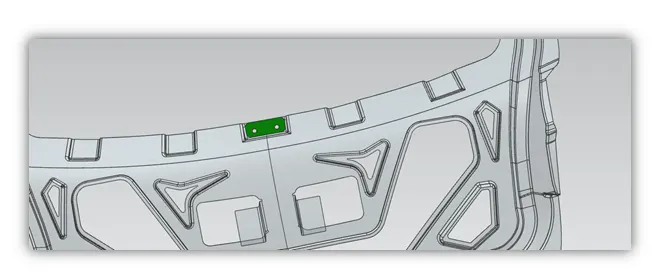
7. Wiper Motor Reinforcements
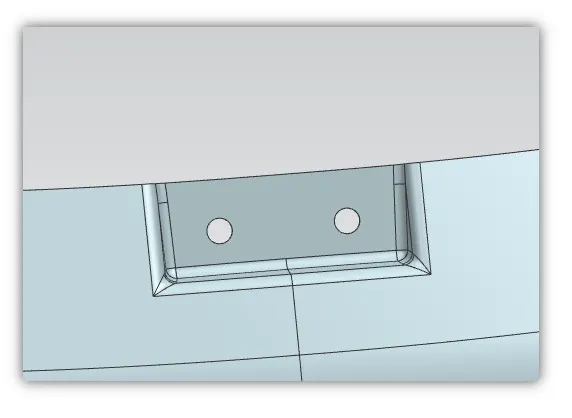
8. Hinge And Latch Trajectory
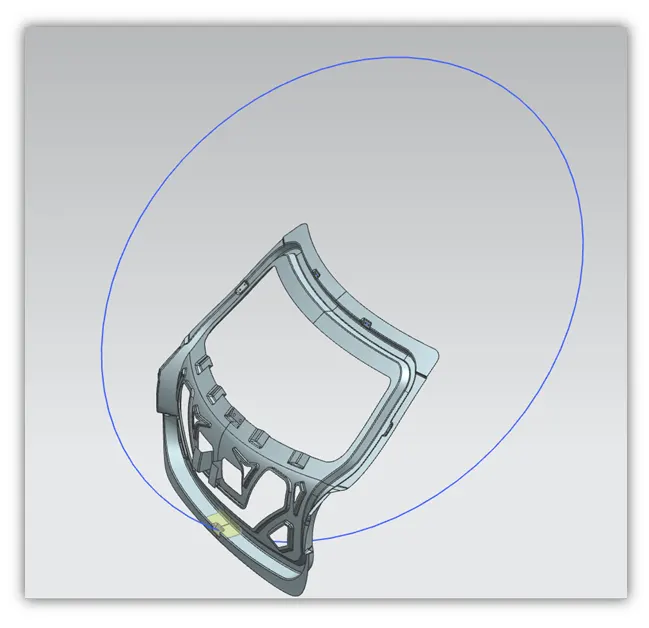
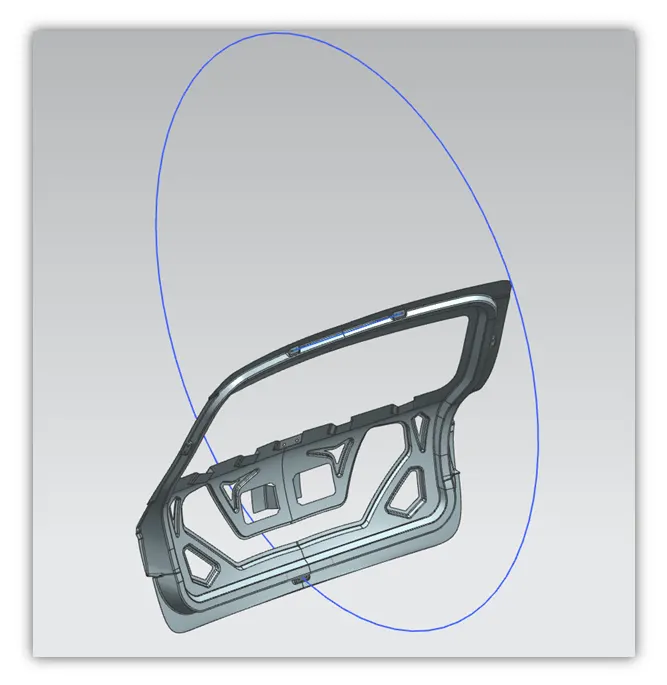
- Position of latch decided with respect to the hinge axis, as the door will open and close with pivot as hinge axis. The striker will also move in that direction as the backdoor is pivoting.
- The striker is positioned by drawing a circle with the midpoint of the hinge axis as a center point. The Latch center should lie onto the curve point of the circle and face of the backdoor.
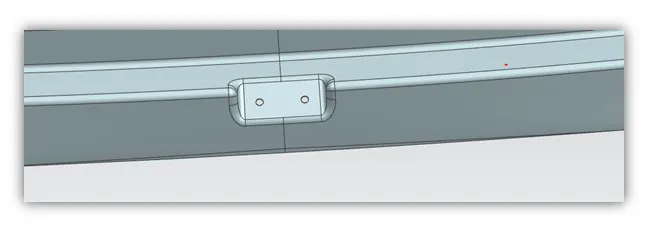
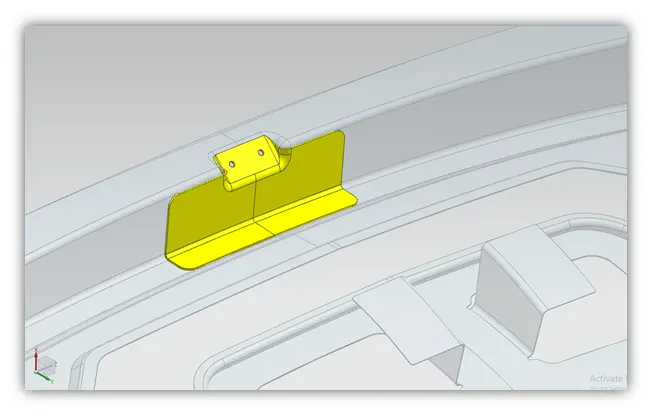
9. Latch Reinforcements
Draft Analysis
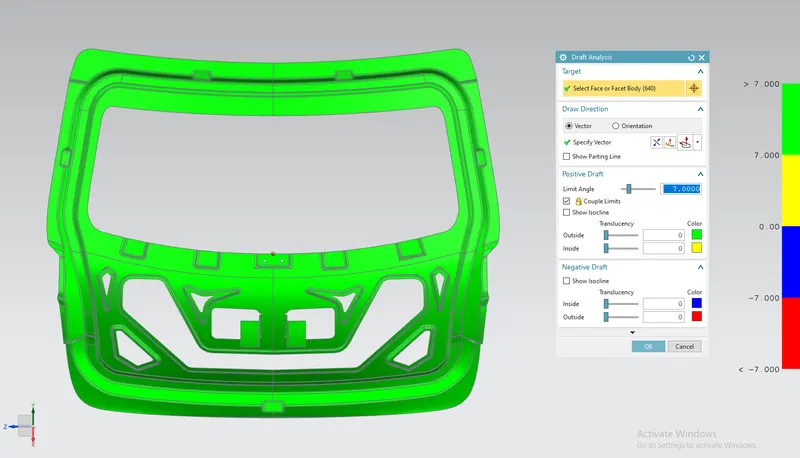
- All the faces of the Inner Panel have successfully cleared the draft analysis with the minimum draft angle of 7 degrees.
- It is essential to have at least 7 degrees of the draft to all the faces considering manufacturing feasibility. If it is negative then removing the part will be impossible and the entire part will get damaged.
- Hence, for easy removal of part, we are giving the minimum draft of 7 degrees.
Assembly Images
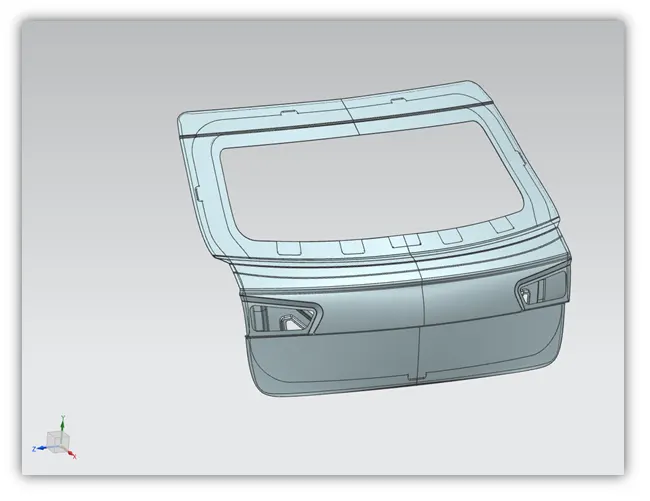
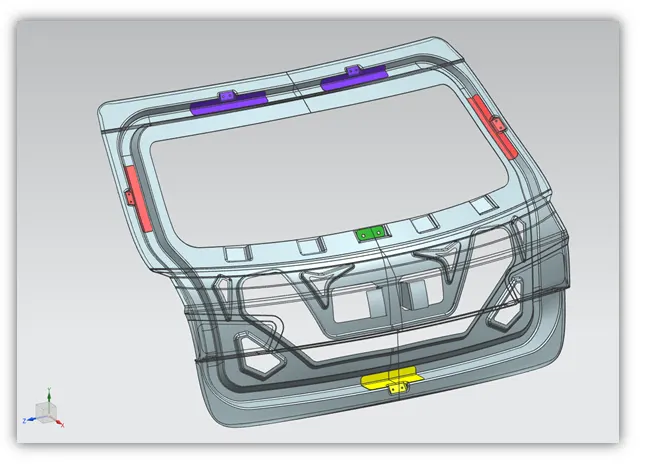
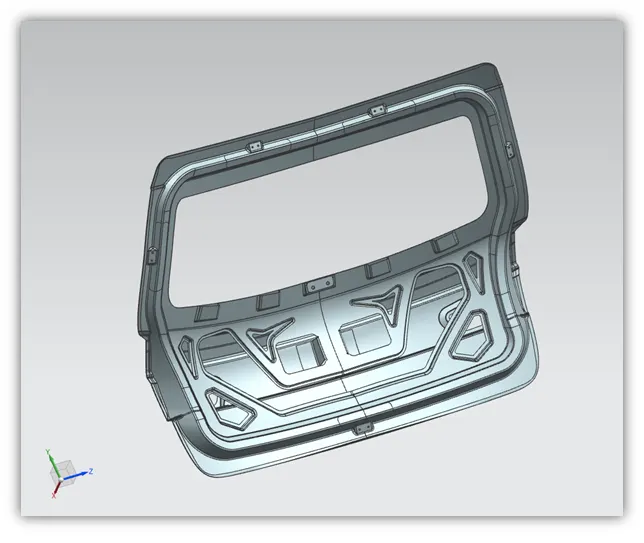
- The below images shows the assembly of all the parts of the backdoor.
CONCLUSION
Backdoor has been designed successfully considering all the design rules and manufacturing feasibility.