Design of backdoor
Design of Backdoor
Aim: To develop the Backdoor of car.
Objective:
- To design the back door using the provided styling surface and by using appropriate design methodologies and by providing the necessary reinforcements and embosses.
- Develop a detailed report for the Back door design by explaining the design methodologies and about the components developed in the design.
Introduction:
The backdoor or tailgate is the rear most part of the automobile which opens upwards, downwards or sideways to give access to the luggage space or seating area. In most of the cars the backdoor opens upwards. It is hinged to the roof and a gas stay support fixed at the body side outer for keeping the backdoor in open position. In most of the cars, these back doors are operated with the help of gas stay which in turn reduces the effort required to lift open the door. Some luxury cars have powered backdoor which in turn is driven by an electric motor. A car back door which is consist of Inner panel, Outer panel. Basically, the car parts are made of Steel or Aluminium based on the budget of the car. Steel parts are stamped and we cannot vary the thickness of material, so we need to add a greater number of parts and which increases the weight of the car. But the using of aluminium can improve the strength and we can also vary the thickness of the material so that we can avoid/reduce the reinforcements as compared to steel. The main advantage of aluminium over steel is that the density of aluminium is very less as compared to steel so it reduces the overall weight of the car. So now a days most of the car manufacturers are trying to use Aluminium instead of Steel and they reduce the number of parts and weight of the car drastically.
There are 3 types of backdoors based on working condition.
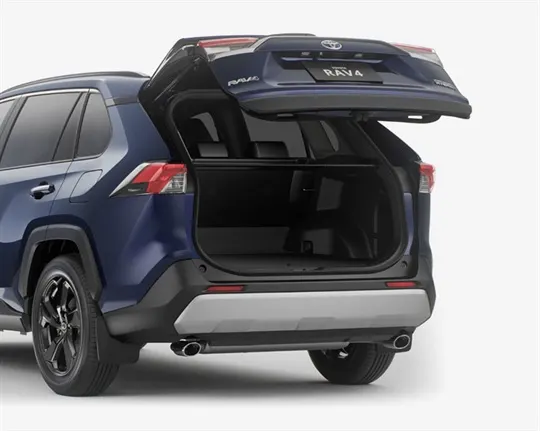
- Top mounted door
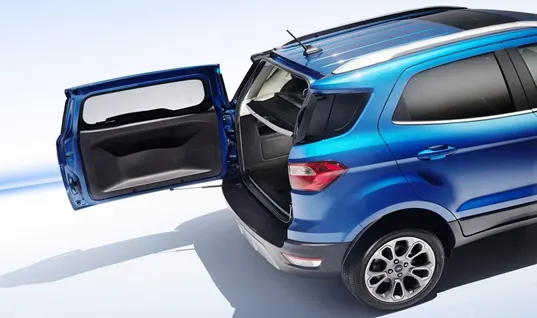
- Side mounted door
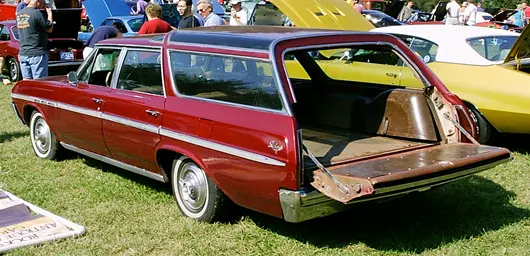
- Bottom/split type of door
- Top mounted door:
- Side Mounted door:
- Bottom/split type door:
Types of mechanisms for Backdoor
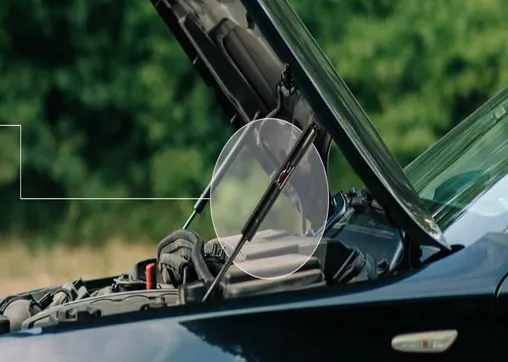
1. Gas stays type:
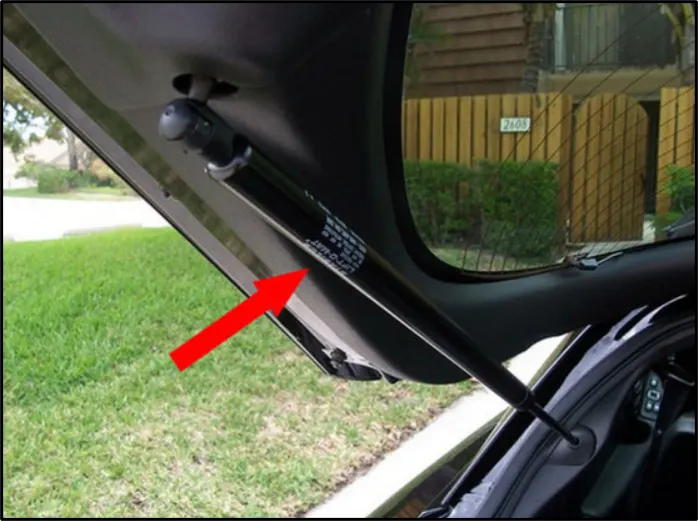
Gas stay types backdoor/liftgate/tailgate is an ideal and most commonly used tailgate mechanism from lower segment car to luxury car segment. The ideal components of tailgate consist of a hinge, door, gas stay and some rubber beadings for sealing of door.
2. Powered lift system:
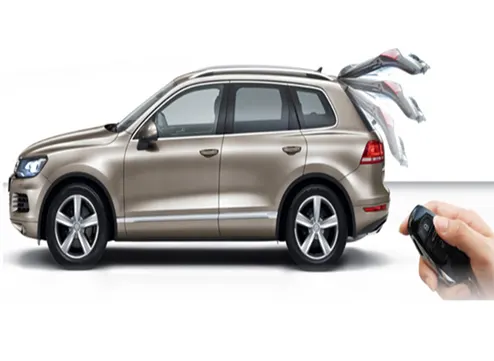
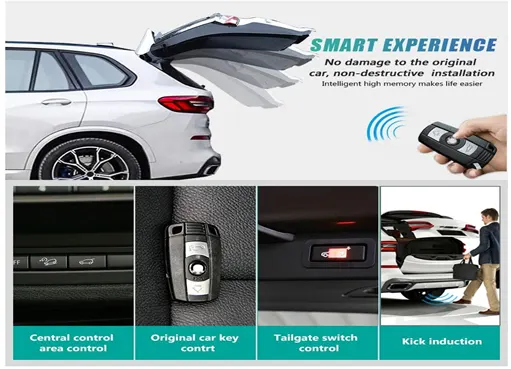
Power trunk lid system is another sophisticated way of trunk/liftgate opening mechanism which is to automatically open and close of the trunk/liftgate and release of the latch by the touch of a button. The following image shows the component as used in the powered trunk/back door lift system. Powered trunk lift system consists of a power latch, anti-pinch switch, PTG ass’y, PTG main switch. When the switch is pressed in the compartment or outside the power latch releases the latch and the entire backdoor is opened. The anti-pinch switch is located in order to avoid accidental hand insertion during the operation of the door.
Different Sheetmetal processes used for manufacturing the Backdoor
- Blanking:
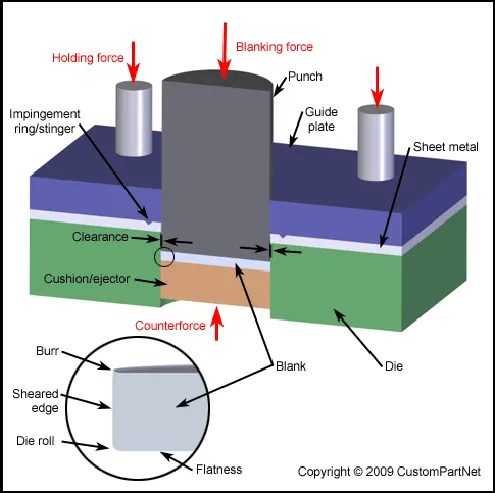
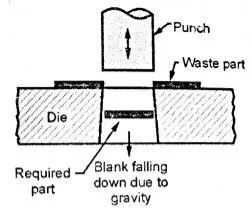
Blanking is a metal fabricating process, during which a metal workpiece is removed from the primary metal strip or sheet when it is punched. The control of the quality by the punch and die clearance. The ability to produce holes of varying shapes – quickly. Blank is the required product of the operation and the metal left behind is considered as a waste.
- Punching:
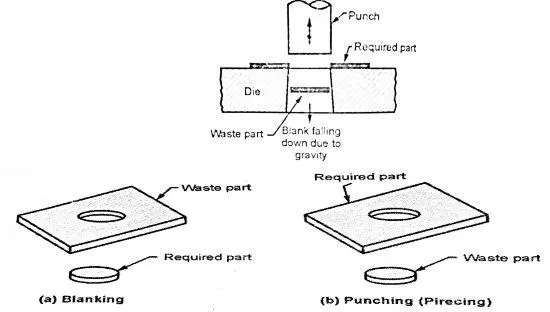
It is similar to blanking only the main difference is that, the hole is the required product and the material punched out from the hole is considered as a waste.
- Deep drawing
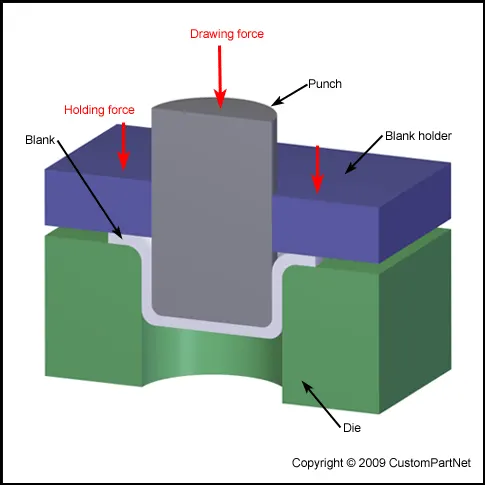
Deep drawing is a sheet metal forming process in which a sheet metal blank is radially drawn into a forming die by the mechanical action of a punch. It is thus a shape transformation process with material retention. The process is considered "deep" drawing when the depth of the drawn part exceeds its diameter.
- Trimming
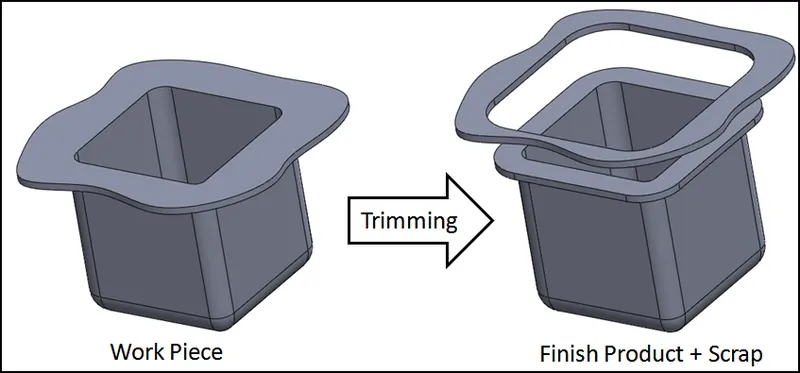
Trimming is a manufacturing process that is used as a finishing operation for forged parts, in order to remove flash. Most often it is desirable to perform this operation while the work is still hot for maximum efficiency, therefore it is usually incorporated into the larger production process.
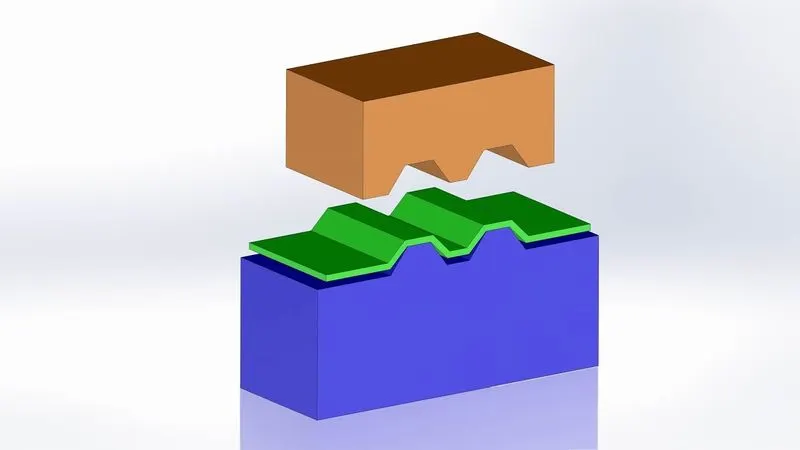
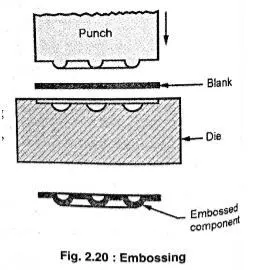
- Embossing:
Embossing is a metal forming process for producing raised or sunken designs or relief in sheet materials by means of matched male and female roller dies, theoretically with no change in metal thickness or by-passing sheet or a strip of metal between rolls of the desired pattern. Metal sheet is drawn through the male and female roller dies producing a pattern or design on the metal sheet. Depending on the roller dies used, different patterns can be produced on the metal sheet.
- Hemming:
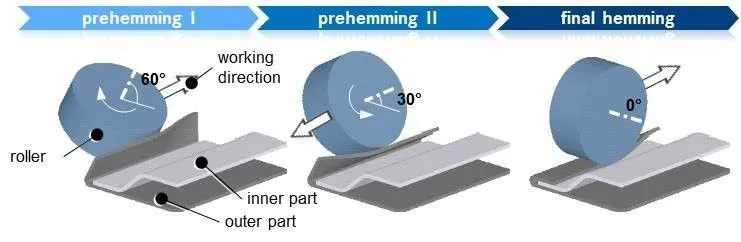
Hemming is a forming operation in which the edges of the sheet are folded or folded over another part in order to achieve a tight fit. Normally hemming operations are used to connect parts together, to improve the appearance of a part and to reinforce part edges.
In car part production, hemming is used in assembly as a secondary operation after deep drawing, trimming and flanging operations to join two sheet metal parts (outer and inner) together. Typical parts for this type of assembly are hoods, doors, trunk lids and fenders.
There are various types of hemming operations:
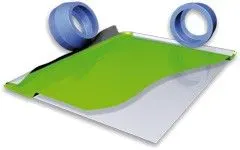
- Conventional die hemming:In conventional die hemming, the flange is folded over the entire length with a hemming tool.
- Roll hemming:In roll hemming, the hemming roller is guided by an industrial robot to form the flange.
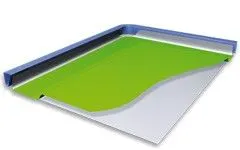
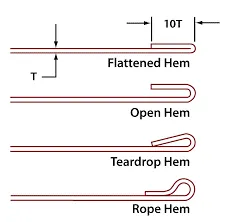
- Open Hem:A Hem has a full round feature and a return flange. In open hem bend angle is equal to 180 degrees.
- Tear drop Hem:In tear drop hem the bend angle is greater than 180 degrees.
- Closed Hem:Hems without any inside radius are called as closed hem. Closed hems are not recommended if the hem geometry is to be painted or if the material used is SST or Aluminium.
The back door assembly of a car has the following components,
- Outer panel upper
- Outer panel Lower
- Inner panel
- Latch and Striker Reinforcement
- Hinge Reinforcement
- Gas stay Reinforcement
- Wiper motor reinforcement
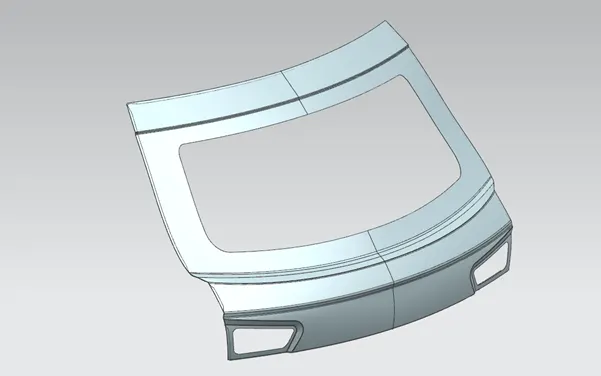
Design of outer panel: The outer panel of the back door is similar to other BIW components where it is the aesthetic part of a vehicle. The coating provided is of multi-stage which has the property of scratch resistance, rust prevention and smooth and attractive finishes. The outer panel also has the provisions for the tail lamp, rear fog lamp and also has the provision for licence plate mountings. Most of the hatchback cars have the provision for wiper motor.
Given surfaces has to be repaired according to the smoothness. After repairing the surfaces, the door is divided into two parts as outer panel upper and outer panel lower.
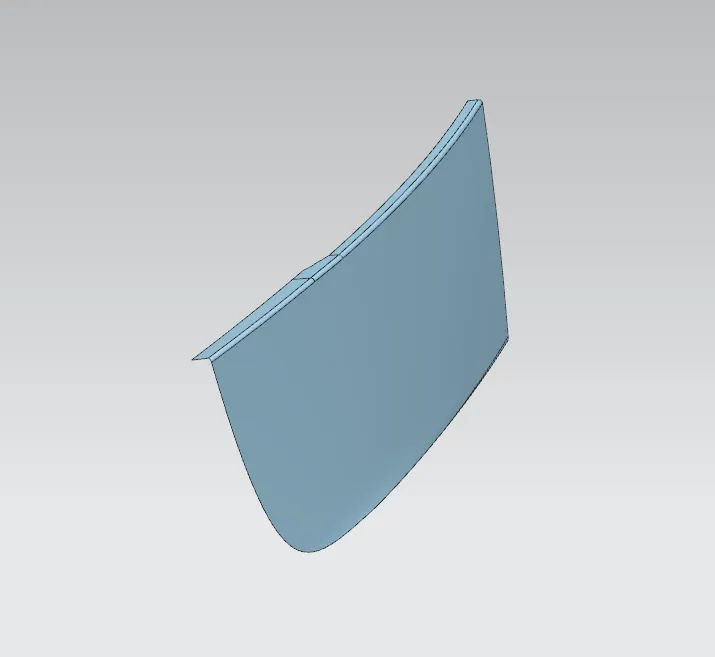
Design of Inner panel: The inner door panel is a component which is used for strengthening the door assembly and it is one of the most important components on which all accessories are mounted like hinges, glass guide channel, moulded trim, latch etc. The possible method is the integration method. In the integration method, the part is stamped out of a single blank. This reduces the number of tools needed; the assembly cost and eliminates any fit ability problem. The inner panel was designed by offsetting the given class A surface as per the given master section. The inner panel consists of Embosses and Mastics.
First, we need to create the Tooling direction for the Deep drawing operation. It shows that all the operations like embossing is done by considering this vector direction and it will help in manufacturing the part. After that we have to create Sealing Flange by offsetting the outer panel to the specific distance.
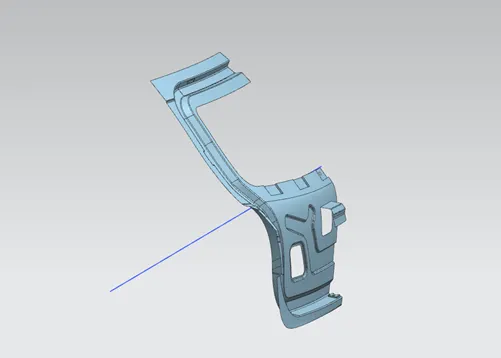
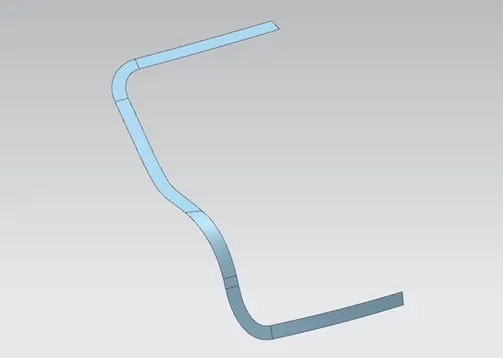
Then we will be creating the Back door inner panel flange by offsetting the outer surface at a distance considering the sheet thickness and thickening direction. Then created the connecting flange to join the inner panel and sealing flange. Then for the windshield panel mounting, windshield panel is created and joined with sealing flange.
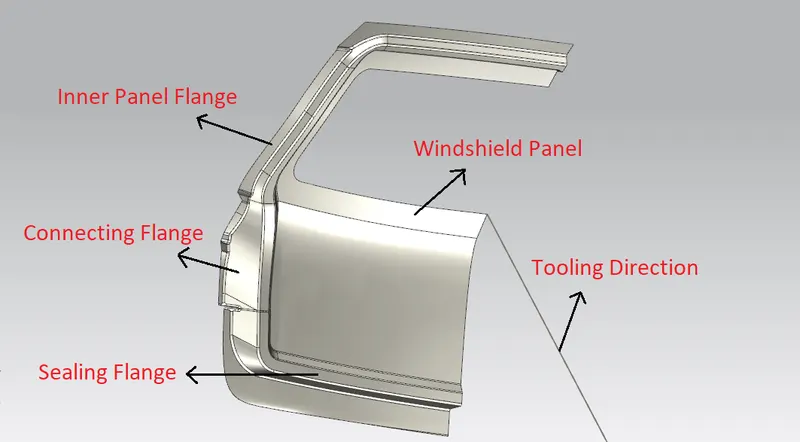
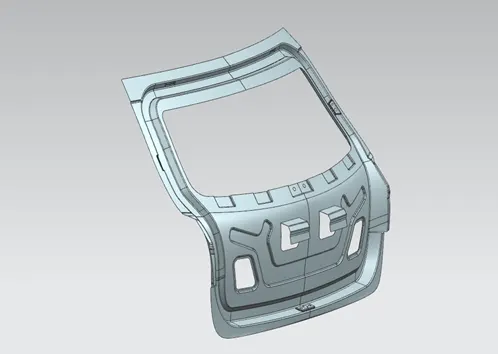
Then to improve the strength of the inner panel and to reduce the weight 'Y' type emboss and other cut-outs are created. Also, for Latch and Stricker mounting cut-out is created. This cut-out is also done on other side of the inner panel to maintain the centre of gravity of the Back door. The inner panel is mainly fixed to the outer panel by the process of hemming but still there will be rattling noise. So, to avoid those extensions are created in the inner panel which is fixed to the outer panel by applying mastic seal. While designing make sure to give 4-5 mm distance from the outer panel so that mastic seal can be applied in that area.
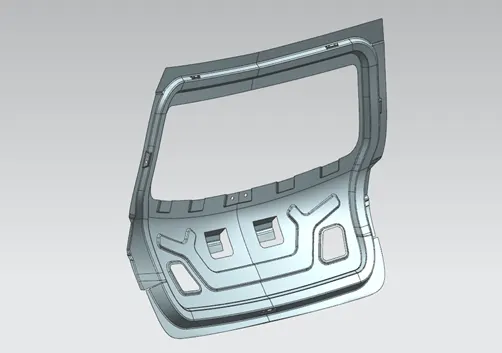
Design of reinforcements: Reinforcements basically strengths or increases the mechanical properties of the material. The hinge reinforcements are provided so as to increases the strength during bolting.
The different types of reinforcements used here are
- Hinge reinforcement
- Gas stay reinforcement
- Wiper motor reinforcement
- Latch/striker reinforcement
Hinge Reinforcement: Hinges are the essential, that allows doors to pivot on one edged as open as they open and close. They are found on virtually all doors. It is a mechanical bearing that connects two solid objects, typically allowing only a limited angle of rotation between them.
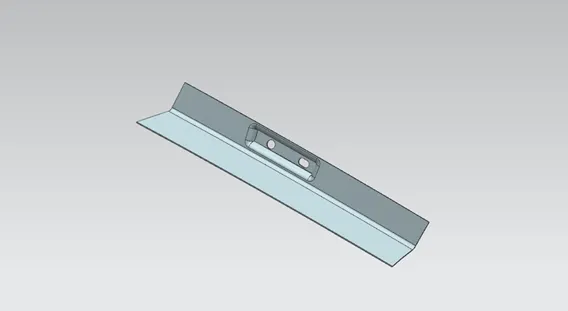
Gas stay reinforcement: It is used to lift up the Tail gate. There are two types of Gas stay reinforcements
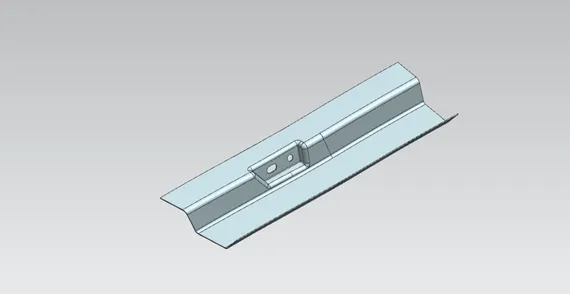
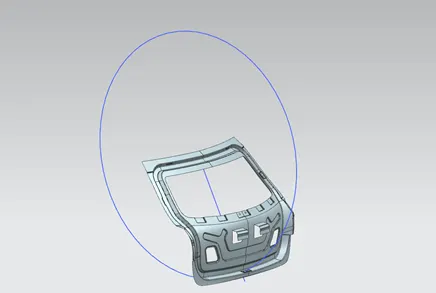
Latch and striker Reinforcement: Using the axis of the hinge, a circle is drawn at the middle of the back door and the latch is placed perpendicular to the circle.
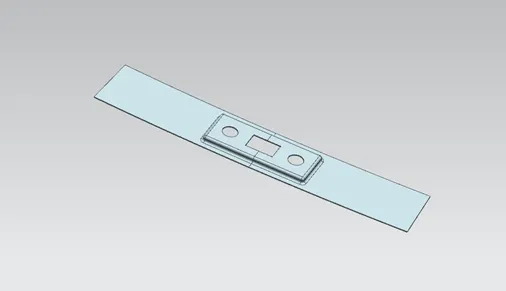
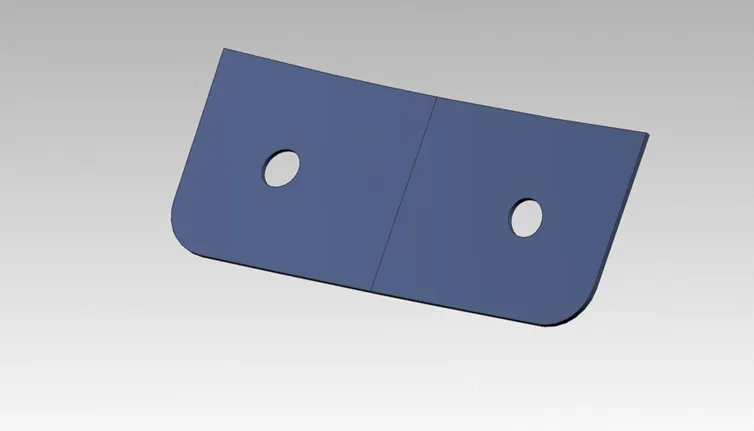
Wiper motor reinforcement: A small electric motor which is mounted on the wiper motor reinforcement in the rear tail gate. It used to clean the rear wind shield for clear visibility.
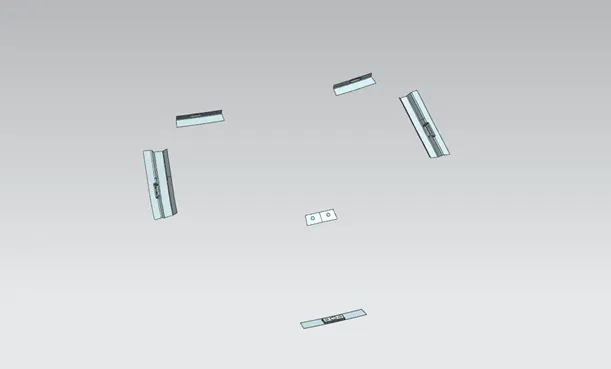
Position of all the reinforcements:
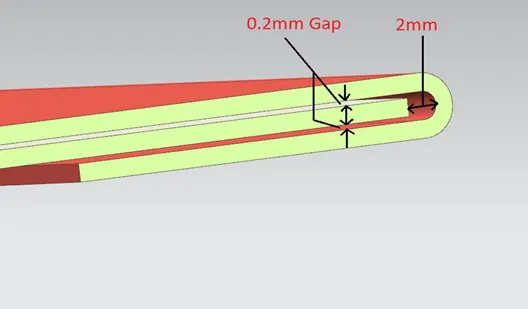
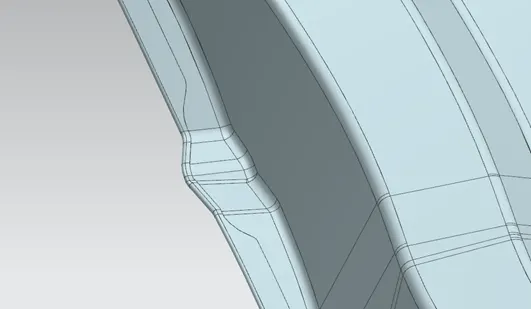
Design of Hemming: Hemming is a sheet metal forming process in which sheets are joined by bending it usually to 180°. Automotive body panels and automotive parts such as deck-lids, trunk-lids, doors, hoods and tailgates are formed by hemming process. Hemming is a forming operation in which the edges of the sheet are folded or folded over another part in order to achieve a tight fit. Normally hemming operations are used to connect parts together to improve the appearance of a part and to reinforce part edges. Hemming is used in assembly as a secondary operation after deep drawing, trimming and flanging operation to join two sheet metal parts (outer and inner) together. Relief is provided at some position which helps to control sheet metal material behaviour and to prevent unwanted deformation during unbend operations.
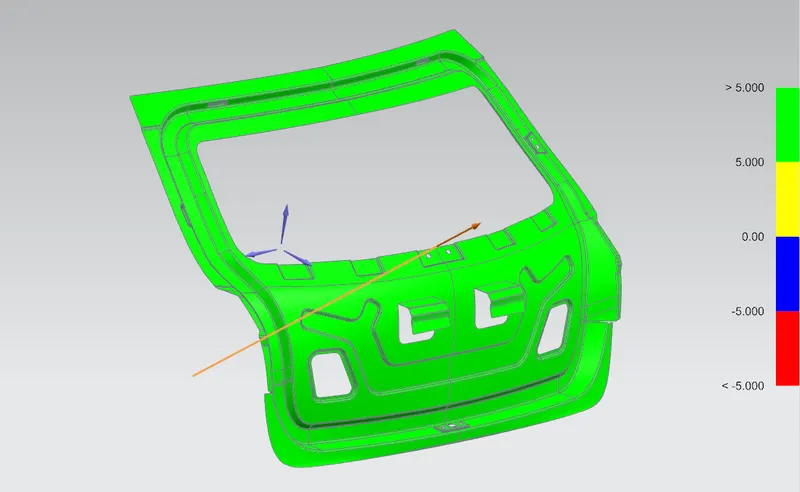
Draft analysis: Every part like sheet metal parts which are generated from a Press Tool or some forming tools, may be the plastic parts which generally come out from the plastic moulds and maybe the casting parts, all such kind of parts required some drafted face on the surfaces which are parallel to the tooling direction. If we don't provide drafts on the surface then it will stick to the mould surface and whenever the mould is in motion, they will destroy the surfaces or also reduced the finishing of surfaces.
Draft is used for providing angles or tapers on product features such as walls, ribs, posts, and bosses that lie parallel to the direction of release from the mould ease’s part ejection. Draught angles are designed in such a way that they will assist depart rejection. By doing so we have a reduced cycle time and improved productivity. Draft value for a particular part is mostly decided by the material used for making it. Generally, for the plastic materials draught value you are very from 0.25 degree to 2 degree.
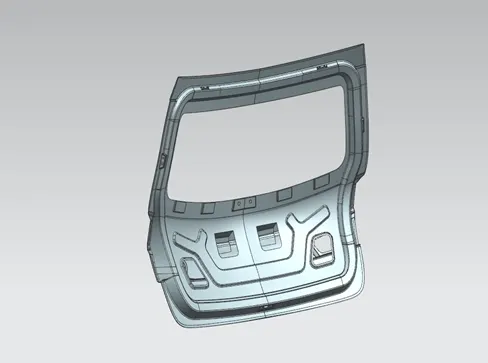
Assembly: After the assembling of all the parts.
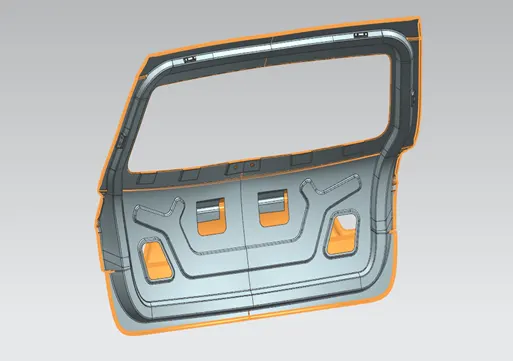
Conclusion:
The Backdoor of the car has been designed by taking consideration of all the design parameters and by providing the necessary reinforcements and embosses.