Design of backdoor
MODELING OF CAR BACK DOOR BY USING NX CAD
Aim :
To design car back door an using styling surface and also design necessary reinforcement by using og NX CAD software
Car Back door (Or) Tail Gate :
A car door is a type of door opening, typically hinged on its front edge, but sometimes attached by other mechanisms such as tracks, for entering and exiting a vehicles. Doors most often integrate side windows for visibility from inside the car and can be locked to secure the vehicle.
Car doors may be manually operated or with power assist supplied by the vehicle. Powered doors or power doors may be found on minivans, luxury vehicles, or modified cars .
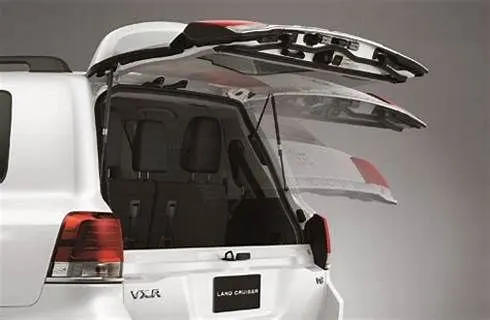
Main parts of back door design :
1. Inner panel
2. Outer panel
3. Hinge mounting area
4. Striker locking area
5. Gas stay mounting area
6. Wiper motor mounting area
7. Reinforcement parts
Design approach
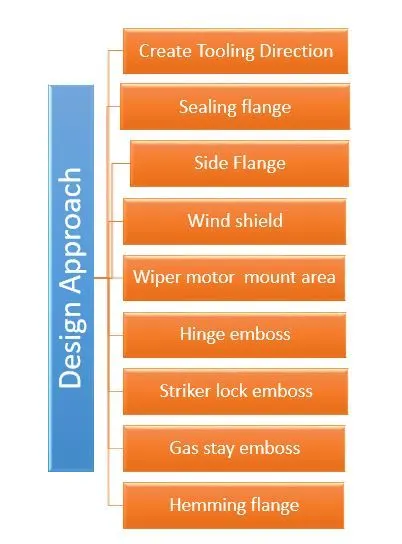
Tooling Direction :
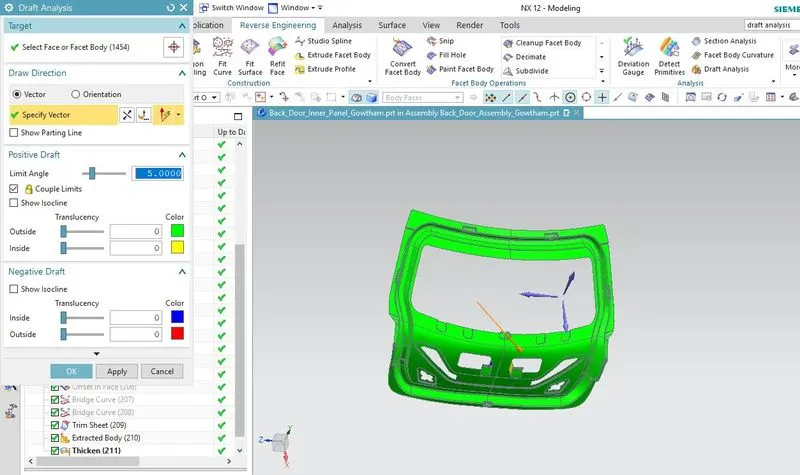
Now that I have my initial styling element in, I need to create some critical inputs. The first critical input that I'm going to generate is a tooling direction, or a die line. The die line is going to be used as a reference for all of my angled or drafted or tapered faces. It's going to define the direction that the tool separates. So, there's a core and a cavity. The two halves of the tool basically come together, and separate, which allow the part to eject out or come out. And that tooling direction defines the direction that those tools travel or the core actually travels away from the cavity. And it's very important you set this up correctly. You may get this from an engineering team. Manufacturing may provide you with tooling direction. But, somewhere out there somehow you have to have a tooling direction. So, first thing I'm going to do to define that is set up some references in turn over the model. And I'm just going to go in to my datum CSYS here. I'm going to…
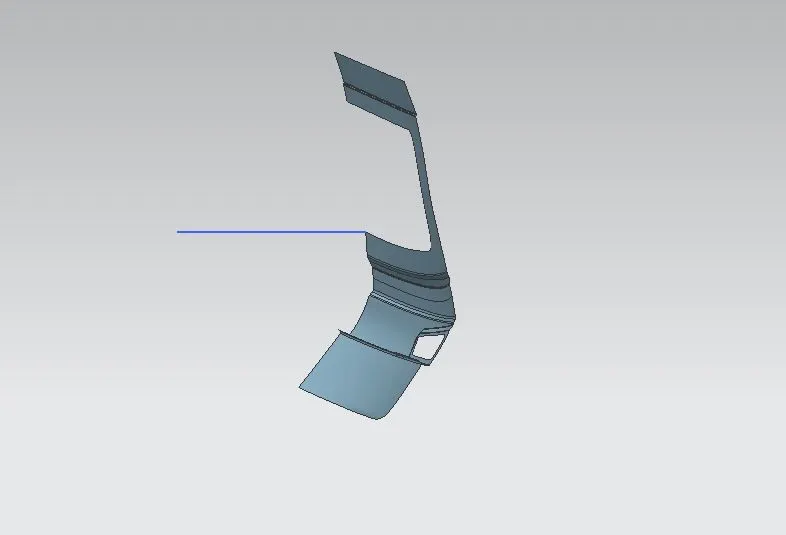
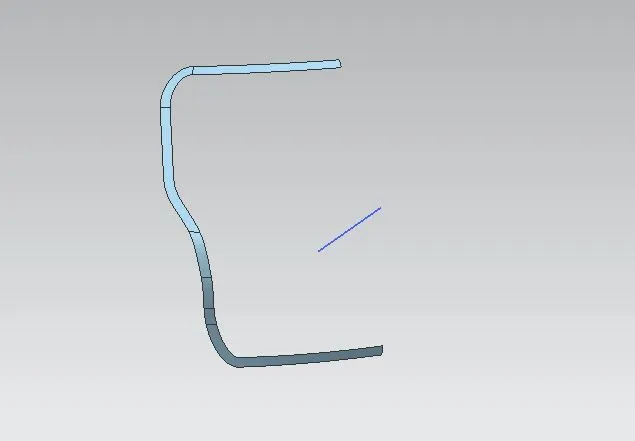
Sealing flange :
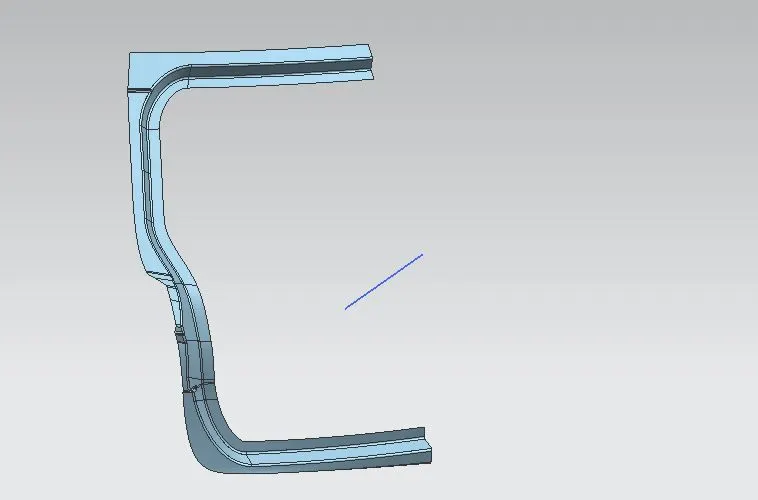
Conecting Flange :
Wiper motor mounting area:
wiper is a device used to remove rain, snow, ice, washer fluid, water, and/or debris from a vehicle front windows so the vehicle's operator can better see what's ahead of them. Almost all motor vehicle, including cars, trucks, buses, locomotive and some aircraft —are equipped with one or more such wipers, which are usually a legal requirement.
A wiper generally consists of a metal arm; one end pivots, the other end has a long rubber blade attached to it. The arm is powered by a motors, often an electric motor, although pneumatic is also used for some vehicles
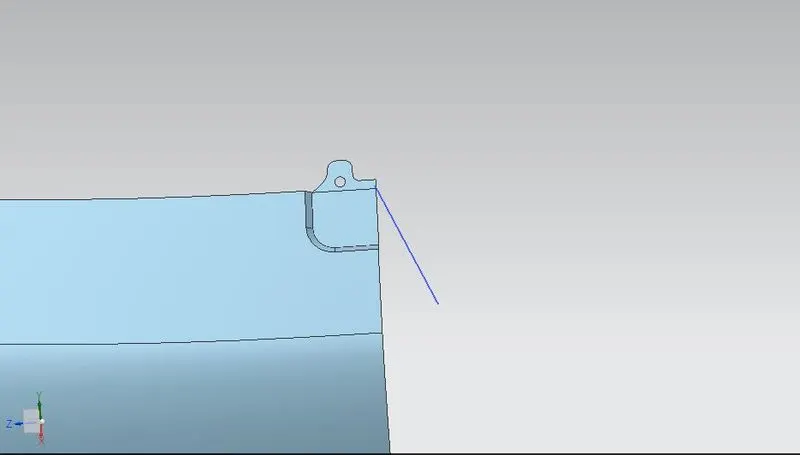
Mastic point and "Y" emboss :
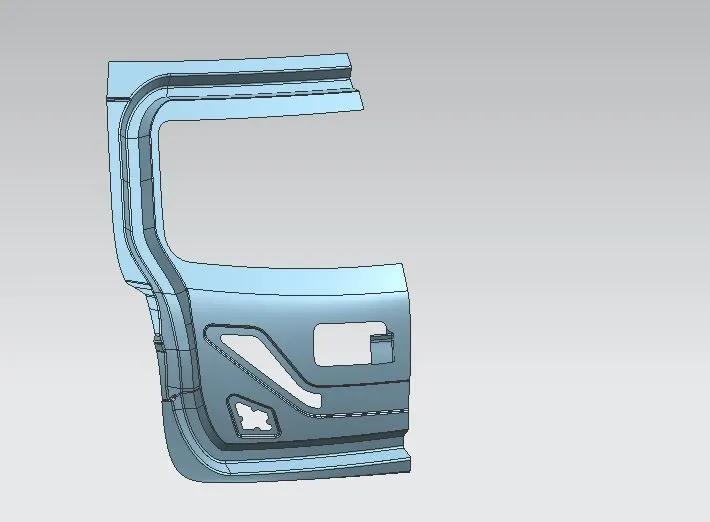
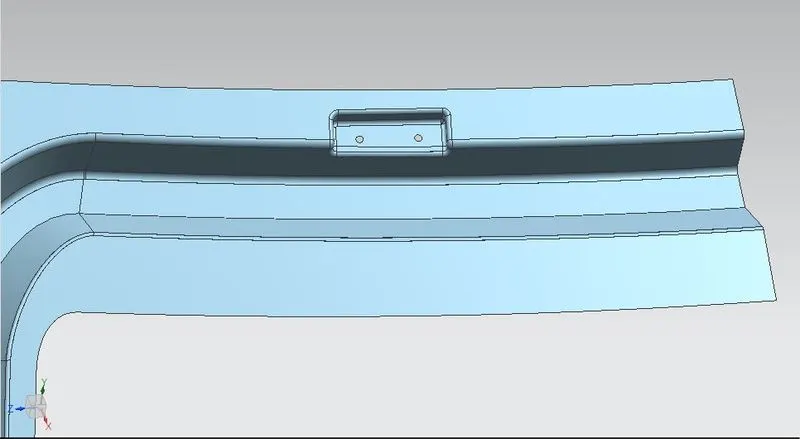
Hinge emboss :
A hinge is a mechanical bearing that connects two solid objects, typically allowing only a limited angle of rotation between them. Two objects connected by an ideal hinge rotate relative to each other about a fixed axis of rotation: all other translations or rotations being prevented, and thus a hinge has one degree of freedom. Hinges may be made of flexible material or of moving components. In biology, many joints function as hinges like the elbow joint.
Gas stay emboss :
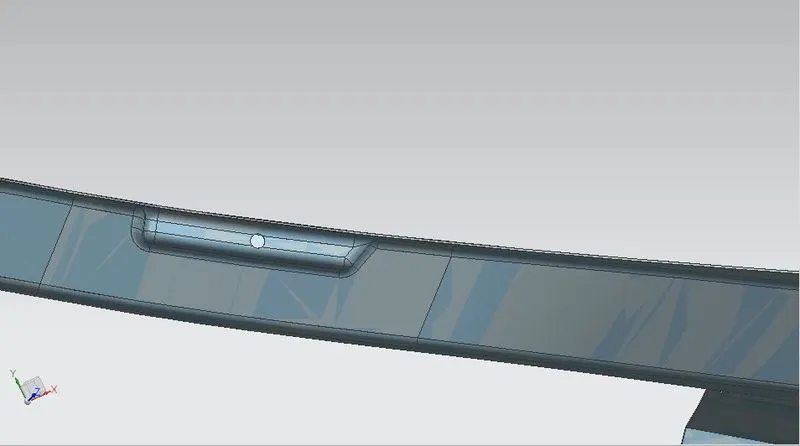
A gas spring is a type of spring that, unlike a typical mechanical spring that relies on elastic deformation, uses compressed gas contained within an enclosed cylinder sealed by a sliding piston to pneumatically store potential energy and withstand external force applied parallel to the direction of the piston shaft. Common applications include automobiles
Striker lock emboss :
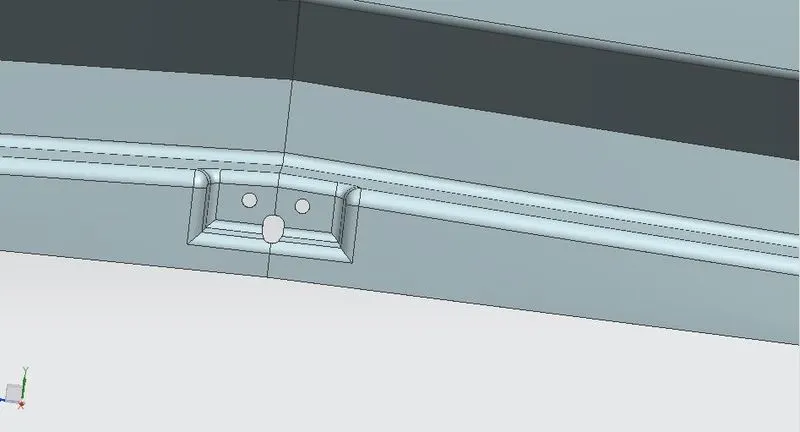
A latch or catch (called sneck in Northern England and Scotland) is a type of mechanical fastner that joins two (or more) objects or surfaces while allowing for their regular separation. A latch typically engages another piece of hardware on the other mounting surface. Depending upon the type and design of the latch, this engaged bit of hardware may be known as a keepee or strike.
Hemming flange :
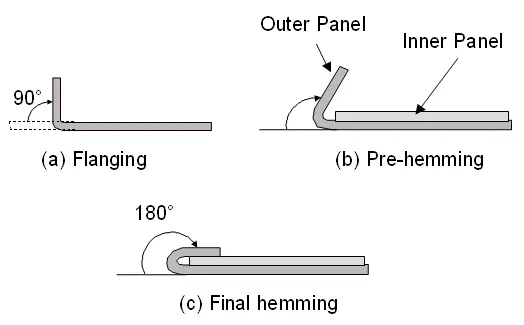
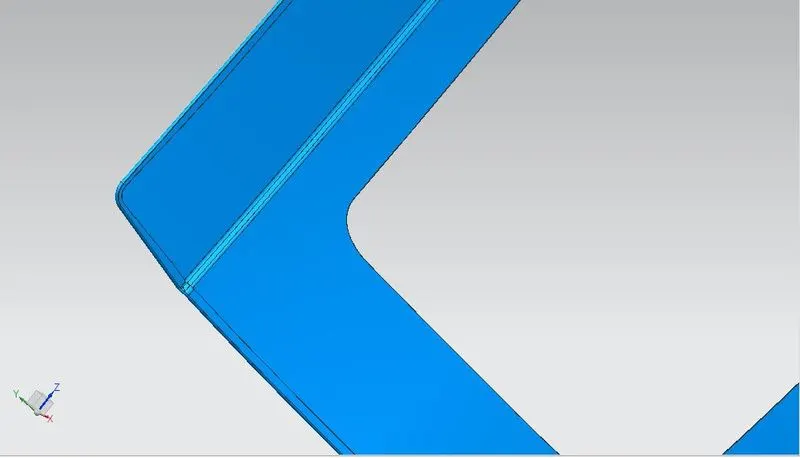
Hemming is a technology used in the automotive industry to join inner and outer closure panels together (hoods, doors, tailgates, etc.). It is the process of bending/folding the flange of the outer panel over the inner one. The accuracy of the operation significantly affects the appearance of the car’s outer surfaces and is therefore a critical factor in the final quality of a finished vehicles
Draft Analysis
I'm going to go into the Analysis tab and do what's called a Draft Analysis. The way this works is you need to pick the body you want to perform the draft analysis on. So I'm just going to come over here, say Body Faces, select by part, and once I have that next I need to do is specify my vector for my draw. So I'll come in here, specify my vector, again I'll pick my die line. As you can see that die line comes in very handy
Reinforcement
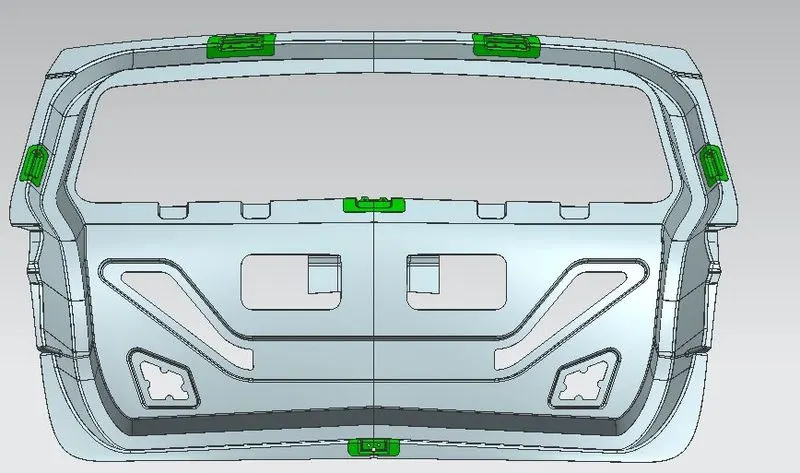
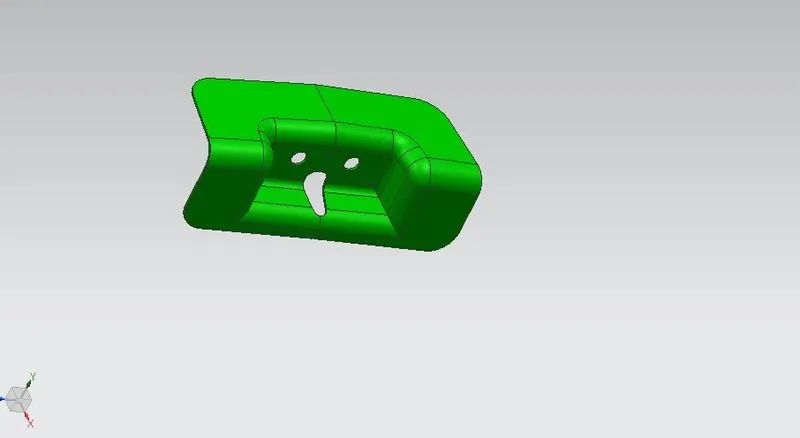
Reinforcement is a consequence applied that will strengthen an organism's future behavior whenever that behavior is preceded by a specific antecedent stimulus. This strengthening effect may be measured as a higher frequency of behavior longer duration , greater magnitude (e.g., pulling a lever with greater force), or shorter latency . There are two types of reinforcement, known as positive reinforcement and negative reinforcement; positive is whereby a reward is offered on expression of the wanted behaviour and negative is taking away an undesirable element in the persons environment whenever the desired behaviour is achieved.
Manufacturing process
Blanking :
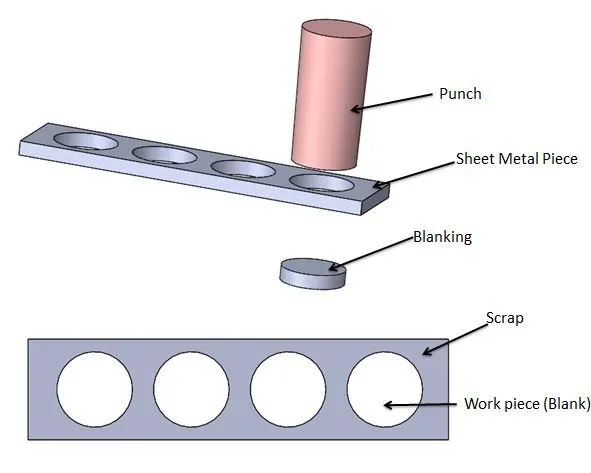
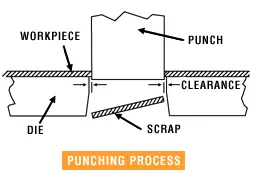
Manufacturers use blanking to punch pieces in specific shapes from sheets or strips of raw material. The punched-out piece is called the “blank,” hence the term “blanking.” Blanking is most often performed with tools made from hardened steel or carbide, which work on metals like aluminum, carbon steel, stainless steel, and even plasti
Piercing :
Piercing is a metal forging technique that is often performed as an auxiliary process in conjunction with other forging processes, in the manufacture of a part. It can be used to create a cavity or hole in the work piece. Piercing does not break through the metal's surface, like a drilling operation.
Deep drawing :
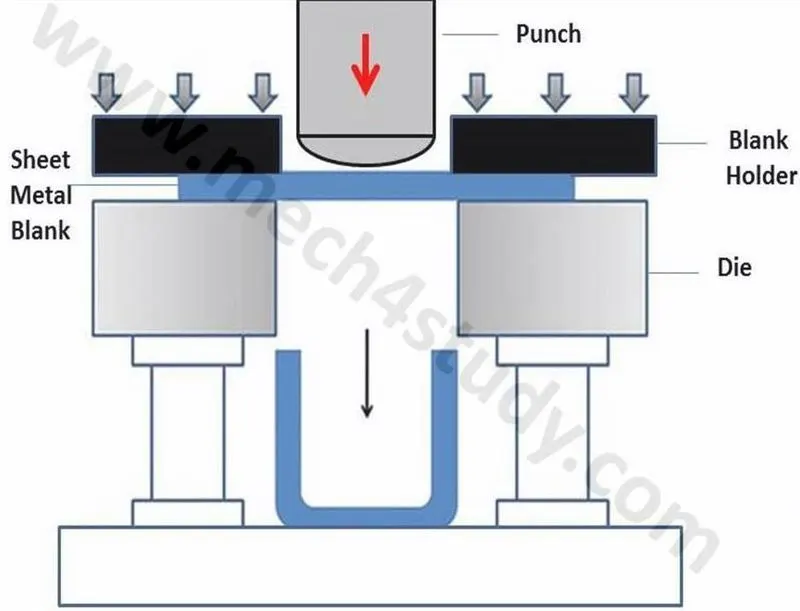
Deep drawing is a sheet metal forming process in which a sheet metal blank is radially drawn into a forming die by the mechanical action of a punch. It is thus a shape transformation process with material retention. The process is considered "deep" drawing when the depth of the drawn part exceeds its diameter. This is achieved by redrawing the part through a series of dies. The flange region (sheet metal in the die shoulder area) experiences a radial drawing stress and a tangential compressive stress due to the material retention property. These compressive stresses result in flange wrinkles (wrinkles of the first order). Wrinkles can be prevented by using a blank holder, the function of which is to facilitate controlled material flow into the die radius.
Hemming :
1. Hemming is a sheet metal forming process in which sheets are joined by bending it to 180°.
2. Hemming is two similar metal working processes in which a sheet metal edge is rolled over onto itself. Hemming is the process in which the edge is rolled flush to itself, while a seam joins the edges of two materials.