Design of backdoor
Design of backdoor
Aim:
To design a safe, aesthetically pleasing, and functional back door and inner panel that seamlessly integrates with the overall vehicle design
Introduction:
The back door of a car serves as a crucial element in both design and functionality, playing a pivotal role in passenger ingress and egress, cargo loading, and overall vehicle aesthetics. As an essential component of automotive design, the back door not only provides access to the rear seating area but also contributes significantly to the vehicle's structural integrity, safety features, and overall user experience.

The material used in making the back door of a car can vary depending on factors such as the specific design requirements, performance goals, and cost considerations of the vehicle manufacturer. Traditionally, steel has been the primary material of choice for constructing car doors due to its strength, durability, and relatively lower cost compared to alternatives. However, as automotive engineering advances, manufacturers are increasingly exploring alternative materials to improve performance and meet evolving industry standards Apart from steel, aluminum has become a popular material for manufacturing car doors, including the back door.
Types of Door Opening:
- Top-mounted door
- Side-mounted door
- Bottom Door
manufacturing process
Deep Drawing:
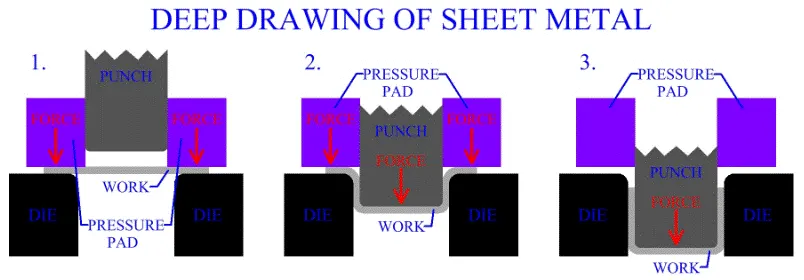
Deep drawing is a manufacturing process used to form sheet metal into various shapes, typically those with depth greater than their diameter. It's a type of metal forming process commonly used in industries such as automotive, aerospace, appliance manufacturing, and more. Deep drawing involves the progressive deformation of a flat sheet metal blank into a three-dimensional shape using a punch and die set.
 \
\
Hemming
Hemming is a manufacturing process commonly used in the automotive industry and sheet metal fabrication. It involves folding the edge of a sheet metal component over onto itself to create a smooth and safe edge, often used for joining panels together or reinforcing edges. Hemming is particularly important in automotive manufacturing for creating smooth and aesthetically pleasing exterior body panels while also improving structural integrity and safety.
Joining inner and outer panels through the process of hemming is a common practice, especially in industries like automotive manufacturing. This technique is often used in the production of vehicle body structures, where inner and outer panels need to be securely joined to create a rigid and cohesive assembly.
Roll Hemming
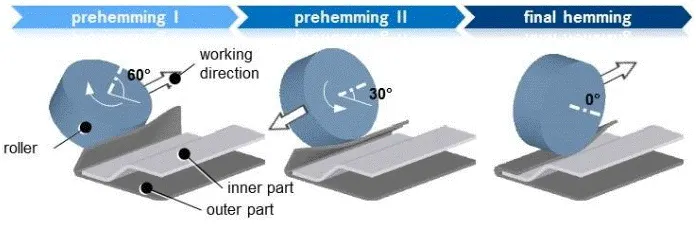
In roll hemming, the hemming roller is guided by an industrial robot to form the flange. This automated process offers several advantages, including increased flexibility, precision, and efficiency in the hemming operation.
Conventional die hemming
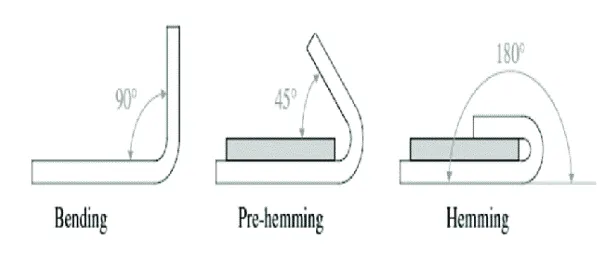
Conventional die hemming, also known as die-based hemming, is a manufacturing process used to join two or more sheet metal components by folding or bending one component's edge over the edge of another using a die set. This process is commonly employed in various industries, including automotive, aerospace, appliance manufacturing, and more.
Design of backdoor
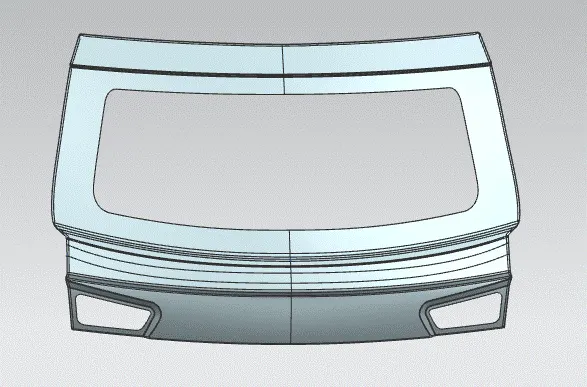
The outer panel is the part of the back door that is most visible to the eye, making it essential for defining the vehicle's overall appearance. It contributes significantly to the vehicle's exterior design and aesthetic appeal, influencing consumer perception and brand image.
Outer Upper Panel:
- The outer upper panel typically encompasses the upper portion of the back door, extending from the window line or beltline to the top edge of the door. outer panel contributes significantly to the overall styling and character of the vehicle's rear profile
Outer Lower Panel
The outer lower panel typically covers the lower portion of the back door, extending from the beltline or character line to the bottom edge of the door. outer panel is often less visible but still plays a crucial role in the vehicle's overall design and functionality.
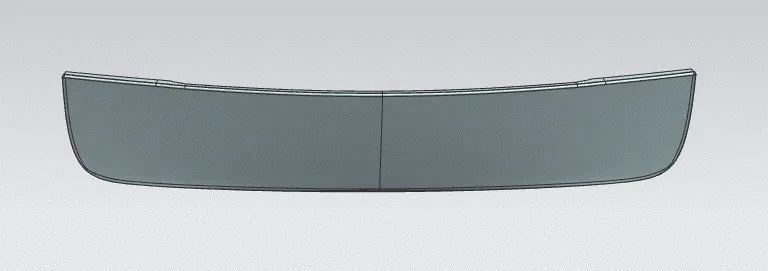
Outer Upper & Lower Panel
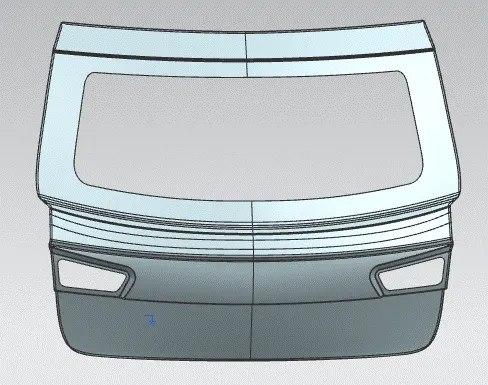
Tooling direction
Before designing the inner panel of the back door, establish the tooling direction for deep drawing. Begin by thoroughly inspecting the styling surface of the back door to detect any irregularities, imperfections, or inconsistencies. This step ensures that the tooling direction is optimized for accurate and efficient manufacturing, maintaining the quality and integrity of the final product.
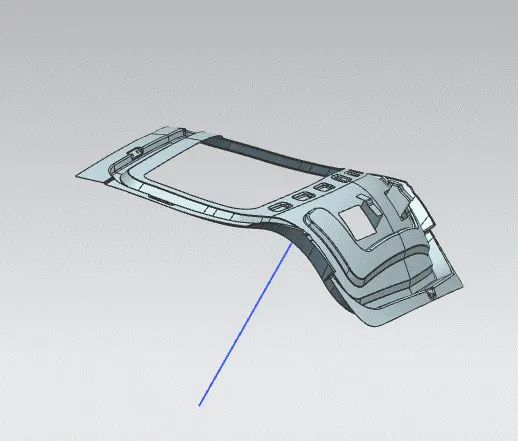
Back Door inner panel
The back door inner panel is a structural component located inside the back door of a vehicle. It provides support, attachment points for various components, and contributes to safety, comfort, and durability. Made from materials like stamped steel or aluminum, it's designed to withstand impacts, absorb noise and vibrations, and resist corrosion. Integrated features include side impact beams for safety, insulation for noise reduction, and mounting points for door hardware. Its design and manufacturing ensure optimal performance, crashworthiness, and longevity, while also meeting regulatory standards and enhancing overall vehicle quality.
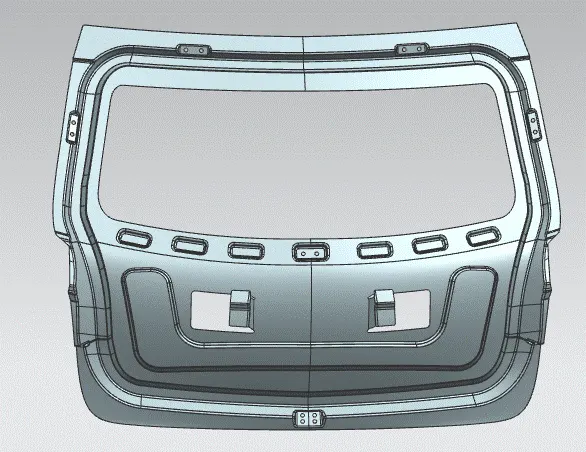
Designing the reinforcements:
Hinge Reinforcements
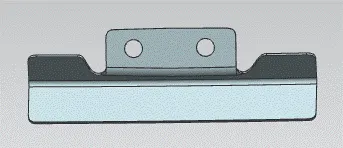
Hinge reinforcements are structural elements added around hinge mounting points to improve strength and durability. They help distribute forces and prevent deformation, ensuring smooth door operation and enhancing overall vehicle safety.
Gas Stay Reinforcements
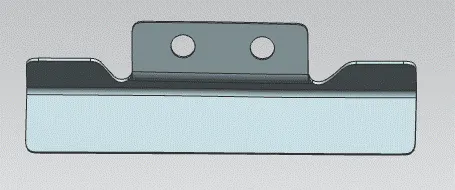
Gas stay reinforcements are structural supports designed to strengthen the area where gas struts or stays are mounted on a vehicle. They provide additional rigidity to handle the forces exerted by the gas struts, ensuring proper functioning and stability of components like hoods and liftgates. These reinforcements help prevent deformation and ensure reliable operation of the gas stay mechanism.
Wiper motor Reinforcement
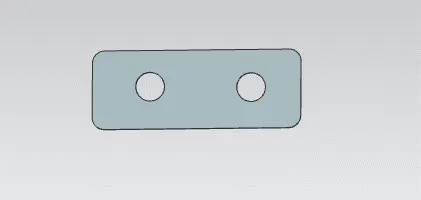
Wiper motor reinforcement is a structural feature designed to support the mounting area of the windshield wiper motor. It enhances the rigidity of the panel where the motor is attached, ensuring secure installation and stable operation. This reinforcement helps absorb vibrations and impacts, preventing deformation and maintaining the proper functioning of the wiper system.
Latch and Striker Reinforcement:
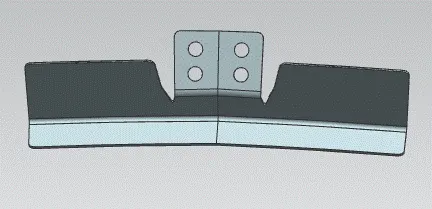
Latch and striker reinforcements are designed to strengthen the areas where the door latch and striker mechanisms are mounted. These reinforcements provide additional support to handle the forces involved during door operation, ensuring proper alignment and secure engagement. They help prevent deformation and ensure the reliable function of the door latch system, enhancing overall vehicle safety and performance.
Hemming:
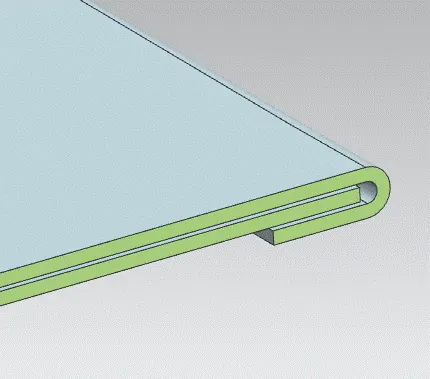
Hemming is a manufacturing process used to fold and secure the edge of a metal sheet, often in automotive applications. It involves bending the edge of a panel over itself to create a smooth, finished edge. This process improves the panel’s appearance, enhances its strength, and helps prevent sharp edges. Hemming is commonly used in the assembly of car doors, hoods, and trunk lids to ensure a clean and secure fit.
Draft Analysis:
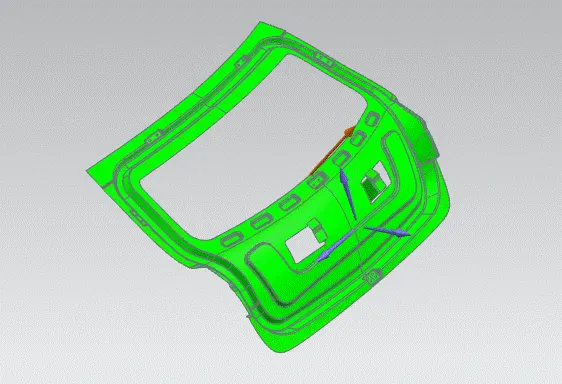
Draft analysis is a critical step in the iterative process of refining and improving drafts across different fields and disciplines. It helps identify strengths, weaknesses, and areas for enhancement, ultimately leading to the development of high-quality, polished final versions.
Back door.zip - File size should be < 20>
https://drive.google.com/file/d/1YfC89fkMuXFCAsEYQ8epxrMW3vuuwvUo/view?usp=sharing