Design of backdoor
Report on Car Back Door Design
Executive Summary:
The back door of a car is a critical component that plays a pivotal role in both the aesthetics and functionality of the vehicle. This report provides an overview of different types of back door designs, manufacturing processes, and key considerations in the design process.
1. Types of Back Door Designs:
a. Hatchback Design:
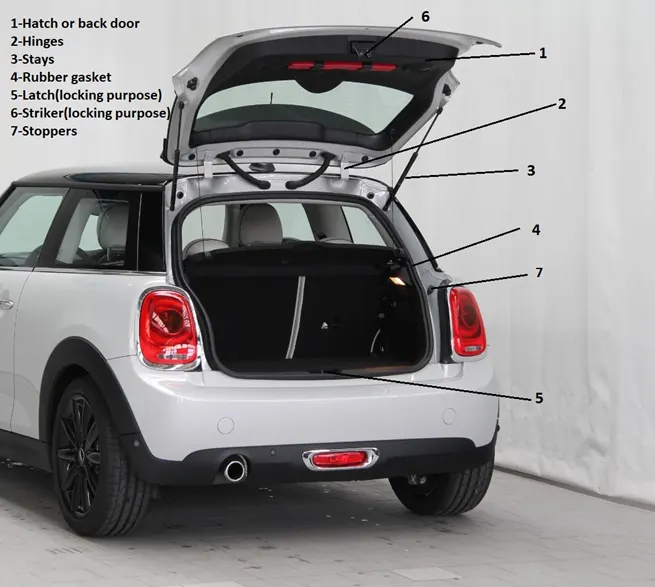
Single-piece door that includes the rear windshield.
Pivots upward, providing access to the cargo space.
b. Sedan Design:
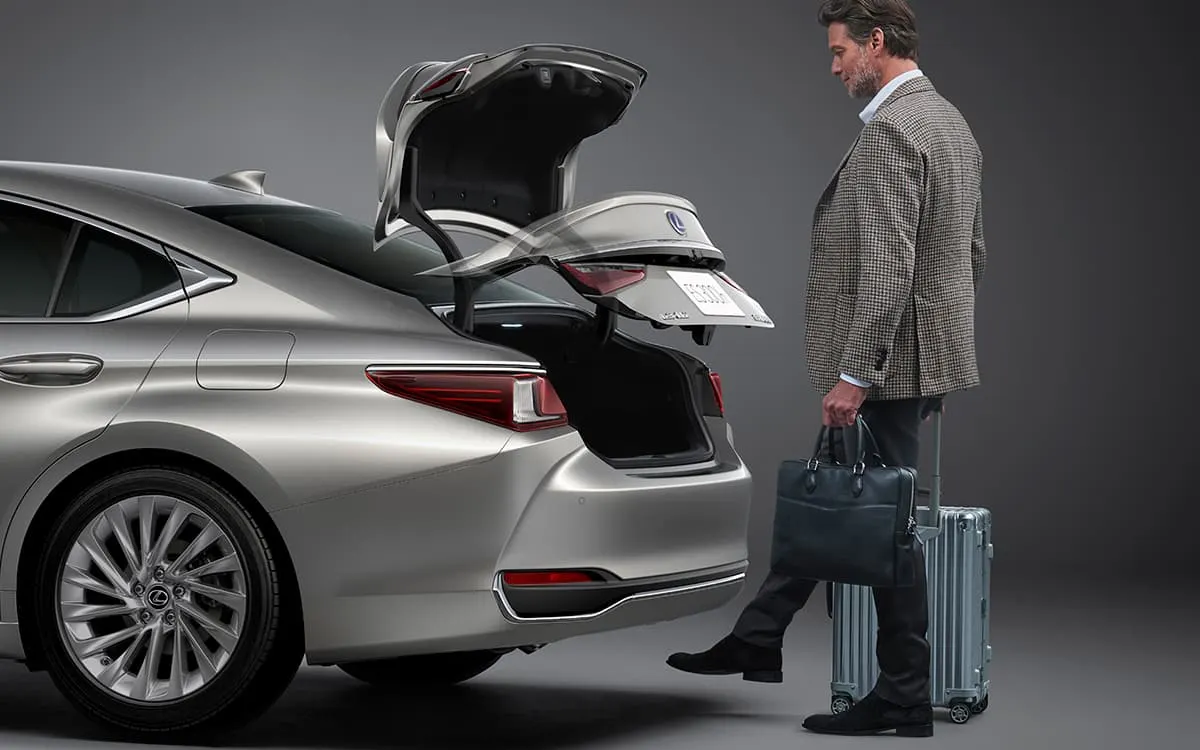
Typically a trunk design, separate from the passenger compartment.
Can be a single piece or split into two parts for added convenience.
c. SUV Design:

Varied designs, including swing-out, liftgate, or split doors.
Emphasis on easy access to the cargo area.
d. Crossover Design:
Often a blend of hatchback and SUV designs.
Balances aesthetics and functionality.
2. Manufacturing Processes for Back Door Design:
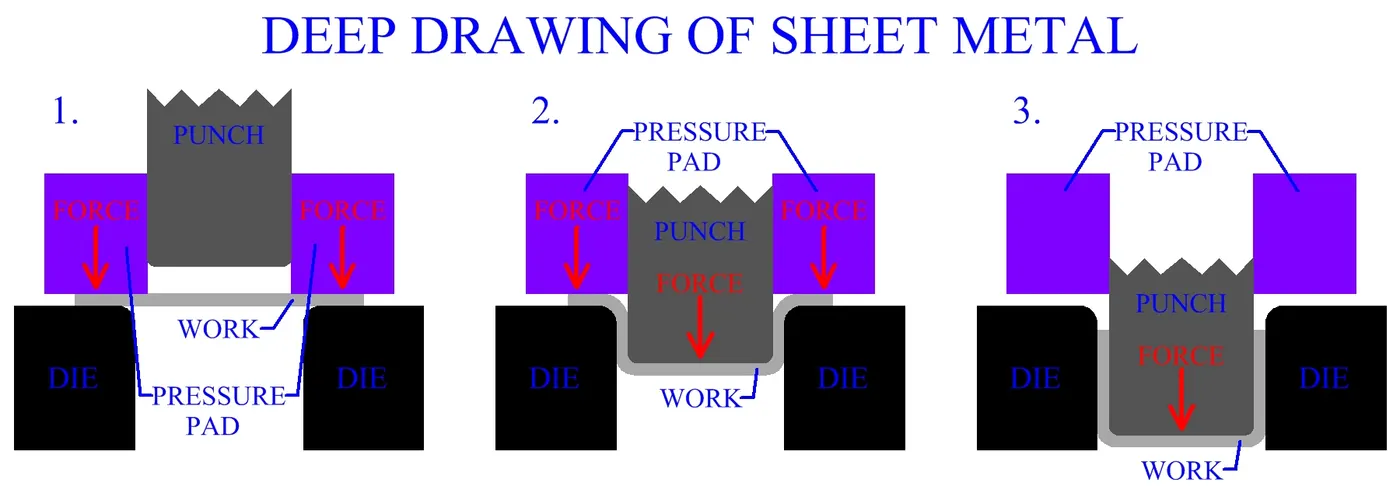
a. Stamping:
Common for metal doors.
Involves pressing a flat sheet of metal into the desired shape using dies.
b. Injection Molding:
Used for plastic components.
Molten plastic is injected into a mold, forming the door components.
c. Hydroforming:
Utilizes fluid pressure to form metal into the desired shape.
Suitable for complex and lightweight designs.
d. Composite Materials:
Increasingly used for weight reduction.
Combines materials like carbon fiber and resin for strength and durability.
3. Design Considerations for Back Door Design:
a. Safety:
Compliance with crash safety standards.
Integration of airbags and crumple zones.
b. Aerodynamics:
Streamlined designs to enhance fuel efficiency.
Consideration of wind noise reduction.
c. Materials:
Balancing strength, weight, and cost.
Selection of materials based on the type of vehicle and design requirements.
d. User Experience:
Ease of use and convenience.
Incorporation of features such as power opening/closing, sensors, and automatic locking.
e. Aesthetics:
Integration with the overall vehicle design.
Harmonization with other exterior features.
f. Accessibility:
Consideration for users with different physical abilities.
Low effort required for opening and closing.
Different parts of Back_door Assembly & Design Consideration
1.a.Inner Panel
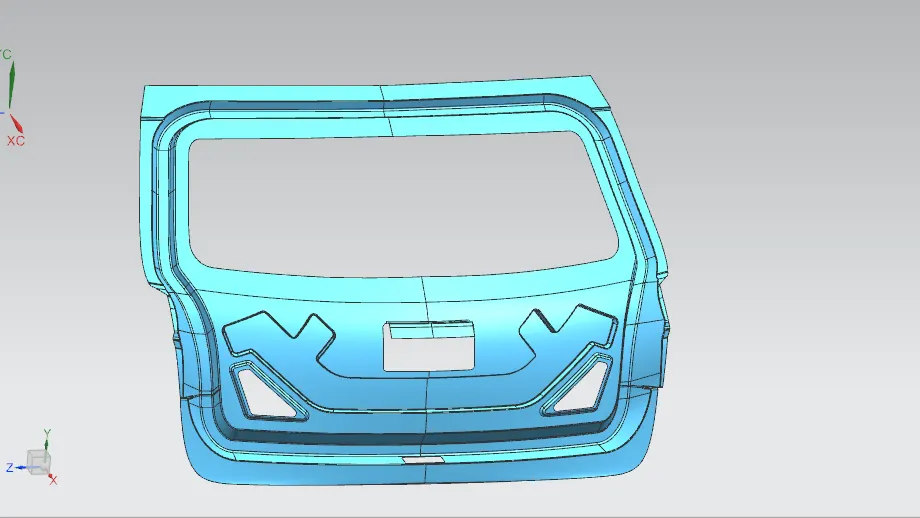
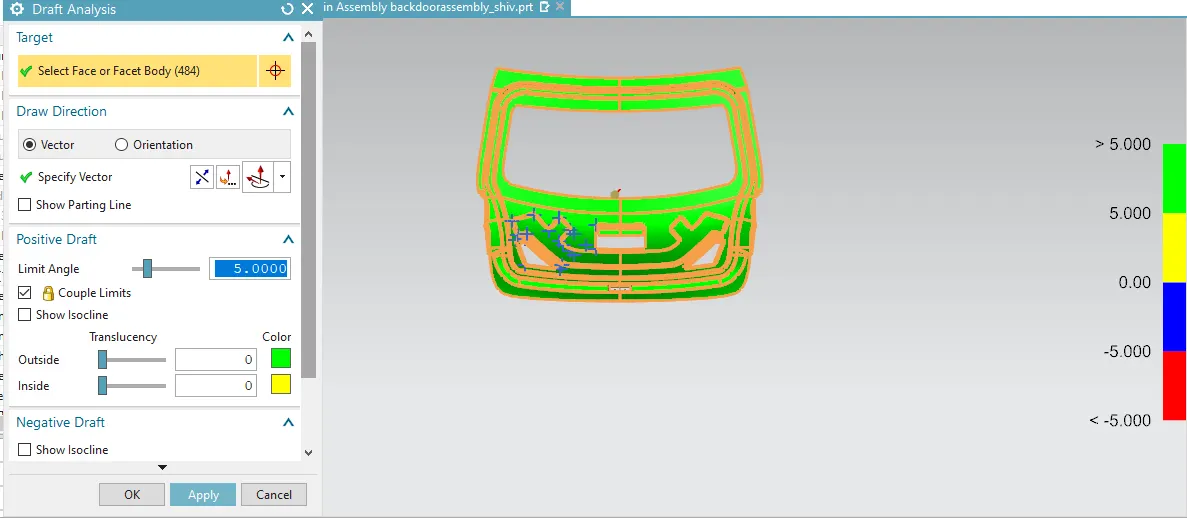
P.S. - Thickening is not happening fpr Inner panel due to some unknown error, hence hemming coudn't be done.
b. Draft Analysis
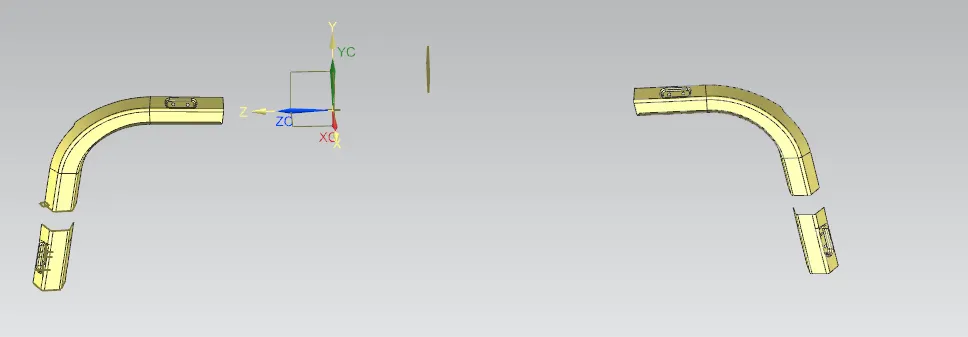
2.Hinge Reinforcement
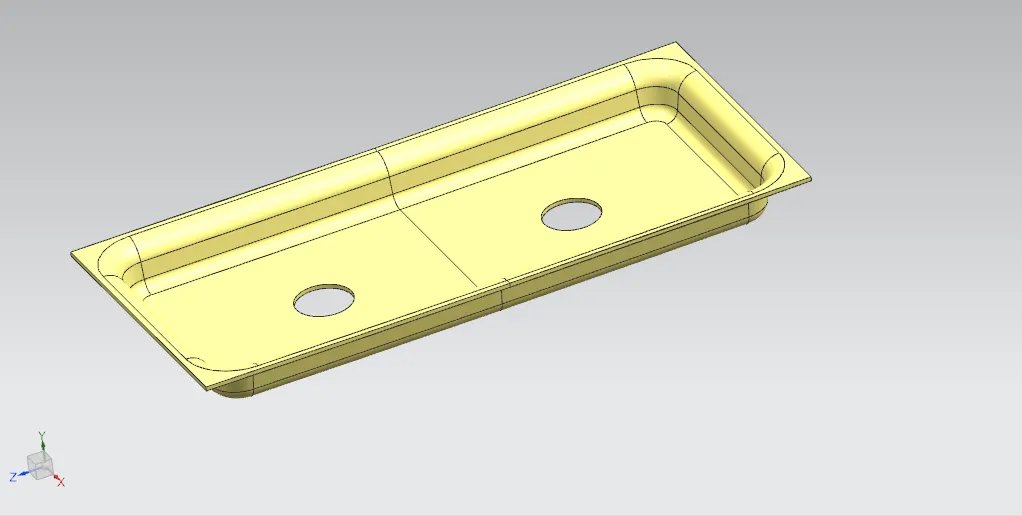
3.Latch and Striker
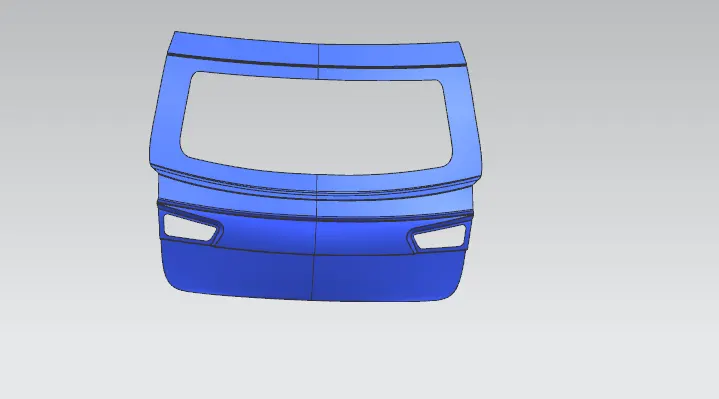
4.Outer Panel
Conclusion:
The back door design of a car is a multifaceted aspect that involves a careful balance between functionality, safety, and aesthetics.
Manufacturers must consider various factors in the design and manufacturing processes to produce doors that meet both regulatory standards and consumer expectations.
As technology advances, future back door designs may incorporate innovations such as smart sensors and advanced materials,
further enhancing the overall driving experience.