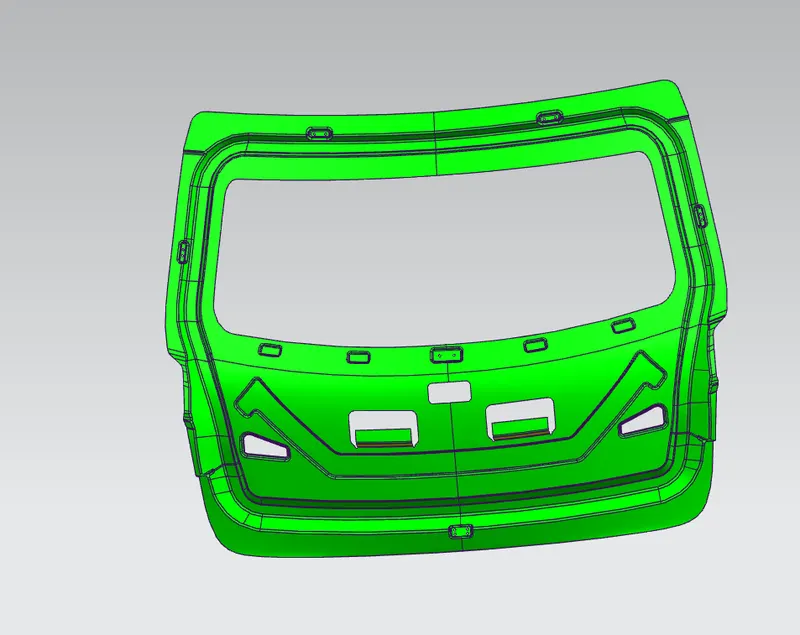
Design of backdoor
INTRODUCTION:
Back doors are an integral part of vehicles providing acess to the rear seating area or cargo space.they are typically hinged and located at the rear of the vehicle.Backdoors can be founds in various types of cars including sedans,SUVs,hatchbacks,and vans.They are designed to be opened and closed easily, allowing passengers to enter or exit the vehicle and facilitating the loading and unloading of items .The design and features of back doors may vary depending on the vehicle model and manufacturer, with some offering powered or automated opening mechanisms for convenience.Safety considerations are also important,as back doors should meet certain standards to protect occupants in the events of a collision.
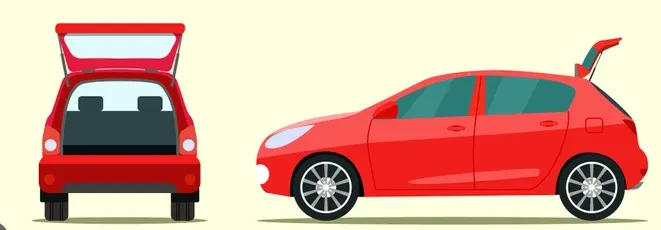
TYPES OF THE BACK DOOR:
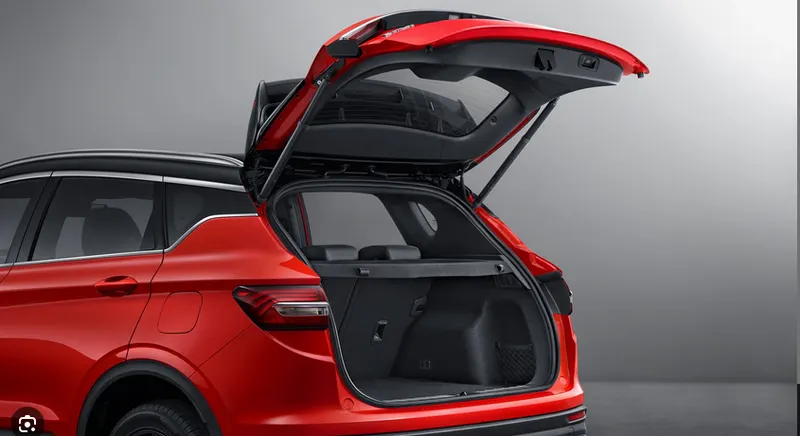
- TOP MOUNTED: Top mounted back doors are a type of back door configuration where the hinges are located at the top of the door frame .This design allows the doors to swiing upwards, providing a wide opening for loading and unloading cargo or accessing the rear seating area.Top mounted back doors are commonly found in SUVs, minivans,and some hatchback models They are often referred as liftgate or tailgate doors

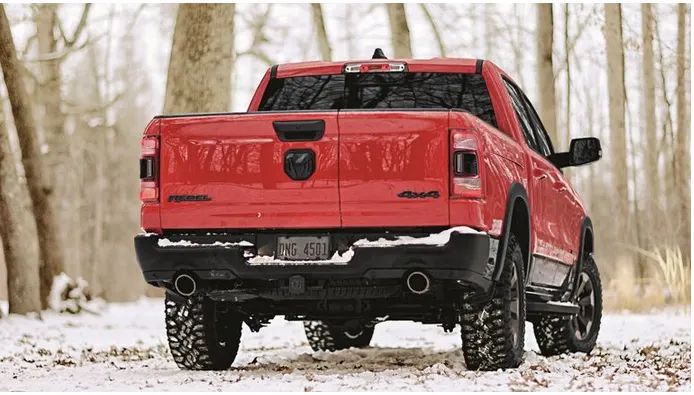
- SIDE MOUNTED DOORS: A side mounted tailgate is a moounted on the side of the vehicle's body.This type of tailgate is commonly ffound on some pickup trucks, such as the honda ridgeline and the ram 1500.Side mounted tailgates offer several advantages over other types of tailgates .First, they provide a wider opening for loading and unloading cargo.Second,they are easier to open and close, especially for people with limited strength.Third,they are less likely to be damged in a collision
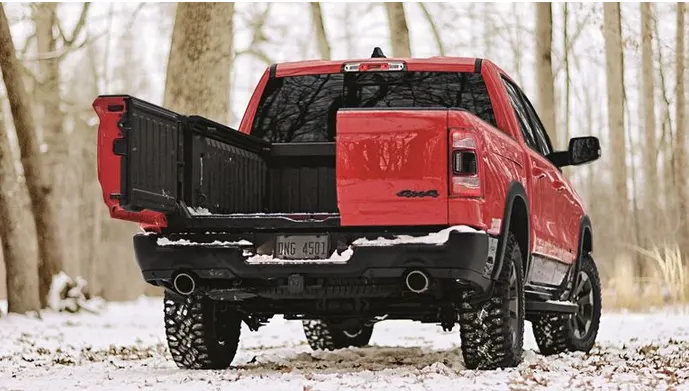
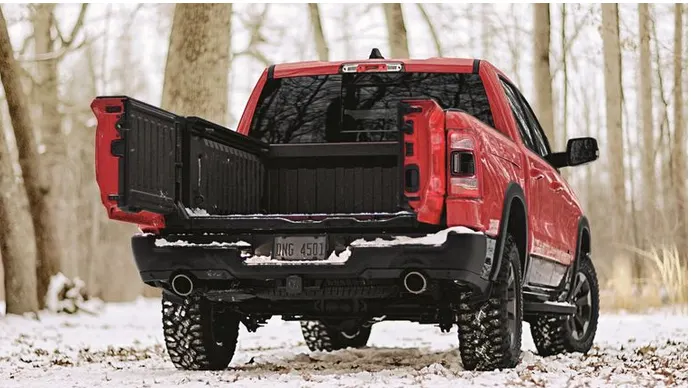
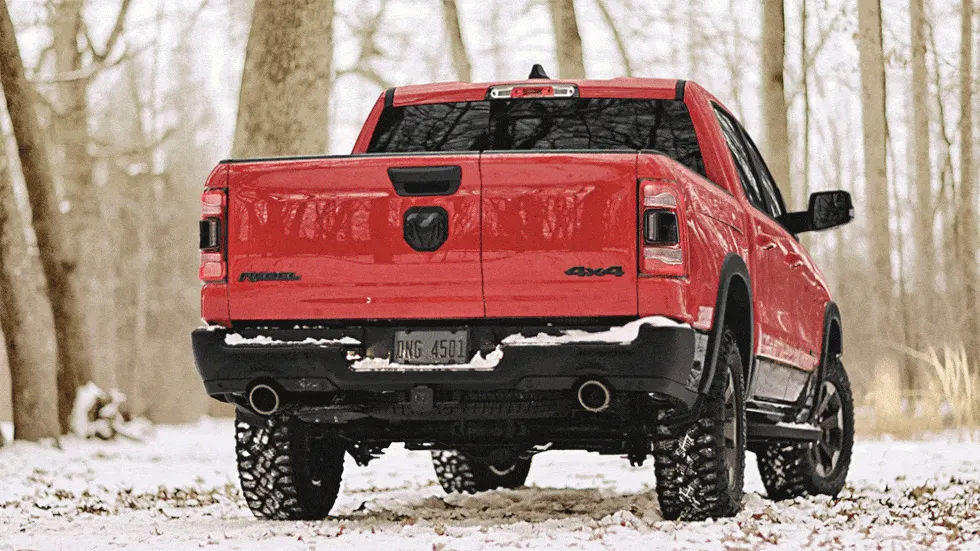
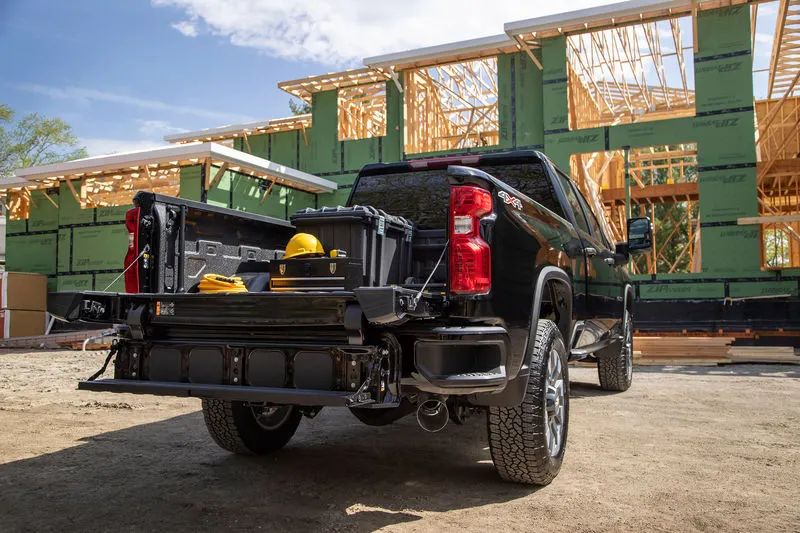
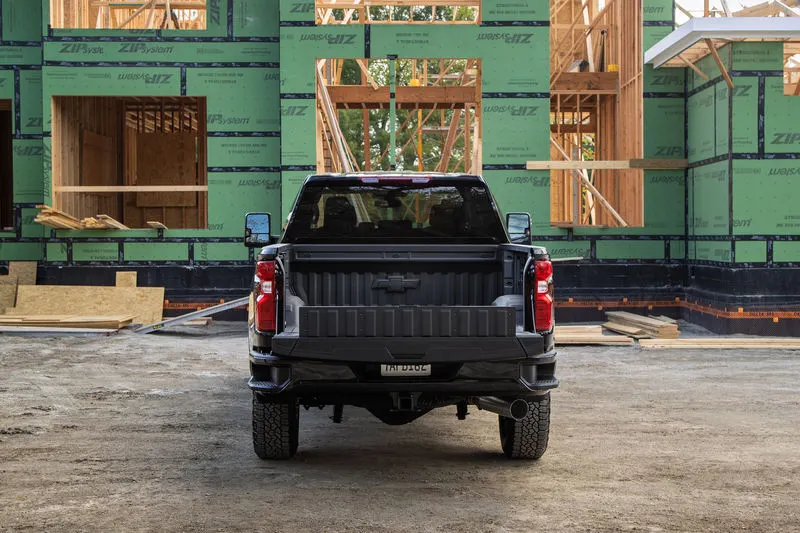
- BOTTOM MOUNTED:A bottom mounted tailgate is a type of tailgate that is mounted on the bottom of the vehicles body.This type of tailgate is commonly found on some pickup trucks,such as the ford F 150 and the chevrolet silverado.Bottom mounted tailgates offer several advantages over other types of tailgates.first they provide a lower opening for loading and unloading cargo


DESIGN METHODOLOGIES:
Tailgate design methodologies are the steps involved in designing a tailgate .The methodologies are typically used by automotive engiineers to ensure that the tailgate meets all of the design requirement such as strength, durability, and manufacturability.
- Conceptual design: The conceptual design phase is where the overall shape and design of the tailgate is determined .This is done byconsidering factors such as the overall styling of the car the functionality of the tailgate, and manufacturability requirement and the styling requirements.
- Detailed Design: The detailed design phase is where the specific dimensions and features of the tailgate are detrmined.This is done by considering factors such as the strength and durability requirements.
- Simulation: Simulation is used to verify that the taligate design meets all of the design requirments. This is done by running computer simulations of the taligate under various loading conditions.
- Manufacturing: The manufacturing process for the taligate is designed and implemented. This includes the design of tooling and fixtures that will be used to manufacture the taligate.
- Testing: The taligate is tested to ensure that it meets all of the design requirments. This includes testing the strength, durability, and functionality of the taligate.
The following are some of the factors that are considered in taligate design methologies:
- Strength: The taligate must be strong enough to withstand the forces that it will be subjected to during use. These forces can include the weight of the door, thw force of the wind , and the force of a collision.
- Durability: The taligate must be durable enough to withstand the wear and tear that it will experience during use. This includes factors such as exposure to the elements and exposure to dirt and debris.
- Manufacturability: The taligate must be manufacturable within the constraints of the manufacturing process. This includes factors such as the cost of manufacturing, the time required to manufacture, and the quality of the manufacturing process.
- Styling: The taligate must be styled to match the overall styling of the car. This includes factors such as the shape of the door, the size of the door, and materials used to make the door.
Here are some of the taligate design methodologies that are commonly used:
- Finite elements analysis(FEA): FEA is a computer-aided engineering (CAE) method that uses the finite element method to analyze the behavior of structures under loading. FEA is used analyze the strength and durability of taligates.
- Crashworthiness analysis: Crashworthiness analysis is used to assess the safety of a taligate in the event of a collision. Crashworthiness analysis is typically performed using FEA.
- Wind tunnel testing: Wind tunnel testing is used to assess the aerodynamics of a taligate does not create excessive drag or lift.
- Manufacturing process design: The manufacturing process for a taligate is designed to ensure that the taligate can be manufactured in a cost-effective and timely manner. The manufacturing pricess design takes into account factors such as the materials, the cost of tooling, and the time required to manufacture the taligate.
- Taligate testing: Taligate are tested to ensure that they meet all the of the design requirments. Taligate testing typically includes testinf the strength, durability and functionality of the taligate.
Taligate design methodologies are an important part of the process of designing a car. By following these methodologies, automotive engineers can ensure that the taligate meets all of the design requirments and that it is manufactured in a cost-effective and timely manner.
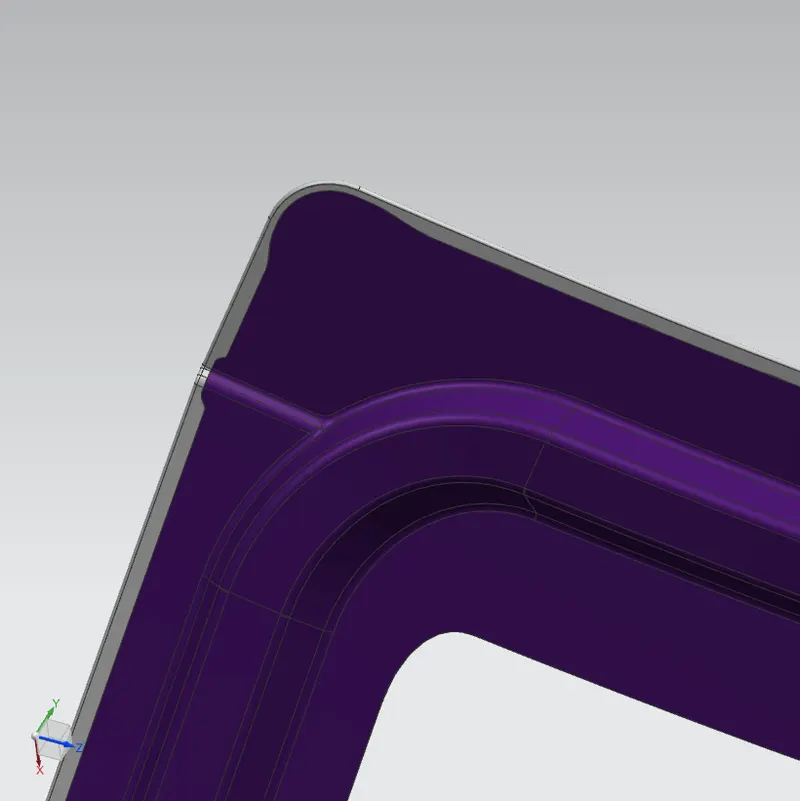
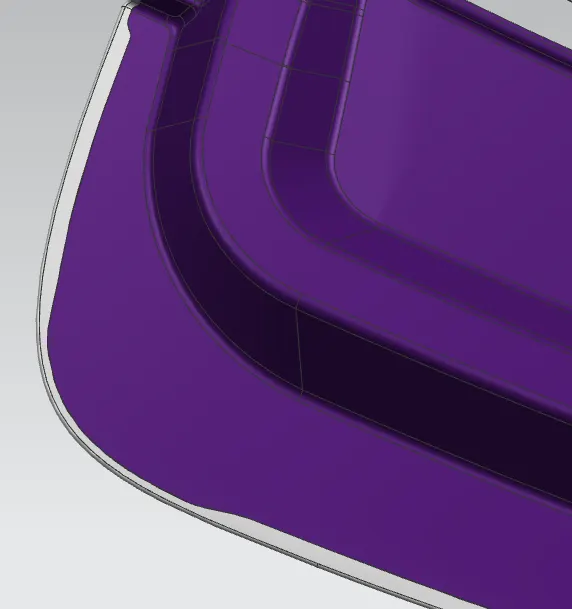
EMBOSSING:
HEMMING:
HEMMING RELIEF:
BACK DOOR ASSEMBLY:
Inner Panel: The inner panel is the interior surface of the back door assembly. It is typically made of a sturdy material such as plastic or composite. The inner panel provides sturctural support and contributes to the overall asethetics of the door. It may include features such as armrests, handles and trim pieces.
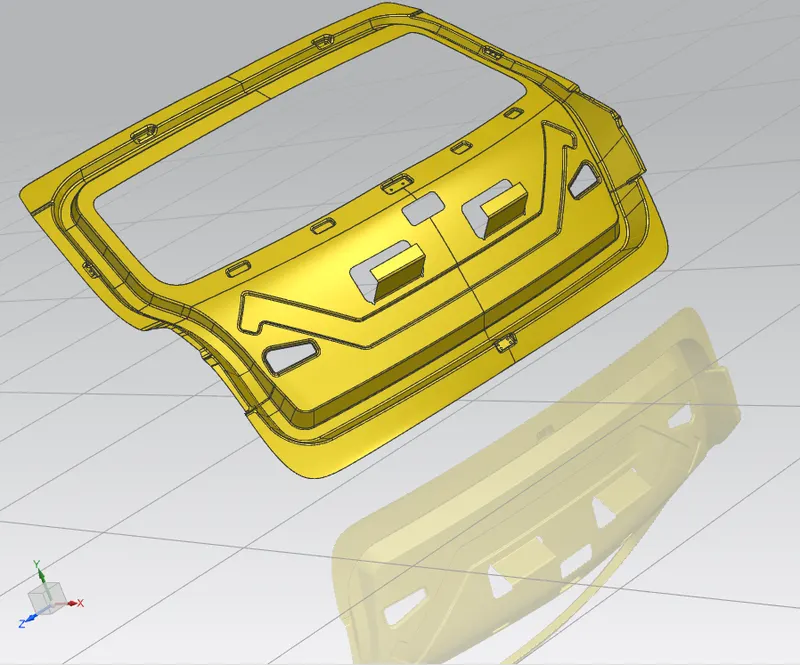
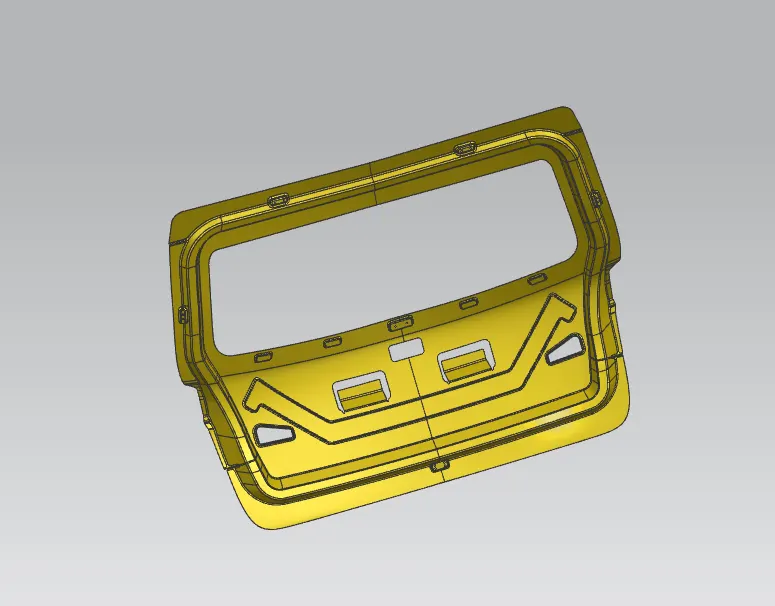
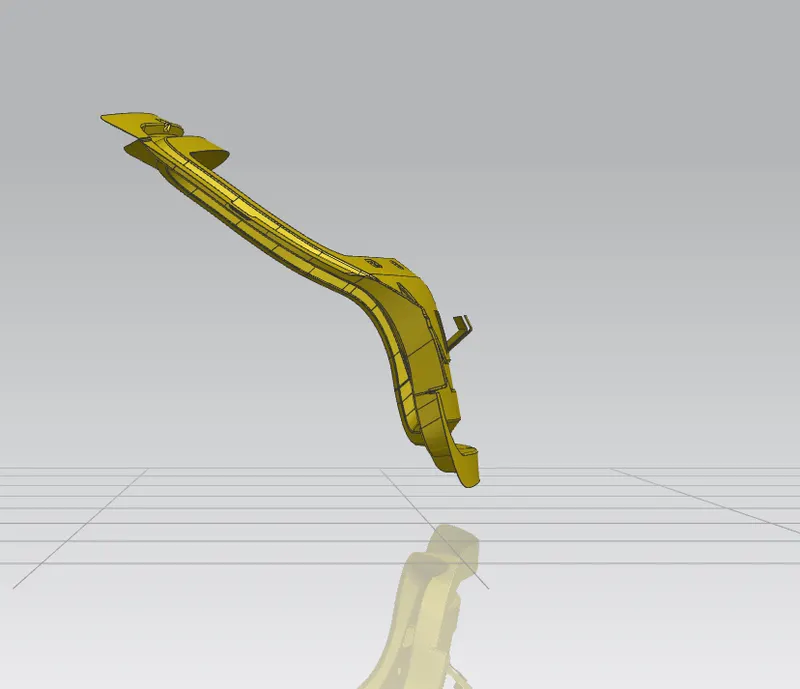
Outer panel: The outer panel is the exterior surfacee of the back door assembly.It is usually made of meetal, such as steel or aluminum.The outer panel is designed to provide protection to th vehicle's interior and withstand impacts.It is shaped and styled to match thee overall design of the vechicle.
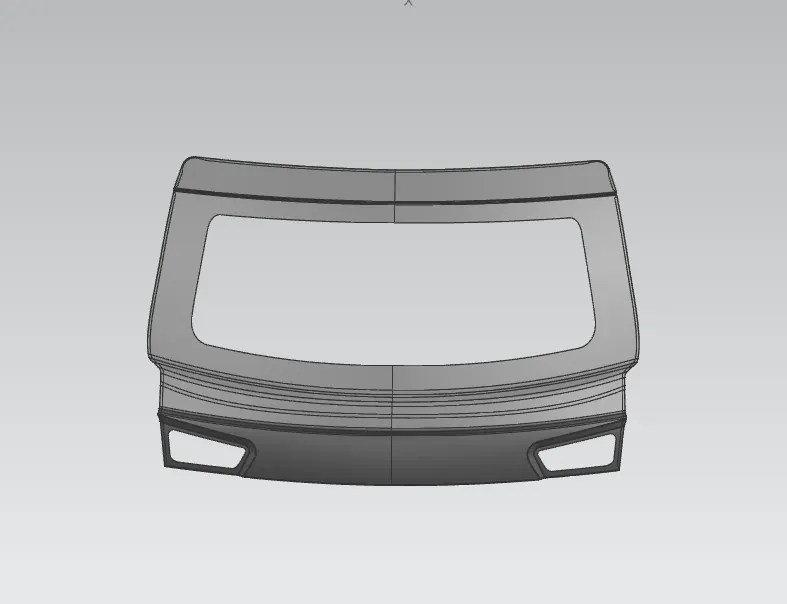
UPPER PANEL
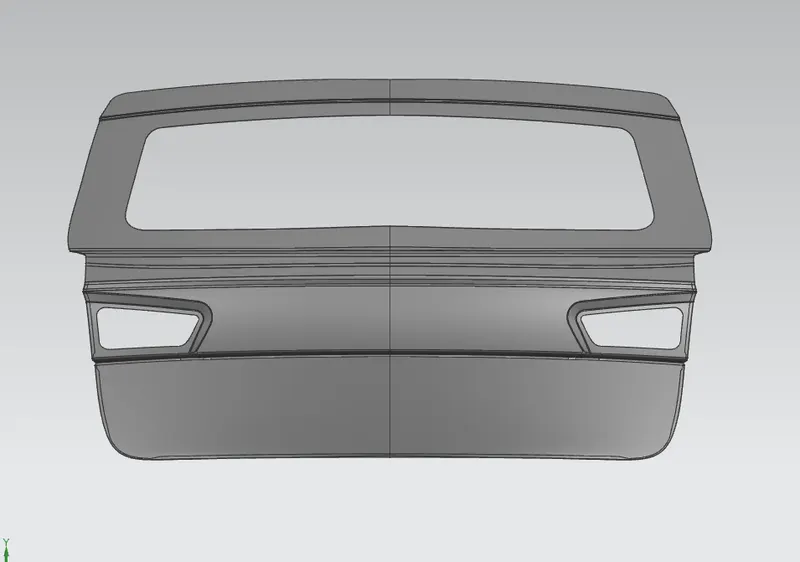
LOWER PANEL
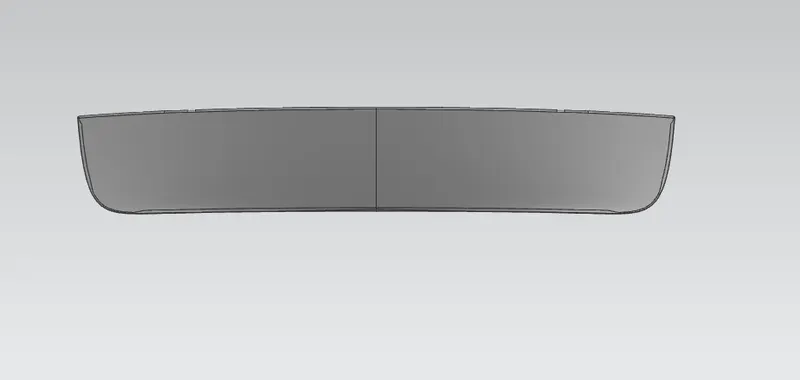
OUTER PANEL
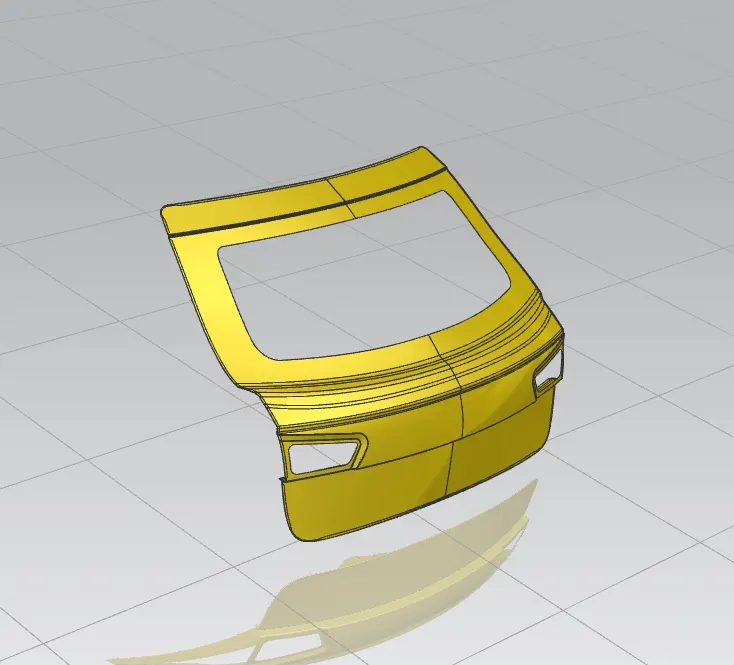
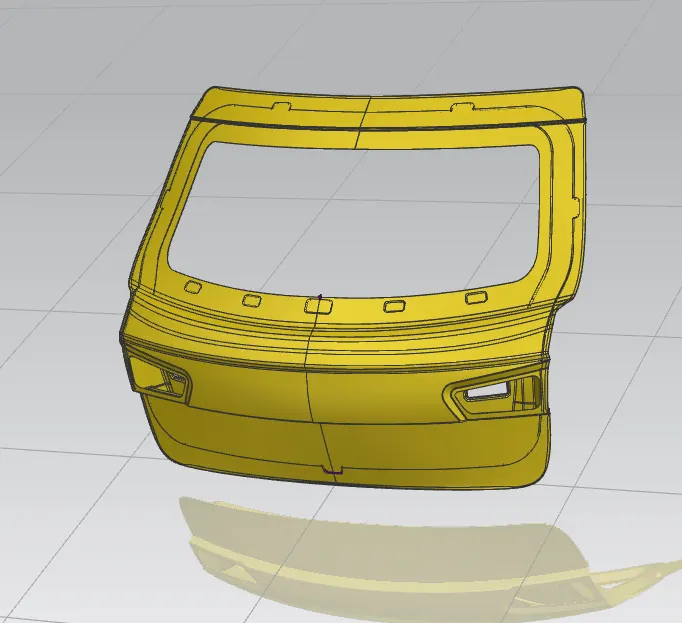
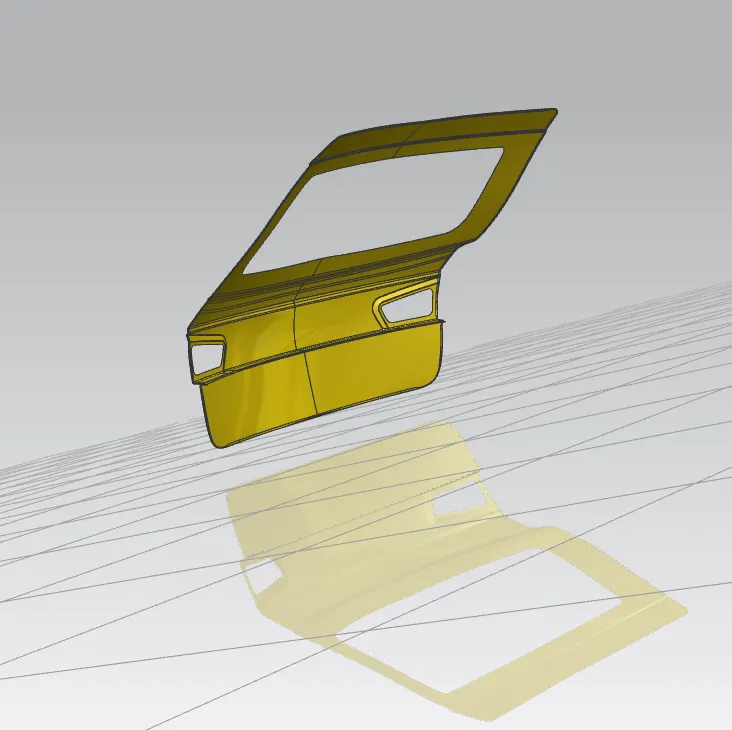
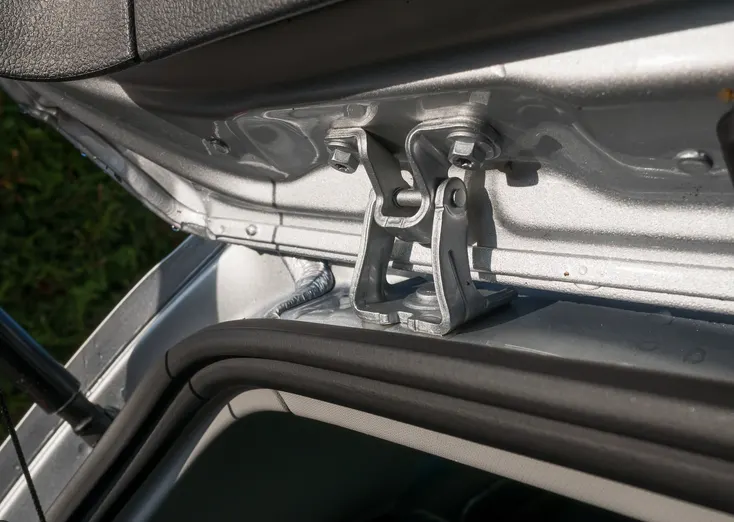
Hinge and its Reinforcement :The hinge is a mechanism that allows the back door to pivot and swing open or closed.it is typically attached to both the back door and the vehicle's body.the hinge reinforcement is a structural component that strengthens the attachment point between the hinge and the door or body ensuring stbiility and durability
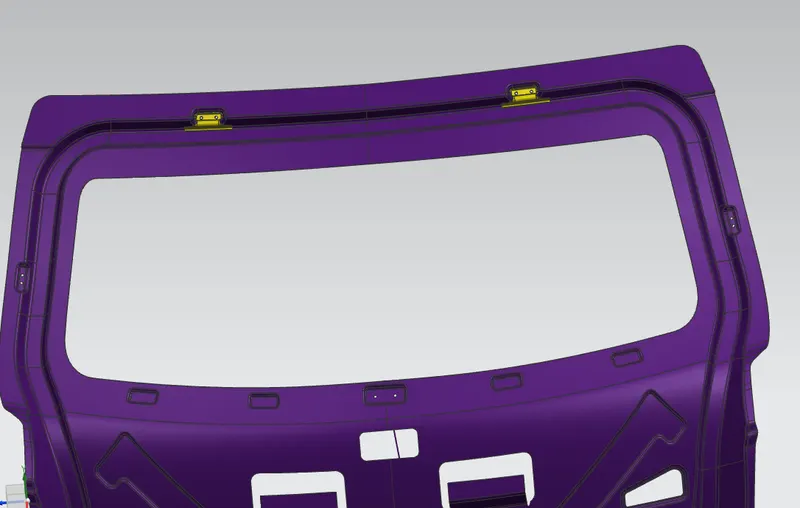
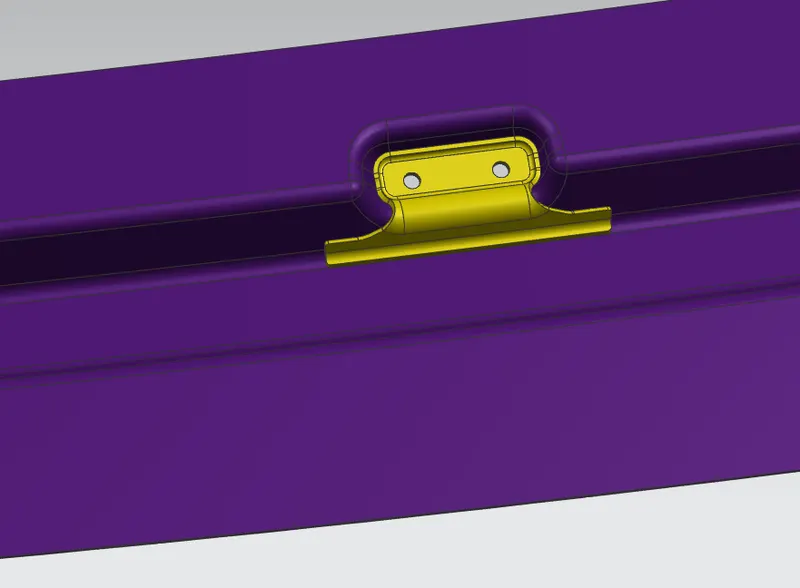
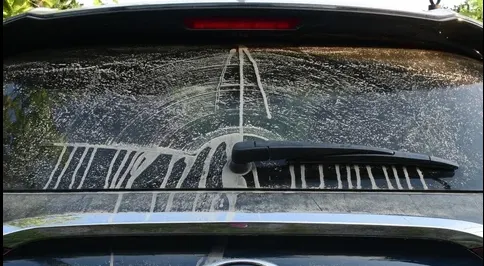
Wiper motor Reinforcement: In some vehicles thee back door may featuree a rear window wiper.The wiper motor reinforcement is a strengtheening component that provides support and stability for the wipr motor assembly.It ensures proper functioning of the rear window wiper and heelps maintain clear visibility through the rear window
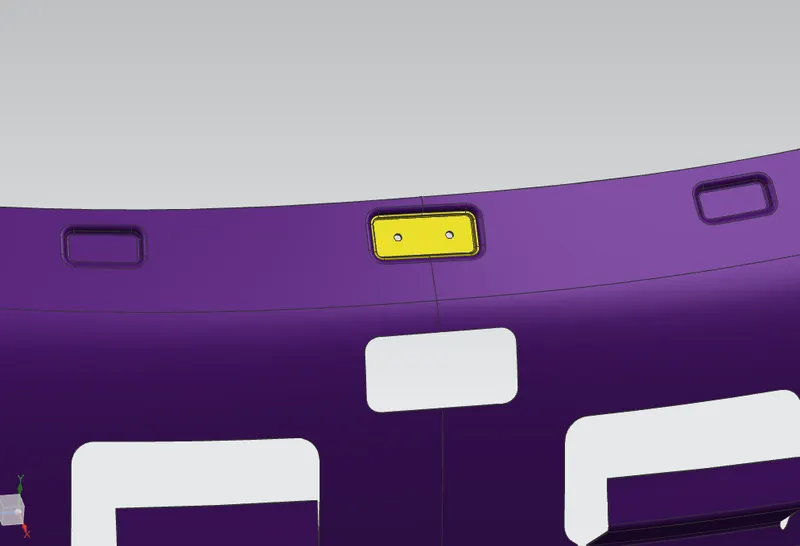
Latch & striker and their reinforcement:The latch and striker mechanism is responsible for securely locking the back door in the closed position.The latch is typically located on the back door ,while the striker is mounted on the vehicle's body.When the door in place .The latch and striker reinforcement ensures the strength and reliability of this locking mechanism,preventing unintended opening of the door.
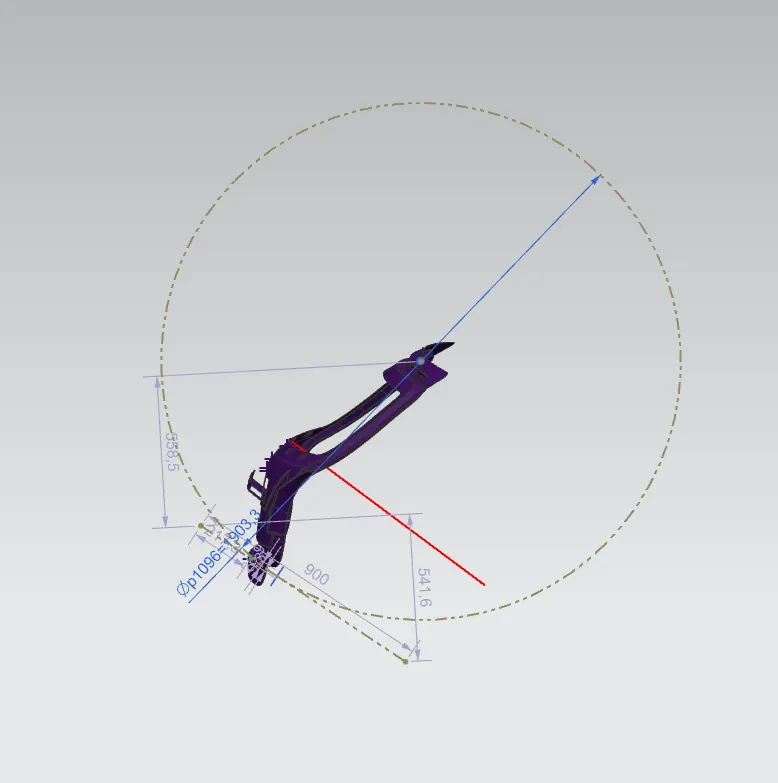
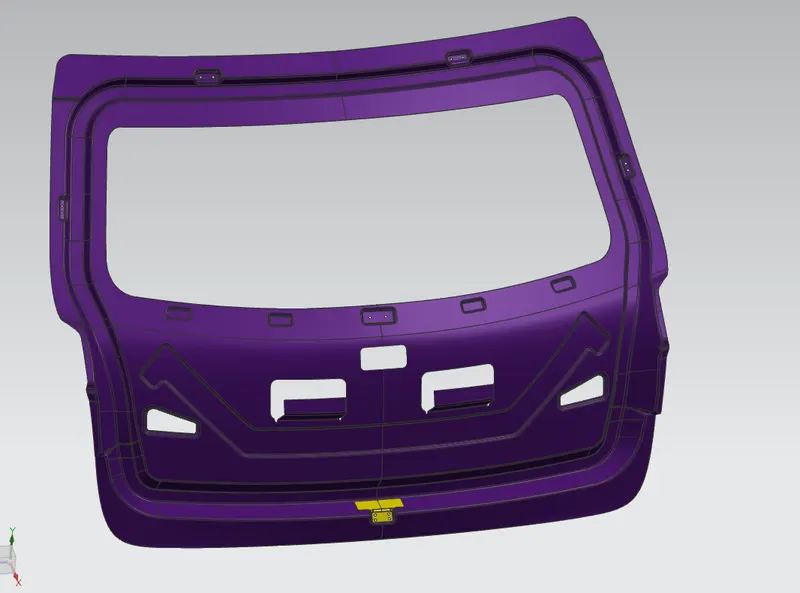
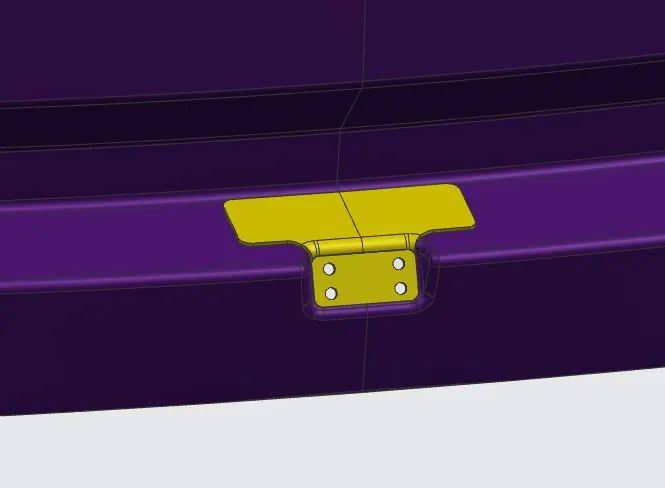
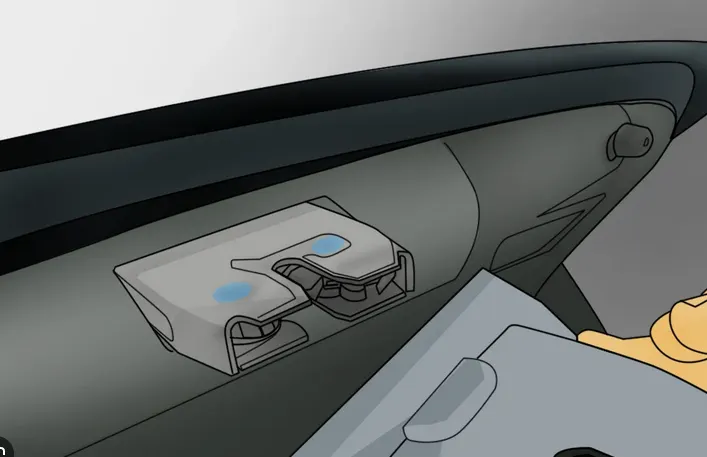
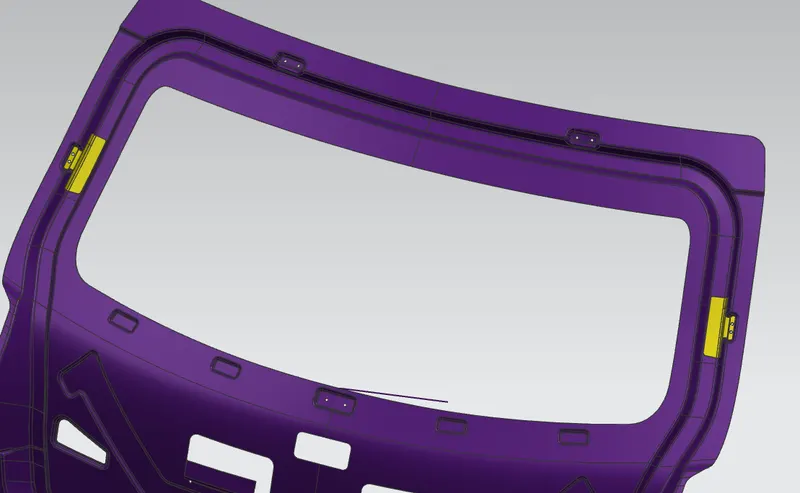
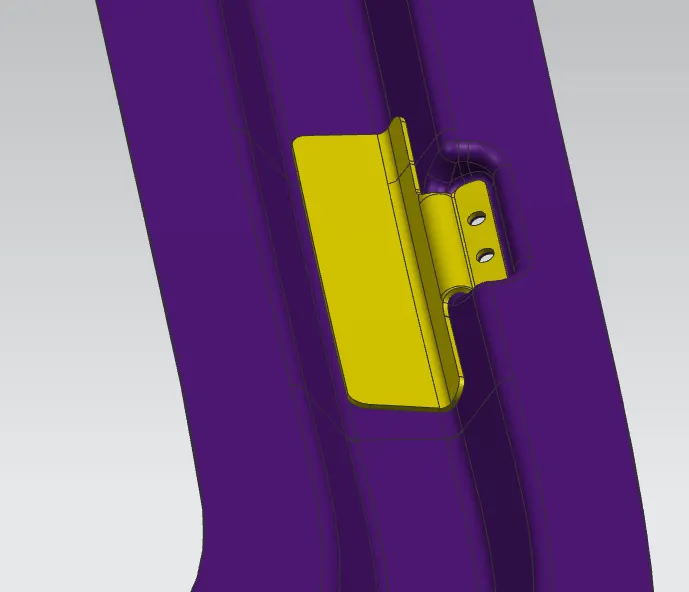
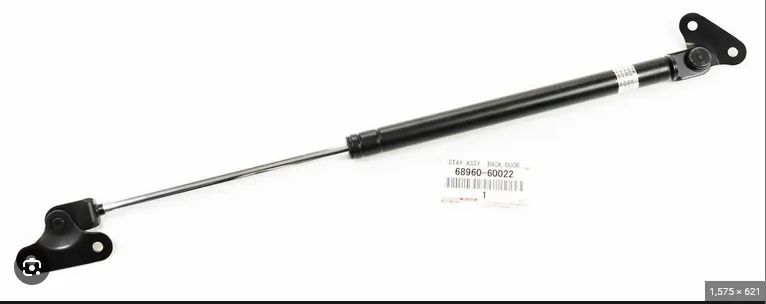
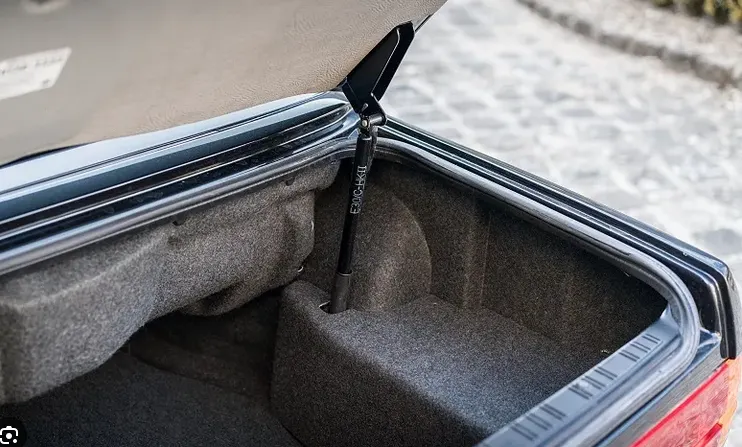
Gas Stay Reinforcement: Gas stays also known as gas struts or lift support are components that assist in lifting and holding the back door open .The gas stay reinforcement provides additional support and strength to the attachment point of the gas stay system .This reinforce ensures that the gas stays operate effectively and securely
Rubber Gasket:The rubber gasket , also known as a rubber seal or weatherstripping, is a component made of durable and flexible door. It is installed around the perimeter of the back door .The rubber gasket forms a tight seal when the door is closed, preventing the entry of the water, dust, and noise into the vehicle's interiors.It help to maintain a comfortable and quiet cabin environment.
DRAFT ANALYSIS