Design of backdoor
PROJECT
BACKDOOR DESIGN
AIM:
My objective is to develop the BACKDOOR from the given skin surface and imagine all the dimensions and must follow the design and safety guidelines.
INTRODUCTION:
Back Door is also referred as 'Hatch' or 'Tailgate' or 'Trunk-lid' or 'Boot-door'. Its the rearmost part of the vehicle which gives access to the trunk and has mounts for tail lamps, hinges, wiper motor, gas stay etc.
The back door is a hinged door/tailgate at the rear of the vehicle. It may be used for loading and unloading cargo, or to get passengers in and out, in case there are seats present at the rear. The back door comprises of certain components which form the back door assembly together.
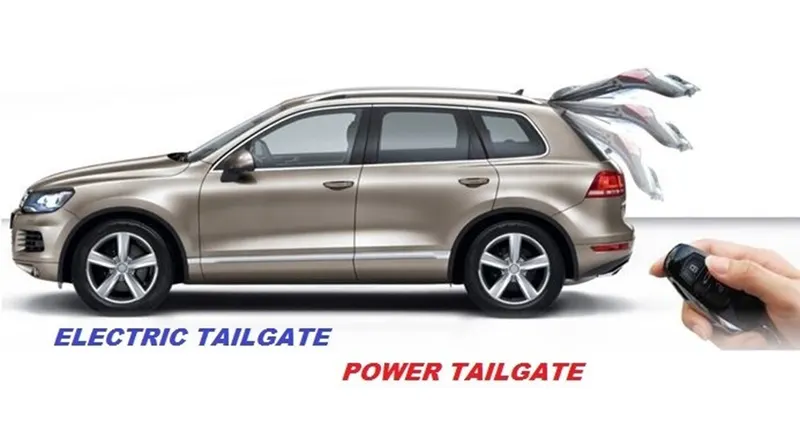
These doors can be operated manually or electric powered. In most of the luxury cars door is electrically operated.

SOFTWARE USED:
- NX CAD/CATIAV5
BACK DOOR:
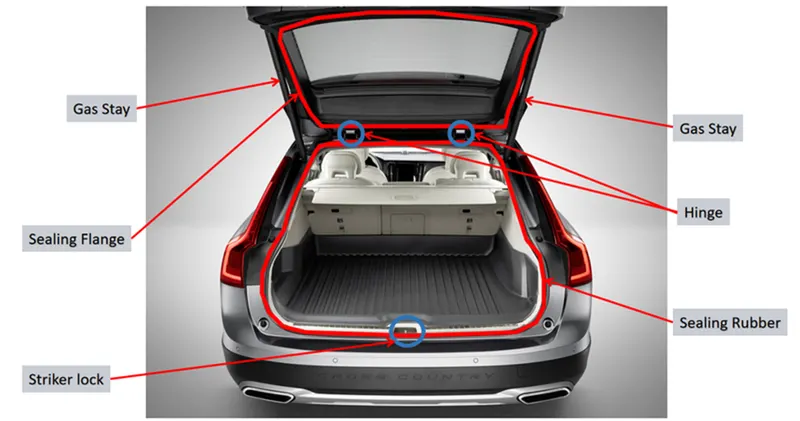
Components of backdoor:
- Outer upper panel
- Outer lower panel
- Inner panel
- Sealing flange
- Reinforcements
Working mechanism of back door:
GAS STAY MECHANISM:
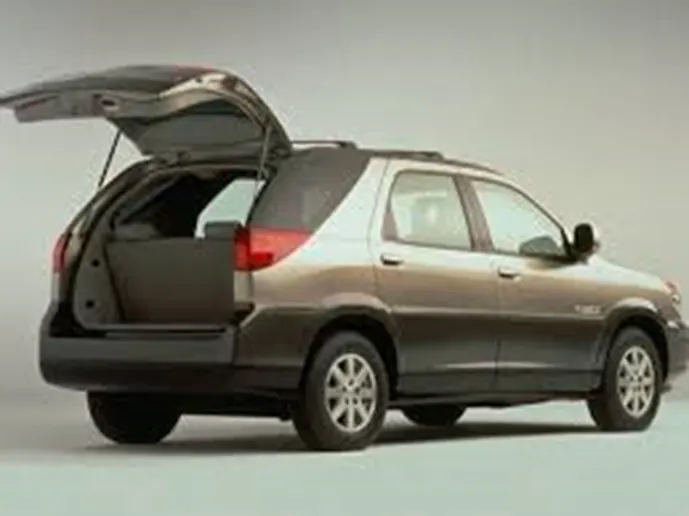
Gas Stay type backdoor is an ideal and most commonly used tailgate mechanism from lower segment car to luxury car segment. The ideal components of tailgate consist of a hinge, door, gas stay and some rubber beadings for sealing of door.
POWER LIFT MECHANISM:
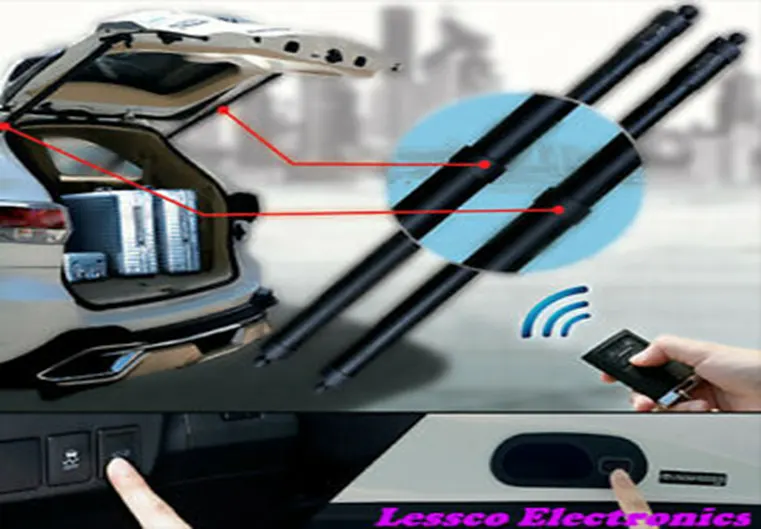
Power trunk lift system is another sophisticated way of trunk or liftgate opening mechanism which is to automatically open and close of the trunk and release of the latch by the touch of a bottom. Powered trunk Lift system consists of a power latch, anti-pinch switch, PTG assy, PTG main switch.
When the switch is pressed in the compartment or outside the power latch releases the latch and the entire backdoor is opened. The anti-pinch switch is located in order to avoid accidental hand insertion during the operation of the door.
Manufacturing process:
- As we know that backdoor is a BIW component that is basically manufactured using a metal forming process.
- There are different types of metal forming processes that are used for manufacturing automotive parts they are bending, forming, stamping, forging, extruding, etc.
- From which the stamping is the methodology used to produce the door panels, basically, a die and punch are used in a press machine to stamped out the complete door panel in a single or multiple presses.
- This method is used because it does not require separate tools to manufacture the component also it is less time consuming and requires less materialfor the part which is to be produced with precision and accuracy.
- The common materials used are Steel & Aluminium. The density of Steel is higher than Aluminium thus adding more weight to the door.
- The materialused in the manufacturing of the backdoor depends upon the budget of the car, most low cost vehicles use steel as it is cheaper compared to Aluminium.
- Another aspect to be noted is that, if casted Aluminium parts are used instead of deep drawn steel parts there is no need of reinforcements and the overall weight of the car is reduced by approximately 5-10kg thus increasing the performance of the vehicle.
- The draft angle for casted parts is around 3 degrees while for deep drawn parts is around 7-10 degrees which helps in increasing the luggage/ cabin space.
DESIGNING PROCESS:
SKIN/CLASS A SURFACE:
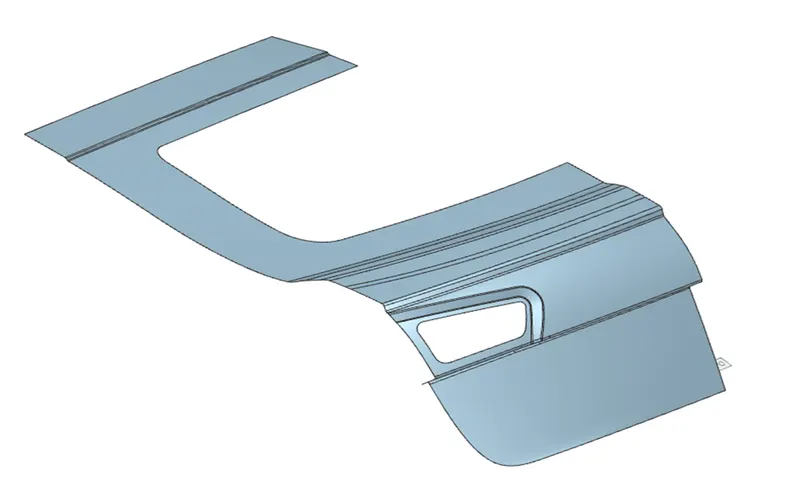
- It is the outer styling skin surface of the back door. It is provided with multistage coatings which has property of scratch resistance, rust prevention etc. It is wrapped around the inner panel through hemming process.
- Improve the class A by removing all the bend surfaces and create the surface using the bridge curves and through curve mesh.
- In this panel there are two parts 1. UPPER OUTER PANEL 2. LOWER OUTER PANEL
- Thicken the part after completing the work part
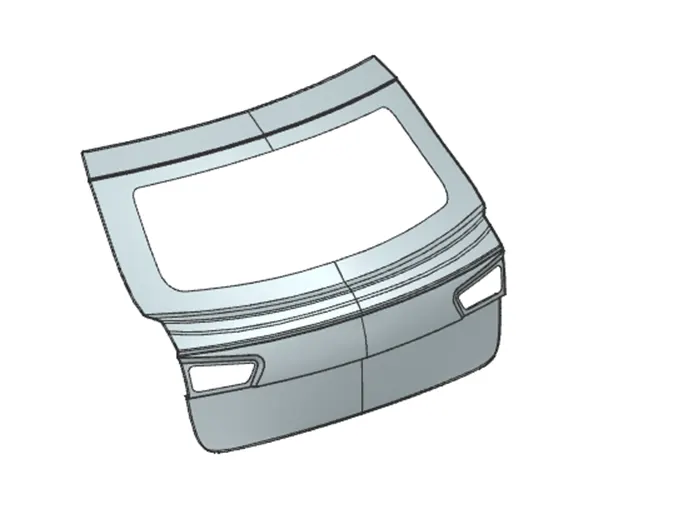
INNER PANEL:
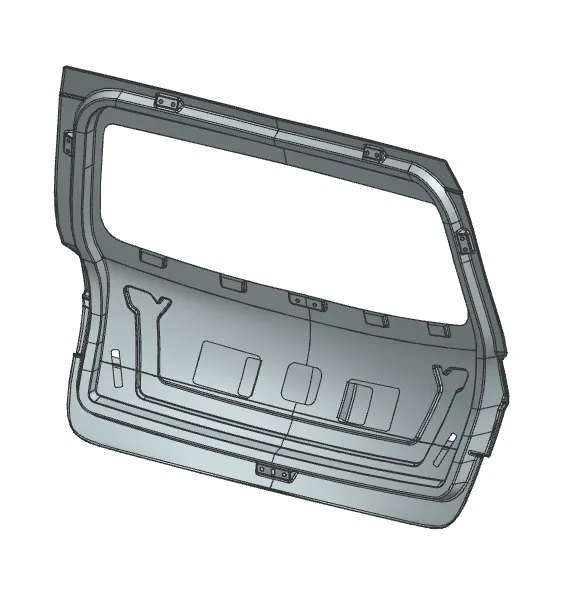
- The inner panel is a component which is used for strengthen the door assembly and it is one of the most important components on which all accessories are mounted like hinges, glass guide channel, moulded trim, latch etc.
- In this we have some other mounting components
- SEALING FLANGE
- HINGE MOUNTING
- GAS STAY MOUNTING
- WIPER MOUNTING
- LATCH AND STRIKER MOUNTING
SEALING FLANGE:
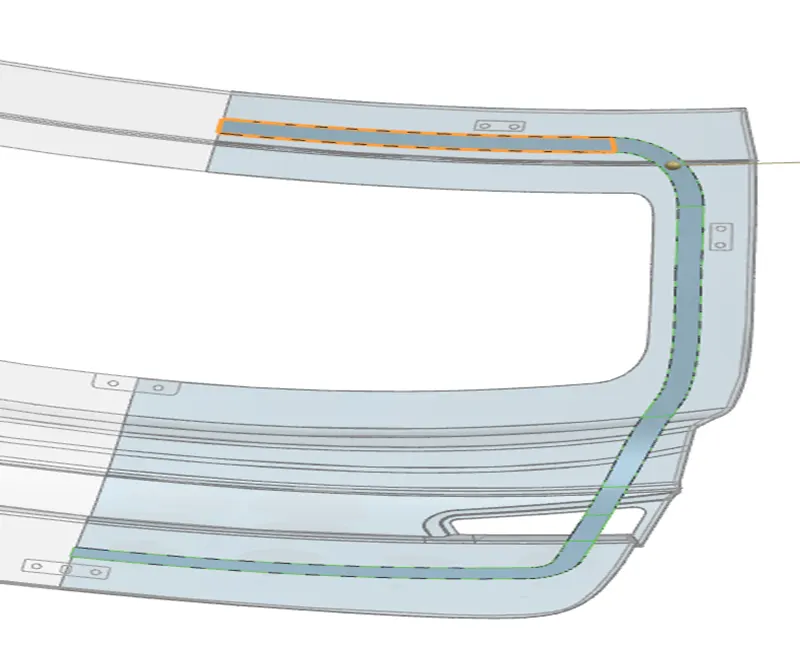
- The flange has an attached edge and a free edge, and has an inner surface facing toward the automotive body and outer surface facing away from the automotive body. The door seal comprises a U-shaped base having outer and inner portions spaced from one another and connected by a bight portion to define a slot therebetween.
HINGE MOUNTING:
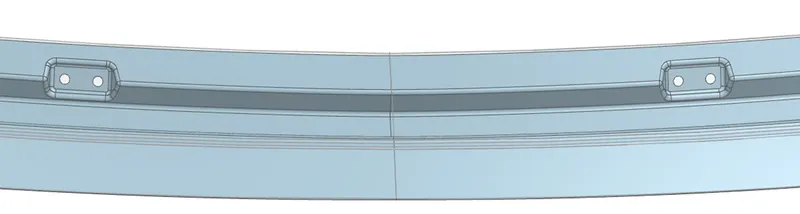
- For holding or fixing the doors hinges are used in automotive body components and for fixing hinges create a mounting surface which may be flat surface.
GAS STAY MOUNTING:
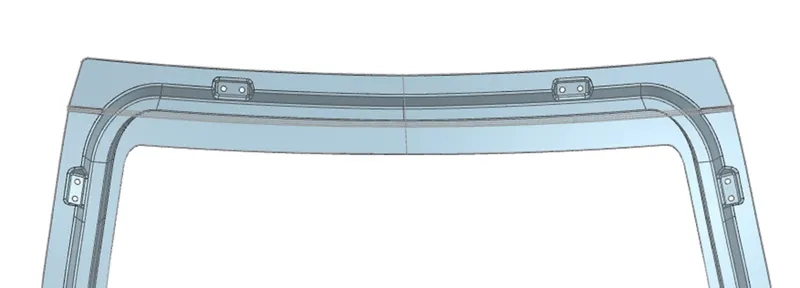
- We create a gas stay mounting at the side of the inner panel and this will be same as the hinge mounting.
WIPER MOUNTIG:
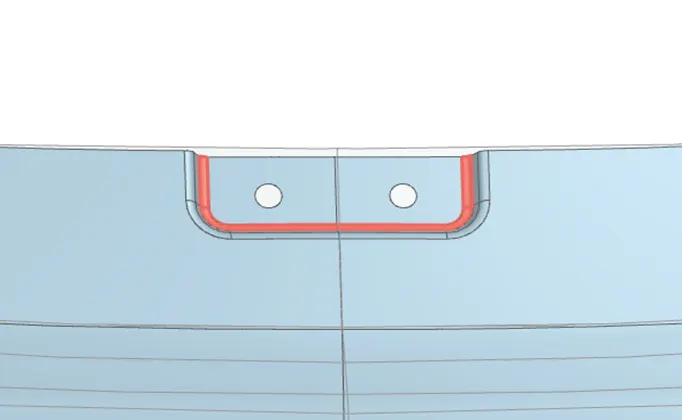
- Wiper mounting is create on at the middle of the inner panel where will the wiper is located.
LATCH AND STRIKER MOUNTING:
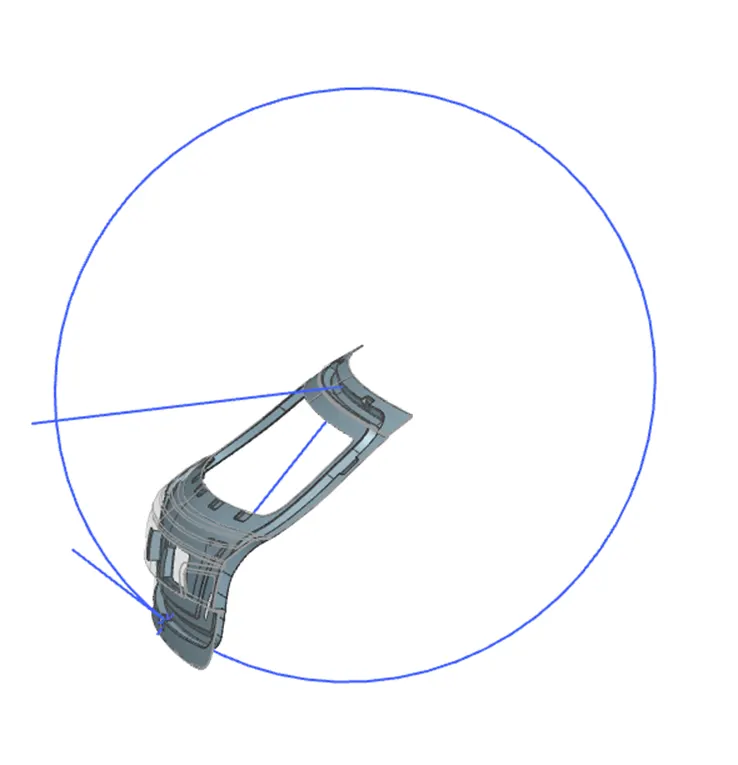
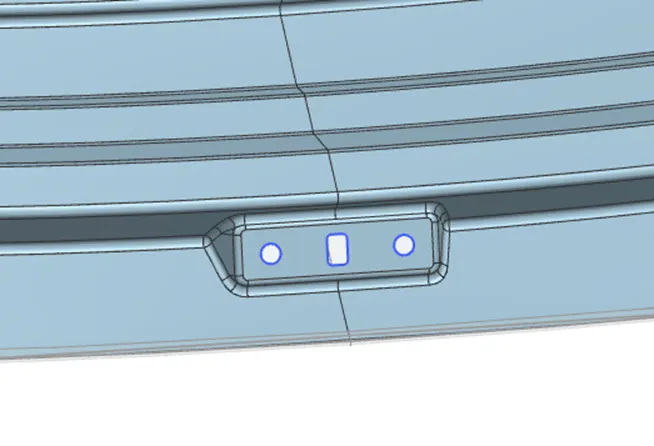
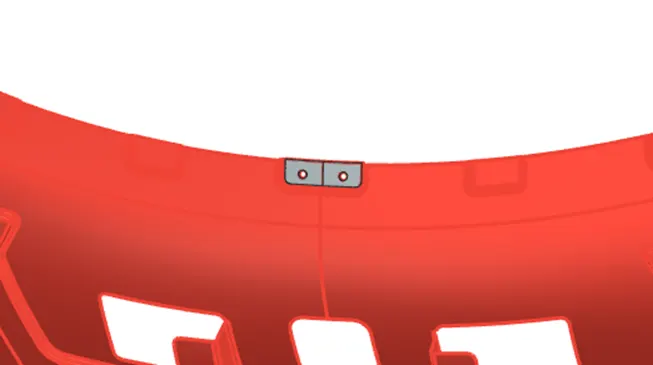
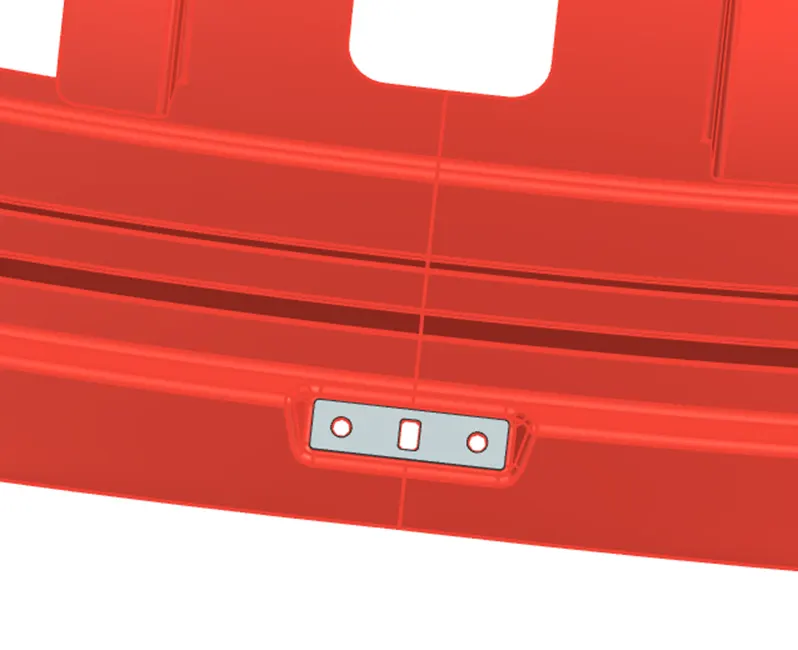
- For creating latch and striker mounting we need latch trajectory.
- This latch trajectory is created by using the hinge axis.
- The latch trajectory is the path which the striker will follow when the hood is open/closed while pivoting on the hinge axis. The latch trajectory is taken as a circle with the hinge axis as the centre of the circle. The striker is placed 90 degree such that it is tangent to the circle.
- These are mounted on the inner panel.
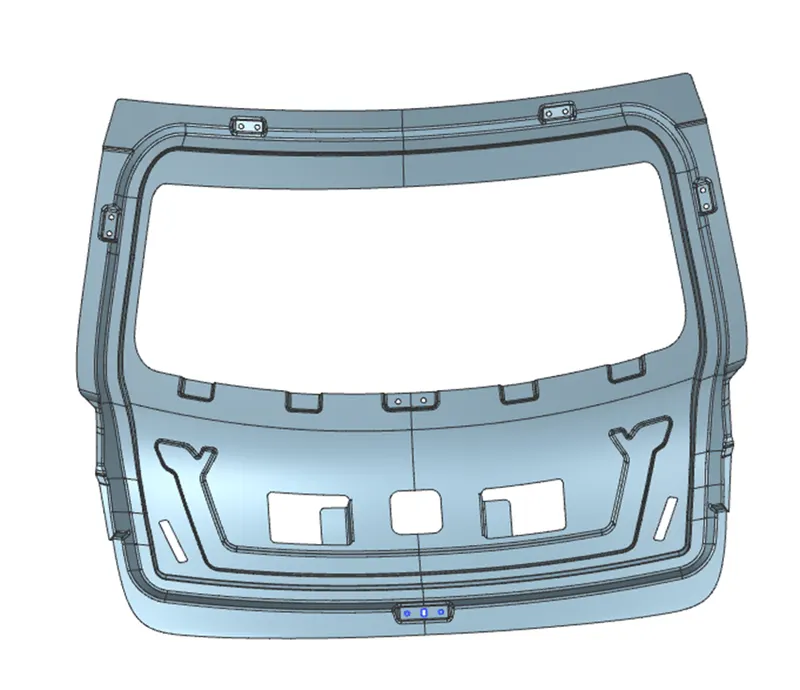
- After develop this thicken the component in proper direction.
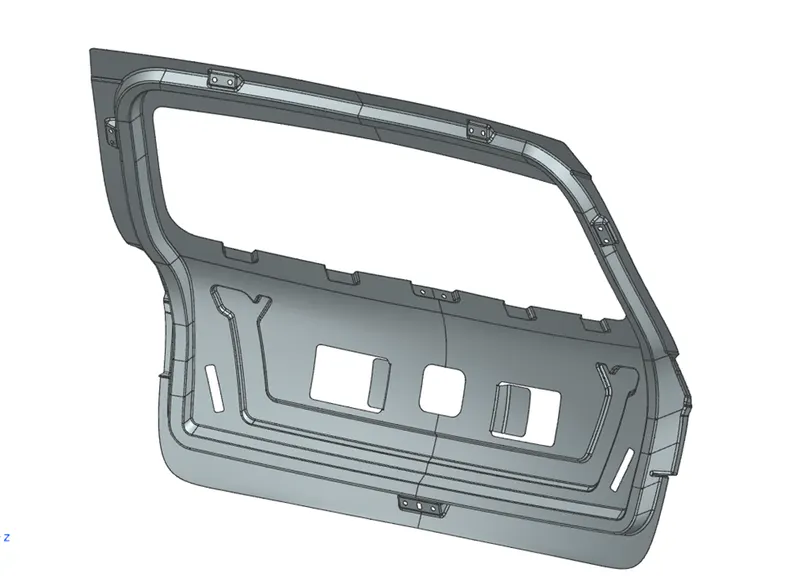
REINFORCEMENT:
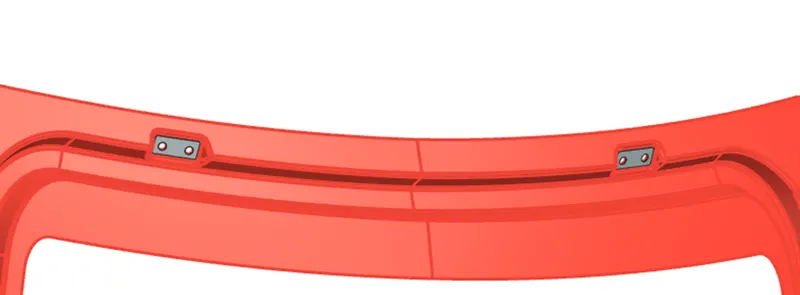
- The former aims to improve the crash performance or the stiffness of the car body, by adding a structural component that creates a rigid assembly with panels or eventual support.
- We need to add the reinforcements on hinge mountings, gas stay mountings, wiper mounting and latch and striker mounting.
HINGE REINFORCENT:
GAS STAY REINFORCEMENT:
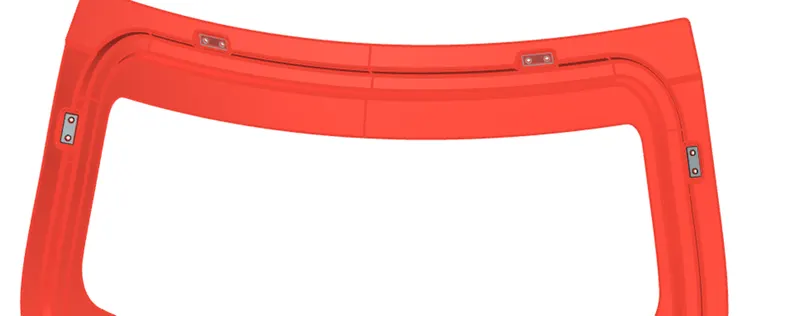
WIPER MOUNTING REINFORCENT:
LATCH AND STRIKER MOUNTING REINFORCEMENT:
FINAL ASSEMBLY MODEL:
EMBOSS:
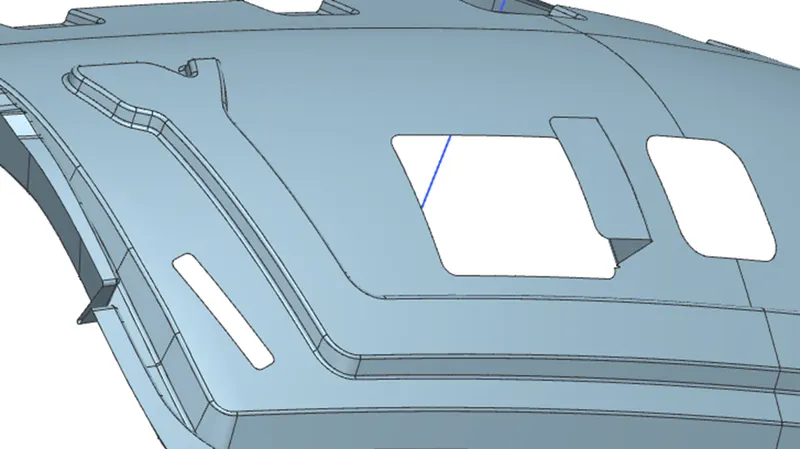
- Embossing is a metal forming process for producing raised or sunken designs or relief in sheet material by means of matched male and female roller dies, theoretically with no change in metal thickness, or by passing sheet or a strip of metal between rolls of the desired pattern.
- Metal sheet is drawn through the male and female roller dies producing a pattern or design on the metal sheet. Depending on the roller dies used, different patterns can be produced on the metal sheet.
DRAFT ANALYSIS:
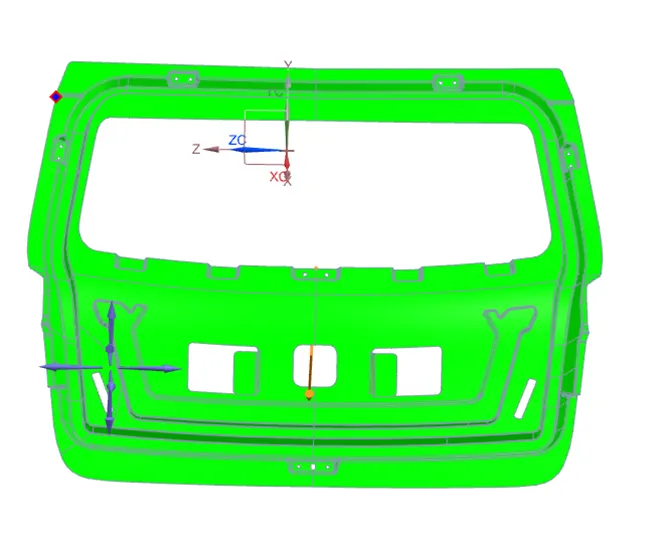
- The draft analysis technique is used to analyse whether our part model created in CAD is manufacturable based on the draft condition applied.
HEMMING:
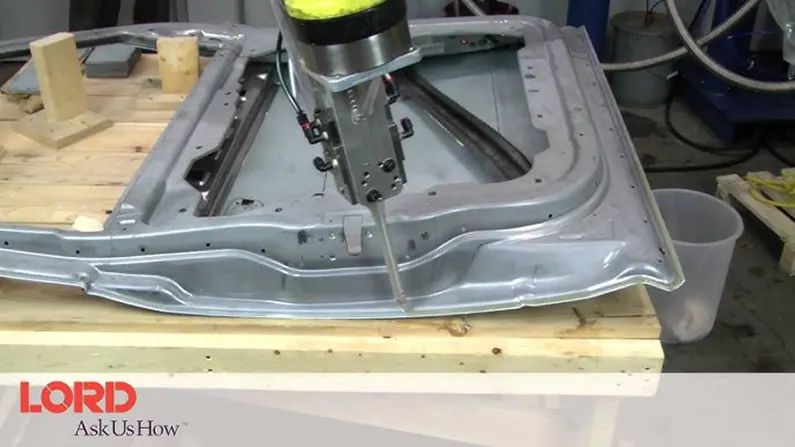
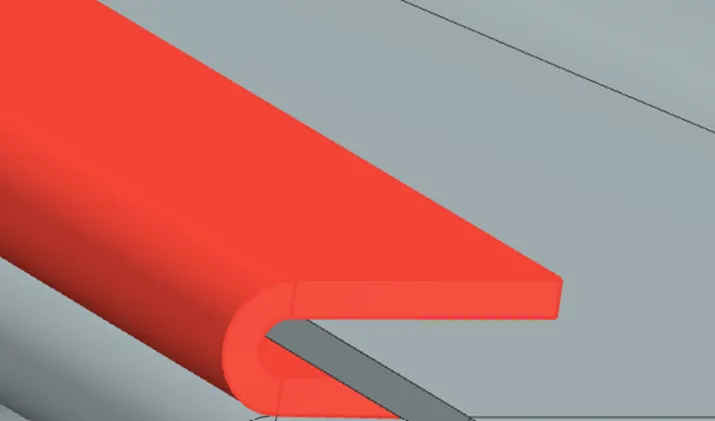
- Hemming is a technology used by the automotive industry to join inner and outer closure panels together. It is the process of bending/folding the flange of the outer panel over the inner one.
CONCLUSION:
- The back door of a car is developed successfully as per the design rules and safety segments from the given class A surface.