Benchmarking
BENCHMARKING
2. Benchmarking:
Benchmarking in the automobile industry involves a structured comparison between similar products, services or processes on some dimensions of performance. Benchmarking provides necessary insights to help you understand how your organization compares with similar organizations.
performance of Benchmarking:
Benchmarking has been classified into two distinct categories:
- Technical Benchmarking
- Competitve Benchmarking
Technical Benchmarking:
Technical benchmarking is performed by design staff to determine the capabilities of products or services, especially in comparison to the products or services of leading competitors.
Competitve Benchmarking:
Competitive benchmarking compares how well (or poorly) an organization is doing with respect to the leading competition, especially with respect to critically important attributes, functions, or values associated with the organization’s products or services.
Benchmarking Procedure:
In this benchmarking.we can design or modification based on a parental part and benchmarking studies require significant investments of manpower and time, so management must champion the process all the way through, including being ready and willing to make changes based on what is learned.
Plan
- Define a tightly focused subject of the benchmarking study. Choose an issue critical to the organization’s success.
- Form a cross-functional team during Step 1 and 2, management’s goals and support for the study must be firmly established.
- Study your own process. Know how the work is done and measurements of the output
Collect
- Collect information directly from partner organizations. Collect both process descriptions and numeric data, using questionnaires, telephone interviews, and/or site visits.
Analyze
- Compare the collected data, both numeric and descriptive.
- Determine gaps between your performance measurements and those of your partners.
- Determine the differences in practices that cause the gaps.
Adapt
- Develop goals for your organization’s process.
- Develop action plans to achieve those goals.
- Implement and monitor plans.
3. Comparison of Transmission vehicles:
1. Hyundai Aura
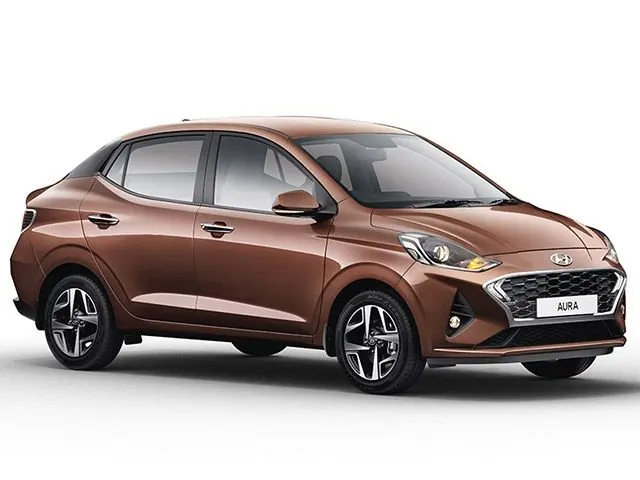
Milage: 28kmpl
city: 20 - 24, Highway; 25-27
- Comfortable for driver and co-passengers.
- cost of the car is 8 - 8.57
2. Hyndai i20
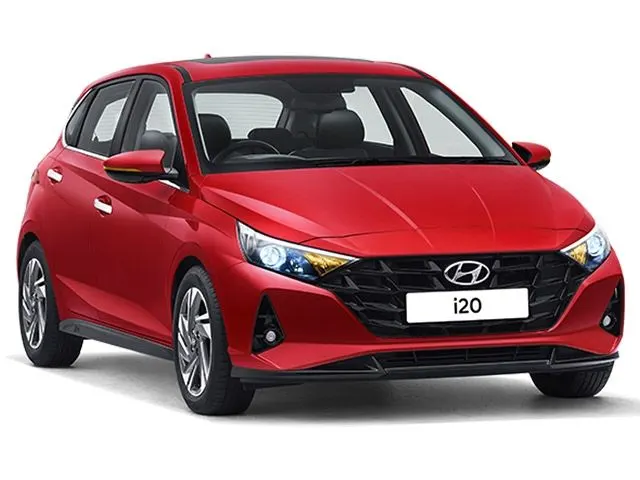
Milage: 17 kmpl
city: 14-15 kmpl
Highway: 16 - 18 kmpl
- Comfortable for all
- Has a diesel version.
- Cost is 7.59 - 8.15
3. Nissan Magnite XV Premium MT:
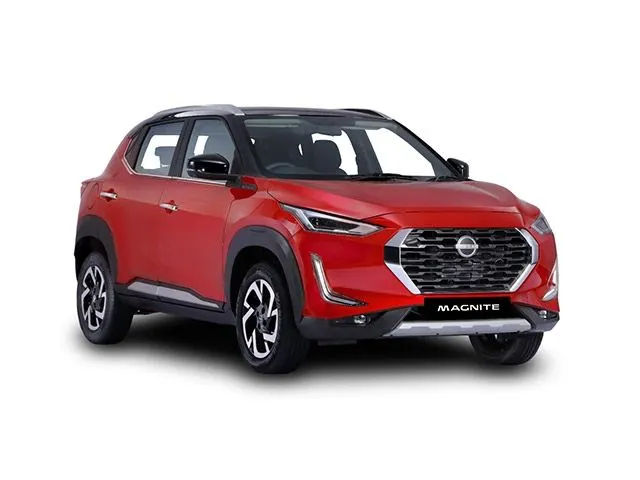
Milage: 18 kmpl
city: 13 - 15
Highway: 16 - 18
- Comfortable for all.
- Body type SUV.
- Cost is 5.97 - 10.79 lks
4. KIA Sonet HTK 1.2:
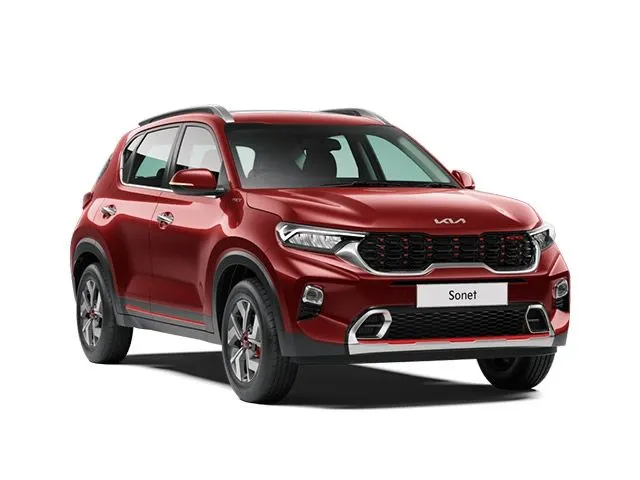
Milage: 19KMPL
City: 13 - 15 kmpl
Highway : 16 - 18 kmpl
- Comfortable for all.
- 5 seater arrangements.
- petrol type
- Cost is 7.49 - 9 lks
4. Best vehicle:
- Above mentioned cars all best and my suggestion is HYNDAI AURA
- In this car is comfortable to all
- Milage is best for all the peoples
- Cost is suitable for all