Design of backdoor
AIM:
Applying appropriate design methodes to the rear door on the provided styling surface and providing necessary reinforcement.
Backdoor:
The rear door is a part of the vehicle that is mounted on the rear of the car. It prevents water from entering the vehicle with the help of sealant and helps to cover the luggage area. Rear door, sometimes referred to as hatch,tailgate,trunk-lid or boot-door.It is the fifth door of a four-door car. This is usually the area behind the last passenger seats. This includes striker mounting and wiper motor mounts, tail lamps and hinges.
It provides access to the luggage compartment in most cars, these rear doors are operated with the help of a gas stay, which reduces the effort required to lift the door. Some luxury cars are powered by an electric motor.This type of system is also known as a powered trunk lid system hatchback or station wagons sold as 3-door or 5-door models. In this case, the rear hatch is classified as a door because it enters the passenger compartment. The nomenclature is mainly used in European countries. In terms of safety, the rear door must meet the safety requirement of the rear model.
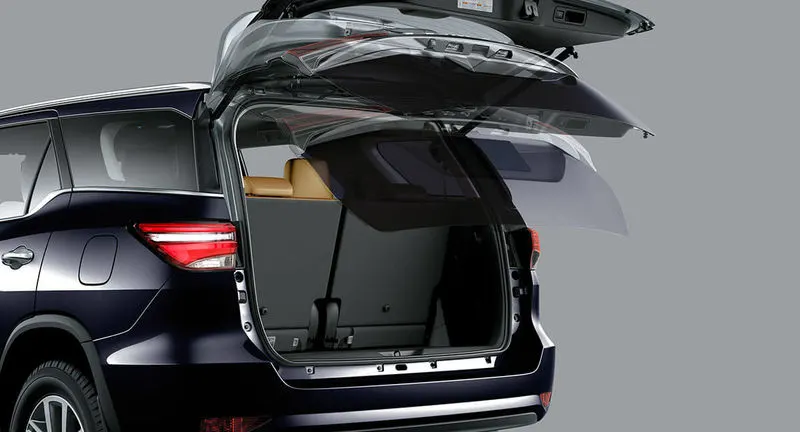
Types of Back Door in a car:
- Top Mounted door
- Side mounted door
- Bottom Mounted Door
Top Mounted door:
These types of rear doors are used on station wagons, pickup trunks and some spot utility vehicles. Top mounted tailgates are used in today's modern cars.
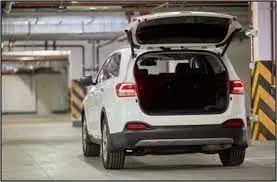
Side mounted door:
It is used in side mounted door van type MPVs, SUVs, pickup truck vehicles. These side doors are much easier compared to top mounted doors. These doors are usually small in size and easily accessible.
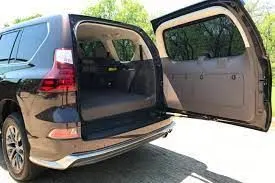
Bottom mounted door:
This bottom type backdoor system is used in car types such as cars, pickup trucks and some luxury SUVs.
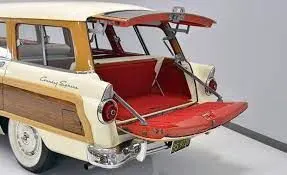
Design methodology:
Backdoor surface imperfections received from the styling team are rectified, reinforcements are provided and necessary reinforcements are designed and reinforced for rear door wiper motor, gas stay, latch, hinge.
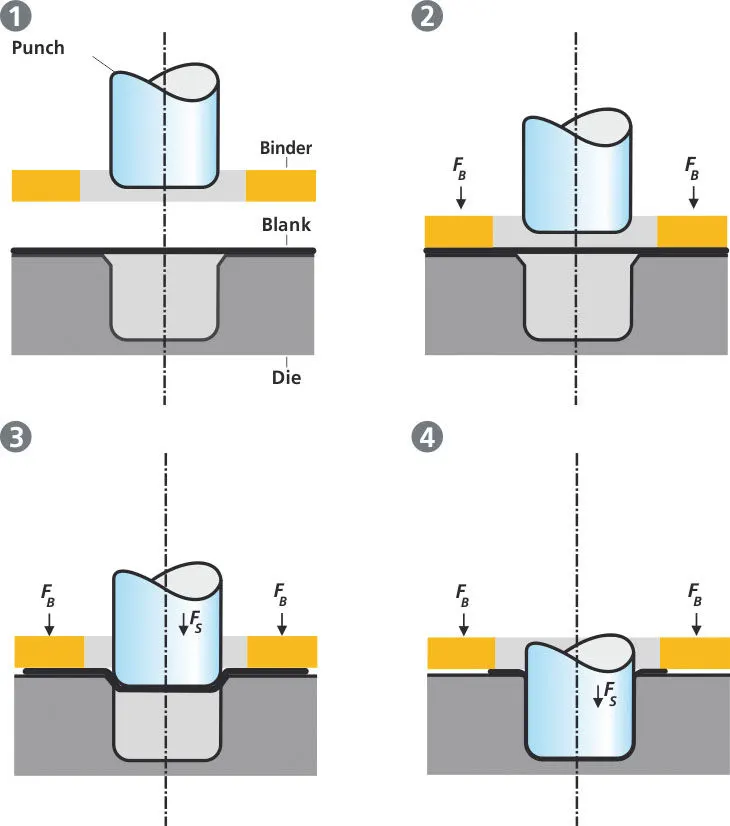
Back door is going to be manufactured by deep drawing process.
Deep drawing:
Deep drawing is one of the most widely used processes in sheet metal forming. Apart from its use in many other sectors, it is applied in the automotive industry for the manufacturing of car body parts.The deep drawing process is a forming process which occurs under a combination of tensile and compressive conditions. A flat sheet metal blank is formed into a hollow body open on one side or a hollow body is formed into a hollow body with a smaller cross-section.
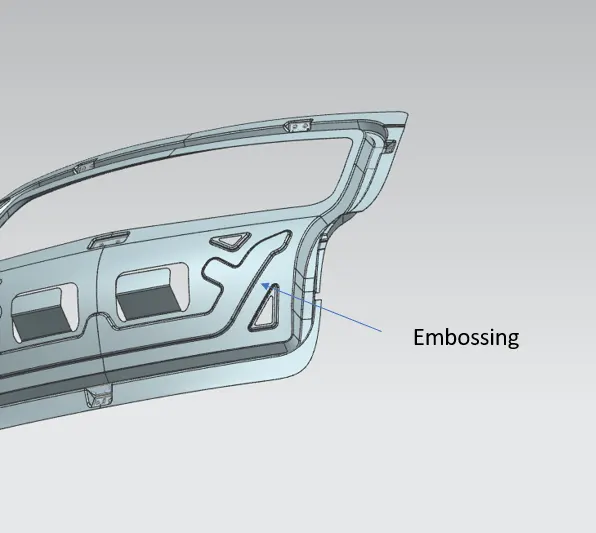
Emboosing:
Sheet metal embossing is a stamping process to create raised or sunken designs or relief in sheet metal. This reduces the weight of the hood inner panel and increases the strength of the hood. This bump shape disperses the power in different directions.
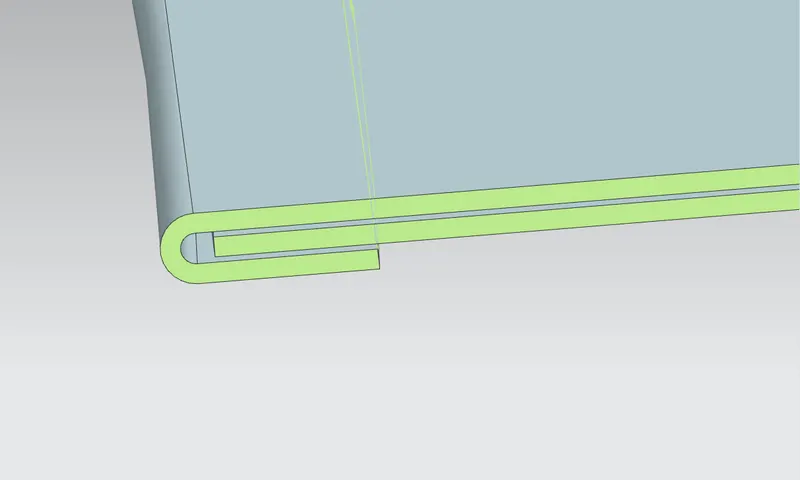
Hemming:
Hemming is a technology used in the automotive industry to join inner and outer closure panels together. It ia the process of bending/folding the flange of the outer panel over the inner one. It improves the appearance of a part and strengthens the edges of the part
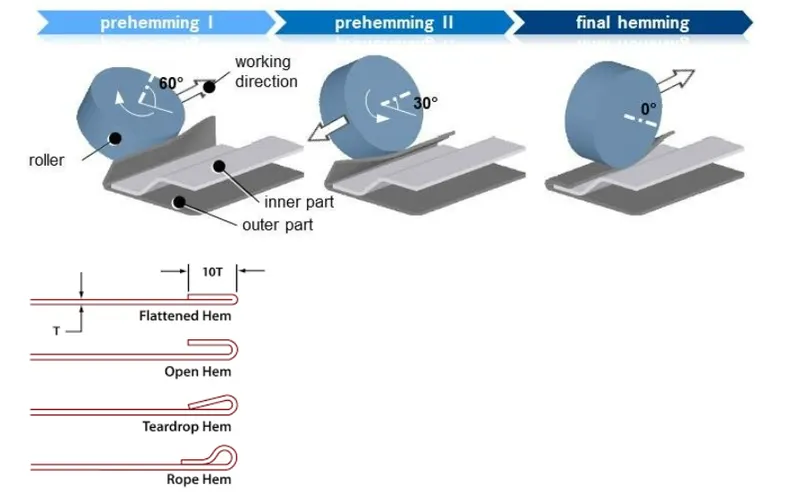
Hemming process:
In roll hemming, the hemming roller is guided by an industrial robot to form the flange.
Backdoor Assembly:
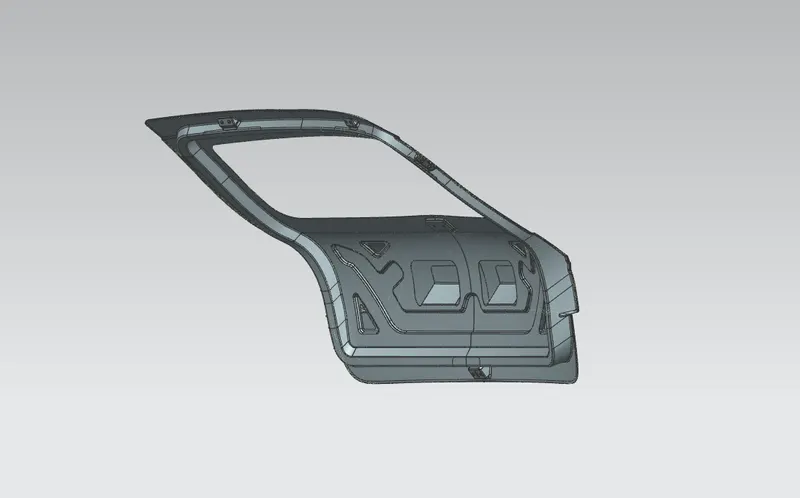
- Inner panel
- outer panel
- hinge and its reinforcement
- wiper motor reinforcement
- latch & stricker and its reinforcement
- gas stay reinforcement
A backdoor is normally manufactured with 1 inner panel and 2 or 3 exterior panels that are hemmed and spot welded together as needed. Depending on the price range of the car, different materials are utilised for the backdoor. The bulk of inexpensive cars are made of steel since it is less expensive, and parts are stamped using moulds. Here, uniform thickness of the panels is maintained throughout.
Inputs for designing of backdoor:
- Outer Panel - 0.75 mm
- Inner Panel - 0.75 mm
- Reinforcements - 1.5 mm
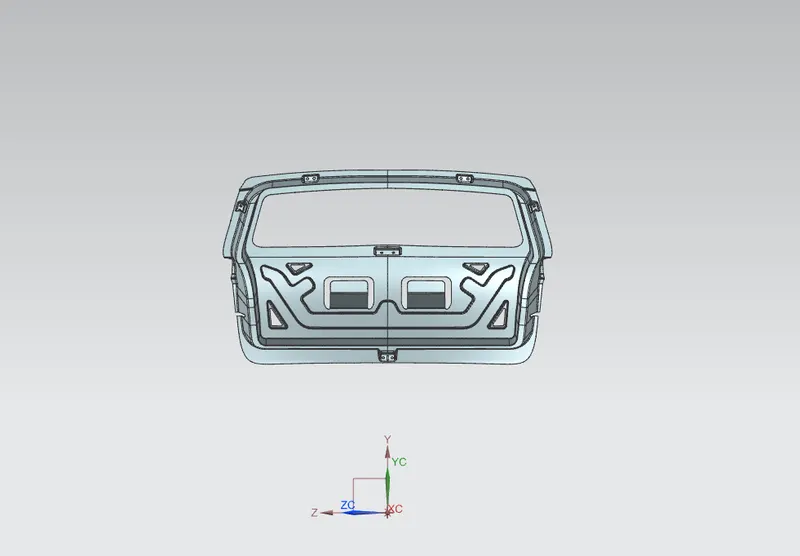
1.Inner Panel:
The inner Panel is a component which is used for strengthening the door and it is one of the most important components on which all accessories are mounted like hinges, glass guide channel, mounted trim, latch etc.
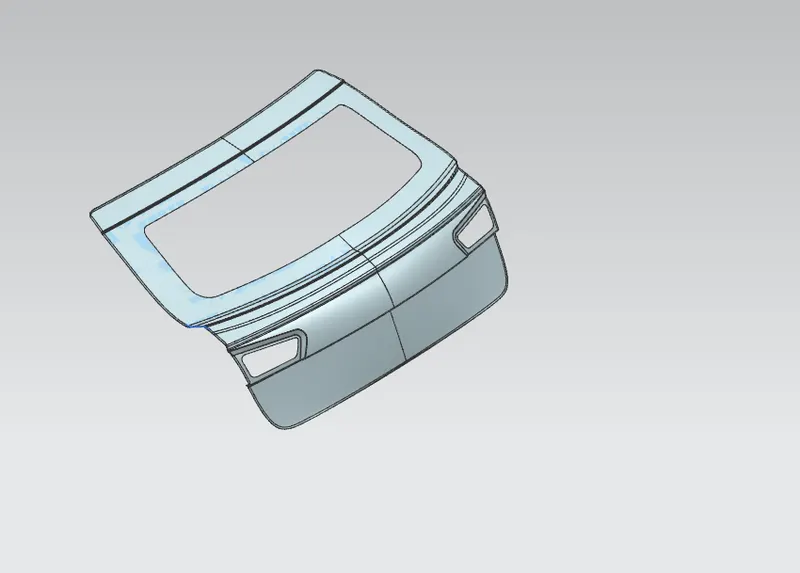
2.Outer panel:
The outer panel of the rear door is similar to other BIW components where it is an aesthetic part of a vehicle. The coating provided has the characteristics of scratch resistance, rush prevention and smooth and attractive coating. The outer panel also has provisions for mounting the tail lamp, rear fog lamp and license plate. Most hatchbacks are equipped with a wiper motor.
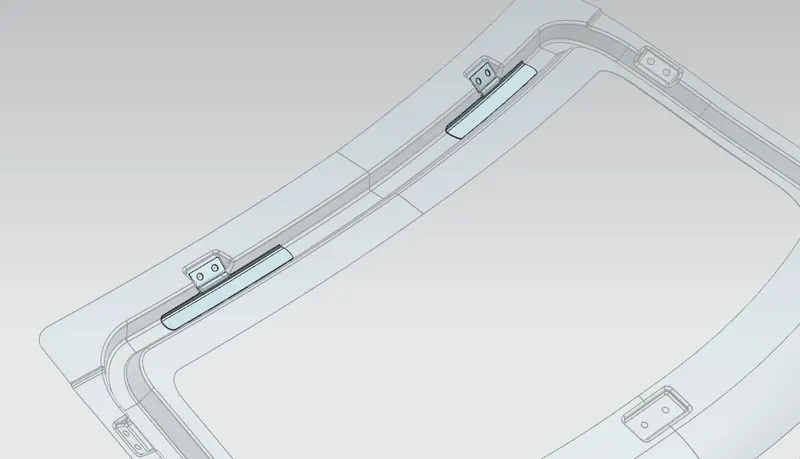
3.Hinge Reinforcement:
The hinges support the entire weight of the entire tailgate. So here too a hinfe mount reinforcement is provided. The bumps are designed so that the hinges operate freely. Electrical wiring looms are concealed through holes in the perimeter. Hence the hinge reinforcements are made with sufficient strength to carry the loads.
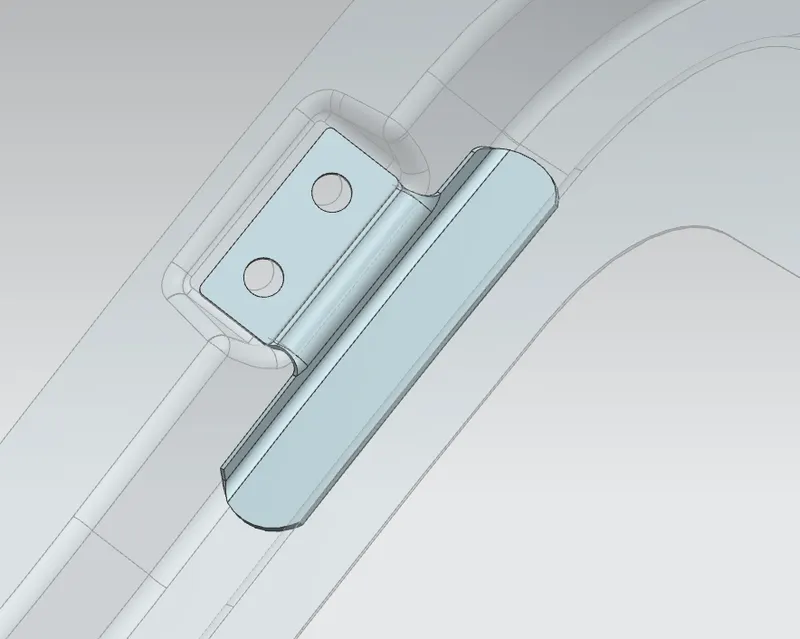
Gas Stay Reinforcements:
Gas stay mounts are provided with an angular or diabolic emboss. The angle makes it easy to machine and stamp. It is reinforced with a thick sheet.
5.Wiper motor Reinforcement:
A dedicated space is left near the window for the wiper motor assembly. A cavity is preferably placed in the middle of the panel to accommodate all the necessary wiper motor components.
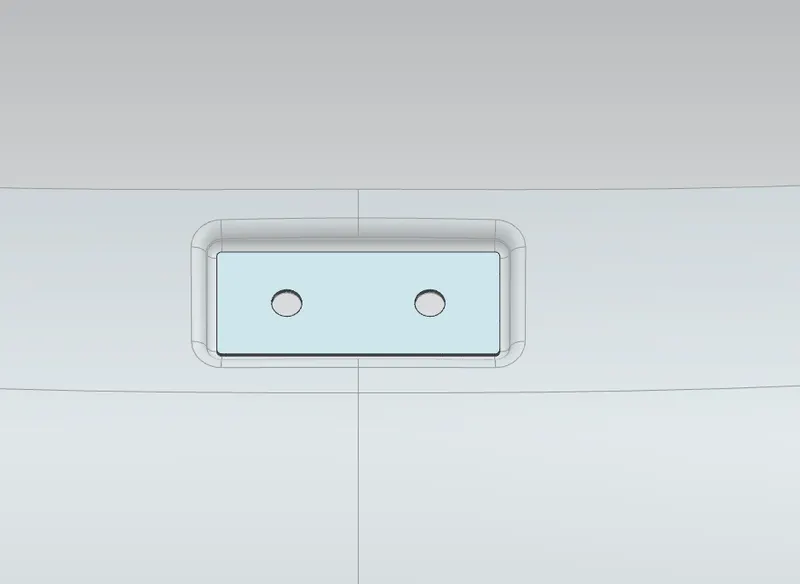
6.Latch and striker Reinforcement:
Latch and striker assembly usually a key operated or automatic remote control locking mechanism is used to keep the door closed and open.
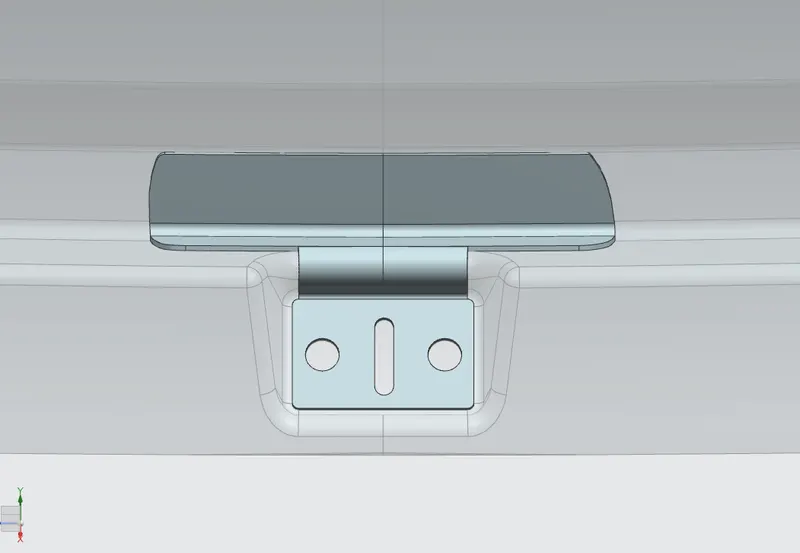
Trajectory for Latch and striker:
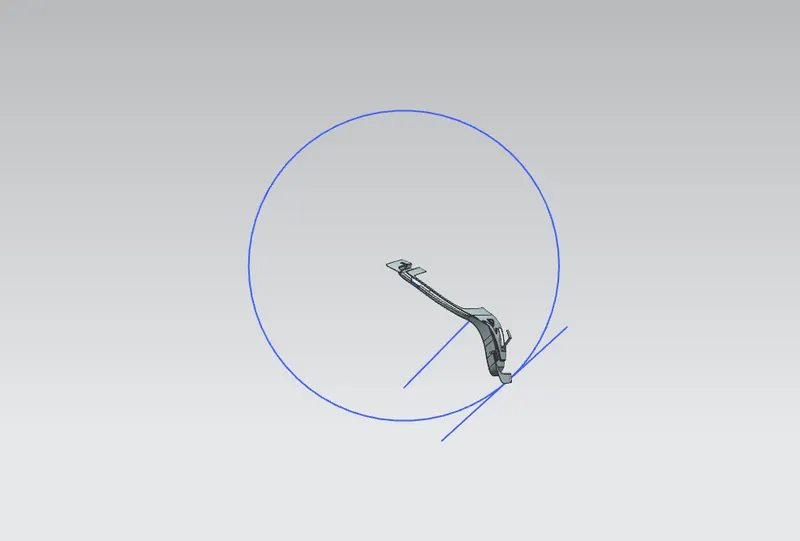
The radius between the hinge axis point and the center of the slot is used to locate the path of the circle used to locate the slot position in the latch and striker reinforcement mounting.
Tooling Direction:
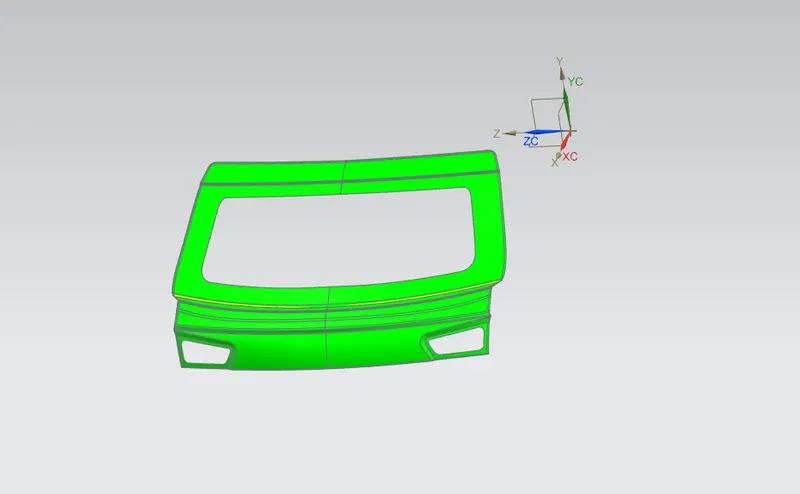
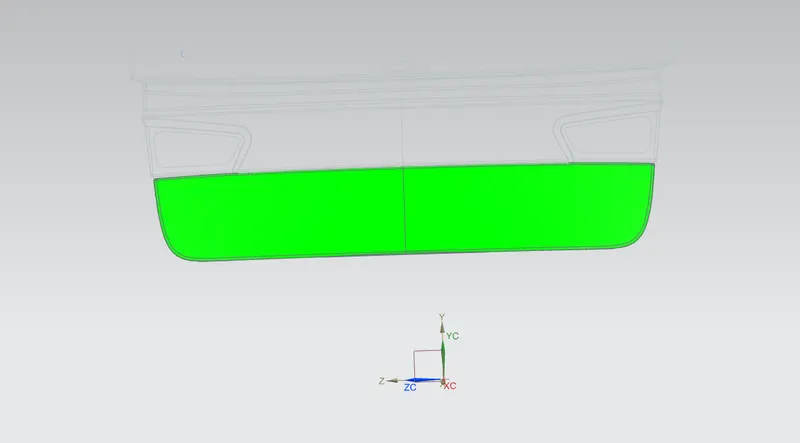
The direction in which the center and cavity open and close is called the tool axis. For easy ejection of the component from the mold, design engineers must examine the Class A surface and determine the appropriate tool direction, while all draft angles are relative to the tool mold.
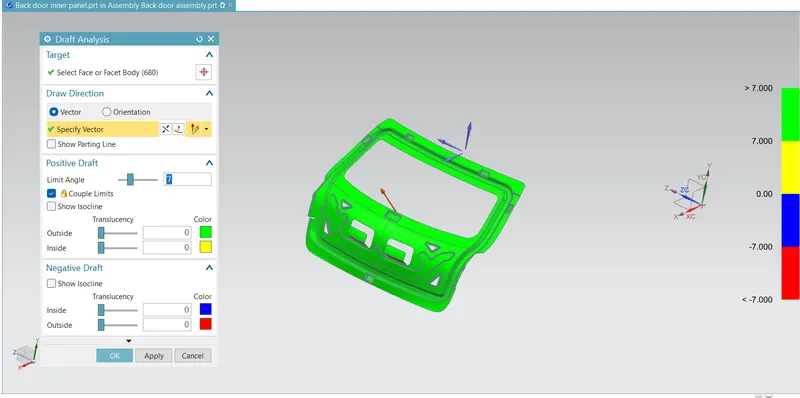
Draft Analysis:
Draft analysis is performed for inner and outer panel taking tool direction as reference vector. According to sheet metal design considerations, approximately 7 degrees is the minimum draft angle expected to facilitate extrusion of the part.
Final Assembly:
Conclusion:
The sheet metal design principles are taken into consideration while designing the whole back door assembly using NX CAD successfully.