Hood design-Week 2
THE HOOD IS DESIGNED BASED ON THESE :
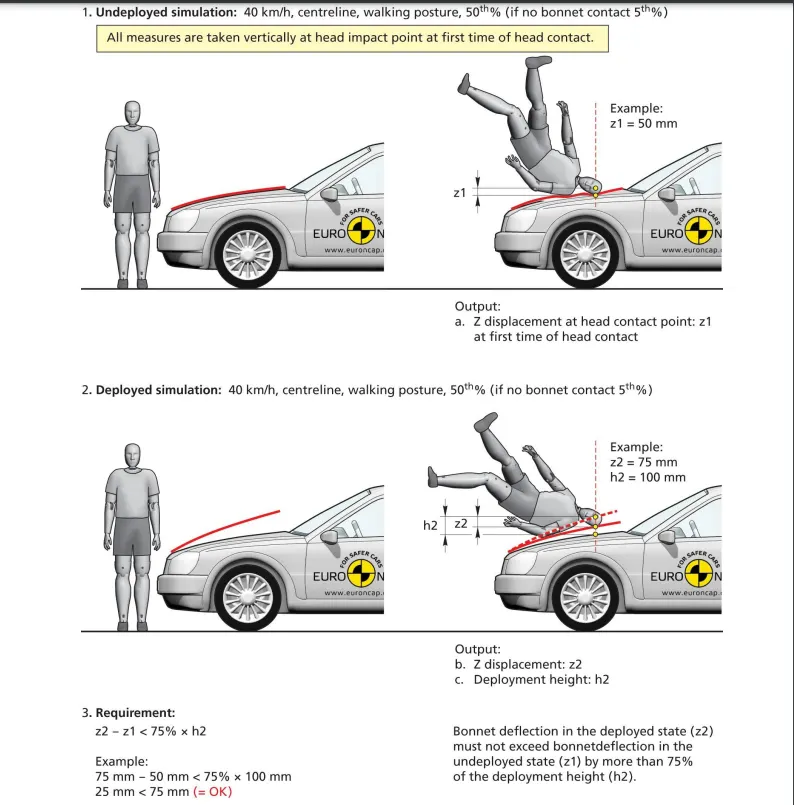
- Pedestrian safety
- Vehicle safety
- Occupant safety
- Styling
- Manufaturing process
Hood ;
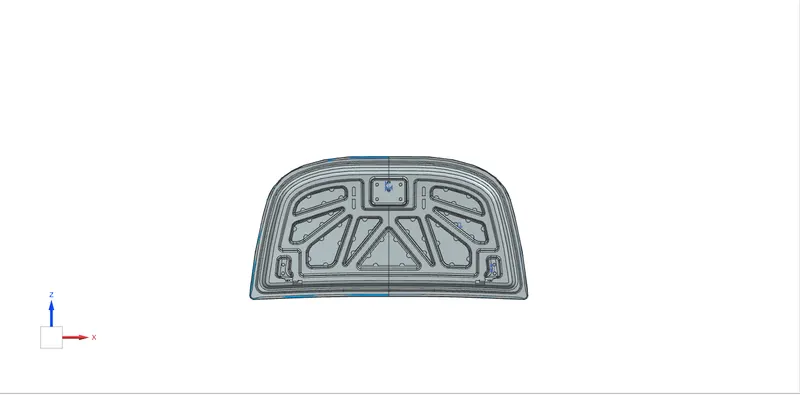
- A very importent role in hood design is to protect pedestrians from frontal collisionse. The hood also plays an important role in shaping the design the car. A car hood, also referred to as a 'bonnet' in some countries. The car hood protects the engine and connected parts from the elements while providing easy acess for repairs and maintenance. The material used for making the hood is aluminium or steel. The hood reduces frontal crash damege.
- A hood assembly typically consists of the hood outer panel,Hood inner panel,Latch and strikers,Hings,hood stay.
Hood outer panel ;
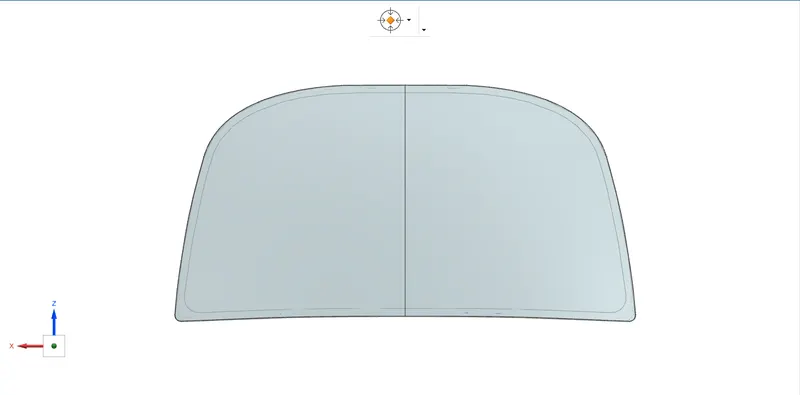
- It protects the engine and engine connected parts for externel influences and is used to give a good look to the car styling.
Hood inner panel;
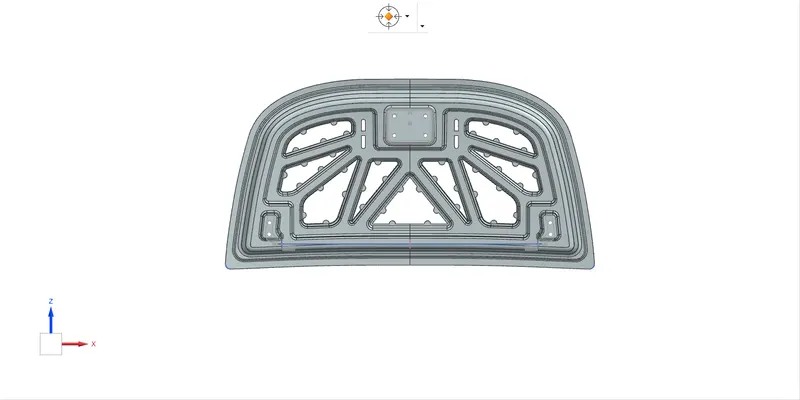
- The inner panel provides strength and suppport to the outer panel. Its embossing shape disperes the force in different directions so that the occupants are not injured when the vehicle crashes.
Latch and Stricker;
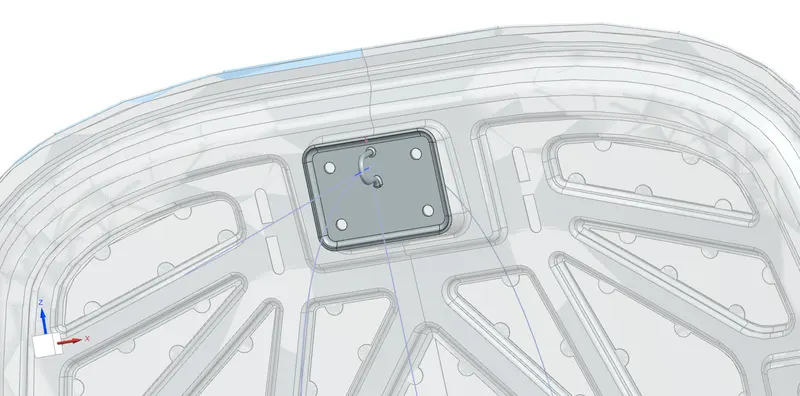
- The hood is designed to be easy to open and close. Latch and stricker mechanism is used to prevent accidental opening of the hood while driving to keep the hood locked and release it when needed. If the latch is attached to the engine compartment the stricker is attached to the hood inner panel.
Hinges;
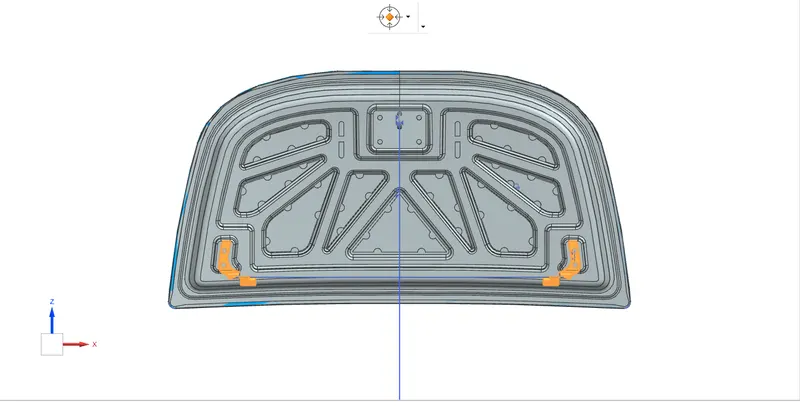
- Hinges allow the hood to rotate about a fixed axis to open and close. One part of the hinges is attached to the engine compartment and other part to the hood inner panel.
Hood stay;
- It is used to keep the hood open position. A hood stay is used to hold the hood open position when an automotive engine hood is opened to inspect the engine compartment and fill with cooling water or engine oil.
There are two typs of hood stay;
1.Support rod;
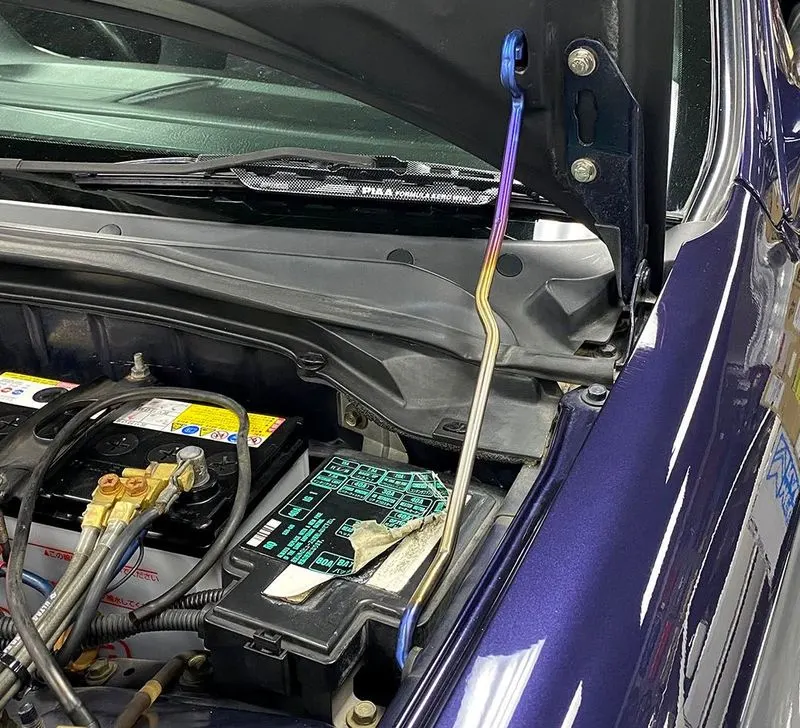
- A sypport rod is a device that supports the hood of a motor vechicle in it's open position by means of a rod. It is cost effective and simple but requires man power.
2.Gas stay
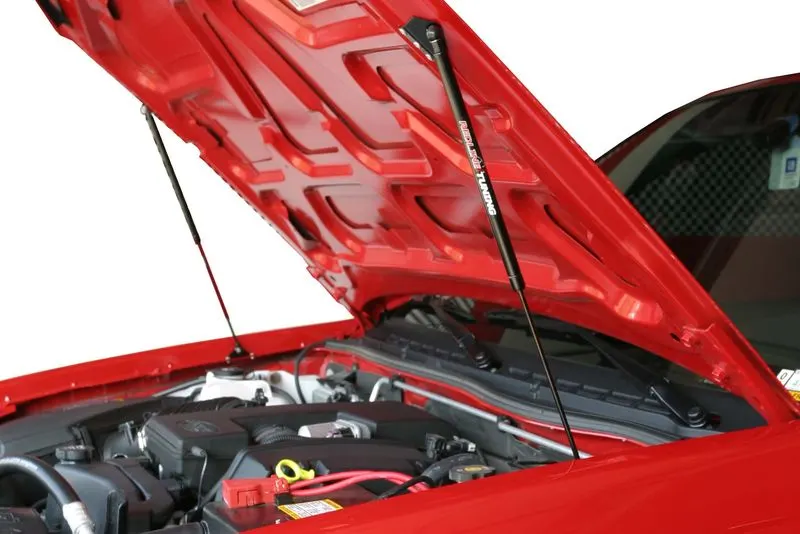
- A gas stay is a device the supports the hood of a motor vehilcle in its open position by means of an actuator actuated by gas. It costs more but does not require man power.
This process was followed in designing the hood;
- Latch trajectory
- Mastic data
- Emboss definitions
- Manufaturing process like deep drawing
- Hemming
- Parameters
1.Latch trajectory;
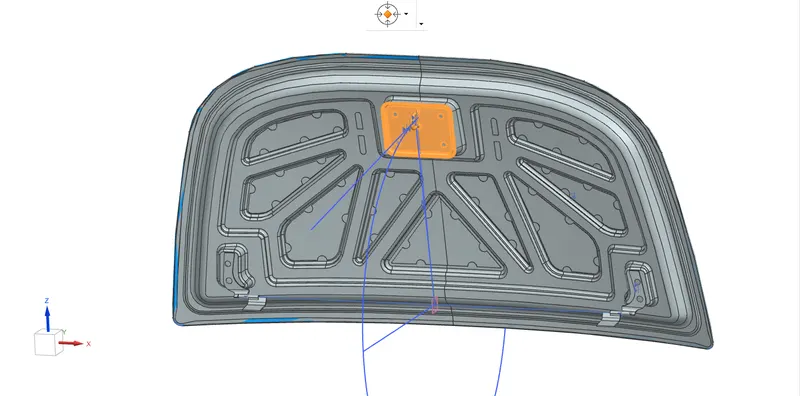
- A latch and stricker are used to attach the hood to the engine compartment. The latch and stricker are mounted one on the hood and the other on the engine compartment and this latch trajectory is formed and used to ensure proper alignment of the two.
2.Mastic data;
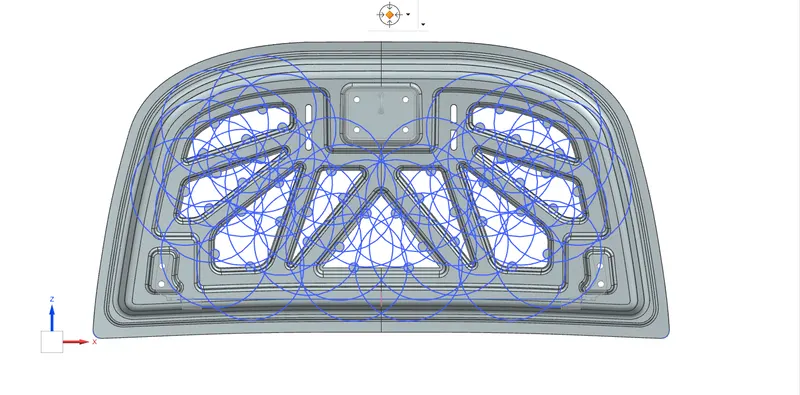
- It is ususally a hard rubber part. It is used between inner panel and outer panel. Mastic sealent helps improve hood strength. Every mastic sealent point will have a tendancy to improve the local strength in 80mm diameter. Mastic sealent reduces NVH in hood.
3.Emboss;
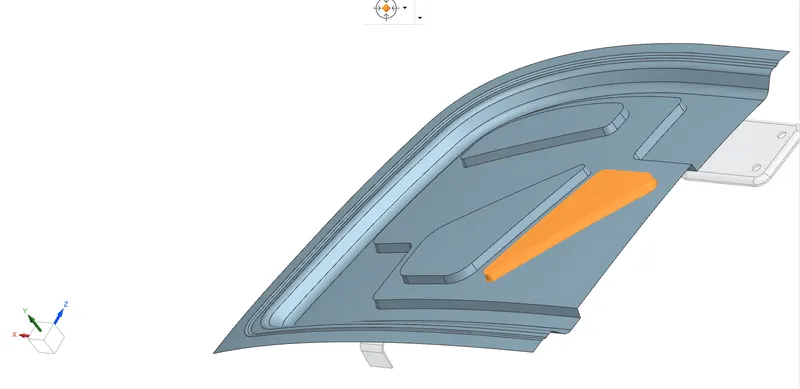
- Sheet metal embossing is a stamping process for producing raised or sunken designs or relief in the sheet metal. This reduces the weight of the hood inner panel and increase the strength of the hood. This embossing shape disperses the force in different directions so that the occupants are not injured when the vehicle crashes.
4.Deep drawing;
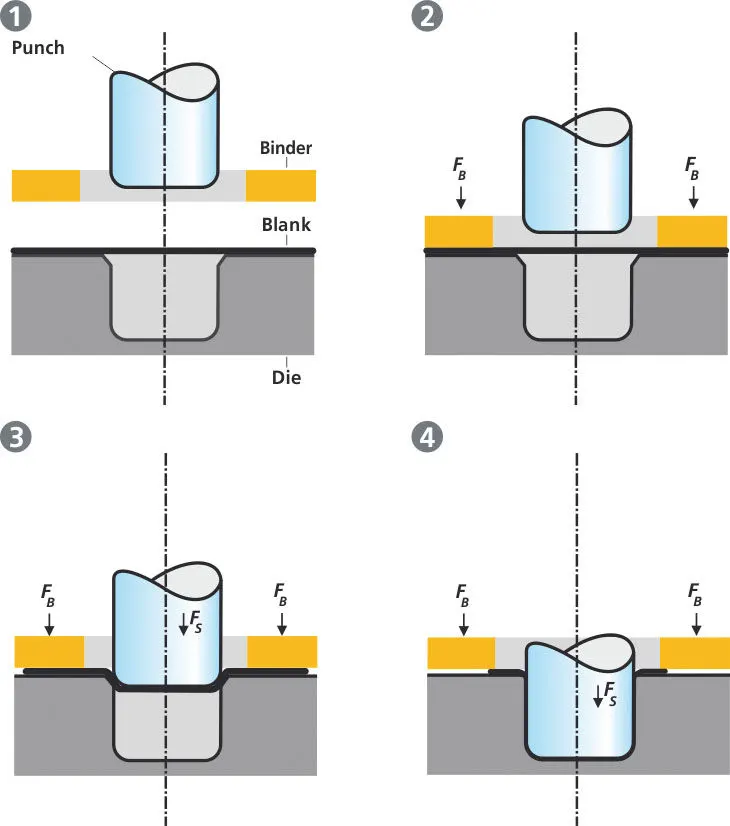
- Deep drawing is one of the most wickly used processes in sheet metal forming. A part from it's use in many other sectors. It's applied inn the automotive industry for the manufaturing of car body parts. In this a sheet metal blank is drawn radially into a dia formed by the mechanical action of a punch. It is shape change process with retention. The process is considered 'deep' drawing when depth of the drawn area exceeds it's diameter.
5.Hemming;
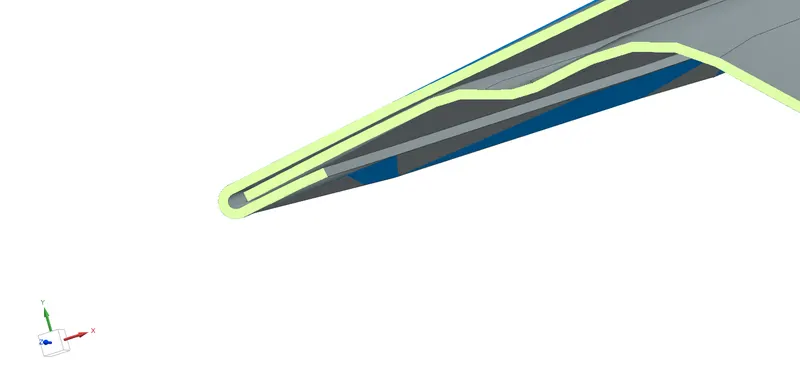
- Hemming is a technology used in the automotive industry to join inner and outer closure panels together. It ia the process of bending/folding the flange of the outer panel over the inner one.
This parameters followed in the design:
Hood Thickness Information
- Outer Panel Thickness = 0.75mm
- Inner Panel Thickness = 0.75mm
- Reinforcement Thickness = 1.5mm