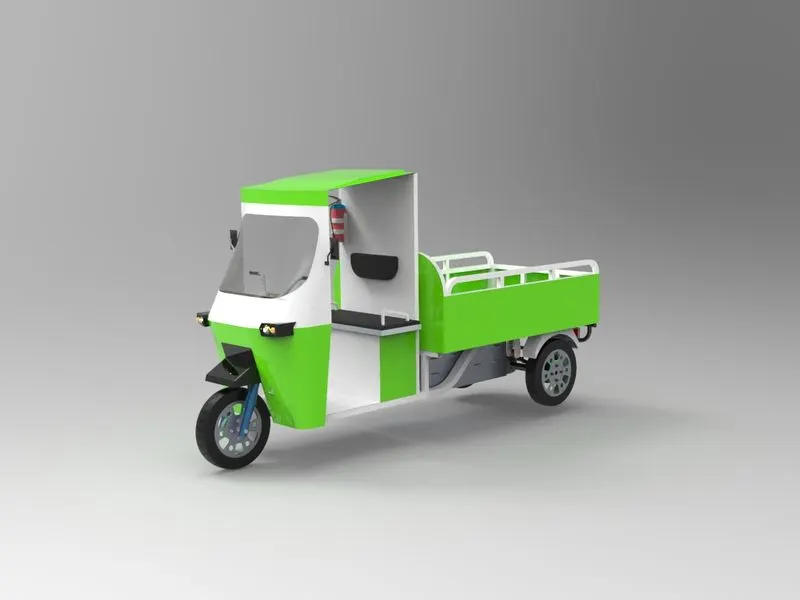
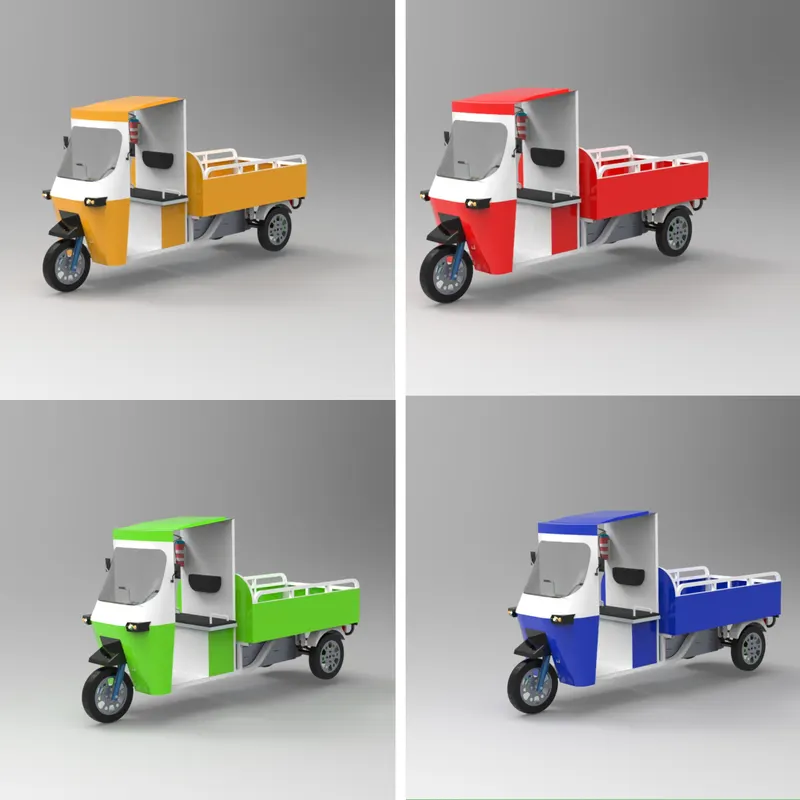
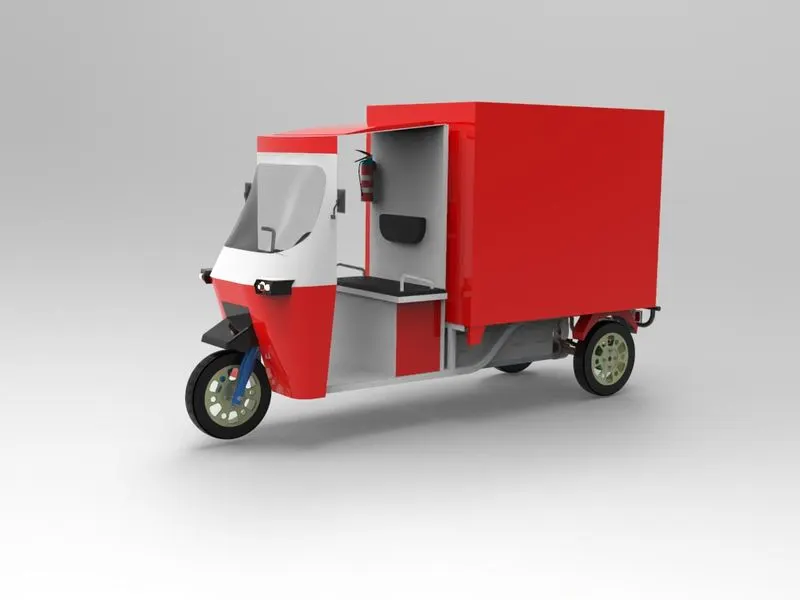
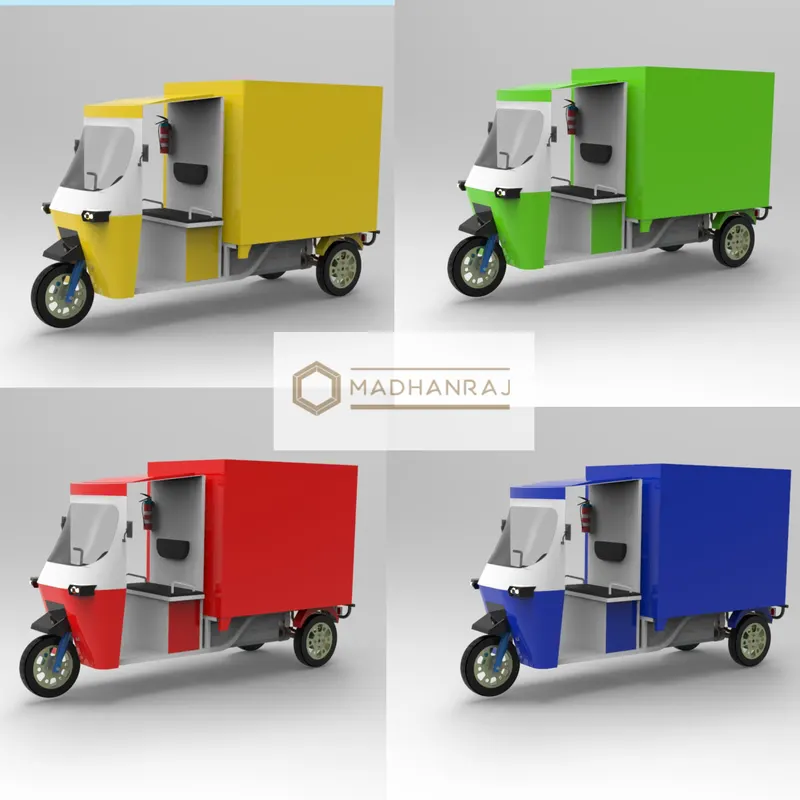
Design and Analysis of Electric three wheeler - Cargo Segment
AIM:
The Ultimate aim of this project is to design an electric three-wheeler for cargo segments as per the ARAI and ICAT regulations.
SOFTWARE'S USED:
- For Design - NX CAD
- For Meshing - Hypermesh & ANSA
- For Analyze - ANSYS
- For Rendering - Keyshot
ELECTRIC VEHICLE:
An electric vehicle (EV) is a vehicle that uses one or more electric motors or traction motors for propulsion. An electric vehicle may be powered through a collector system by electricity from off-vehicle sources or may be self-contained with a battery, solar panels, fuel cells, or an electric generator to convert fuel to electricity. EVs include, but are not limited to, road and rail vehicles, surface and underwater vessels, electric aircraft, and electric spacecraft.
Our Segment:
- "E-Rickshaw" means a special purpose battery operated vehicle having three wheels and intended to provide last mile connectivity for transport of passengers for hire or reward.
- "E-Cart" means a special purpose battery operated vehicle having three wheels and intended to provide last mile connectivity for carrying goods for hire or reward.
Type of Approvals:
- ICAT (International Centre for Automotive Technology)
- ARAI (Automotive Research Association of India)
Dimensions:
- Length – 2800mm
- Breadth – 1000mm
- Height – 1800mm
[As per ICAT Standards]
Components in E-rickshaw cargo:
- Chassis
- Electric Motor
- Electric Motor Controller
- Battery
- Differential
- Front Shock Absorbers
- Rear Suspension
- Brakes
- Speedometer
- Miscellaneous Spare parts
Design Parts:
The Complete design images has been attached below. Every single design work has been done by myself. No single component file has been taken from internet like Grabcad.
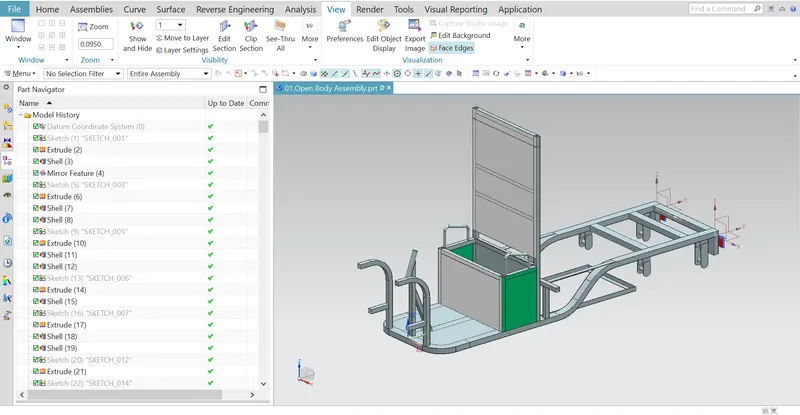
1. Chassis:
The chassis is the main support structure of the vehicle. It bears all the stresses on the vehicle in both static and dynamic conditions. In a vehicle, it is analogous to the skeleton in living organisms. The origin of the word chassis lies in the french language. Every vehicle whether it is a two-wheeler or a car or a truck has a chassis frame. However, its form obviously varies with the vehicle type.
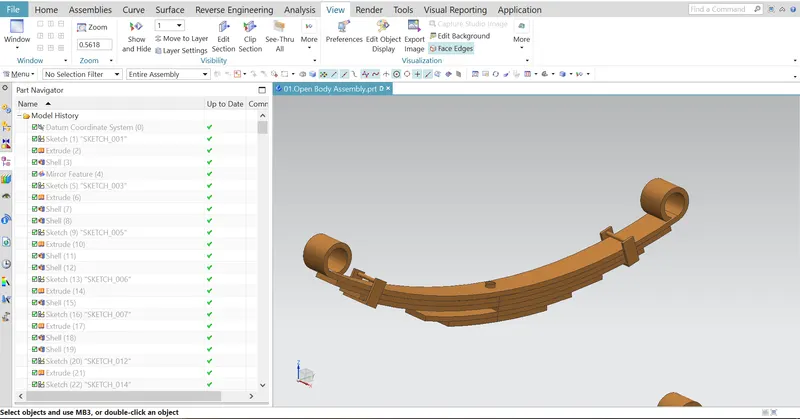
2. Leaf Spring:
A leaf spring takes the form of a slender arc-shaped length of spring steel of a rectangular cross-section. In the most common configuration, the center of the arc provides the location of the axle, while loops formed at either end provide for attaching to the vehicle chassis. The overall purpose of a leaf spring is to provide support for a vehicle. It also creates a smoother ride, absorbing any bumps or potholes in the road. Additionally, leaf springs are used to locate the axle, control the height at which the vehicle rides and keep the tires aligned on the road.
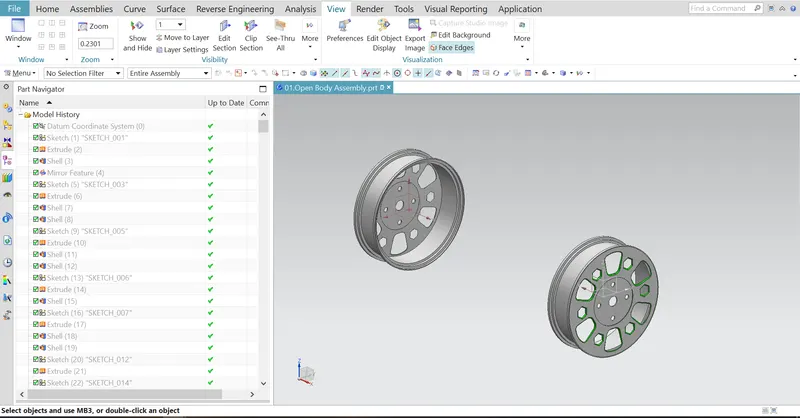
3. Wheel Rim:
The rim is the "outer edge of a wheel, holding the tire". It makes up the outer circular design of the wheel on which the inside edge of the tire is mounted on vehicle.
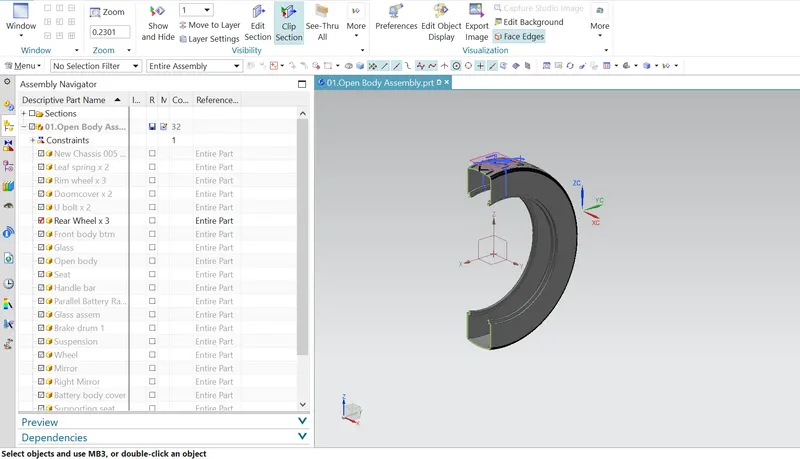
4. Tyres:
A tire or tyre is a ring-shaped component that surrounds a wheel's rim to transfer a vehicle's load from the axle through the wheel to the ground and to provide traction on the surface over which the wheel travels.
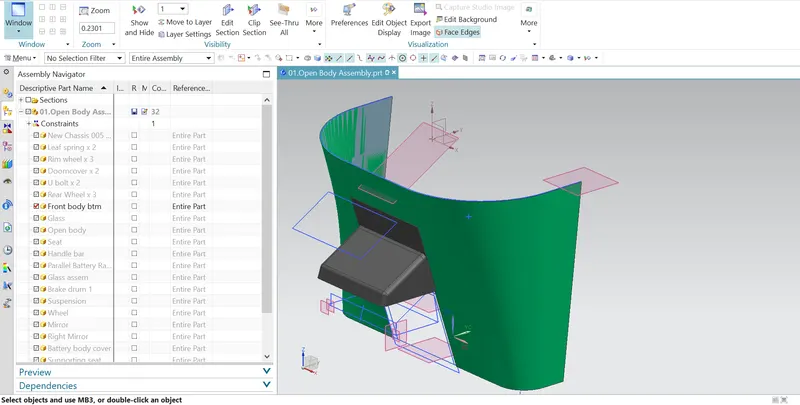
5. Front Bottom Body & Mudguard:
The front body of the vehicle which covers the bottom portion of the vehicle which consists of Brake pedal, lighting connections, Front shocker and Handle bar. Mudguard is placed on this body to prevent the splattering of water or dust.
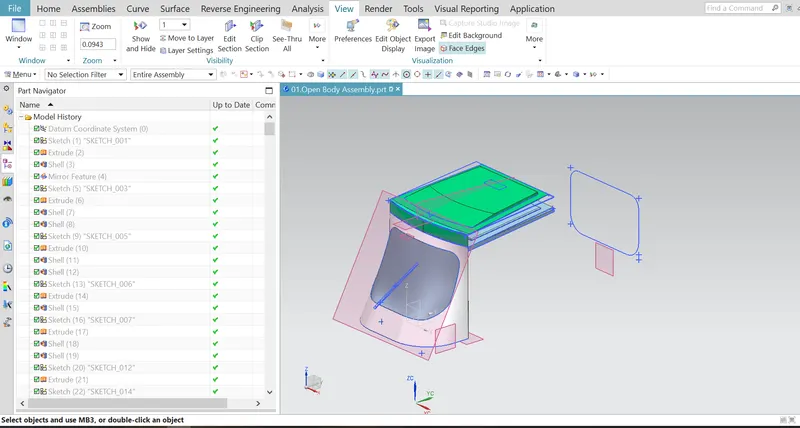
6. Windshield:
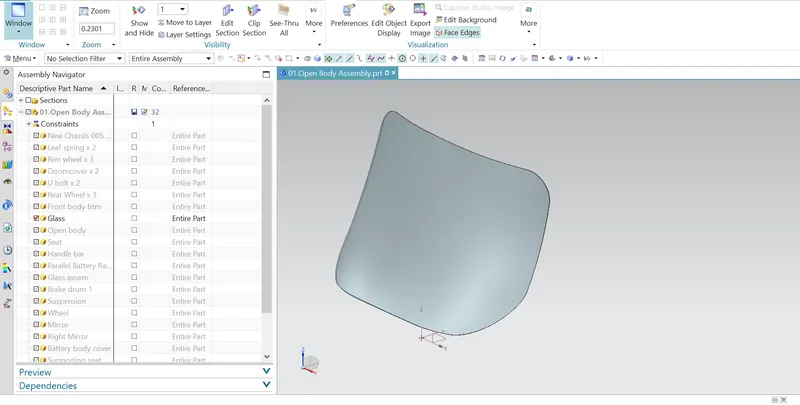
The windshield or windscreen of an aircraft, car, bus, motorbike, truck, train, boat or streetcar is the front window, which provides visibility while protecting occupants from the elements.
7. Open Body Trailer:
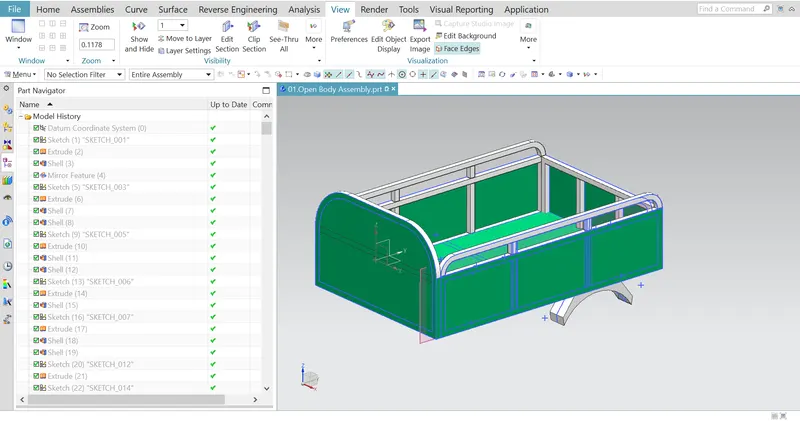
Open Body Trailers, which provides the large space to carry the object and carrying the load. This types of trailers is good for metal or material transportation. But not good for costly products and fragile materials.
8. Closed Body Trailer:
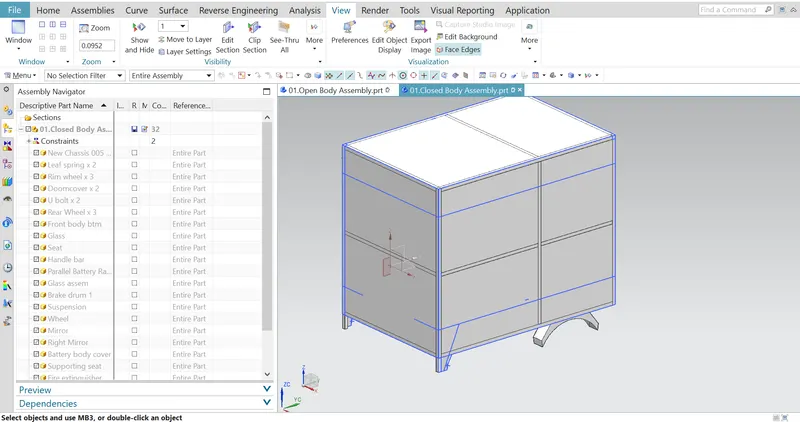
Closed Body trailers, which provides the medium space to carry with load with more safety aspects.
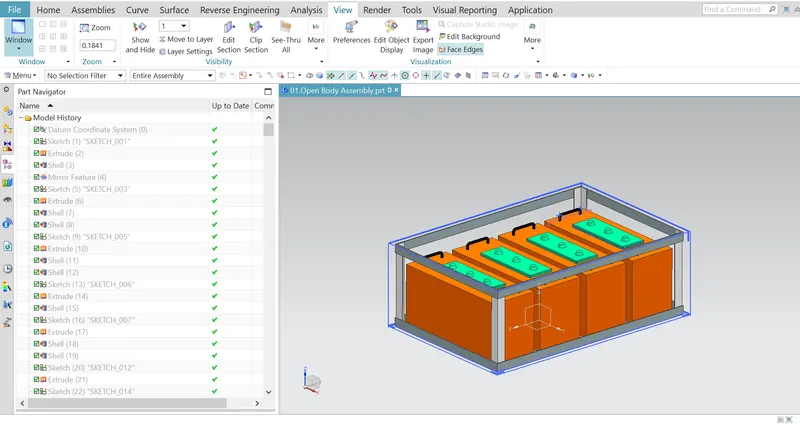
9. Battery Pack:
A battery is a source of electric power consisting of one or more electrochemical cells with external connections for powering electrical devices such as flashlights, mobile phones, and electric cars.
10. Top Body:
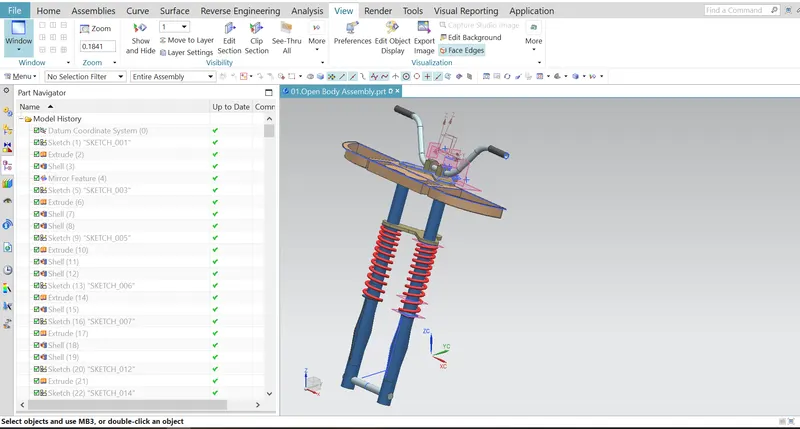
11. Front Shocker, Dashboard and Handlebar setup:
It is a widely used suspension in 2 wheeler vehicless. There is no type of harm to this suspension if we increase the load on the vehicle. It is widely preferred in the vehicle which is used in rough terrain vehicles. As in rough roads there are continuously changing loads on the vehicle, so its suspension transfers the load properly to get better ride comfort. The adjustment of this suspension is difficult. We can drive the vehicle if any one of the suspensions gets oil leaked or damaged or failed while driving. The lifespan of this suspension is more that is why it's used more. of vehicles. It is a cost-effective suspension. The two-piston also completely separates the shock fluid and the gas components. Whenever we encounter the bump on a motorcycle with two shocks, both the shock compress but there is a very rare situation when both of them compress for an equal length. This leads to downgraded dynamics when it comes to stability
12. Differential & Motor:
The driving axle is one of the cross members which supports the load of the tractor and has the driving wheels at its ends. The driving axle consists of a housing, a differential, two-axle shafts (half axles), and final drives (if required).
The differential is an important component of the driving axle. The main functions performed by the differential system are:
- Further reduces the rotations coming from the gearbox before the same is passed on to the rear axles.
- Changes the direction of the axis of rotation of the power by 90o i.e. from being longitudinal to the transverse direction.
- To distribute power equally to both the rear driving axles when the tractor is moving in a straight-ahead direction.
- To distribute the power as per the requirement to the driving axles during turning i.e. more rotations are required by the outer wheel as compared to the inner wheel – during turns.
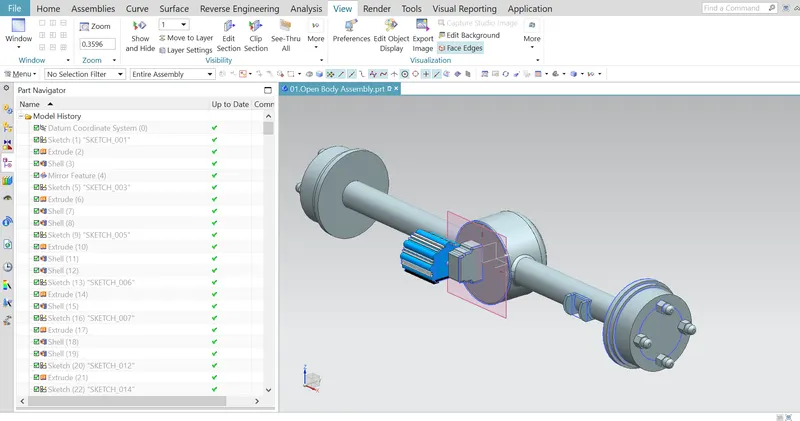
A BLDC Motor is also known as an electronically commutated motor(ECM or EC motor) or synchronous DC motor using a direct current(DC) electric power supply. It uses an electronic closed-loop controller to switch DC currents to the motor windings producing magnetic fields which effectively rotate in space and which the permanent magnet rotor follows. The controller adjusts the phase and amplitude of the DC current(brushes) used in many conventional electric motors.
13. Auxillary Components:
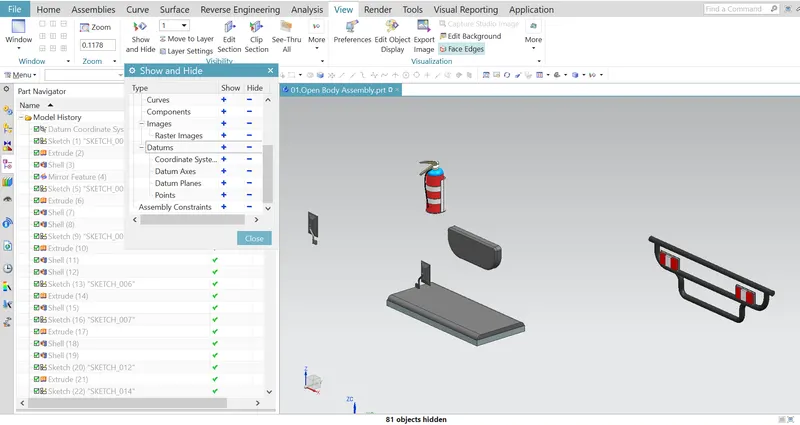
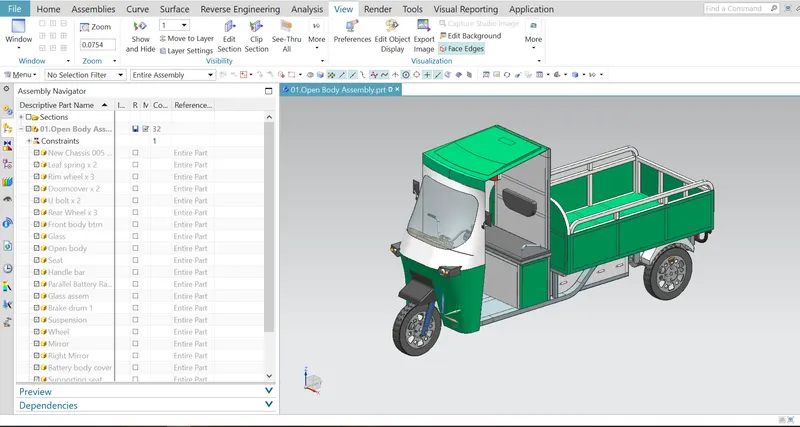
Assembly setup:
The following components has been successfully assembled by using the NX Software.
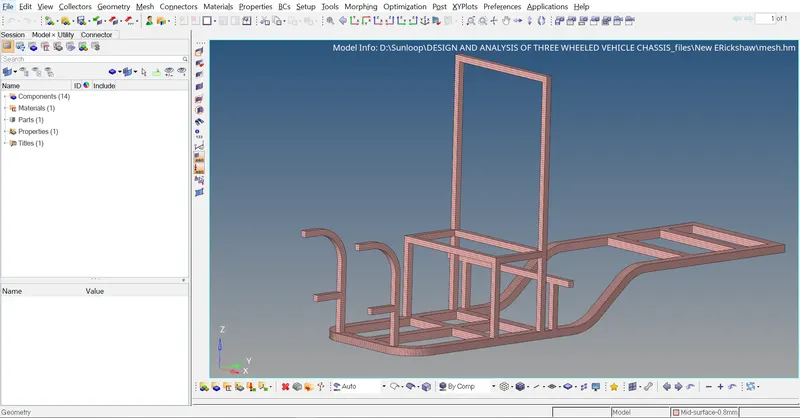
Chassis Mesh:
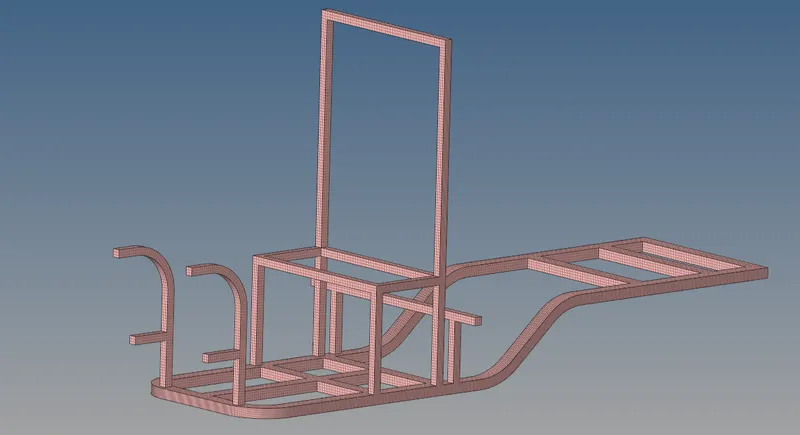
Meshing is the process in which the continuous geometric space of an object is broken down into thousands or more of shapes to properly define the physical shape of the object. The more detailed a mesh is, the more accurate the 3D CAD model will be, allowing for high fidelity simulations.
The Element size has been maintained as 5.
Rendering:
Rendering or image synthesis is the process of generating a photorealistic or non-photorealistic image from a 2D or 3D model by means of a computer program. The resulting image is referred to as the render.
The rendering has been by using Keyshot software.