Conjugate Heat Transfer Simulation
Aim : Conjugate Heat Transfer through Pipe.
Objective : To study Conjugate heat transfer between two different regions(solid & liquid).
To study Super-Cycling , wall functions concept and is use in converge.
Theory:
What is Stream ?
Stream is a collection of connected regions of same phase (solid or fluids).
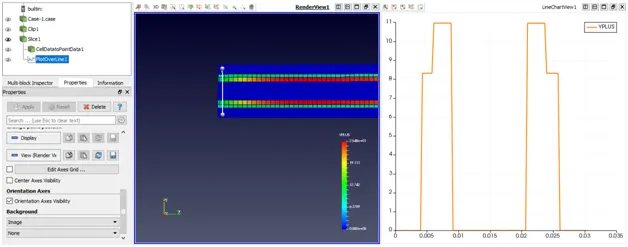
Concept of Y+ :
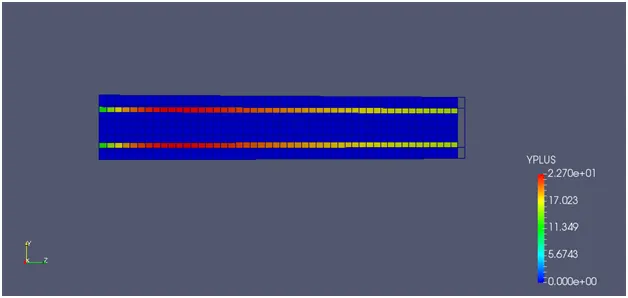
The Y+ value is a non-dimensional term that can be used to understand how coarse or fine our grid is . This can then be used to determine if wall functions need to be used or not.
Super-cycling :
Super-cycling is a method used by CONVERGE Studio in the case of conjugate heat transfer problems with a solid and liquid regions.
The integral problem here is that both solvers cannot run at the same speed since solving in the fluid domain is much faster owing to the time scale difference for heat transfer in liquids as compared to solids. This causes problems during the solution given that the solid side solver would not have reached a steady state/convergence in the time the liquid solver does. This is where the concept of super-cycling can be used.
Formulae Used –
- Energy Equation:

- Reynolds Number : Re = (rho*V*D)/(Dynamic viscosity)
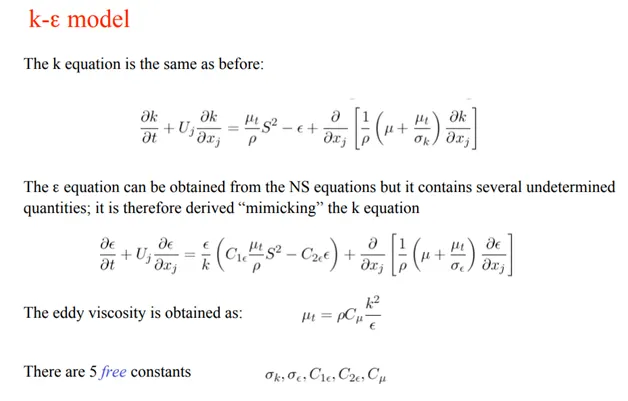
- Turbulence modelling - K-Epsilon :
What is adiabatic flow ?
The flow of a viscous liquid or gas through a heat-insulated channel is often referred to as adiabatic. A reversible adiabatic process in the thermodynamic system (see Thermodynamics) working only in expansion is described by the differential equation: i.e., the process is also isentropic (ds = 0, s = const).
Isentropic process : In thermodynamics, an isentropic process is an idealized thermodynamic process that is both adiabatic and reversible. The work transfers of the system are frictionless, and there is no transfer of heat or matter.
Shear stress : F (tangential force) / Area
Static Pressure : Idle Pressure available in system. It is important to calculate static pressure in the system as it affects the changing pressure.
Kinetic Pressure : Equivalent pressure available in a moving fluid is kinetic pressure.
Total Pressure = Static Pressure + Kinetic Pressure
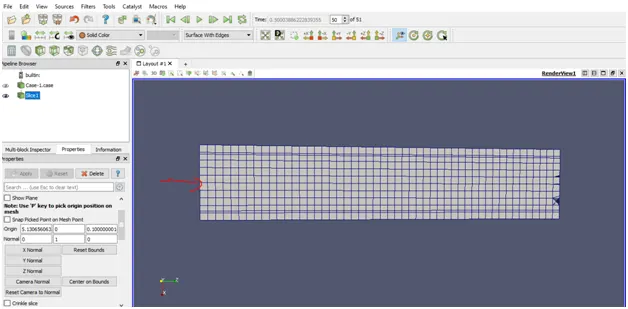
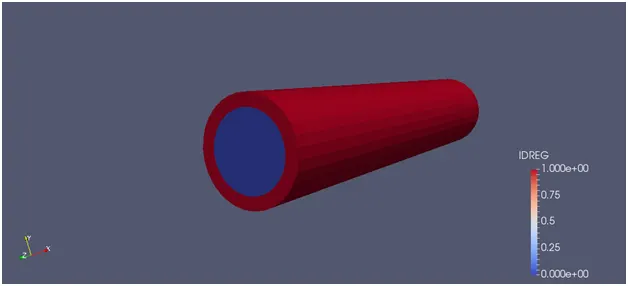
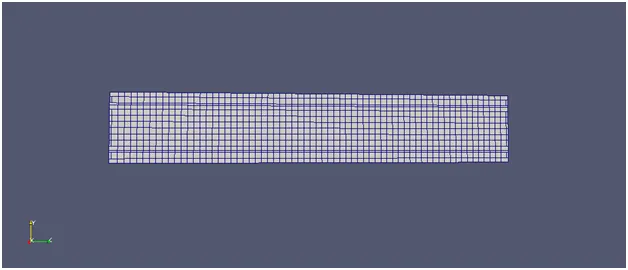
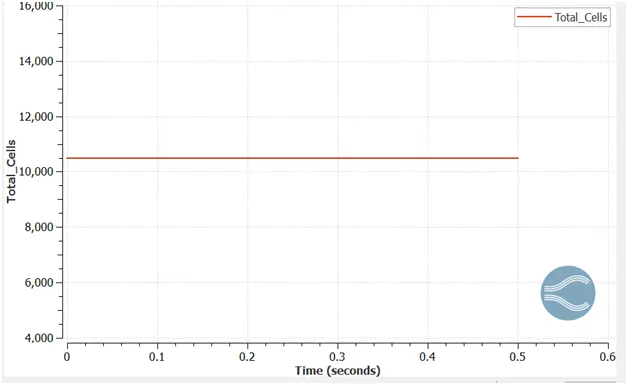
Case Setup and Mesh : (Base grid : 0.004m & Super-cycle Time Interval : 0.05s)
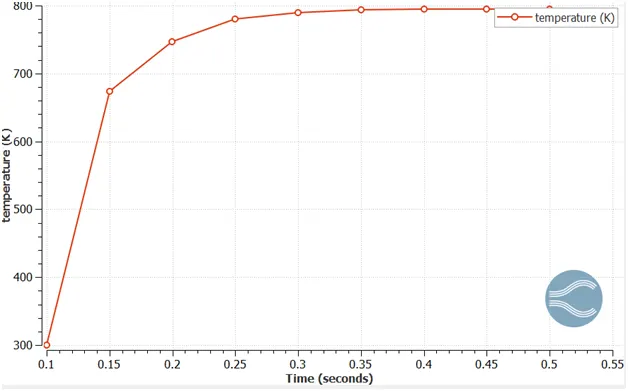
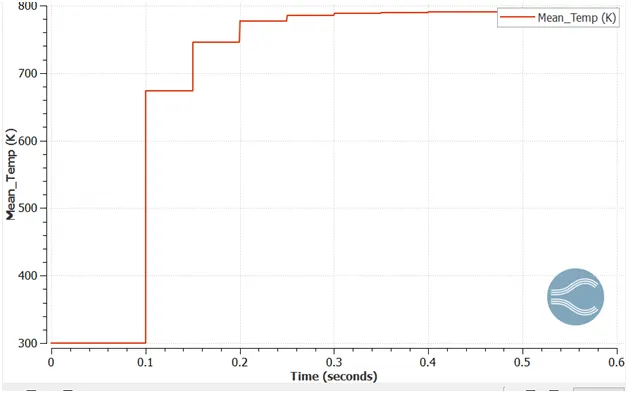
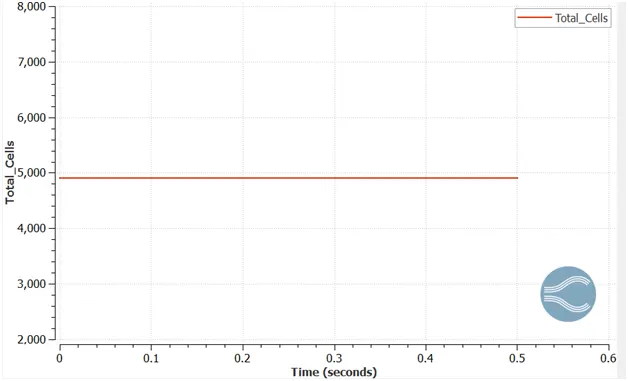
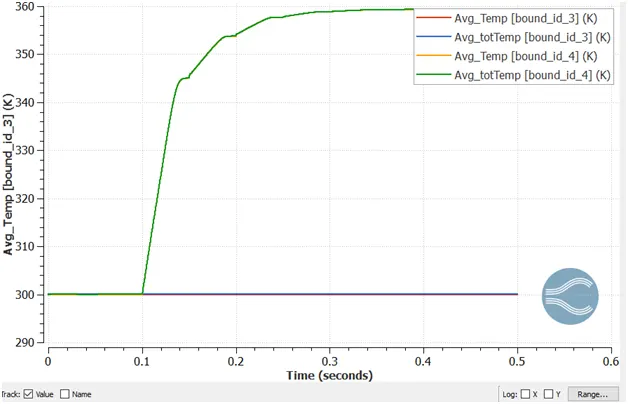
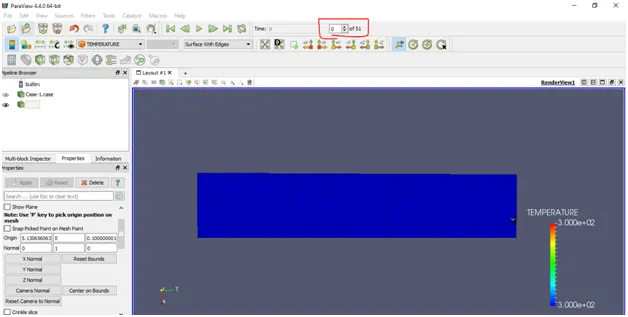
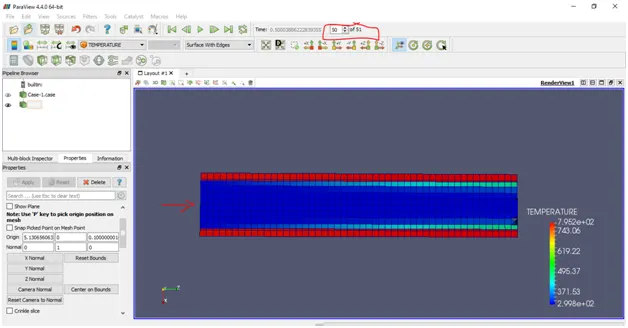
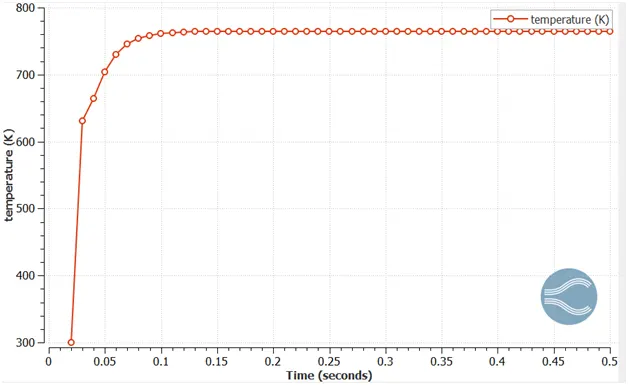
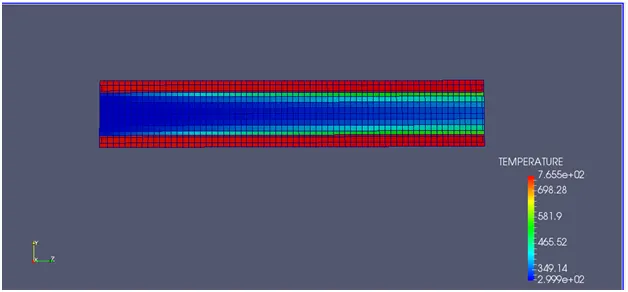
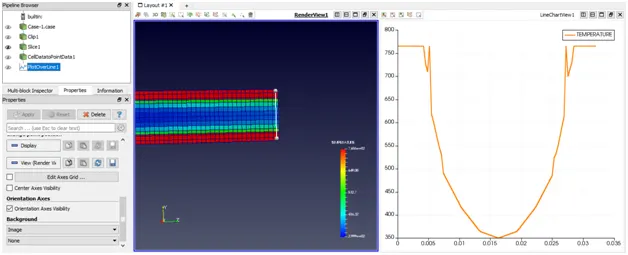
Temperature Plot :
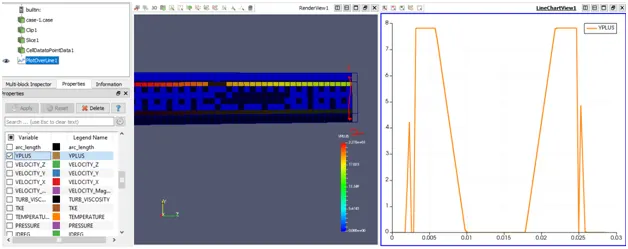
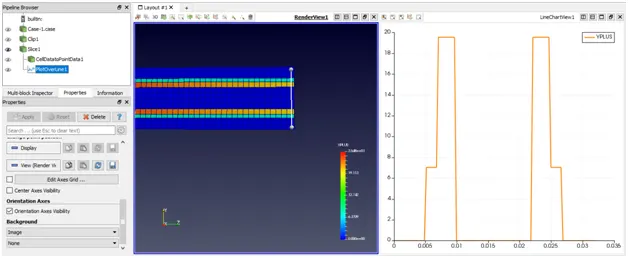
Y+ plot :
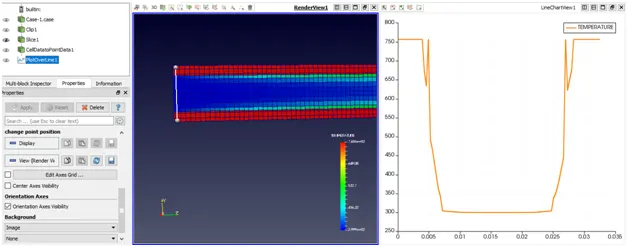
Plot over line - Graph near Inlet of Pipe :
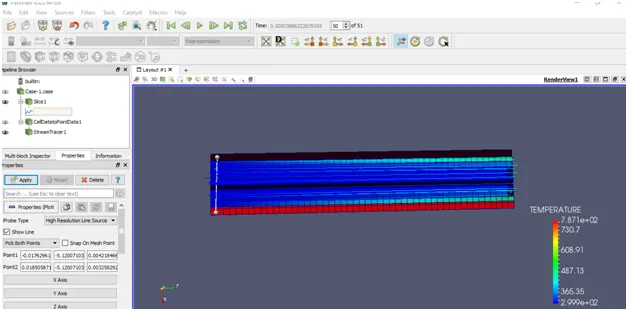
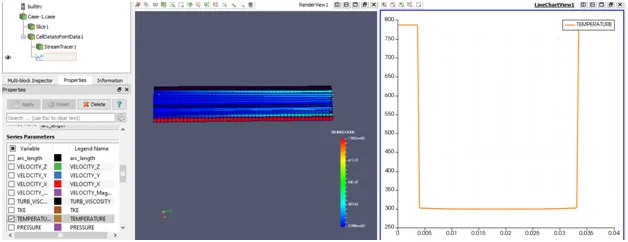
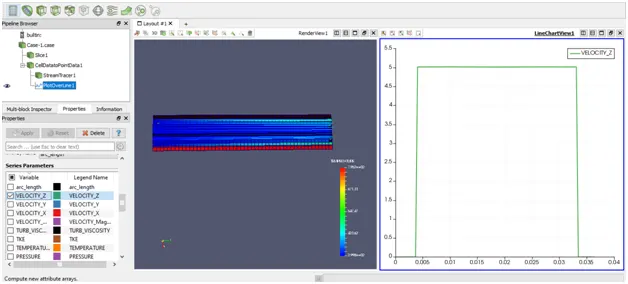
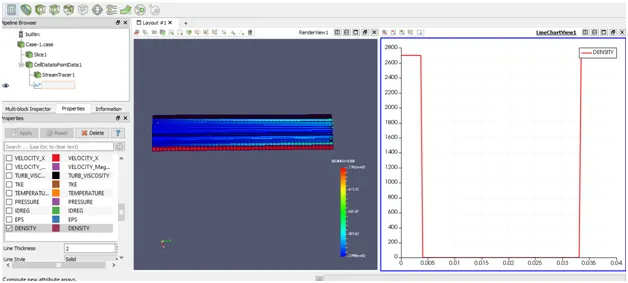
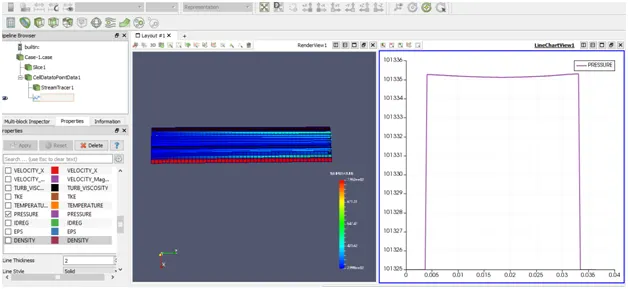
Plot over line - Graph near Outlet of Pipe :
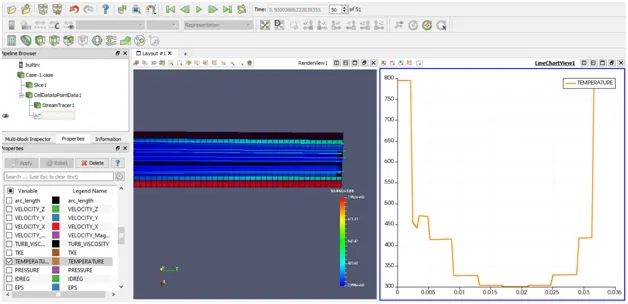
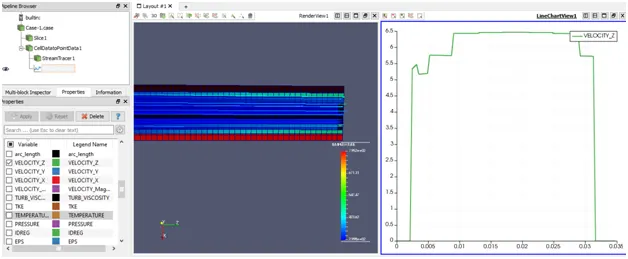
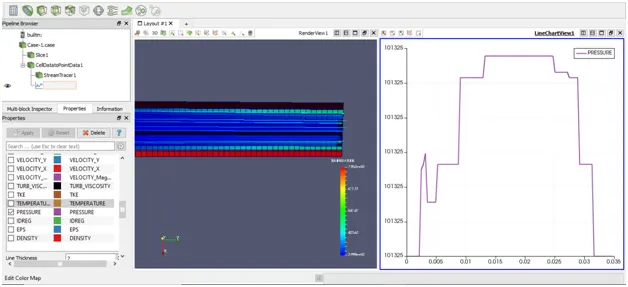
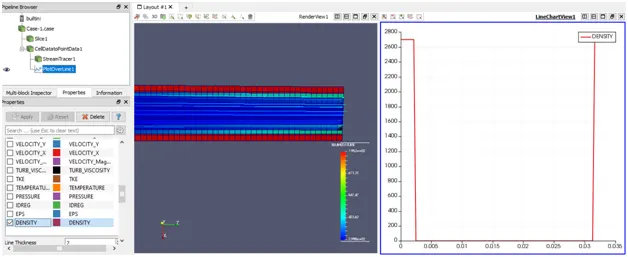
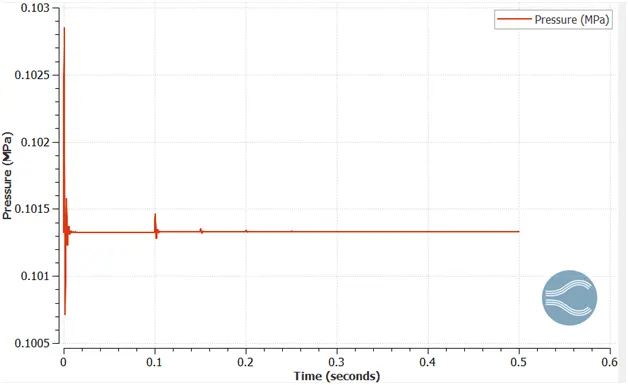
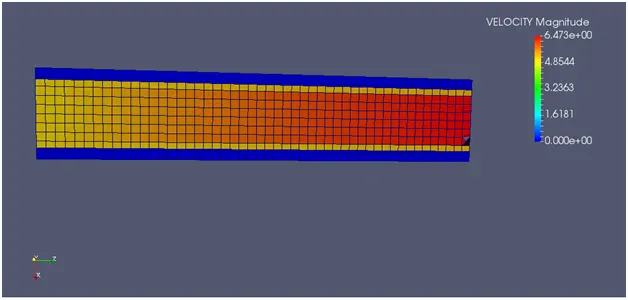
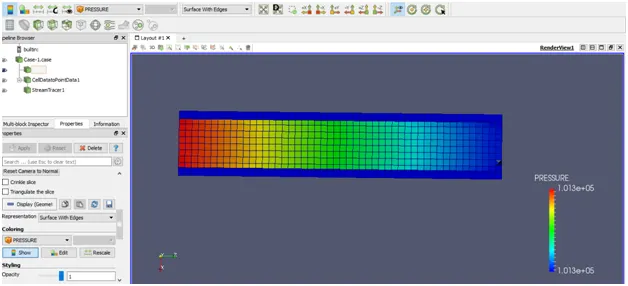
Velocity & Pressure Flow:
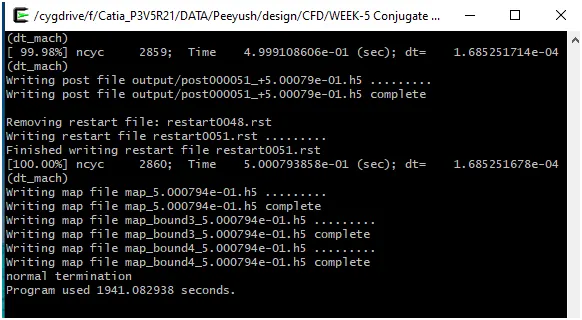
Time Required for Simulation. (Grid size: 0.004m & Super-cycle Time Interval : 0.05s)

Case 2:
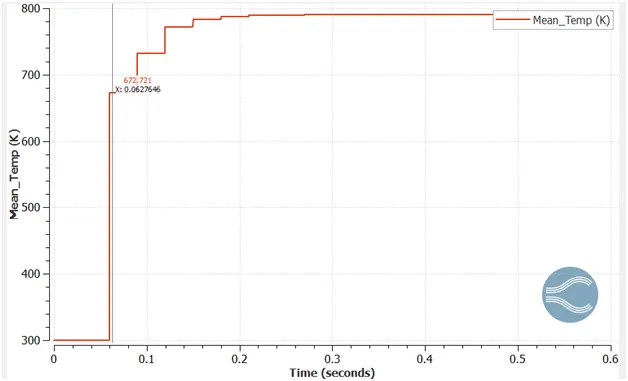
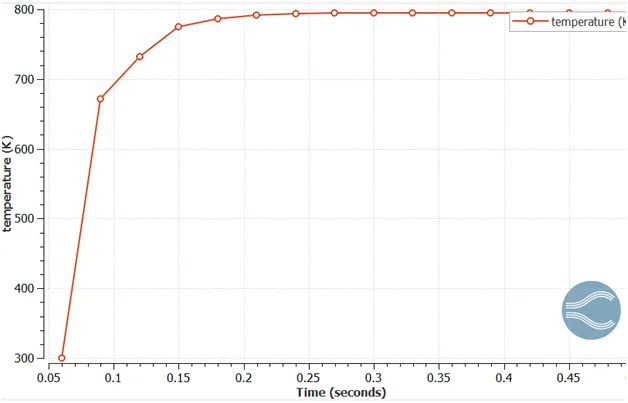
Time Required for Simulation. (Grid size: 0.004m & Super-cycle Time Interval : 0.03s)
Case 3 :
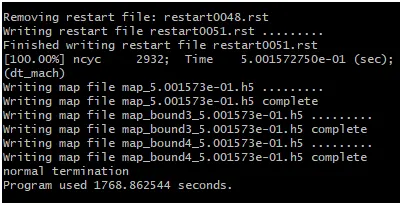
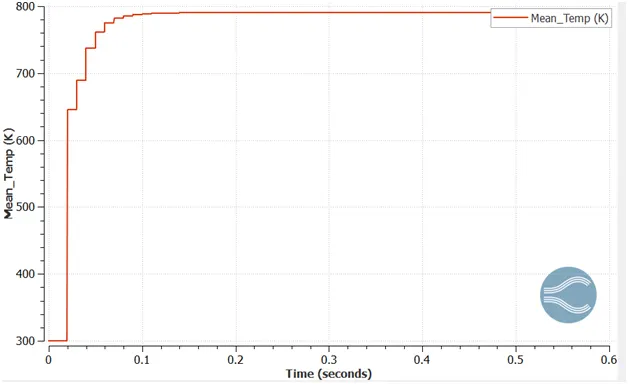
Time Required for Simulation. (Grid size: 0.004m & Super-cycle Time Interval : 0.01s)
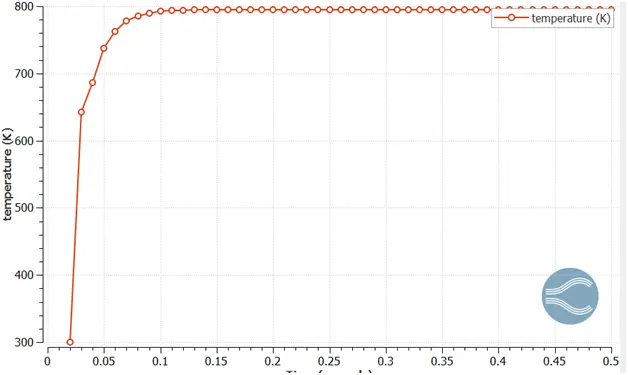
Case 4:
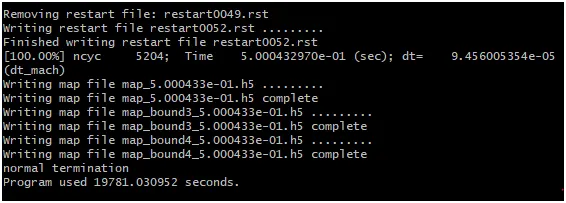
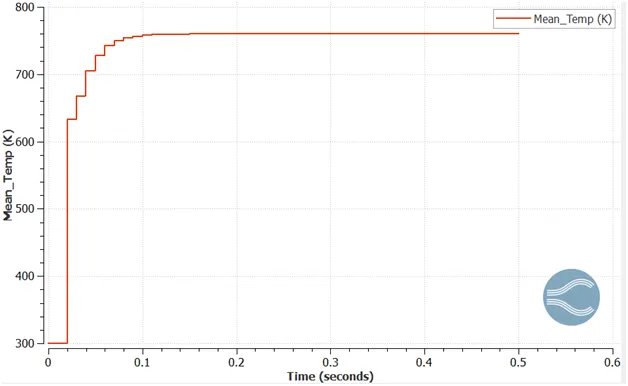
Time Required for Simulation. (Grid size: 0.003m & Super-cycle Time Interval : 0.01s)
Results and Conclusion :
- Super-cycling help obtaining accurate results of heat transfer in both fluid as well as solid region.
- In case of fluid or air , heat transfer takes place at a much faster rate compared to solid.Supercycling converges fuild region upto certain interval then stops it until solid region is converted. Thus we get accurate results.
- By decreasing Super-cycling time interval , simulation run time was reduced.
- Refining the mesh size resulted in longer duration of simulation for converging output files. No of cell count Increased comparatively, but better heat transfer was seen.
- Velocity increased from 5 m/s to 6.5m/s (inlet to outlet) while pressure reduced.