Challenge 2- Comparing the performance of three types of beams under bending load.
AIM: To compare the performance of three types of beams under a bending load.
Introduction:-
Beam is a relatively long pieces of metal, wood, stone, etc., which is manufactured or shaped especially for use as rigid members or parts of structures or machines. Beams are in different forms and varieties according to the application and loading criterias.
In this project, I'm going to analyze 3 Beam elements which have different cross sections. The goal is to find the best cross section from those which satisfies the optimal condition
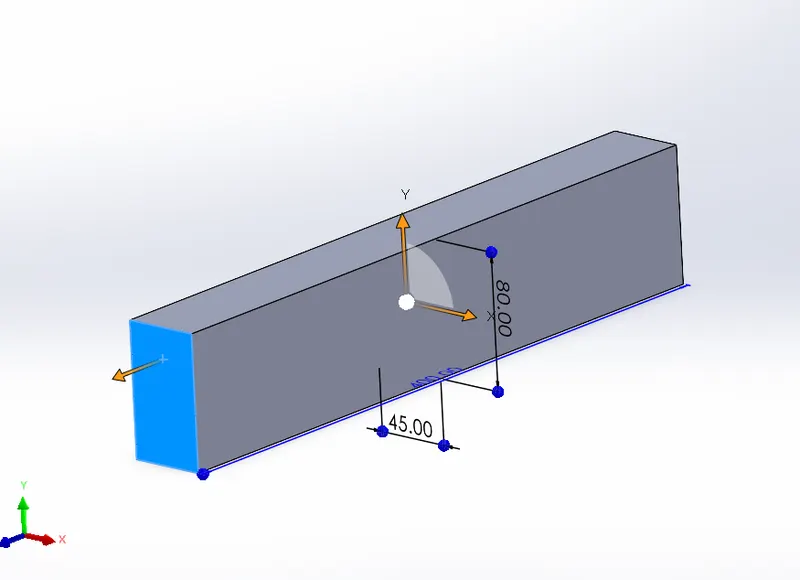
Beam span: 400 mm
Beam section 1:
Beam section 2:
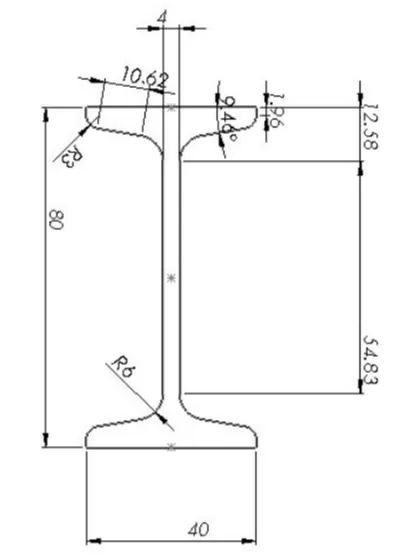
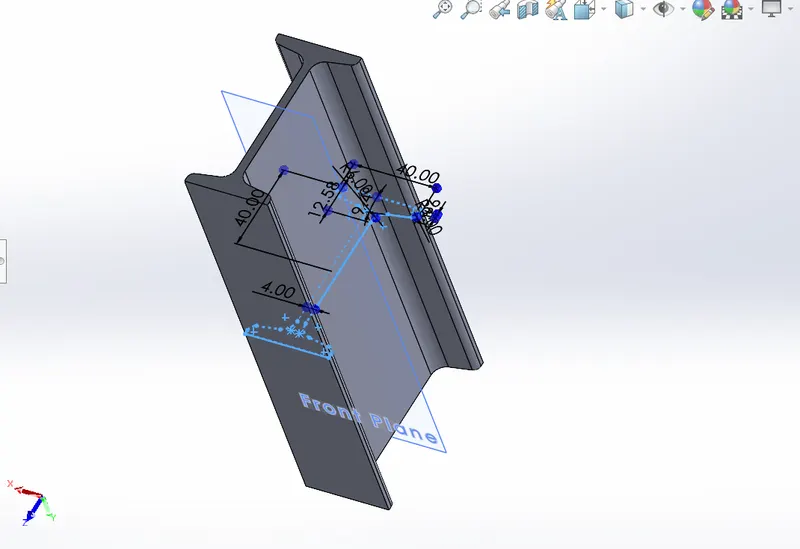
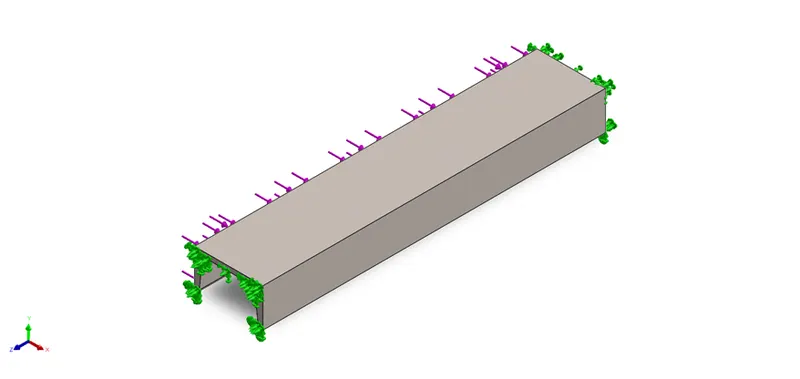
Beam section 3:
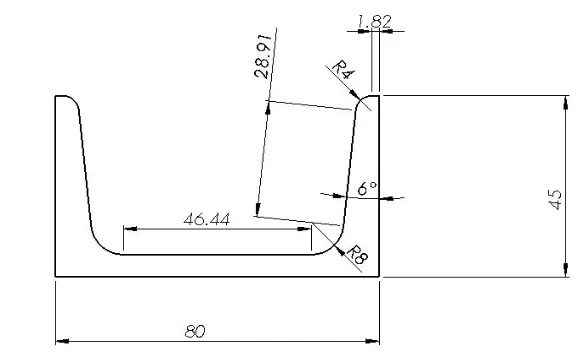
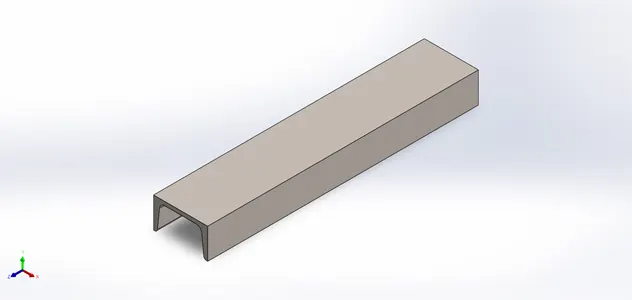
Analysis:
COMMON MATIERIAL PROPERTIES:
COMMON PROPERTIES OF LOADING:
|
Load name |
Load Details |
||||||||||
|
Force-1 |
|
Common meshing properties:
Mesh information
|
Mesh type |
Solid Mesh |
|
Mesher Used: |
Standard mesh |
|
Automatic Transition: |
Off |
|
Include Mesh Auto Loops: |
Off |
|
Jacobian points for High quality mesh |
16 Points |
|
Element Size |
9 mm |
|
Tolerance |
0.45 mm |
|
Mesh Quality |
High |
1. Beam 1
Model Information
|
|||||||||||||||||
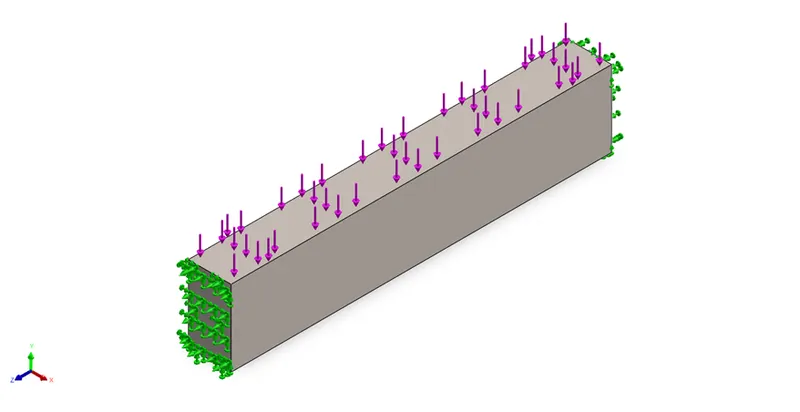
beam 1-Nonlinear 1-Stress
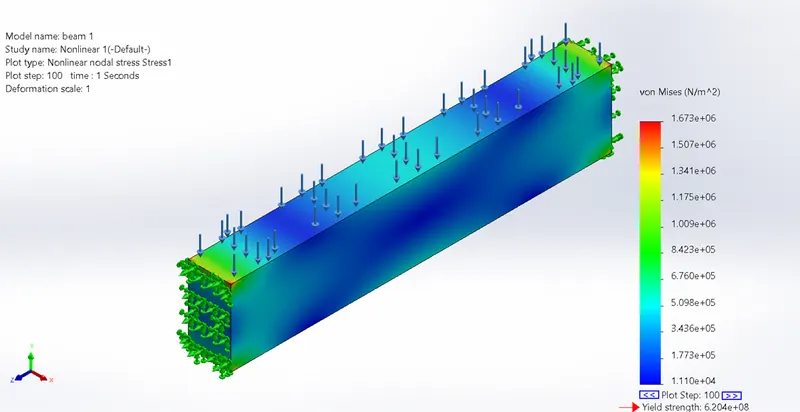
Stress at mid region= 5.098
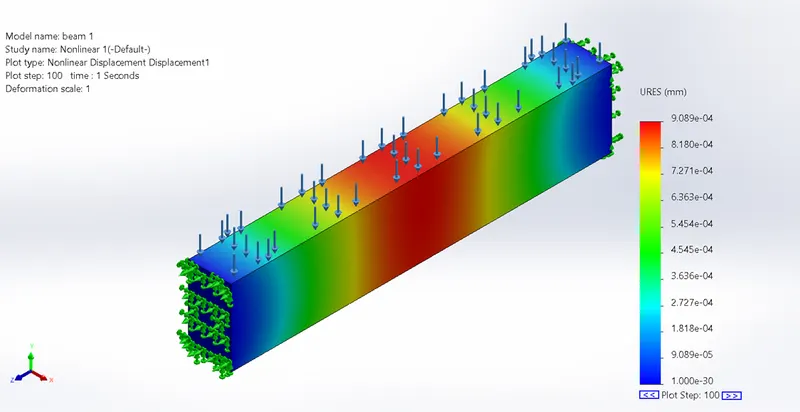
beam 1-Nonlinear 1-Displacement
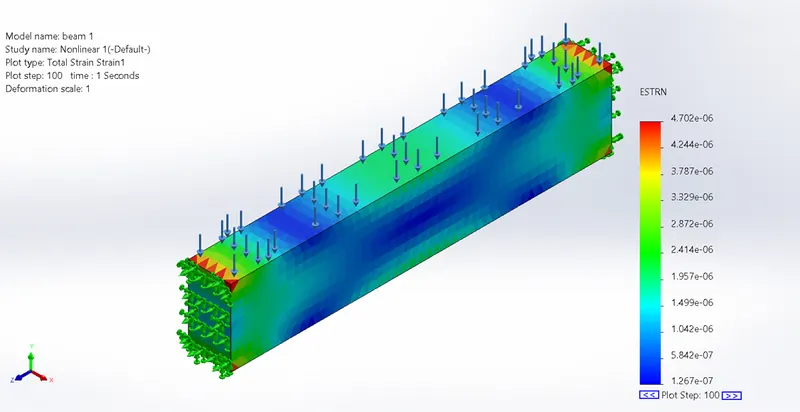
beam 1-Nonlinear 1-Strain
2. Beam 2
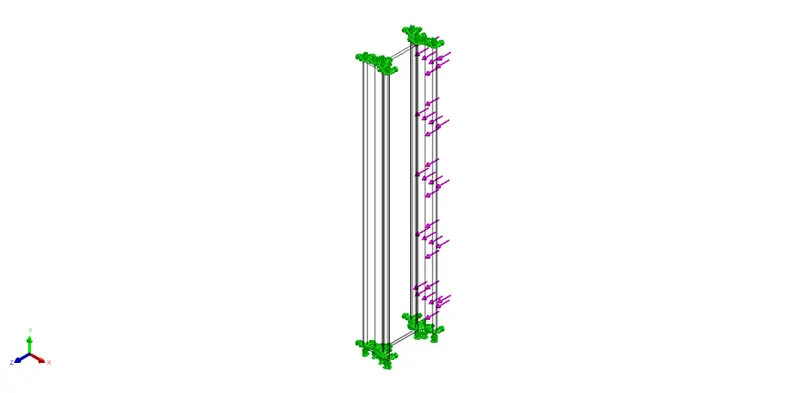
|
Model name: beam 2 Current Configuration: Default |
||||
|
Solid Bodies |
||||
|
Document Name and Reference |
Treated As |
Volumetric Properties |
Document Path/Date Modified |
|
|
Boss-Extrude1 |
Solid Body |
Mass:2.36299 kg Volume:0.000306882 m^3 Density:7,700 kg/m^3 Weight:23.1573 N
|
D:\SKILL LYNC\FEA using solidworks\beam 2-Buckling 1\beam 2.SLDPRT Aug 5 10:44:25 2022 |
|
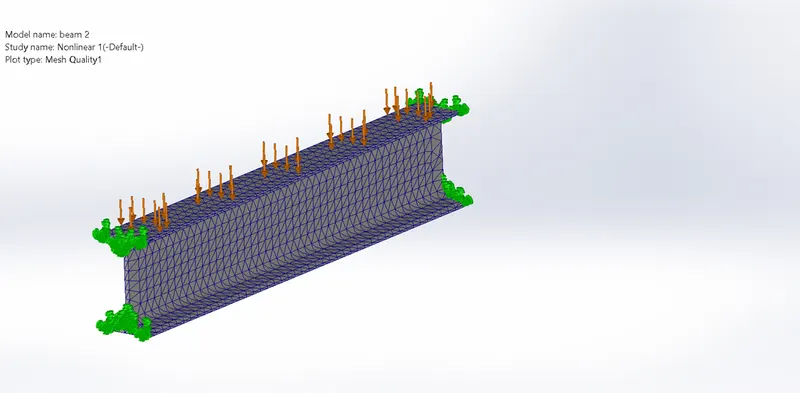
MESH data:
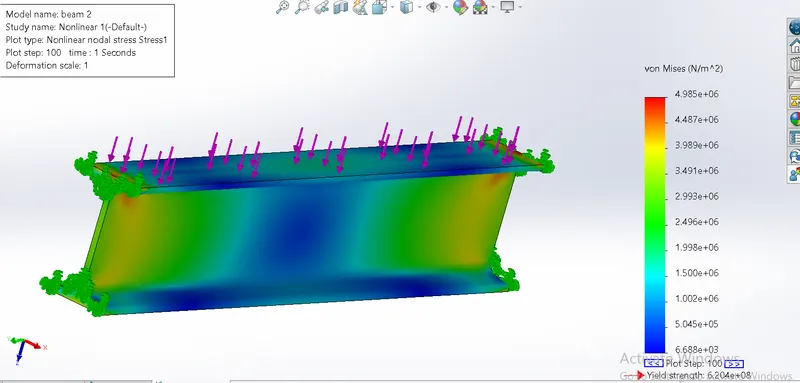
beam 2-Nonlinear 1-Stress
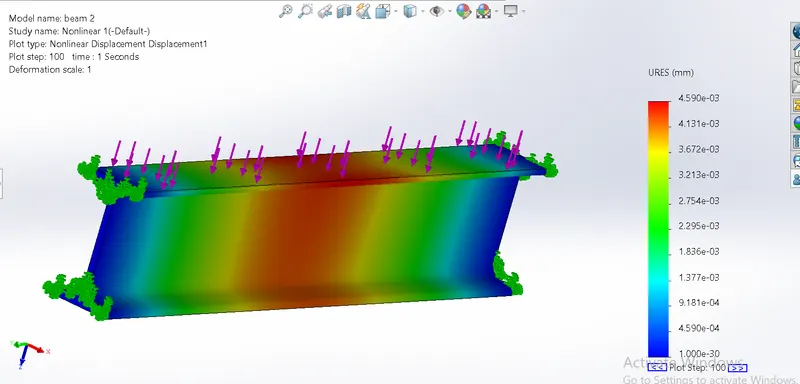
beam 2-Nonlinear 1-Displacement
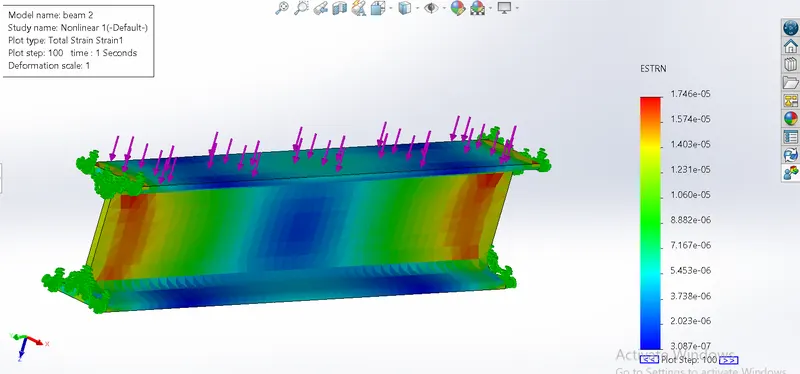
beam 2-Nonlinear 1-Strain
3. Beam 3
Model name: beam 3 Current Configuration: Default |
||||
|
Solid Bodies |
||||
|
Document Name and Reference |
Treated As |
Volumetric Properties |
Document Path/Date Modified |
|
|
Boss-Extrude1 |
Solid Body |
Mass:3.22947 kg Volume:0.000419412 m^3 Density:7,700 kg/m^3 Weight:31.6488 N
|
D:\SKILL LYNC\FEA using solidworks\beam 3-Buckling 1\beam 3.SLDPRT Aug 5 10:19:11 2022 |
|
Study results:
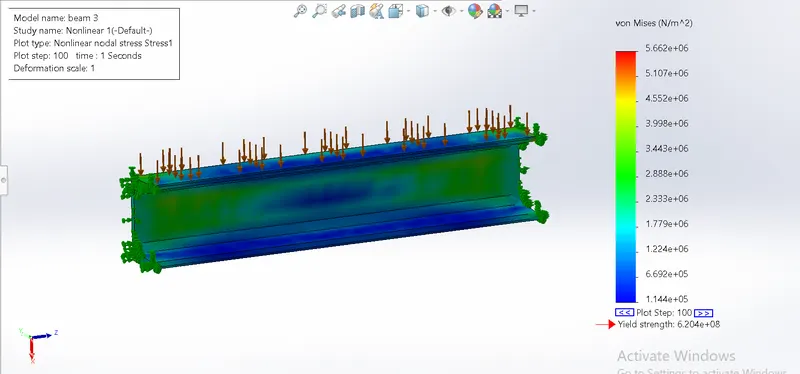
beam 3-Nonlinear 1-Stress
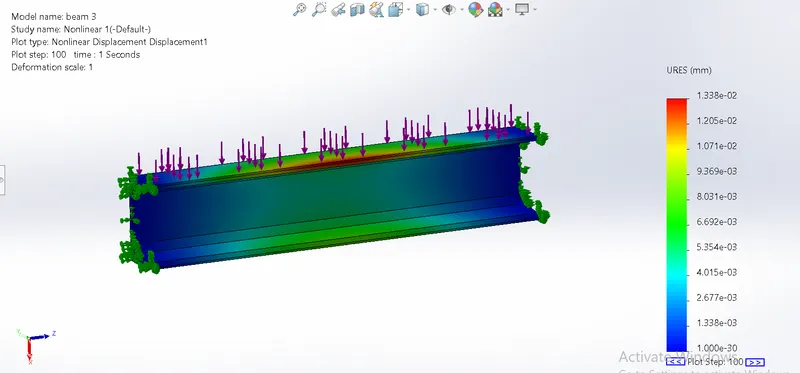
beam 3-Nonlinear 1-Displacement
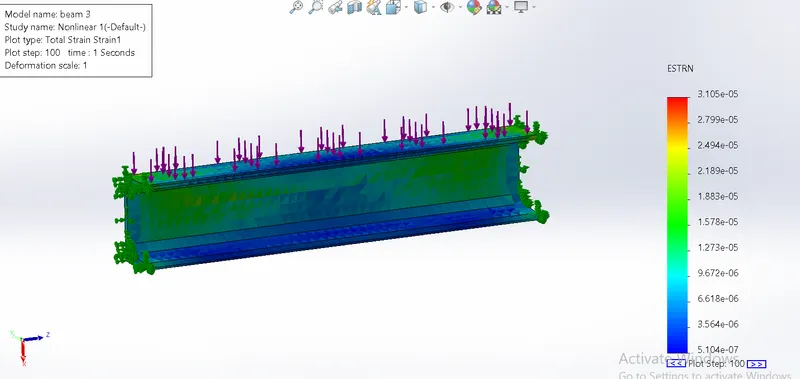
beam 3-Nonlinear 1-Strain
Conclusion:
Beam 1:
Weight: 11.088 kg
Maximum displacement: 0.0009 mm
Beam 2:
Weight: 2.36 kg
Maximum Displacement: 0.00459 mm
Beam 3:
Weight: 3.22 kg
Maximum Displacement: 0.01338 mm
According to the load carrying capacity, the rectangular beam can withstand more amount of load than other beams. This is due to the availability of more matierial in the section. So weight of the beam is significantly higher than other beams.
When considering the weight of beam, we can see that, 'I' section is having the least material condition, and it can withstand more load than the 3rd beam section.
The best choice will be is to use the beam with I section.