Benchmarking
Aim:
To suggest a big car for Mr. D.S. Pughazhyendhii under 8 to 10 lakhs on road for official and for family purpose.
Objective:
- Prepare a report explaining what is Bench-Marking
- Compare at least 4 vehicles.
- Provide a proper conclusion for the report, suggesting a single suitable vehicle among the comparison made with images.
Benchmarking:
Benchmarking is defined as the process of measuring products, services, and processes against those of organizations known to be leaders in one or more aspects of their operations. Benchmarking provides necessary insights to help you understand how your organization compares with similar organizations, even if they are in a different business or have a different group of customers. Benchmarking can also help organizations identify areas, systems, or processes for improvements—either incremental (continuous) improvements or dramatic (business process re-engineering) improvements.
There are four main types of benchmarking:
1)Internal benchmarking.
2)External benchmarking.
3)Performance benchmarking.
4)Practice benchmarking.
1. Internal benchmarking
It compares metrics (performance benchmarking) and/or practices (practice benchmarking) from different units, product lines, departments, programs, geographies, etc., within the organization.
2. External benchmarking
External benchmarking compares metrics and/or practices of one organization to one or many others.
3. Performance benchmarking
It involves gathering and comparing quantitative data (i.e., measures or key performance indicators). Performance benchmarking is usually the first step organizations take to identify performance gaps.
4. Practice benchmarking
Practice benchmarking involves gathering and comparing qualitative information about how an activity is conducted through people, processes, and technology.
Suggested Cars:
- Mahindra XUV 300
- TATA Nexon
- Maruti Vitara Breeza
- Maruti Suzuki S-Cross
- Hyundai Venue
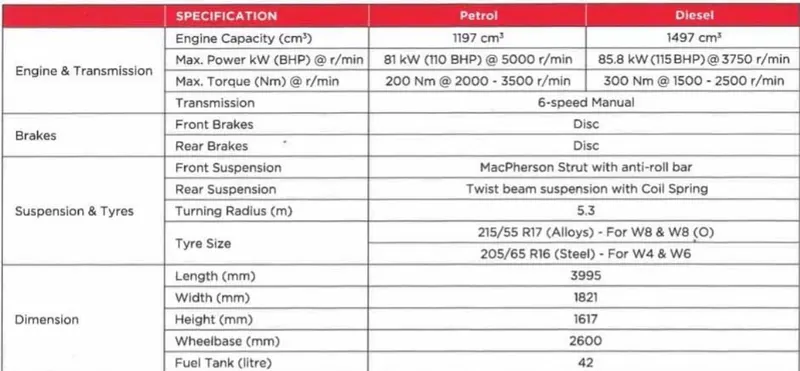
Mahindra XUV 300:
Pros:
- Powerful engine 1497cc
- Larger width
Cons:
- Less Mileage
- Less space for rear seats.
- Low ground clearance.
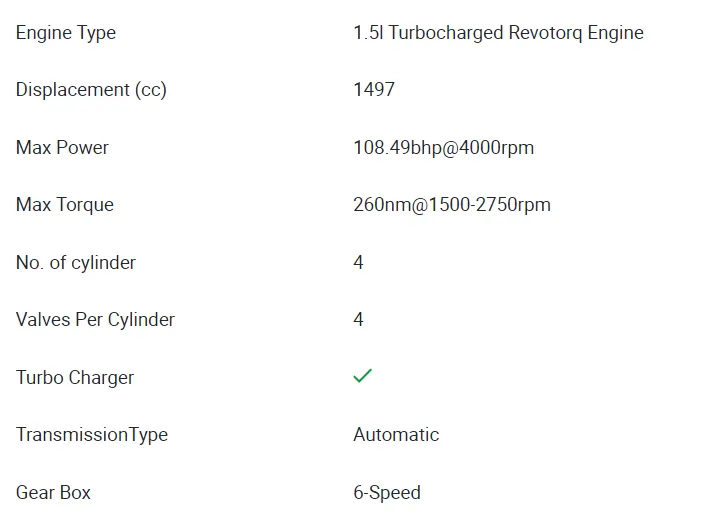
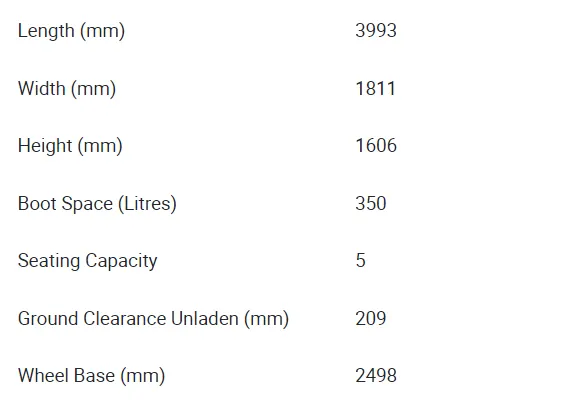
Tata Nexon:
Pros:
- Euro Ncap 5 star rating
- Good boot space
- Automatic transmission
- 1.5L turbo charged engine in this variant.
Cons:
- Less space for rear seats.
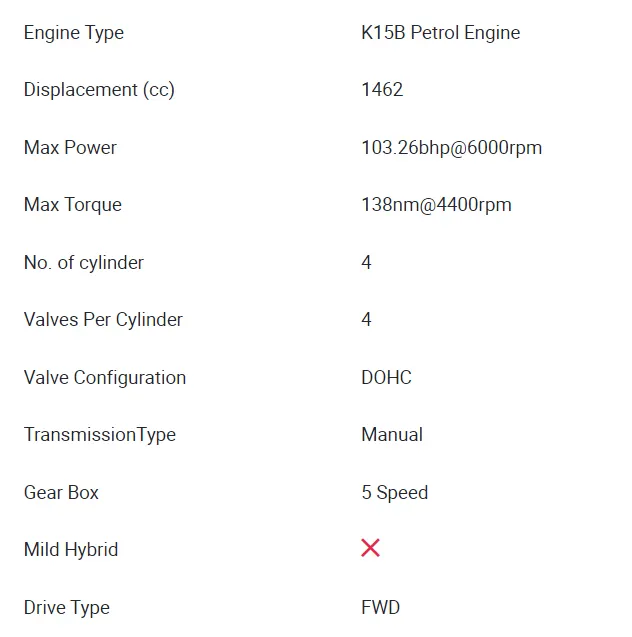
Vitara Breeza:
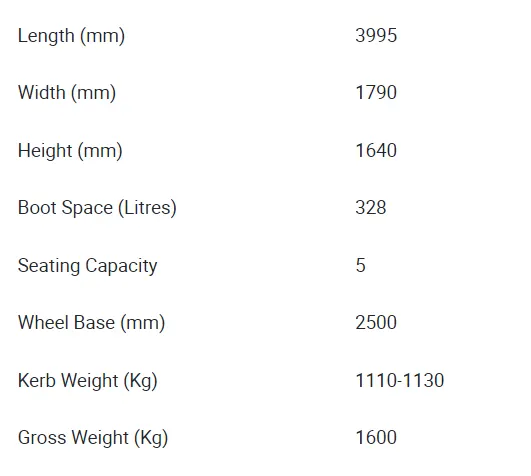
Pros:
- Powerful engine(1462cc)
- Good vehicle height(1640mm)
- Descent boot space.
Cons:
- Petrol Engine.
- Low ground clearance.
Maruti Suzuki S-Cross:
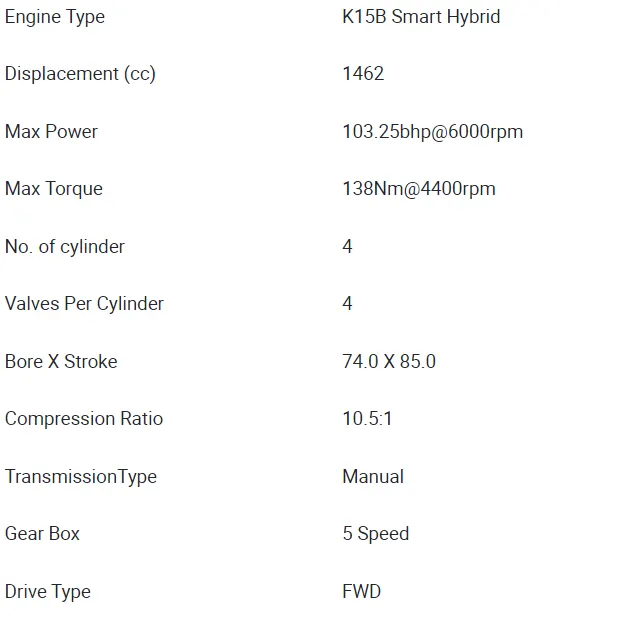
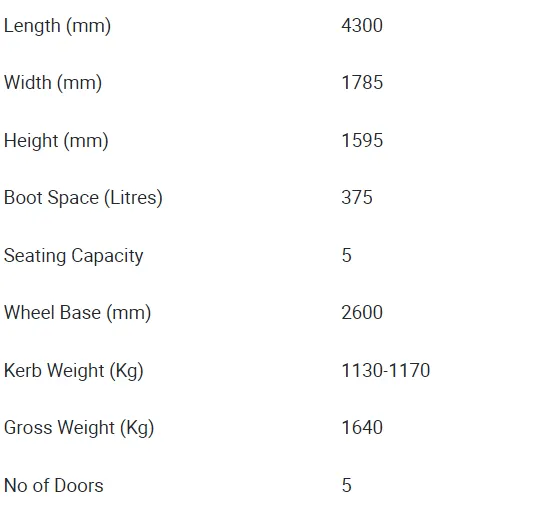
Pros:
- Good mileage of 18.55L.
- Good Boot space.
- Larger length.
Cons:
- Lesser height when compared to other vehicles.
- Low ground clearance.
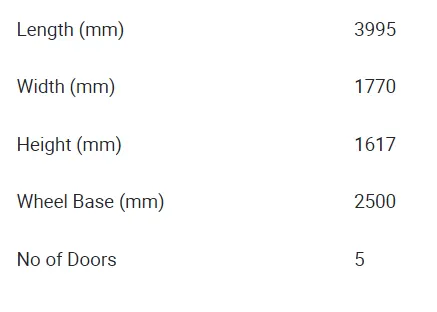
Hyundai Venue:
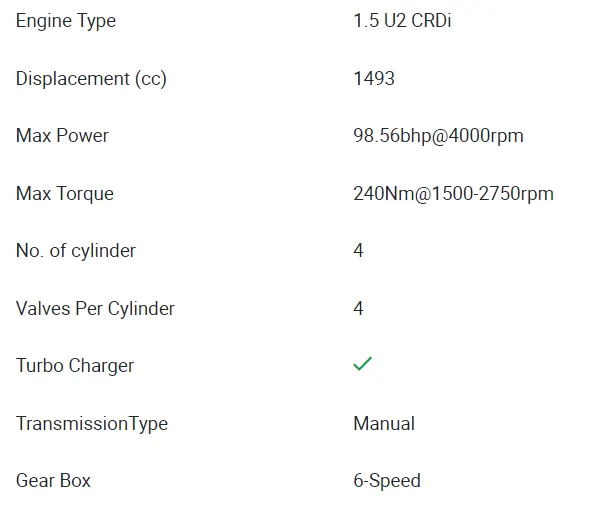
Pros:
- Powerful engine (1493cc)
- Good Mileage.
- Manual transmission with 6-speed gear box.
Cons:
- Less inside space due to low height and less width.
- Less boot space for rear seats.
Conclusion:
I would suggest D.S. Pughazhyendhii to go for TATA Nexon because it kind of ticks all the boxes. A powerful engine(1497cc) with a automatic transmission,good ground clearance(209mm) as well as good boot space(350mm). Thus the objective has been achieved.