Benchmarking
What is benchmarking?
Benchmarking is defined as the process of measuring products, services, and processes against those of organizations known to be leaders in one or more aspects of their operations. Benchmarking provides necessary insights to help us understand how an organization compares with similar organizations, even if they are in a different business or have a different group of customers. Benchmarking can also help organizations identify areas, systems, or processes for improvements—either incremental (continuous) improvements or dramatic (business process re-engineering) improvements.
Benchmarking Process
Planning: This stage involves
- Finding the competitor
- Finding the qualitative parameters which are to be compared
- Setting the threshold limit on each parameter
Collection of information
- Collecting information about the parameters selected in planning stage
- Information will be collected from among the selected competitors
Analysis
- Measuring the performance of each parameter to understand the shortcomings
- Once findings are measured, you can draft a report and start discussing the next steps to achieve better performance in the selected area.
Monitoring
- No plan is ever complete without monitoring results to determine how successful the plan has been.
- The implementation phase will have highlighted metrics and goals for success within a time frame so monitoring these is the only way of knowing the efficacy of changes
Case study given: Mr. D.S. Pughazhyendhii is a married man who lives in Bangalore which is a highly crowded city. His Family comprises five members including his wife, five-year-old boy, his father, and his mother. He visits his native place Madurai which is 500kms away from Bangalore once in a month. Also, he will be using his car to commute to his office. His budget falls between 8 to 10 lakhs on road. Please suggest to him with options so that he will buy a good car for his family. Note: Pughazhyendhii is fond of big cars
Benchmarking report for the given case study
Before proceeding to list the cars, let’s list down the criteria for selection of cars for Mr. D.S. Pughazhyendhii’s family
- His family comprises 5 members
- He visits his native place Madurai once in a month and he will be using his car to commute to his office
- His budget falls between 8 to 10 lakhs on road
- He is living in a highly crowded city
- He is fond of big cars
From the above details, I would suggest diesel engine vehicle, SUVs and Sedans preferable. Following cars can be selected for benchmarking
- TATA Nexon
- Hyundai Creta
- Kia Sonet
- Ford Eco sport
1. TATA Nexon
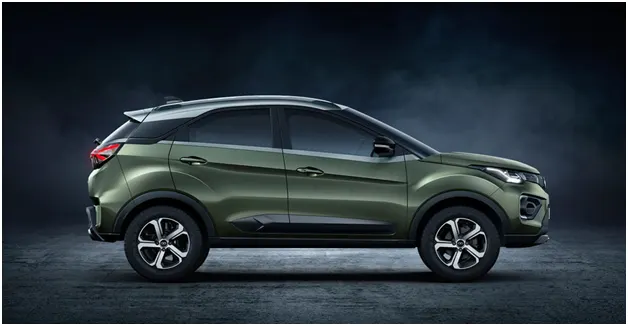
Pros
- Safe car with solid build quality: Five-star NCAP safety rating
- Feature-packed: Nexon continues with equipment like projector lamps, LED DRLs, LED tail lamps, engine push-start button, touchscreen infotainment system, automatic climate control, cruise control, etc.
- Easy-to-drive with good handling
- Handsome looks
Cons
- Mediocre fuel efficiency
Specifications
- ARAI Mileage: 21 kmpl
- Engine displacement in cc: 1497
- Maximum torque: 260 Nm at 1500 – 2700 rpm
- Fuel tank capacity: 44 lt
- Maximum Power: 108.5 bhp at 4000rpm
- Seating capacity: 5
- Safety: 5 stars NCAP rating
2.Hyundai venue
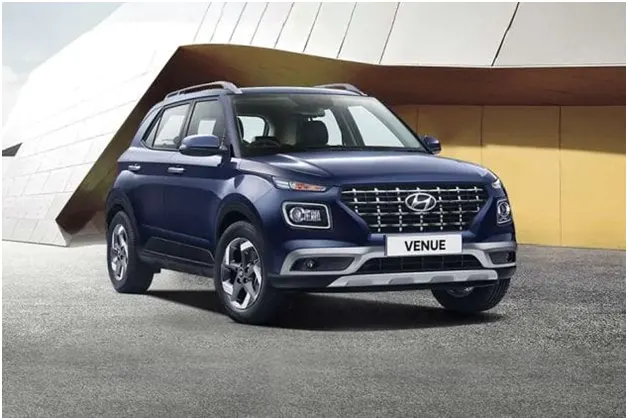
Pros
- A good-looking urban SUV
- Feature-packed: Excellent eight-inch infotainment system, sunroof, air purifier, wireless phone charger, cruise control, rear AC vents and a driver rearview monitor.
Cons
- Stiff ride quality
- Not the most spacious five-seater
Specifications
- ARAI Mileage: 18 kmpl
- Engine displacement in cc: 998
- Maximum torque: 171.6 Nm at 1500 – 4000 rpm
- Fuel tank capacity: 45 lt
- Maximum Power: 118.35 bhp at 6000rpm
- Seating capacity: 5
- Safety: 4 stars NCAP rating
3.Kia Sonet
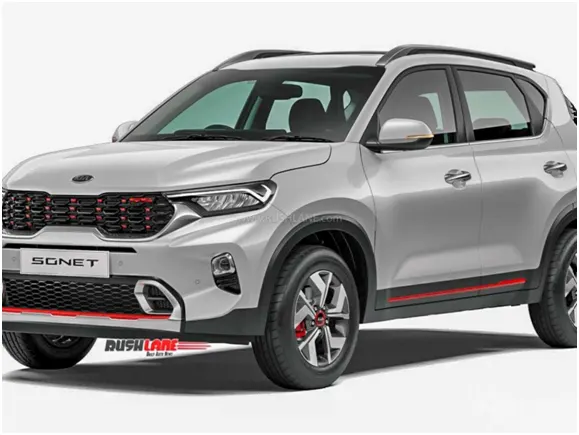
Pros
- Kia Sonet comes with a diversified range of powertrains and all the engines are frugal
- Good Boot Space and Ground Clearance
- Loads of Features: Features like electric sunroof, wireless charging with cooling, ventilated seats, smart air purifier, cruise control, multi-functional steering wheel, rear AC vents, BOSE sound system
Cons
- Lack of Seating Space
Specifications
- ARAI Mileage: 19
- Engine displacement in cc: 1493
- Maximum torque: 250 Nm at 1500 – 2750 rpm
- Fuel tank capacity: 45 lt
- Maximum Power: 113.42 bhp at 4000rpm
- Seating capacity: 5
- Boot Space (Litres): 392
4.Ford Eco sport
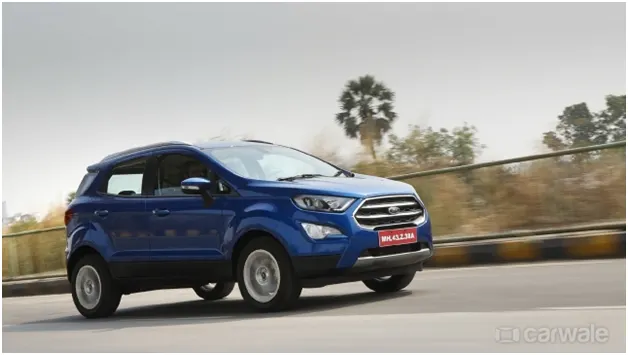
Pros
- Spacious and well-built cabin
- Features and Safety
- Handsome looks
Cons
- Feels dated
- Stiff suspension setup
- Narrow second row
Specifications
- ARAI Mileage: 7
- Engine displacement in cc: 1498
- Maximum torque: 215 Nm at 1750 – 2500 rpm
- Fuel tank capacity: 52 lt
- Maximum Power: 98.63 bhp at 3750rpm
- Seating capacity: 5
- Boot Space (Litres): 352
- Safety: 4 stars NCAP rating
Conclusion
I would suggest TATA Nexon car for Mr. D.S. Pughazhyendhii’s family. The positives of the TATA Nexon outweigh its negatives to offer buyers a good package. Also Nexon is the safest car in its segment.