Benchmarking
BENCHMARKING
Introduction
Benchmarking is a process of measuring the performance of a company’s services, process and products against similar companies or competitors to improve the performance of the company. It is pivotal to understand one’s performance in comparison to others in this competitive environment.
According to American productivity and quality center (APQC), “benchmarking is the process of identifying, understanding and adapting outstanding practices and processes from organization anywhere in the world by a firm to improve its performance” (APQC, 1993). In general terms it means that all organizations should adopt benchmarking to continually improve and gain control over the operations of the industry.
Types of benchmarking
- Process benchmarking
- Performance benchmarking
- Strategic benchmarking
- Internal benchmarking
- Competitive benchmarking
- Generic benchmarking
- Functional benchmarking
- Financial benchmarking
- Product benchmarking
- Cost benchmarking
Steps in benchmarking
- Plan, mobilize and kickoff
- Gather and validate data
- Perform qualitative assessment
- Analyze result and identify recommendation
Advantages of benchmarking
- Helps in cost reduction and saves time
- Helps to close the competitive gap with others in the competitive environment
- Provides an alternative perspective of things about new models and approaches implemented
- Provides an insight about where the company stands
Pitfalls in benchmarking
- A group of experts need to be formed and team members should be made aware of what is to be benchmarked failing to do so may result in the wrong implementation.
- Top management commitment is the utmost to overcome the barrier of implementation
- Identifying the best practice is like finding needle in a haystack, what is best for others may not be best for us
- Benchmarking is of little help if it is used to evaluate different customer requirements
CASE STUDY
Mr. D.S. Pughazhyendhii is a married man who lives in Bangalore which is a highly crowded city. His family comprises five members including his wife, five-year-old boy, his father, and his mother. He visits his native place Madurai which is 500kms away from Bangalore once in a month. Also, he will be using his car to commute to his office. His budget falls between 8 to 10 lakhs on road. Please suggest to him with options so that he will buy a good car for his family and he is fond of big cars.
Key parameters
- 5 members in the family
- 8 – 10 lakhs cost constraint
- Car should have a good mileage
Key indicators considered
- Price
- Number of seats
- Transmission
- Engine displacement
- Fuel
- Mileage
In this study four cars are benchmarked. Name of the four cars studied are listed below.
- Maruti Suzuki Ertiga
- Ciaz Sigma 1.5
- Maruti Suzuki Vitara Brezza
- Toyota Urban Cruiser Petrol
MARUTI SUZUKI ERTIGA
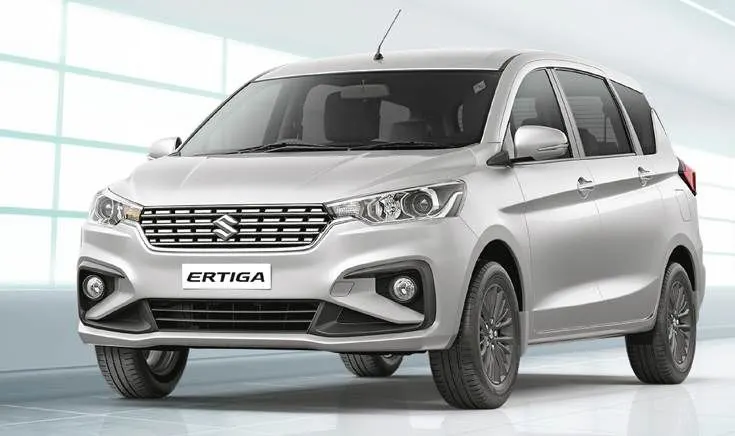
- Price – 8.52 lakh
- Number of seats – 7 seats
- Transmission – Manual
- Engine displacement – 1462 cc
- Fuel – Petrol
- Mileage – 19.01 KMPL
CIAZ SIGMA 1.5
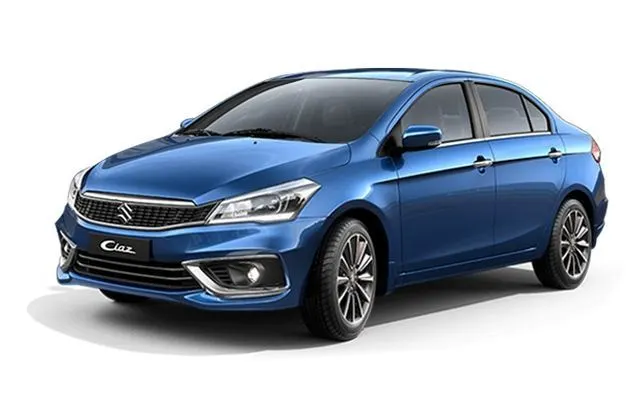
- Price – 8.51 lakh
- Number of seats – 5 seats
- Transmission – Manual & Automatic
- Engine displacement – 1462 cc
- Fuel – Petrol
- Mileage – 5 KMPL
MARUTI SUZUKI VITARA BREZZA

- Price – 8.45 lakh
- Number of seats – 5 seats
- Transmission – Manual
- Engine displacement – 1462 cc
- Fuel – Petrol
- Mileage – 5 KMPL
TOYOTA URBAN CRUISER PETROL MID

- Price – 8.50 lakh
- Number of seats – 5 seats
- Transmission – Manual
- Engine displacement – 1462 cc
- Fuel – Petrol
- Mileage – 18 KMPL
CONCLUSION
|
Ertiga |
Ciaz |
Brezza |
Urban Cruiser |
|
|
Price |
8.52 |
8.51 |
8.45 |
8.50 |
|
Number of seats |
7 |
5 |
5 |
5 |
|
Transmission |
Manual |
Manual/Automatic |
Manual |
Manual |
|
Engine displacement |
1462 |
1462 |
1462 |
1462 |
|
Fuel |
Petrol |
Petrol |
Petrol |
Petrol |
|
Mileage |
19.01 |
20.5 |
17.5 |
18 |
Even though Ertiga offers more number of seating Ciaz sigma 1.5 is a better option. Because, in the same price range the mileage of the car is better compared to others