Benchmarking
BENCHMARKING : Benchmarking in the automobile is the automobile industry involves a structured comparision between similar products and services (or) processes on some dimensions of performance .
EXAMPLE : It can be used to compare the avaliability and delivary of feautures in a product and in this form often provides the basis of the consumer tests and previews .These looks at products and services and provides recomandations based on which is the best or some form of ranking among the competitors .
It is particularly useful when comparing not only performance but also practice in other words what to do the different organization do to enable that performance to be delivered and applied in this way it is a powerful tool in the process innovation on studying how the "BEST" achieve their performance can provide powerful clues for changing the way process operate
- process benchmarking of this kind can operate at several levels .
- Between similar processes in the same factor or the same branch
- Between different competing organizations
- Between different sectors using the same process
Mahindra and Mahindra Limited, the Indian multinational auto manufacturer, announced on 30th April 2012 that its legendary Sports Utility Vehicle (SUV), Scorpio has set another benchmark for the company as it registered highest yearly sales from beginning. In fiscal 2011, the company reported sales of 50,844 units, showing a growth of 17 per cent under the review of 43,451 units during fiscal 2010.
Tata Motors today proudly announced another feat achieved by its much loved compact SUV, the Tata Nexon. The car has established a new benchmark in terms of car safety in India as it has been awarded with a full 5-star adult safety rating by Global NCAP, an internationally renowned safety accreditation body.
INDIAN CARS AVAILABLE FOR Mr. D.S. Pughazhyendhii
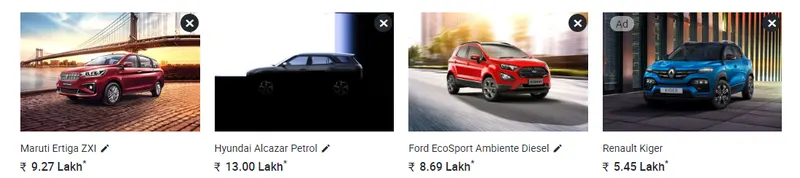
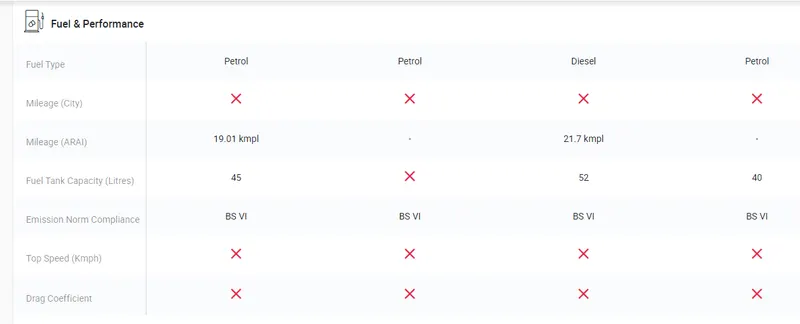
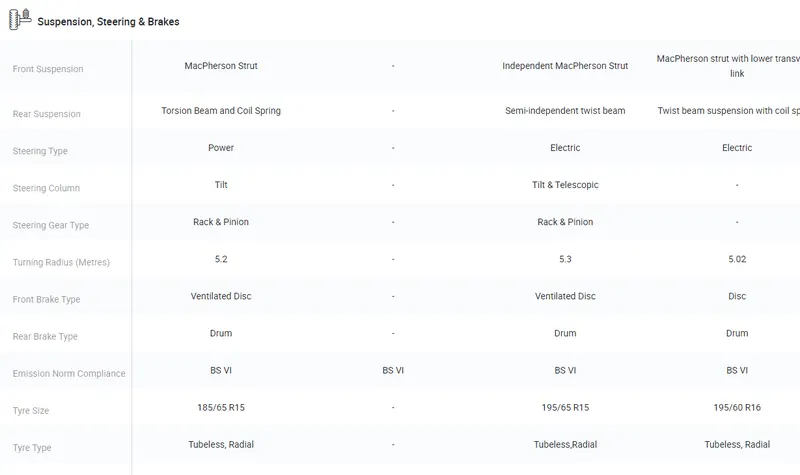
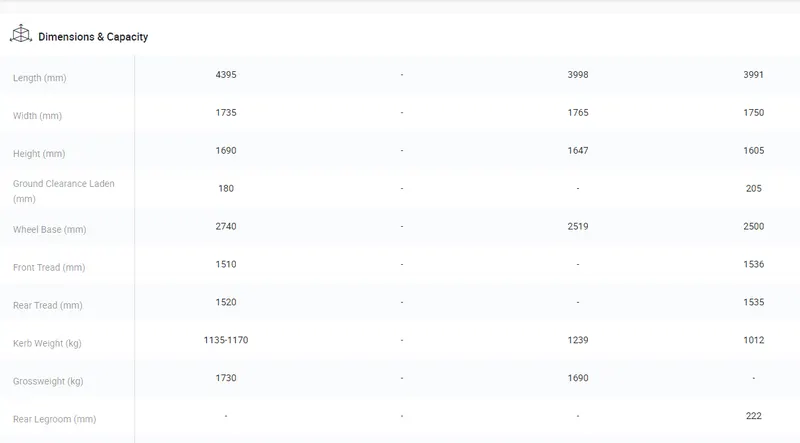
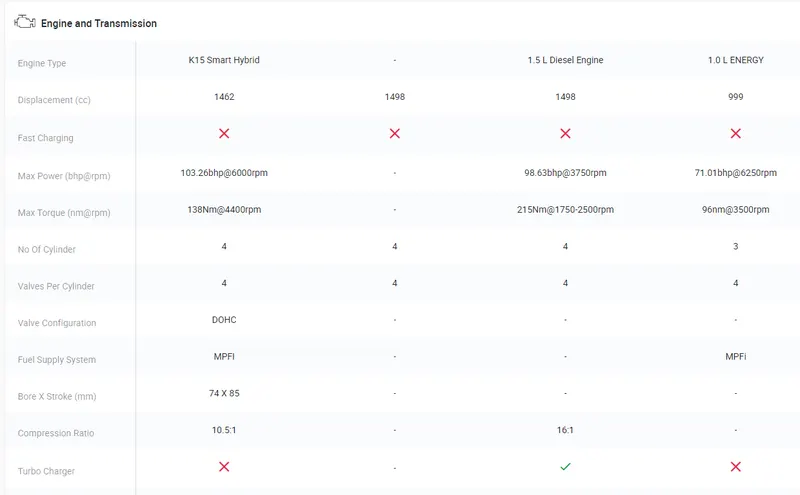
CONCLUSION:My best recomendation for Mr. D.S. Pughazhyendhii is Maruti ertiga car.
The Maruti Ertiga has 1 Petrol Engine and 1 CNG Engine on offer. The Petrol engine is 1462 cc while the CNG engine is 1462 cc . It is available with the Manual & Automatic transmission. Depending upon the variant and fuel type the Ertiga has a mileage of 17.99 kmpl to 26.08 km/kg. The Ertiga is a 7 seater and has length of 4395 mm, width of 1735 mm and a wheelbase of 2740 mm.
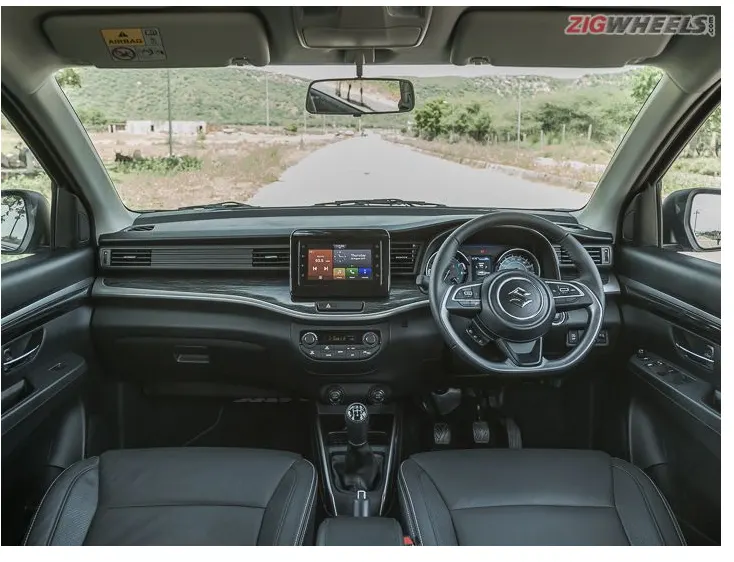
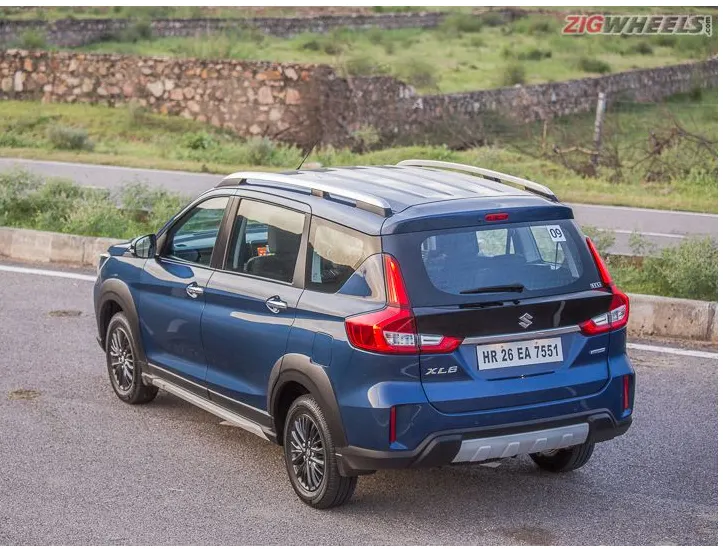
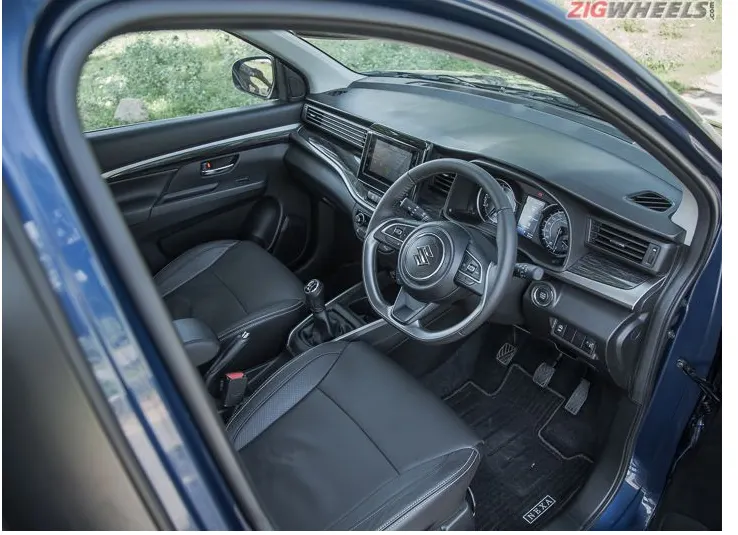
Maruti Ertiga comes with Radial Tubeless Tyres it is useful to him as it uses both cng and also petrol and has a good milage too and then for a long range it has a special feautures such as Captain’s seats instead of a bench and six seats instead of seven. You could say that’s all the difference there is between the MARUTI SUZUKI new MPV, the XL ,and the ERTIGA, on which it is based. The Ertiga makes for a sensible family MPV that could also be the only car in the household. But, to fit into the upmarket Nexa lineup the Ertiga was given a thorough revamp to transform it into the XL6.
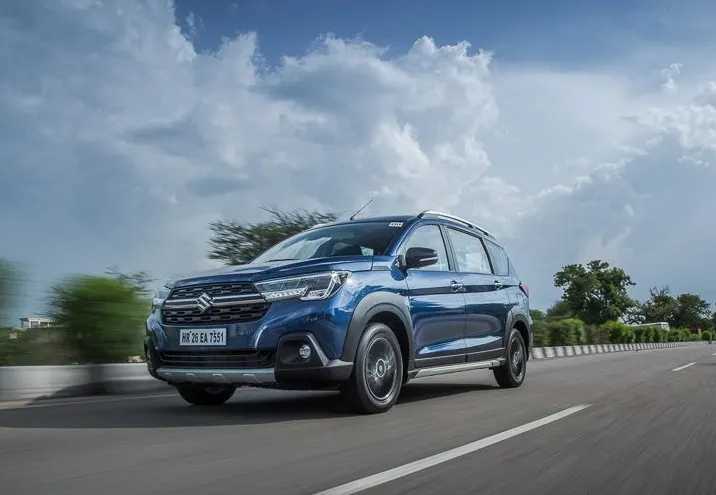
The XL6 makes a great first impression. It looks different enough from the Ertiga such that most people may not make the connection at first glance. There’s a strong SUV-like look thanks to a flatter and higher hood, and a nose that looks more blunt too. This makes the face of the XL6 look bigger and stronger. And, it is longer, by 50mm. The chunky bars on the grille, the faux bash plates in silver and matte black cladding on the bumpers suggest that the XL6 adds a dash of ruggedness too. The sharply cut headlamps are completely packed with LEDs, as are the fog lamps. This adds a modern look to the butch new face.
The XL6 is only available with a petrol engine. Yes, there is no diesel engine on offer. The 1.5 litre mild-hybrid equipped petrol engine is in the same state of tune as in the Ertiga and even offers the same four-speed automatic and five-speed manual gearbox options. Unsurprisingly, the XL6 was just as pleasing to drive. The petrol-electric combination ensures city commutes are hassle free as the electric motor steps in to up the pace at low and mid revs. The engine also revs freely if you are in the mood to step hard on the accelerator. The breadth of the engine’s abilities is best enjoyed with the manual gearbox. Yes, you will have to deal with the clutch, but the pedal is light and gear shifts clean.
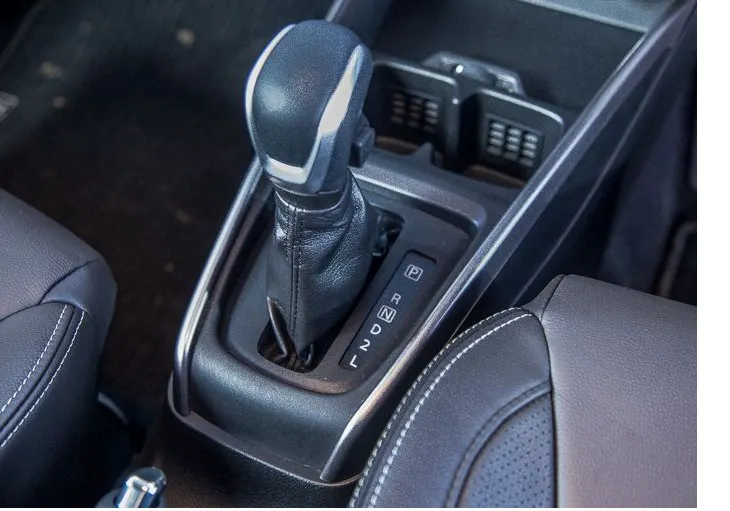
The automatic gearbox equipped option, despite having only four-speeds, manages to feel at ease while commuting. However, the tall ratios (1st - 60kmph, 2nd - 110kph; indicated) can make it feel a bit muddled at times as it goes up and down the gears to find the right response. When driven in a hurry it forces the engine to use all the revs to really get going. The lack of paddles, or tap-to-shift of the gear lever means you can't control what the gearbox is up to. So, it is better to adapt and drive with grace.
At 19.01kpl for the manual and 17.99kpl for the auto, Maruti claims that the XL6’s fuel efficiency is on par with the Ertiga.
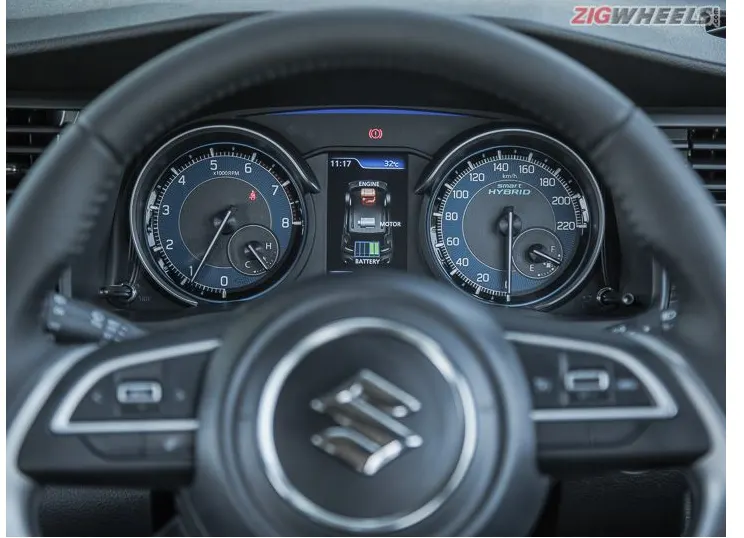
Travelling in the XL6 is satisfying as it delivers good composure at highway speeds. At these speeds the XL6 shakes off big potholes with an ease that is surprising at first. At city speeds you might feel that odd bump, but that won’t detract from the overall comfort in the cabin. From behind the wheel you do wish there was a greater sense of connection from the steering wheel and from the brake pedal. Like with most new Maruti’s the steering is very vague and ends up demanding quite a few corrections from the driver when making directional changes at higher speeds. The mushiness of the brake pedals though can be attributed to the brake energy recuperation feature that kicks in when slowing down.