Benchmarking
BENCHMARKING :-
Benchmarking involves a structured comparison between similar products,
services or processes on some dimensions of performance. For example it can be
used to compare the availability and delivery of features in a product and in this
form often provides the basis of consumer tests and reviews. These look at
products and services and provide recommendations based on which is best or
some form of ranking amongst competitors.
There are two basic kinds of improvement opportunities: continuous and dramatic. Continuous improvement is incremental, involving only small adjustments to reap sizeable advances. Dramatic improvement can only come about through reengineering the whole internal work process.
STEPS IN BENCHMARKING PROCESS:-
Mr. D.S. Pughazhyendhii is a married man who lives in Bangalore which is a highly crowded city. His Family comprises five members including his wife, a five-year-old boy, his father, and his mother. He visits his native place Madurai which is 500kms away from Bangalore once a month. Also, he will be using his car to commute to his office. His budget falls between 8 to 10 lakhs on road. Please suggest to him options so that he will buy a good car for his family.
Note: Pughazhyendhii is fond of big cars
Points to consider while choosing from case study:-
- Highly Traffic city.
- Atleast 5 seater
- He travels 500 kms means average should be good.
- Budget
- fond of big cars
Suggested Cars:-
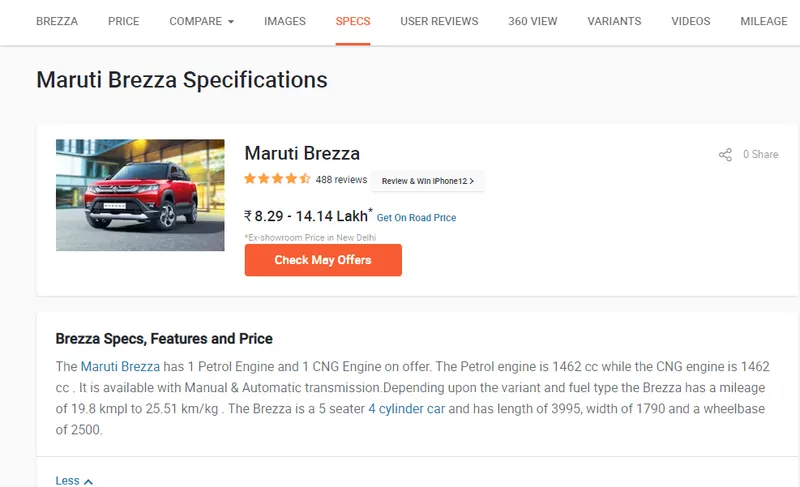
1) Maruti Brezza
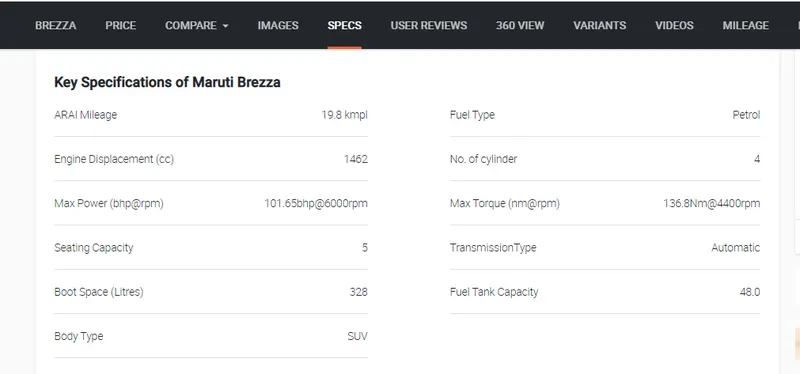
Key specifications-
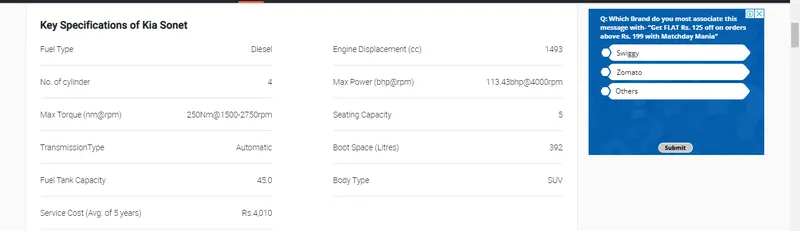
2) Kia Sonet:-
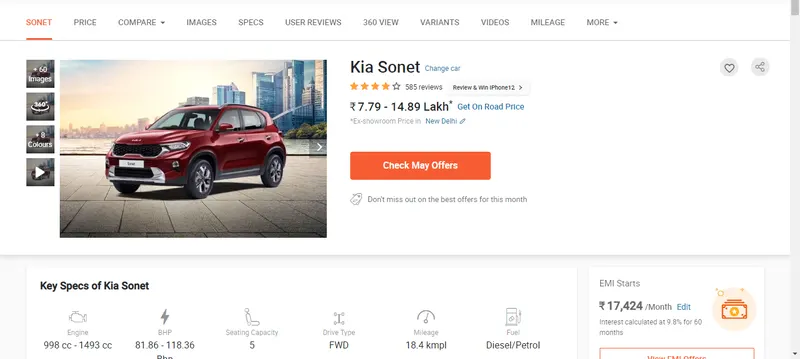
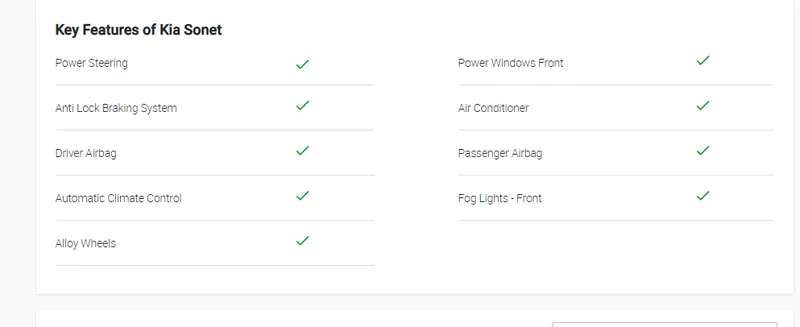
key features:-
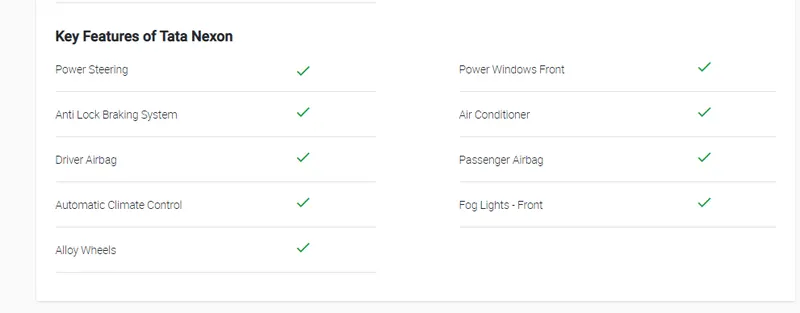
3) TATA NEXON:-
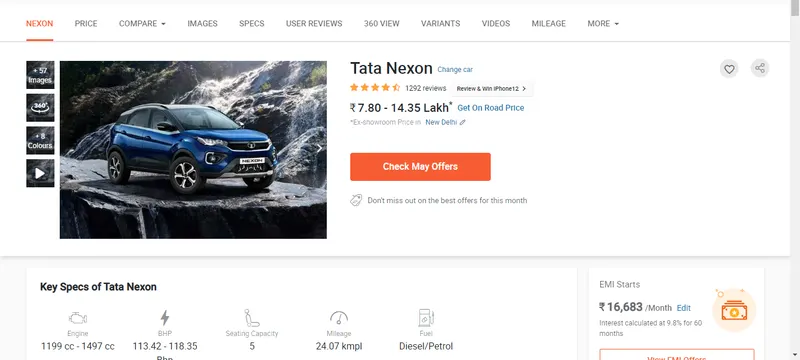
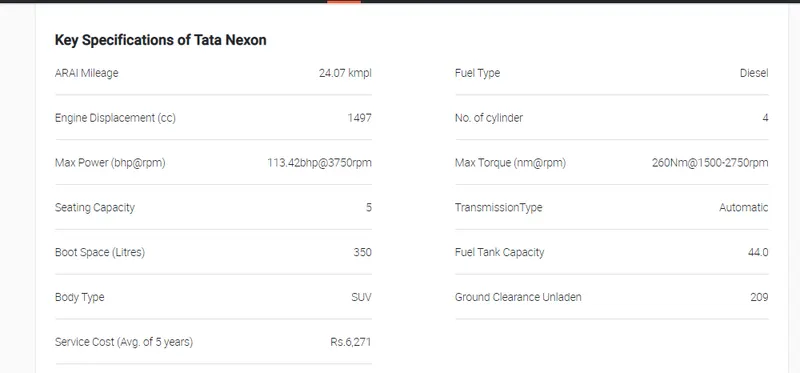
key features:-
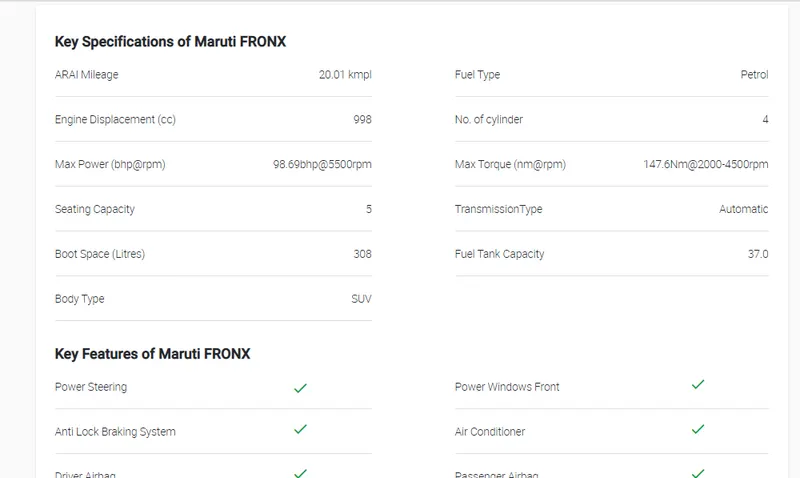
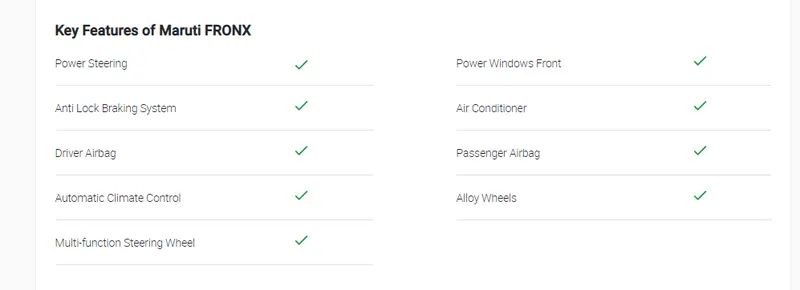
4) MARUTI FRONKS:-
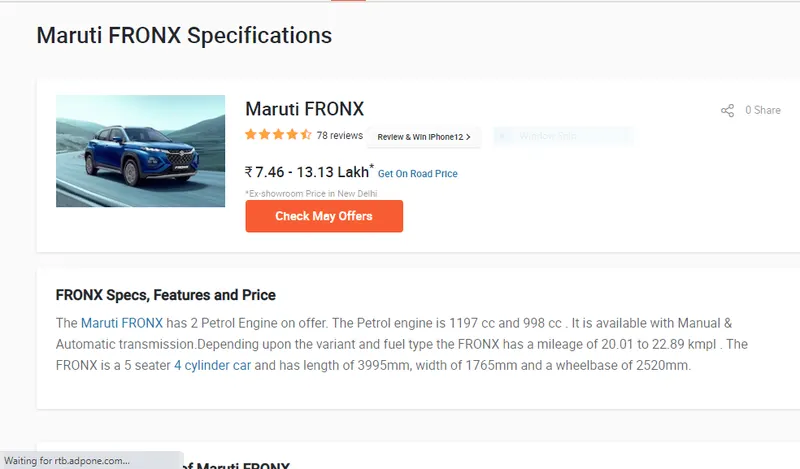
Key features:-
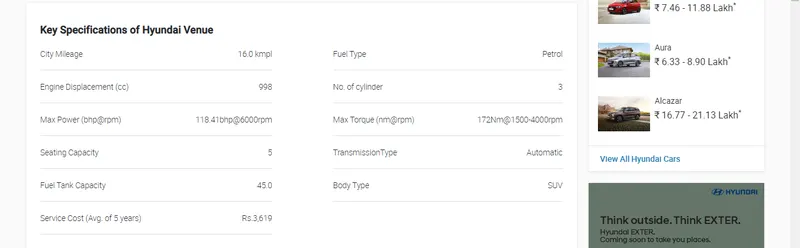
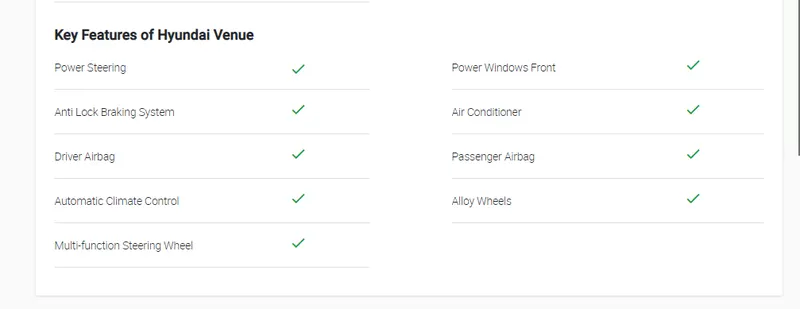
5) HYUNDAI VENUE:-
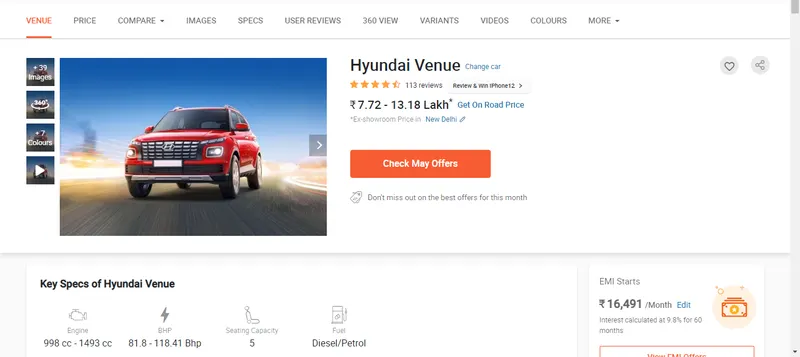
key features:-
COMPARISON OF HYUNDAI VENUE VS TATA NEXON VS MARUTI BREZZA VS KIA SONET -
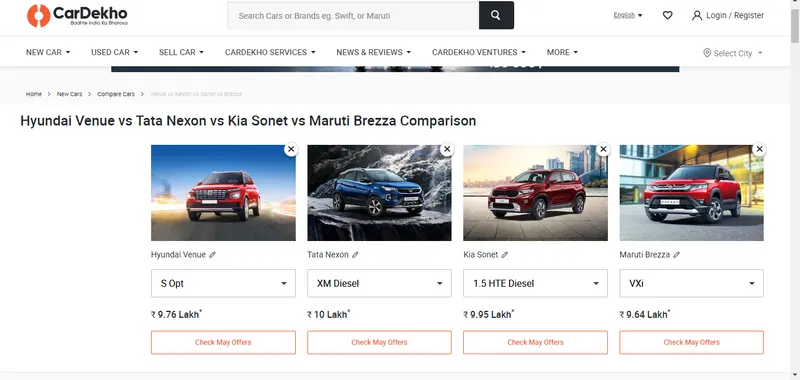
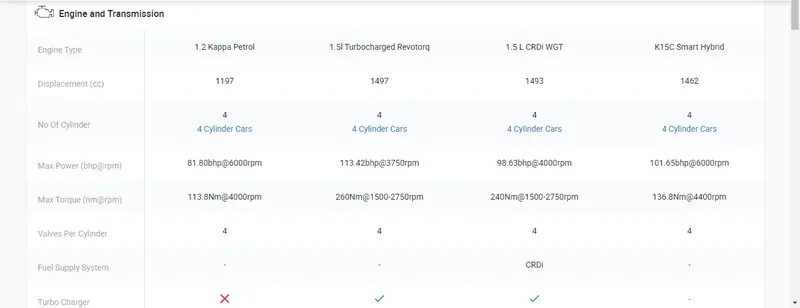
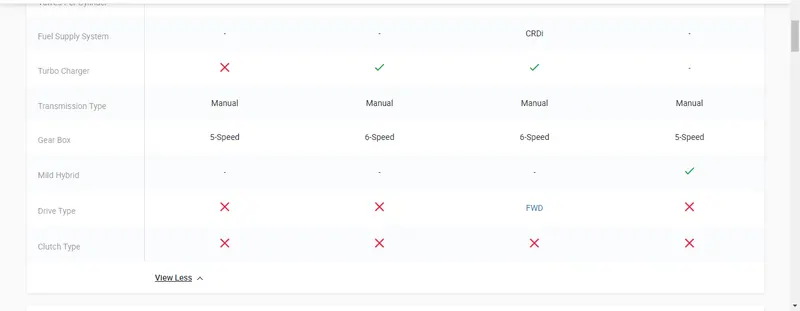
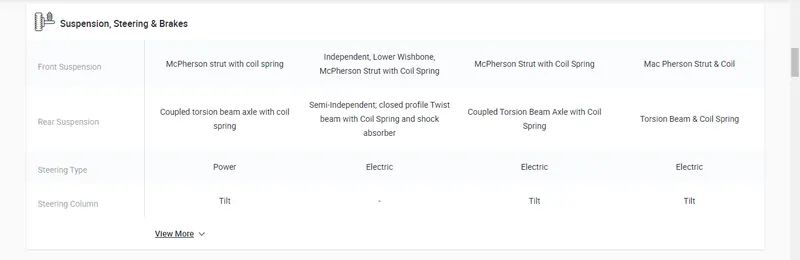
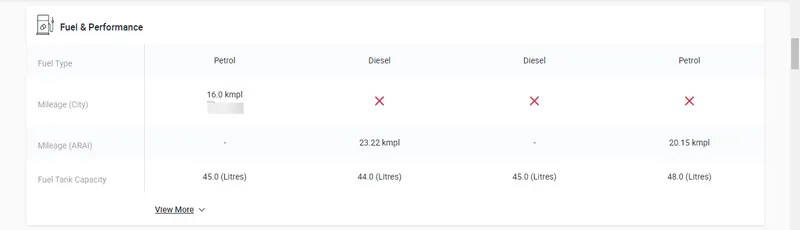
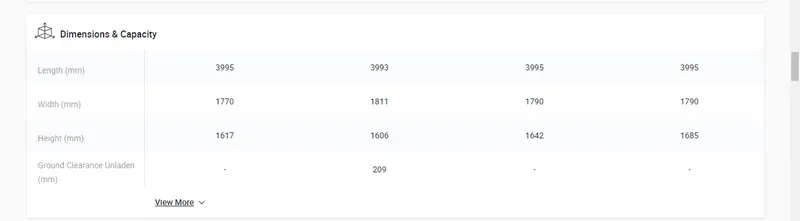
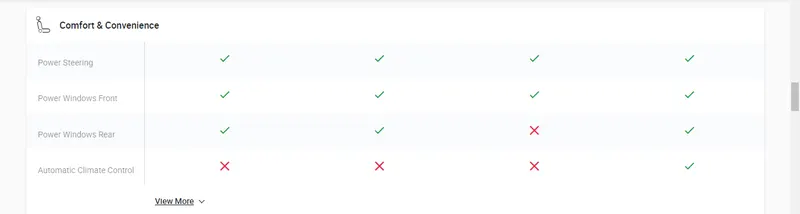
- Tata Nexon and Maruti Brezza are good in mileage as compared to Kia Sonet and Maruti Fronks.
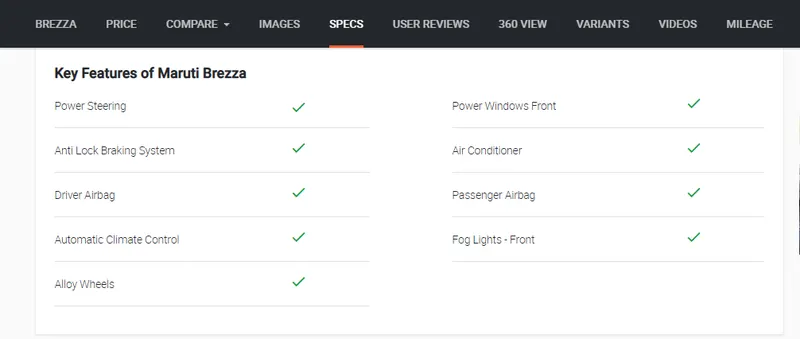
- As per safety basis, all the car models has same basic features but TATA NEXON has a better build quality.
- TATA Nexon is the first Indian Model to recieve 5star NCAP Rating for its safety and crash test. Mahindra XUV also has a 5 star rating.
Conclusion :-
TATA NEXON
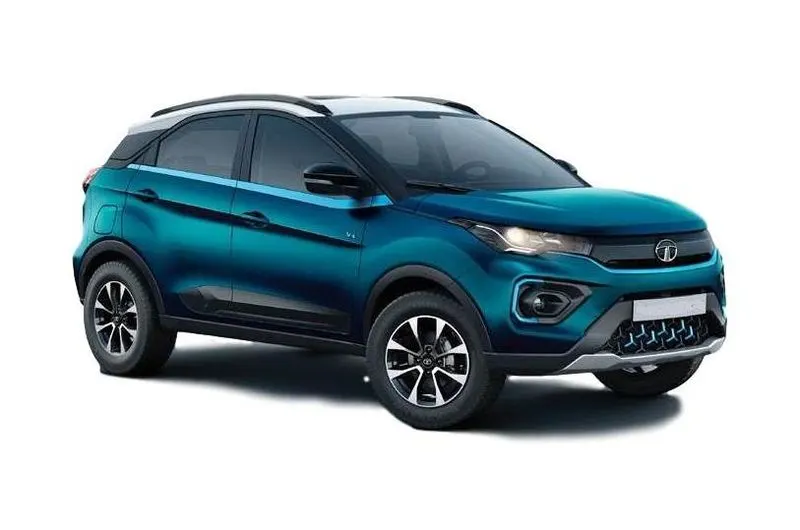
- In my personal opinion and study, I would recommend the TATA NEXON from the above listed names.
- As he travels with family, so the NEXON is the safest car in INDIA.
- Manual transmission model is recommended as he travels in crowded city.
- In fuel type Petrol is recommended as it gives the more mileage than the other ones.
- As the family has 5 members , it offers great leg space and comfort with big boot space for keeping goods.
- Service is easily doone by tata motors.
- It is a compact suv.