Benchmarking
BENCHMARKING:
Benchmarking is a process of comparing the performance, quality, and cost of a product, process or service to that of the industry's best practices, competitors or other relevant standards. In the automotive industry, benchmarking plays a crucial role in helping companies improve their products and processes, as well as stay ahead of the competition.
There are several types of benchmarking used in the automotive industry, including product benchmarking, process benchmarking, and strategic benchmarking.
Product benchmarking involves comparing the features, specifications, and performance of a company's products with those of its competitors. For example, a car manufacturer may compare the fuel efficiency, acceleration, and safety features of its cars with those of its competitors to identify areas for improvement.
Process benchmarking, on the other hand, involves comparing the processes used to manufacture a product or provide a service with those of other companies. For example, a car manufacturer may compare its production processes with those of other manufacturers to identify ways to improve efficiency, reduce costs, and enhance quality.
Strategic benchmarking involves comparing a company's strategies, policies, and organizational structures with those of other companies. For example, a car manufacturer may compare its marketing strategies with those of other manufacturers to identify ways to increase brand awareness and customer loyalty.
Overall, benchmarking is a critical tool for the automotive industry to stay competitive and improve their products and processes. By analyzing the performance and practices of their competitors, companies can identify best practices and areas for improvement, which can lead to increased efficiency, cost savings, and improved customer satisfaction.
Here is a brief overview of the typical steps involved in the benchmarking process:
-
Identify the area to be benchmarked: The first step in the benchmarking process is to identify the specific area or process that needs to be benchmarked. This could be anything from product design to customer service.
-
Identify benchmarking partners: Once the area to be benchmarked has been identified, the next step is to identify potential benchmarking partners. These could be companies in the same industry or even companies in other industries that have best practices that can be applied to the target area.
-
Collect data: The next step is to collect data from the benchmarking partners. This could involve conducting surveys, interviews, or site visits to gather information on the best practices, processes, and technologies used by the benchmarking partners.
-
Analyze data: Once the data has been collected, it needs to be analyzed to identify areas where improvements can be made. This could involve comparing the data to internal benchmarks, industry standards, or even customer expectations.
-
Implement improvements: After identifying areas for improvement, the next step is to implement changes to the processes or practices being benchmarked. This could involve making changes to product design, production processes, or customer service policies.
-
Monitor progress: The final step in the benchmarking process is to monitor progress and track the results of the improvements. This could involve collecting data on key performance indicators (KPIs) and comparing them to pre-benchmarking levels or industry benchmarks.
Benchmarking has several advantages that can help organizations improve their performance, competitiveness, and customer satisfaction. Here are some of the key advantages of benchmarking:
-
Identify best practices: Benchmarking helps organizations identify best practices that are being used by their competitors or other organizations in the same industry. This can help organizations improve their own processes and operations, which can lead to better performance, efficiency, and cost savings.
-
Enhance innovation: Benchmarking can also help organizations identify new technologies or innovative practices that they may not have considered before. This can lead to the development of new products or processes that can help organizations stay ahead of the competition.
-
Improve quality: Benchmarking helps organizations improve the quality of their products and services by identifying areas where improvements can be made. This can lead to increased customer satisfaction and loyalty, as well as improved brand reputation.
-
Increase efficiency: Benchmarking helps organizations identify areas where they can improve efficiency and reduce costs. This can lead to increased profitability and competitiveness.
-
Provide objective data: Benchmarking provides objective data that can be used to compare a company's performance against that of its competitors or other organizations in the same industry. This can help organizations make informed decisions about their operations and strategies.
-
Foster a culture of continuous improvement: Benchmarking encourages organizations to continuously improve their processes and operations. This can lead to a culture of continuous improvement, where employees are encouraged to identify areas for improvement and implement changes to achieve better results.
In conclusion, benchmarking is a valuable tool for organizations looking to improve their performance, competitiveness, and customer satisfaction. By identifying best practices, enhancing innovation, improving quality, increasing efficiency, providing objective data, and fostering a culture of continuous improvement, organizations can stay ahead of the competition and achieve long-term success.
Comparing the following cars for Mr. D.S. Pughazhyendhii:
Mahindra XUV300 vs Tata Nexon vs Hyundai Venue vs Maruti Suzuki Brezza
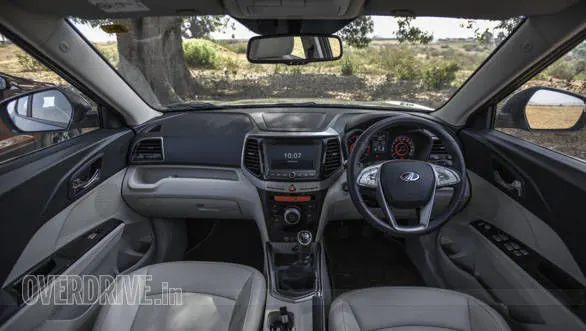
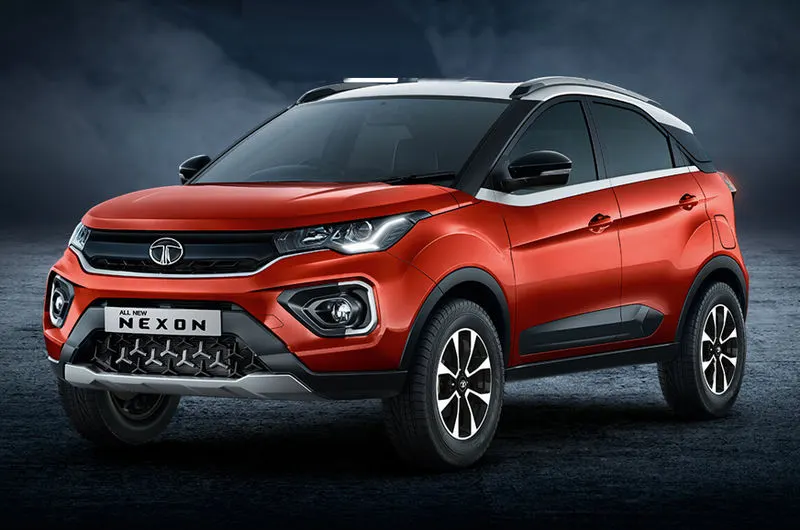
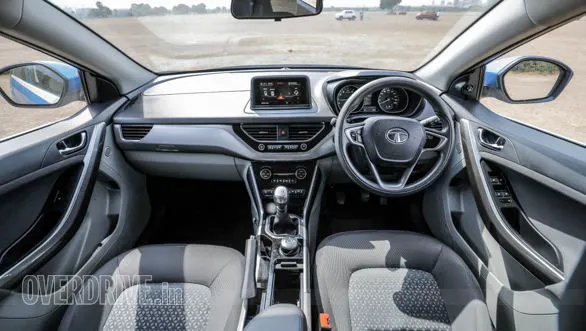
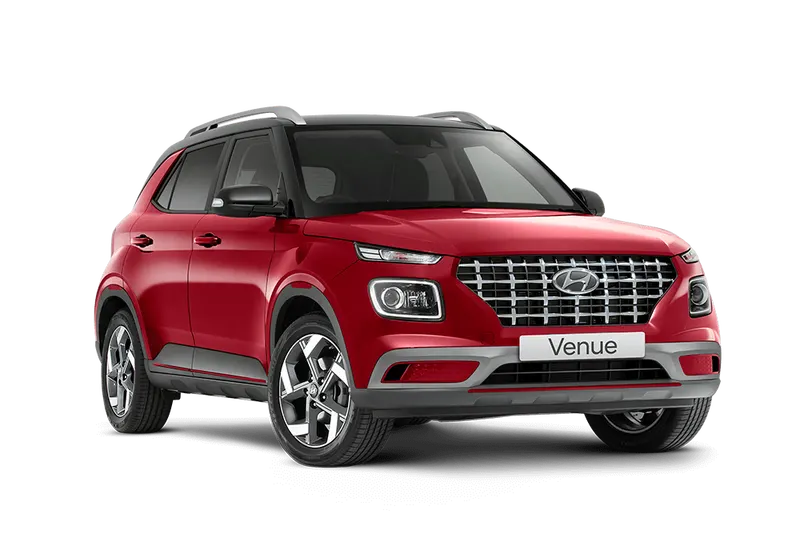
Here is a comparison of Mahindra XUV300, Tata Nexon, Hyundai Venue and Maruti Suzuki Brezza. The Mahindra XUV300 price is ₹ 8.41 Lakh, Tata Nexon price is ₹ 8.79 Lakh, Hyundai Venue price is ₹ 8.90 Lakh and Maruti Suzuki Brezza price is ₹ 8.18 Lakh. The Mahindra XUV300 is available in 1197 cc engine with 1 fuel type options: Petrol, Tata Nexon is available in 1199 cc engine with 1 fuel type options: Petrol, Hyundai Venue is available in 1197 cc engine with 1 fuel type options: Petrol and Maruti Suzuki Brezza is available in 1462 cc engine with 1 fuel type options: Petrol. XUV300 provides the mileage of 17 kmpl, Nexon provides the mileage of 17.33 kmpl, Venue provides the mileage of 17.5 kmpl and Brezza provides the mileage of 20.1 kmpl.
XUV300 vs Nexon vs Venue vs Brezza Comparison Overview
| Key Highlights | XUV300 | Nexon | Venue | Brezza |
|---|---|---|---|---|
| Price | ₹ 8.41 Lakh | ₹ 8.79 Lakh | ₹ 8.90 Lakh | ₹ 8.18 Lakh |
| Engine Capacity | 1197 cc | 1199 cc | 1197 cc | 1462 cc |
| Power | 109 bhp | 118 bhp | 82 bhp | 102 bhp |
| Transmission | Manual | Manual | Manual | Manual |
| Fuel Type | Petrol | Petrol | Petrol | Petrol |
Mahindra XUV300:

Tata Nexon:
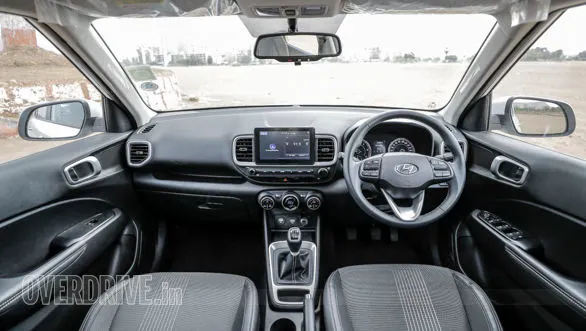
Hyundai Venue:
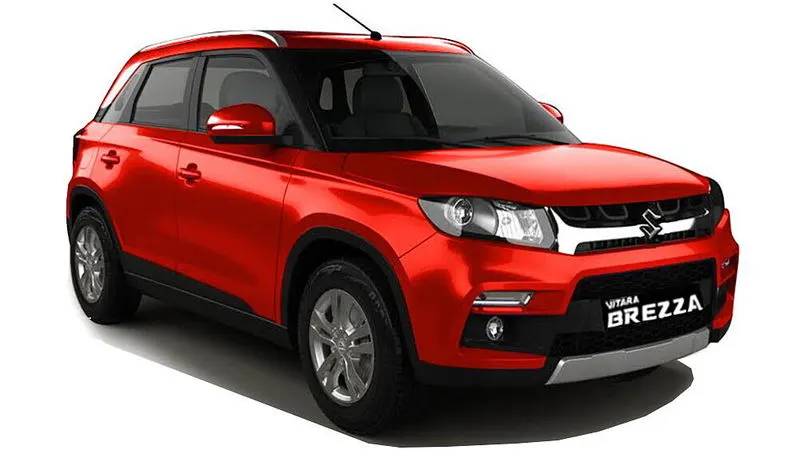
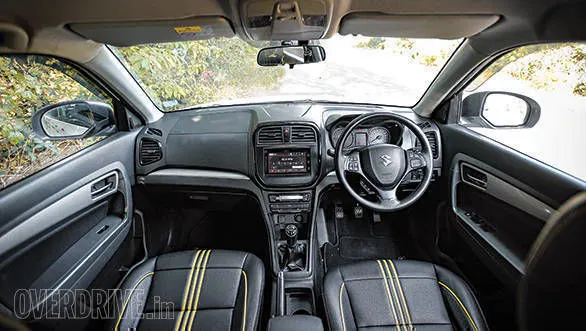
Maruti Suzuki Brezza:
| Mahindra XUV300 | Tata Nexon | Hyundai Venue | Maruti Suzuki Brezza | |
| Engine | 1197 cc, 3 Cylinders Inline, 4 Valves/Cylinder, DOHC | 1199 cc, 3 Cylinders Inline, 2 Valves/Cylinder, SOHC | 1197 cc, 4 Cylinders Inline, 4 Valves/Cylinder, DOHC | 1462 cc, 4 Cylinders Inline, 4 Valves/Cylinder, DOHC |
| Engine Type | 1.2 Turbo Petrol | 1.2L Turbocharged Revotron | 1.2 Kappa | K15C Smart Hybrid |
| Max Power (bhp@rpm) | 109 bhp @ 5000 rpm | 118 bhp @ 5500 rpm | 82 bhp @ 6000 rpm | 102 bhp @ 6000 rpm |
| Max Torque (Nm@rpm) | 200 Nm @ 2000 rpm | 170 Nm @ 1750 rpm | 114 Nm @ 4000 rpm | 136.8 Nm @ 4400 rpm |
| Mileage (ARAI) | 17 kmpl | 17.33 kmpl | 17.5 kmpl | 20.1 kmpl |
| Driving Range | 714 Km | 763 Km | 789 Km | 965 Km |
| Transmission | Manual - 6 Gears | Manual - 6 Gears, Sport Mode | Manual - 5 Gears | Manual - 5 Gears |
| Emission Standard | BS 6 | BS 6 | BS6 Phase 2 | BS 6 |
| Turbocharger / Supercharger | Turbocharged | Turbocharged | ||
| Others | Idle Start/Stop | Regenerative Braking, Idle Start/Stop |
Dimensions & Weight:
| Mahindra XUV300 | Tata Nexon | Hyundai Venue | Maruti Suzuki Brezza | |
| Length (mm) | 3995 | 3993 | 3995 | 3995 |
| Width (mm) | 1821 | 1811 | 1770 | 1790 |
| Height (mm) | 1627 | 1606 | 1617 | 1685 |
| Wheelbase (mm) | 2600 | 2498 | 2500 | 2500 |
| Ground Clearance (mm) | 180 | 209 | 195 | --- |
Capacity:
| Mahindra XUV300 | Tata Nexon | Hyundai Venue | Maruti Suzuki Brezza | |
| Bootspace (litres) | 257 | 350 | 350 | 328 |
| Fuel Tank Capacity (litres) | 42 | 44 | 45 | 48 |
Suspensions, Brakes, Steering & Tyres:
| Mahindra XUV300 | Tata Nexon | Hyundai Venue | Maruti Suzuki Brezza | |
| Front Suspension | MacPherson Strut with anti-roll bar | Independent, Lower Wishbone, McPherson Strut with Coil Spring | McPherson Strut with Coil Spring | Mac Pherson Strut & coil |
| Rear Suspension | Twist beam suspension with coil spring | Semi-Independent; closed profile Twist beam with Coil Spring and shock absorber | Coupled Torsion Beam Axle with Coil Spring | Torsion Beam & CoiL Spring |
| Front Brake Type | Disc | Disc | Disc | Ventilated Disc |
| Rear Brake Type | Disc | Drum | Drum | Drum |
| Minimum Turning Radius (metres) | 5.3 | 5.1 | -- | -- |
| Front Tyres | 205 / 65 R16 | 195 / 60 R16 | 195 / 65 R15 | 215 / 60 R16 |
| Rear Tyres | 205 / 65 R16 | 195 / 60 R16 | 195 / 65 R15 | 215 / 60 R16 |
Safety:
| Mahindra XUV300 | Tata Nexon | Hyundai Venue | Maruti Suzuki Brezza | |
| NCAP Rating | 5 Star (Global NCAP) | 5 Star (Global NCAP) | Not Tested | Not Tested |
| Airbags | 2 Airbags (Driver, Passenger) | 2 Airbags (Driver, Passenger) | 2 Airbags (Driver, Front Passenger) | 2 Airbags (Driver, Front Passenger) |
EXPERT'S TAKE:
|
Mahindra XUV300
|
Tata Nexon
|
Hyundai Venue
|
Maruti Suzuki Brezza
|
|
|
Good Things
|
|
|
|
|
|
Could be Better
|
|
Interior quality, fit/finish - Scratchy hard plastics, rough edges, panel gaps
|
|
|
CONCLUSION:
All 4 cars meet Mr. D.S. Pughazhyendhii's requirements for a big automobile under the budget of 10 lakhs. But the best value for money, according to me is Tata Nexon XM.
Tata Nexon XM has the most powerful engine, which puts out 118 bhp @ 5500 rpm and has a claimed mileage of 17.33 kmpl, adequate for Mr. D.S. Pughazhyendhii's once-in-a-month trip to Madurai with his family. Nexon XM also has a five-star global NCAP safety rating and it is roomier than segment rivals, ensuring a safe and comfortable journey. The ground clearance of Nexon XM is 209mm, adequate for Indian roads and the nicely tuned suspension offers apt damping at most speeds.
Overall, Tata Nexon XM appears to be an ideal choice and I would suggest Mr. D.S. Pughazhyendhii the same.