Benchmarking
Benchmarking
Benchmarking is defined as the process of measuring products, services, and processes against those of organizations known to be leaders in one or more aspects of their operations. Benchmarking provides necessary insights to help you understand how your organization compares with similar organizations, even if they are in a different business or have a different group of customers.
to as "best practice benchmarking" or "process benchmarking", this process is used in management in which organizations evaluate various aspects of their processes in relation to best-practice companies' processes, usually within a peer group defined for the purposes of comparison. This then allows organizations to develop plans on how to make improvements or adapt specific best practices, usually with the aim of increasing some aspect of performance. Benchmarking may be a one-off event, but is often treated as a continuous process in which organizations continually seek to improve their practices
Benchmarking can also help organizations identify areas, systems, or processes for improvements—either incremental (continuous) improvements or dramatic (business process re-engineering) improvements.
.... in simpler word benchmarking is
If a company is to be successful, it needs to evaluate its performance in a consistent manner.
In order to do so, businesses need to set standards for themselves and measure their processes and performance against recognized industry leaders or against best practices from other industries, which operate in a similar environment.This is commonly referred to as benchmarking in management parlance
steps involved in the benchmarking process
1) Select a subject to benchmark. ...
2) Decide which organizations or companies you want to benchmark. ...
3) Document your current processes. ...
4) Collect and analyze data. ...
5) Measure your performance against the data you've collected. ...
6) Create a plan. ...
7) Implement the changes. ...
8) Repeat the process.
Benefits of benchmarking in business
* Keep improving internal operations. ...
*Understand what's working and what isn't. ...
*Adopt or improve upon competitors' practices. ...
*Reduce costs by increasing efficiency. ...
*Focus on practices and offerings that promote customer satisfaction and loyalty.
- Benchmark with presently available cars in the market for the following case.
Mr. D.S. Pughazhyendhii is a married man who lives in Bangalore which is a highly crowded city. His Family comprises five members including his wife, a five-year-old boy, his father, and his mother. He visits his native place Madurai which is 500kms away from Bangalore once a month. Also, he will be using his car to commute to his office. His budget falls between 8 to 10 lakhs on road. Please suggest to him options so that he will buy a good car for his family.
Note: Pughazhyendhii is fond of big cars
in my opinion i will suggest vehicle with SUV or Sedan
Suggested cars are
1)TATA NEXON
2)Maruti Suzuki Brezza
3)Ford Ecosport
4)Mahindra XUV300
XUV300 vs EcoSport vs Vitara Brezza vs Nexon comparison
1)TATA NEXON
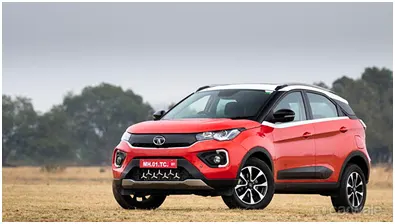
Pros
- Torquey and frugal engine
- Well-sorted ride and handling
- Spacious and feature-packed cabin
- Safety equipment
- strong road presence
cons
- Slugish infotainment
- Quality of interior frame plastic trims can be better
- Specifications of Tata Nexon XE Diesel
- Specifications of Tata Nexon XE Diesel
|
Mileage |
23.97 km/litre |
Engine Displ. |
1497 cc |
|
Transmission |
Manual |
Fuel Type |
Diesel |
|
Boot Space |
350 litres |
Power Windows |
Only Front Windows |
|
Airbags |
Driver frontal airbag, Front passenger frontal airbag |
ABS |
Yes |
|
Central Locking |
No |
Fog Lamps |
Yes |
2) Maruti Suzuki Brezza
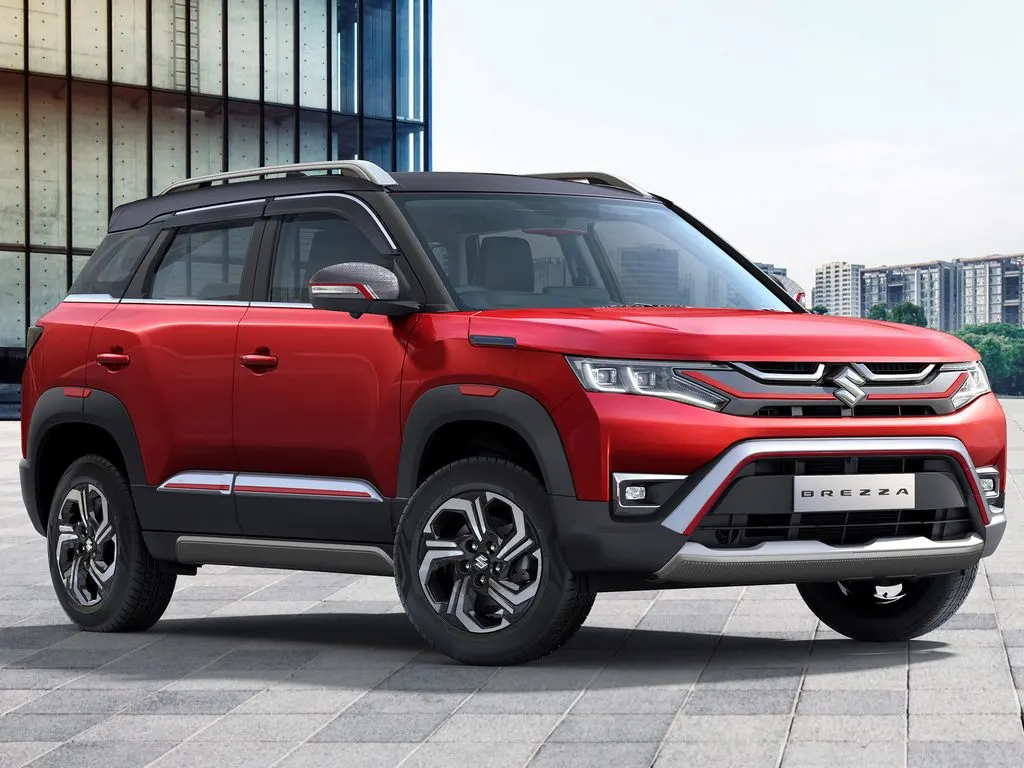
Pros
- Value For Money
- Fuel Efficient Motor
- Car Like Driving Dynamics
Cons
- Interiors Remain Unexciting
Specifications of Maruti Suzuki Vitara Brezza LDI (Diesel)
|
Mileage |
24.3 km/litre |
Engine Displ. |
1248 cc |
|
Transmission |
Manual |
Fuel Type |
Diesel |
|
Boot Space |
328 litres |
Power Windows |
Only Front Windows |
|
Airbags |
Driver frontal airbag, Front passenger frontal airbag |
ABS |
No |
|
Central Locking |
Yes |
Fog Lamps |
No |
3)Ford Ecosport
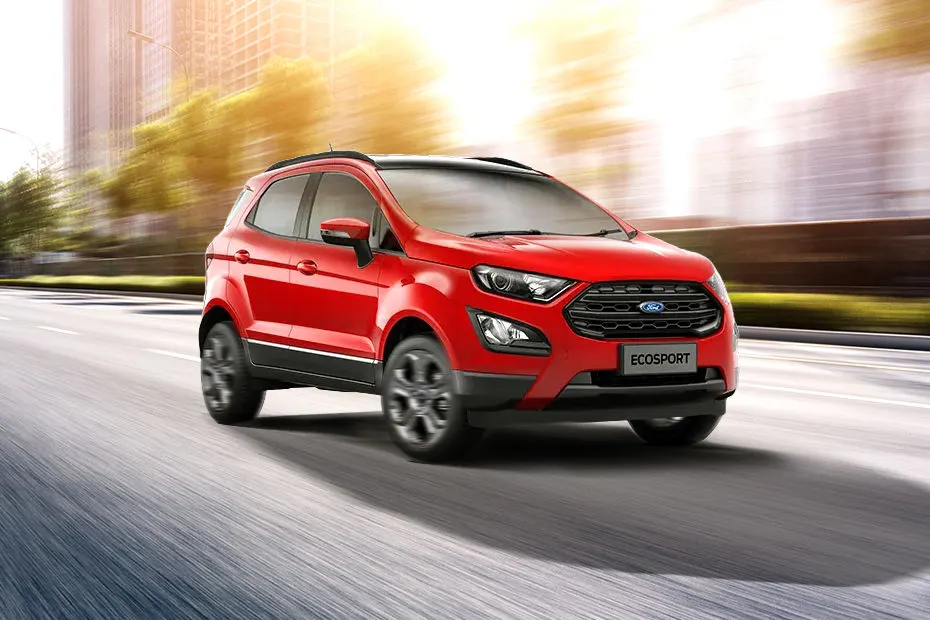
Pros
- Competitively priced
- Loaded with features
- Comes with the world-class 1.5-litre Ecoboost engine
Cons
- Doesn't look as SUVish as the competitors
- Relatively less cabin space
- Less boot space
Specifications of Ford EcoSport 1.5L TDCi Ambiente (Diesel)
|
Mileage |
23 km/litre |
Engine Displ. |
1498 cc |
|
Transmission |
Manual |
Fuel Type |
Diesel |
|
Boot Space |
352 litres |
Power Windows |
All Windows |
|
Airbags |
Driver frontal airbag, Front passenger frontal airbag, No |
ABS |
Yes |
|
Central Locking |
Yes |
Fog Lamps |
No |
4)Mahindra XUV300
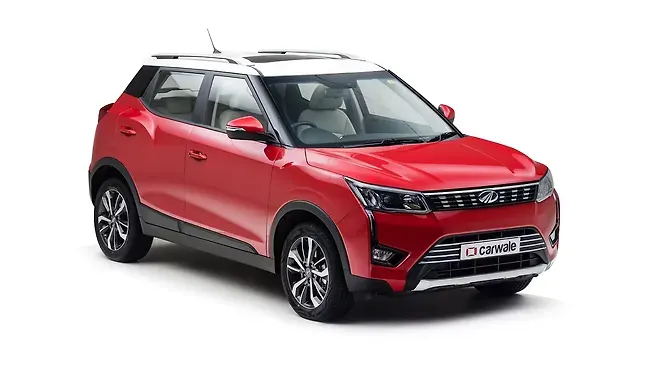
Pros
- Abundance of Safety measures
- Bundle of convenience features inside
- Refined Engine
Cons
- No AMT variants available
- Most features reserved for Top-end trims
Specifications of Mahindra XUV300 1.5 W4 (Diesel)
|
Mileage |
20 km/litre |
Engine Displ. |
1497 cc |
|
Transmission |
Manual |
Fuel Type |
Diesel |
|
Boot Space |
259 litres |
Power Windows |
All Windows |
|
Airbags |
Driver frontal airbag, Front passenger frontal airbag |
ABS |
Yes |
|
Central Locking |
Yes |
Fog Lamps |
No |
Total Overview
Starts Rs 7.99 Lakhs
Starts Rs 7.34 Lakhs