Aston Martin ONE-77 Challenge-11 (Project)
Surface Modelling of Aston Martin One – 77 Car
Objective – Our objective is to make a detailed surface model of Aston Martin One – 77 Car
Introduction- The Aston Martin One-77 is a two door, two seater flagship sports car built by the British car manufacturer Aston Martin.
This is a very beautiful car. And we made it in Solidworks. It includes surface modelling and solid modelling the features used in here are mostly basic but there are some areas where advanced modelling.
Methodology –
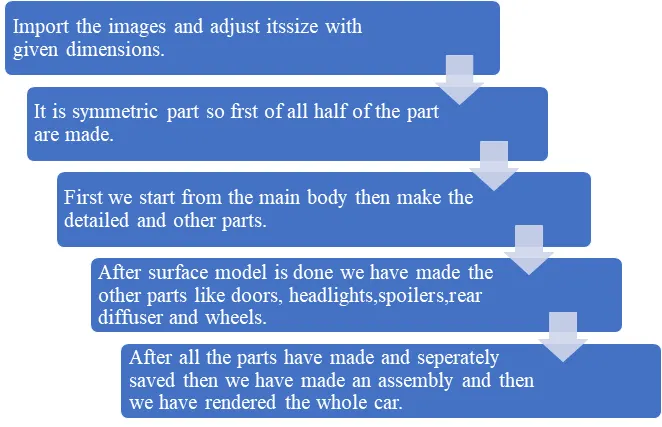
There is one main body which consists-
1-Car main body
2-Windshields
3- Hood
4- Doors
5- Rear Diffuser
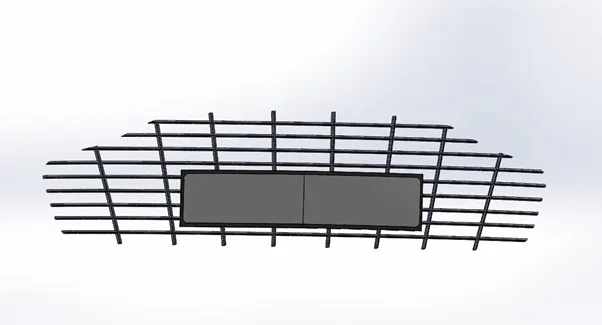
6- Grille
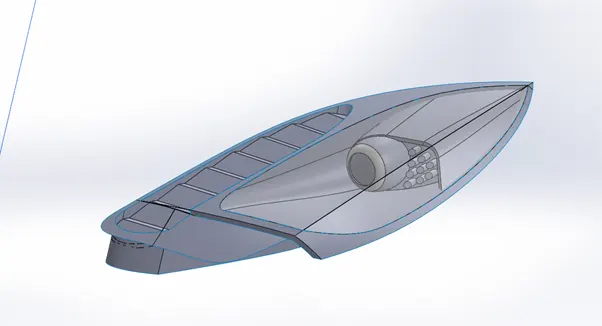
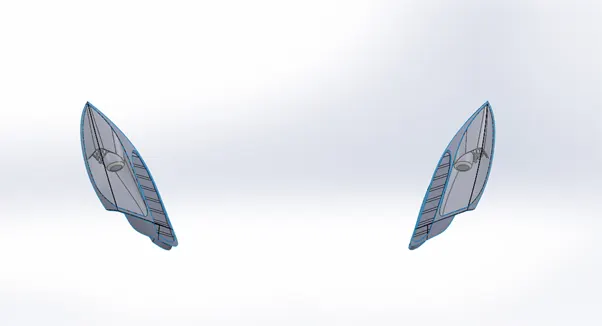
7- Headlight
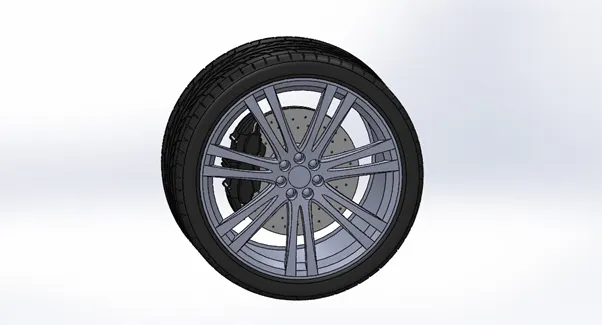
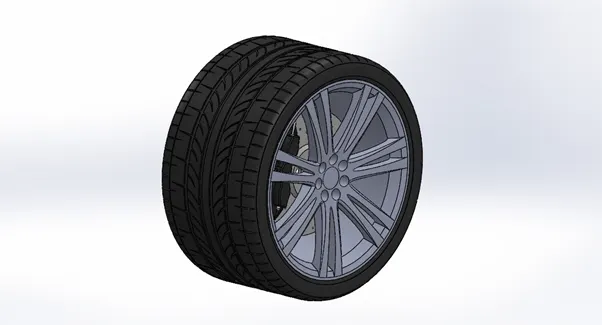
8- Wheels
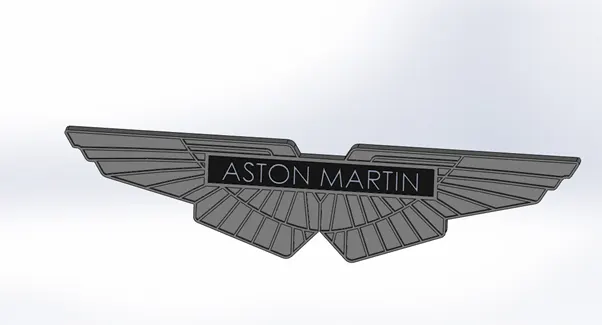
9- Emblem
All the above parts are modelled in the solid work software itself, either by surfacing or by solid modelling. Parts like car frame, windshields etc are made with surfacing and parts like brakes, caliper, grille, tyre, rim are made with solid modelling.
The Following features and tools are used in this modelling.
A- Sketch Tools-
1-Line
2-Circle
3-Slot
4- Rectangle
5- Spline
B- Features
1-Extrude
2-Extrude cut
3-Revolve
4-Revolve cut
5- Fillet
6- Chamfer
7- Sweep
8- Loft
9-Project Curve
10- Trim
11- Thicken
12- Draft
13-Flex
14-Combine
15- Intersect
16-Move/Copy
17- Delete
18- Split
19- Mirror
20- Pattern
C-Surface Tools
1-Boundary Surface
2-Fill surface
3-Split line
4-Knit surface
5- Loft
6-Trim
7-Extend
8-Ruled surface
9-Offset surface
1-Images of Car Main body (Frame)
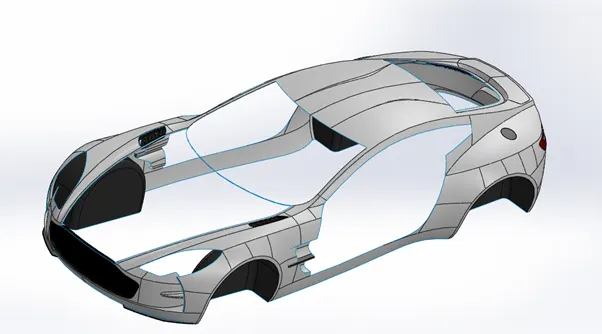
2-Image of Windshields
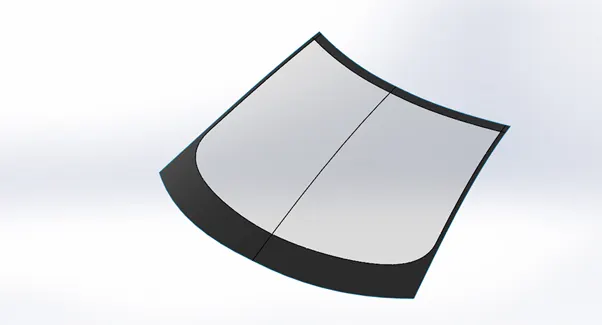
3-Image of Hood
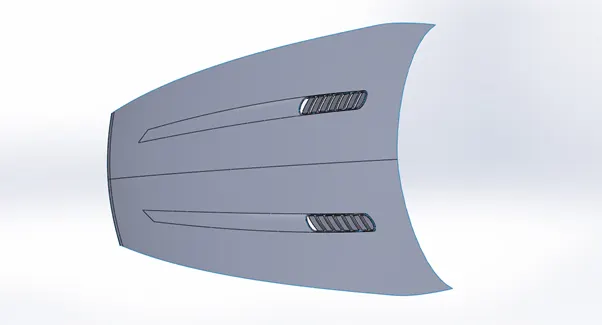
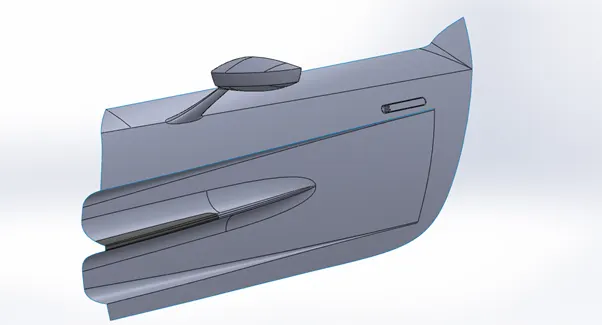
4-Image of Doors
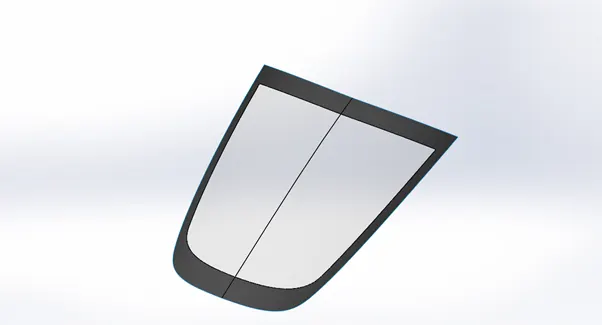
5-Image of Rear window
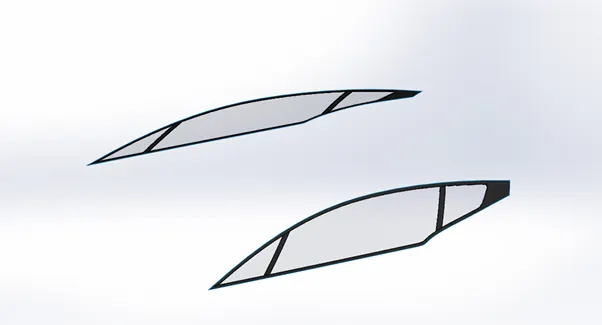
6-Image of side window
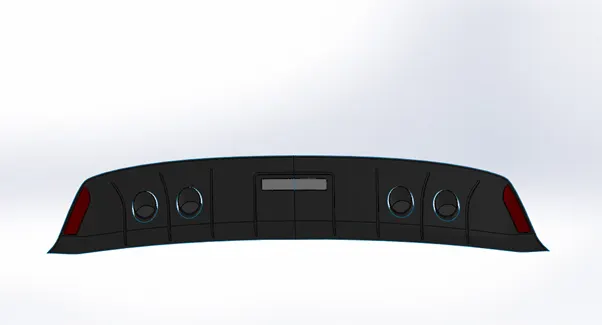
7-Image of rear diffuser
8-Image of Grille
9- Image of Headlights
10- Image of Wheels with brake and tyre
11- Image of Emblems
Images of assembly of windshields, side window, rear window, doors hood, wheel and tyre with break etc.
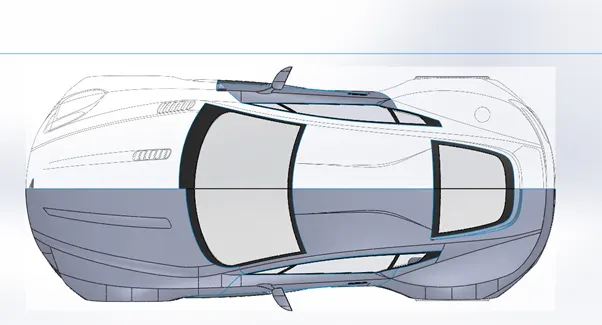
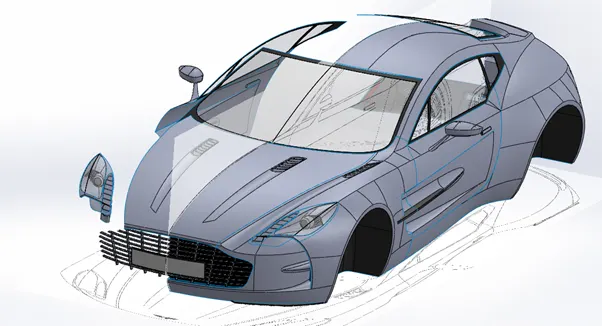
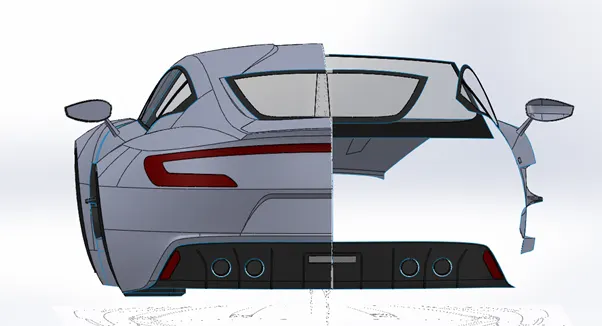
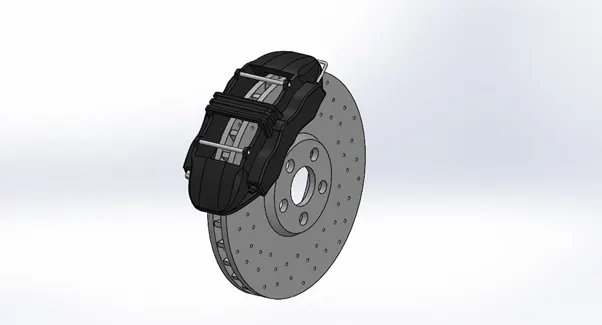
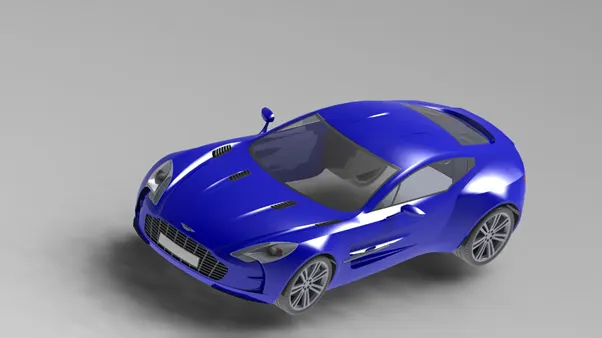
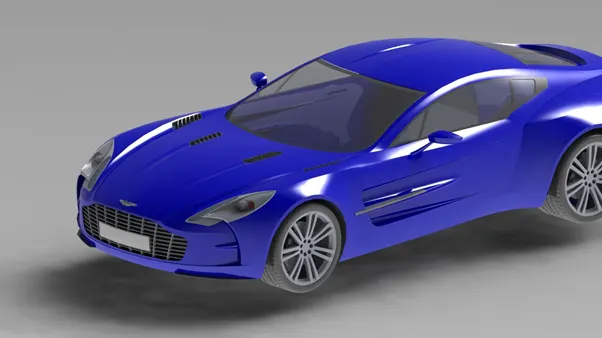
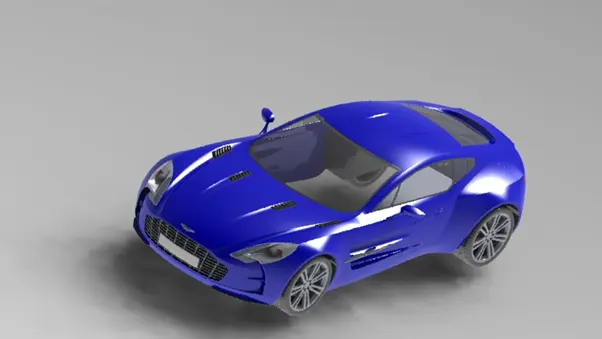
Images of complete Assembly of car
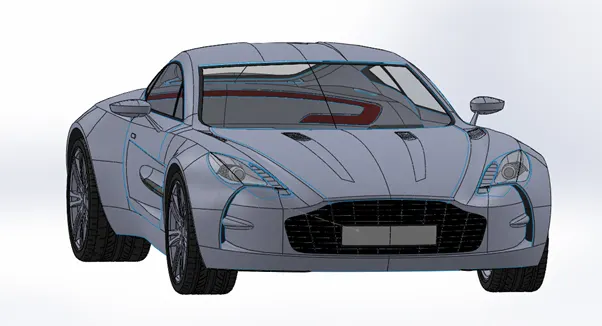
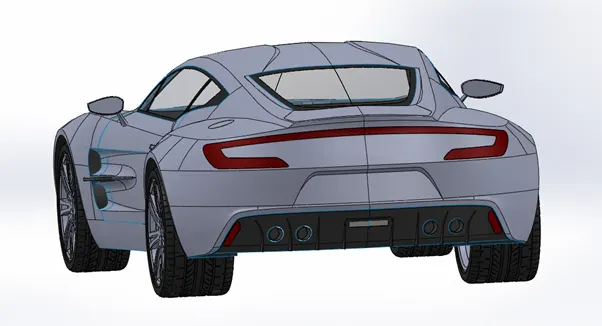
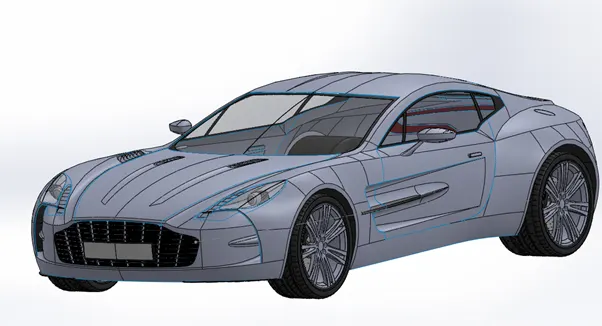
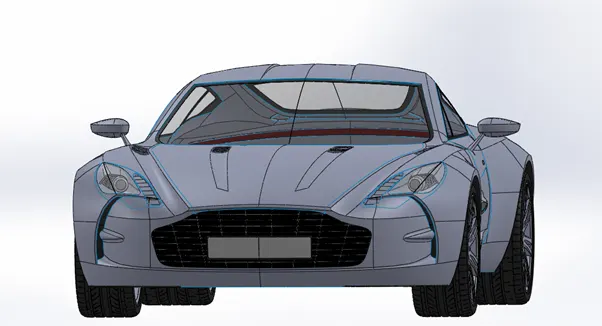
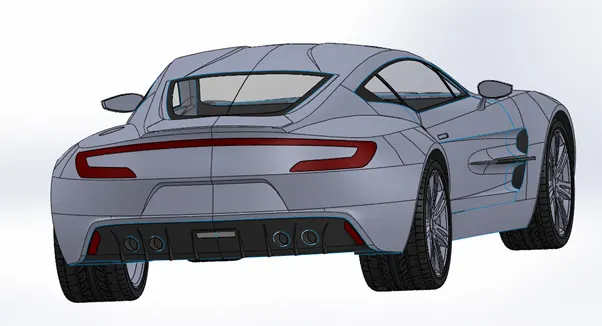
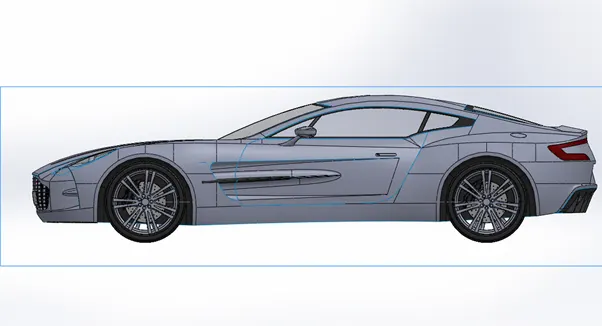
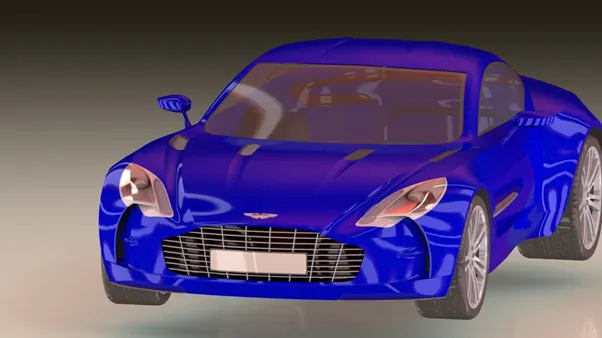
Images of car After Rendering of Car
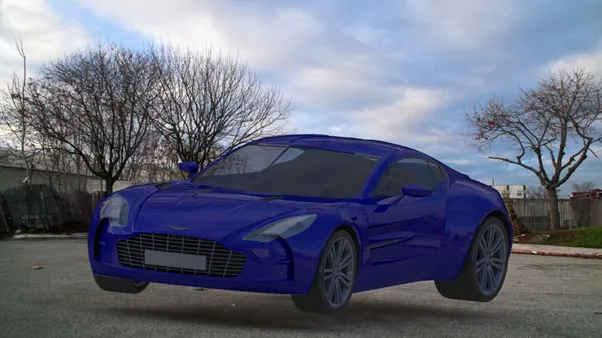
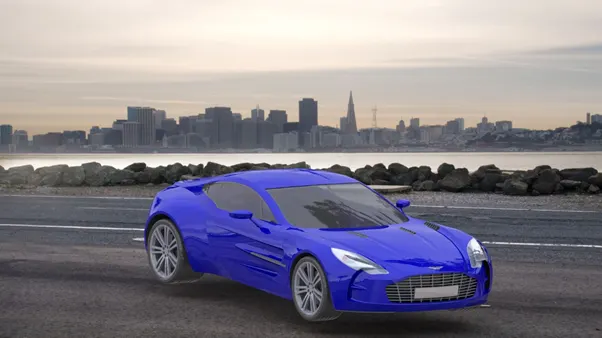
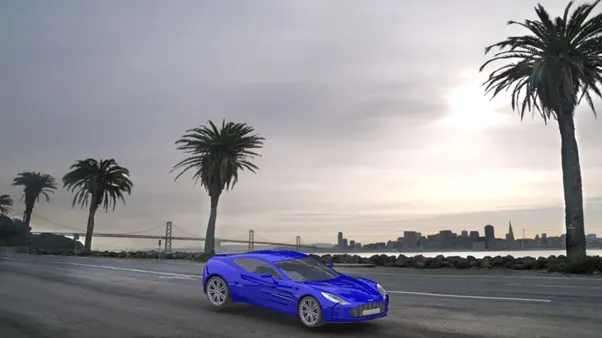
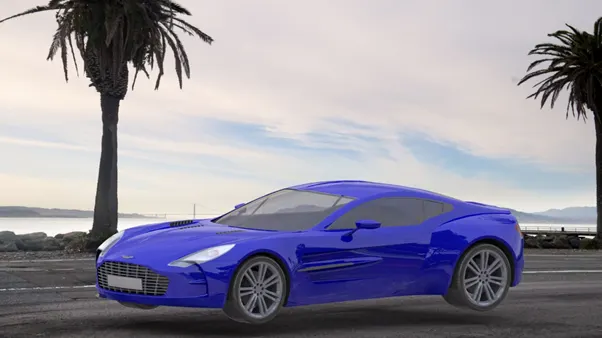
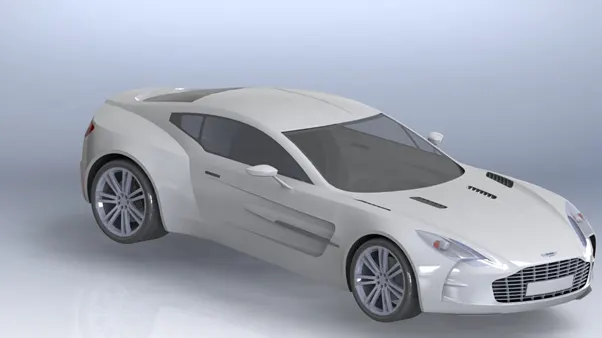
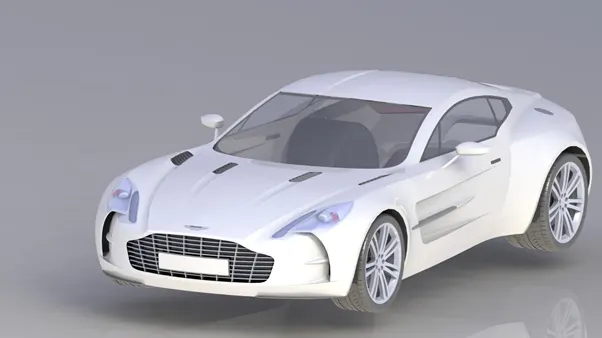
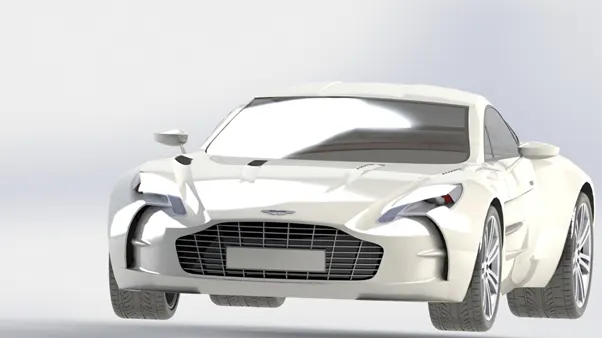
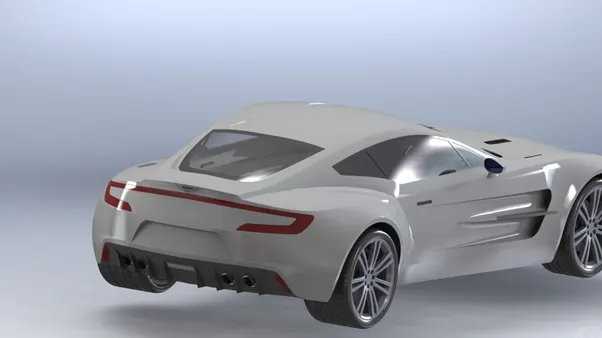
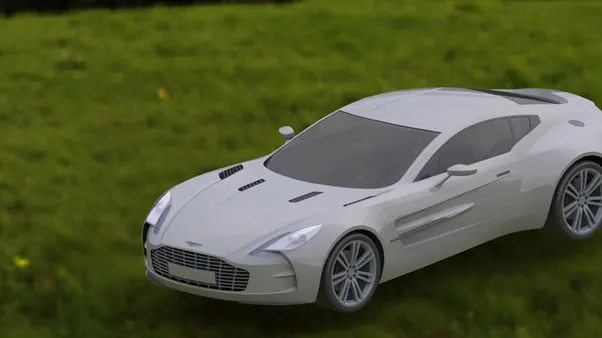
Conclusion- After completing this project we have learnt so many features which we do not use on a day basis but are important when needed because there is no alternative also, we have covered almost all the surface tools. We learnt how to use surface tools in solid modelling to achieve some parts, which are actually thought or not possible with solid modelling tools only.