Assignment 5
Questions:
- Create the mesh for bumper assembly, mesh size should be 6mm.
- Crush tube analysis
-
- Run the crash tube model as it is. (Case 1)
- Change the Inacti=6 and run. (Case 2)
- Create the type 11 contact and run. (Case 3)
- Remove both notches and remove boundary condition on rigid body node then run. (Case 4)
- Create a new notch in the middle, select the whole section and run. (Case 5)
- Create a new notch with nodes only from opposing 2 faces and run. (Case 6)
Solution 1: The Bumper Assembly Mesh
The bumper assembly model under consideration is illustrated below.
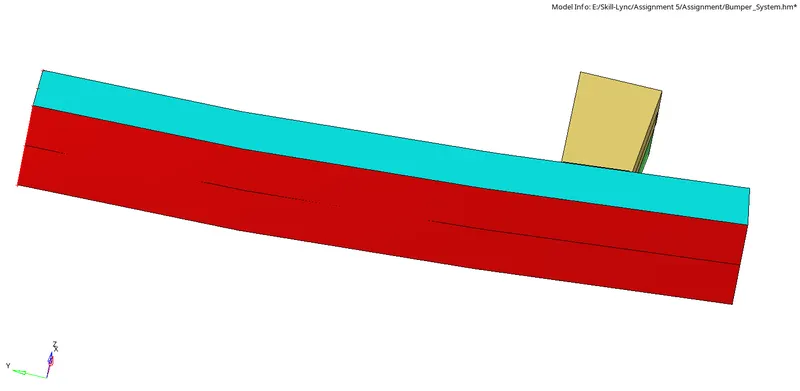
Figure 1 The bumper assembly model
To mesh the model, the free edges are checked by changing the geometry colour mode ‘by topo’
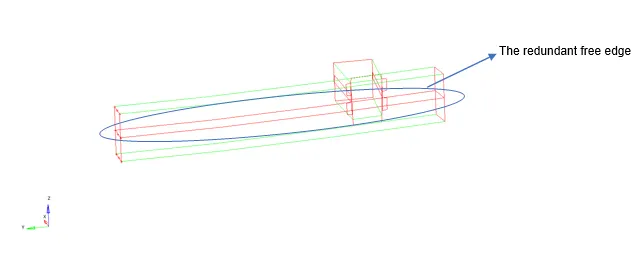
Figure 2 The edge needed to be fixed
After fixing the edge, the model is meshed with the mesh size of 6mm and using 'mixed' type of meshing, as depicted in the figure below.
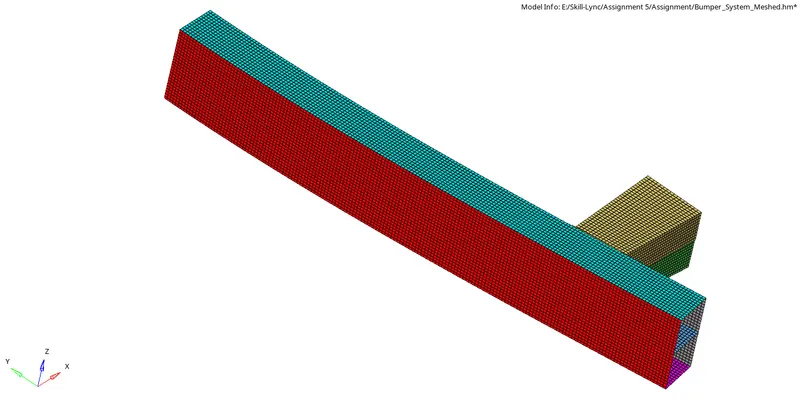
Figure 3 The meshed model
Solution 2: Crush Tube Analysis
The model ‘crush_tube_0000.rad’ is run for six different cases, and then studied for the von misses stresses, forces and energies.
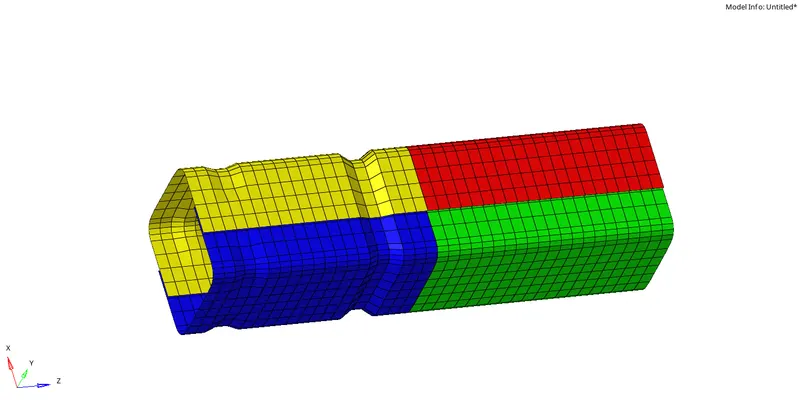
Figure 4 The model under consideration
Von Misses Stress:
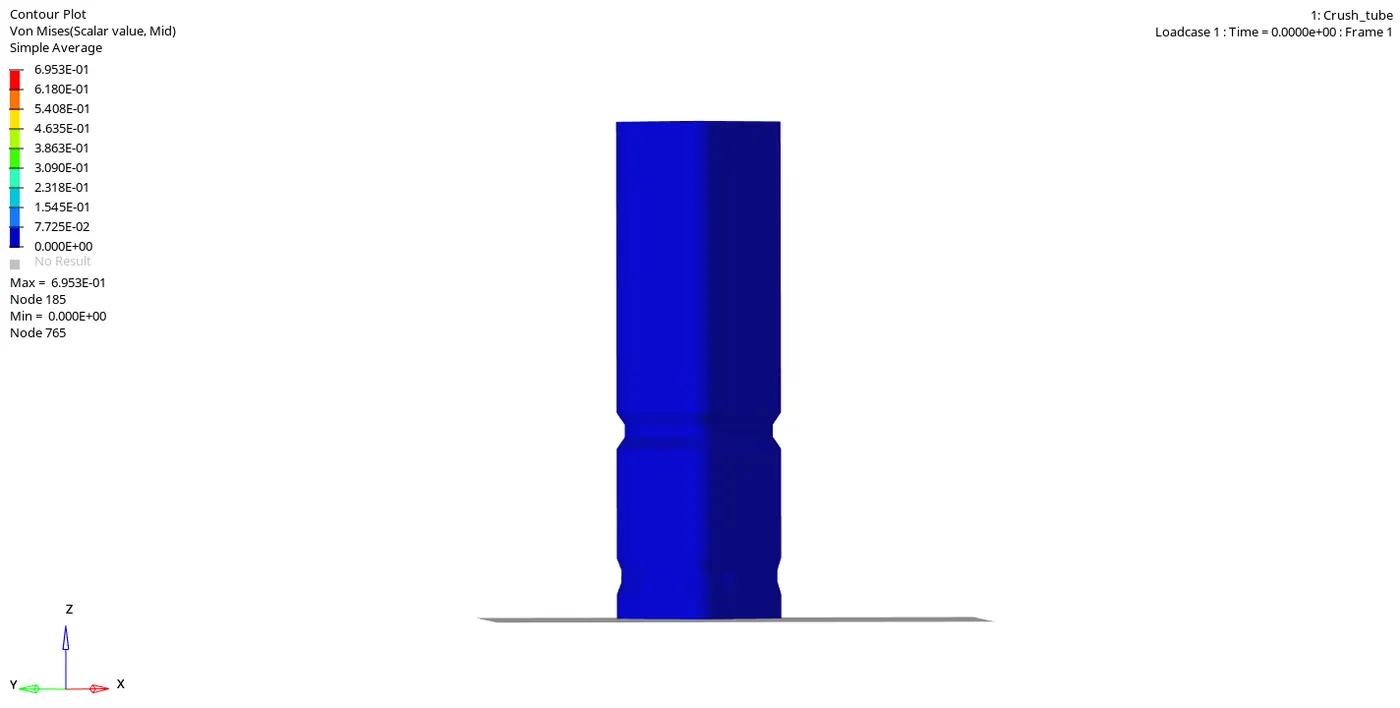
Figure 5 Case-1
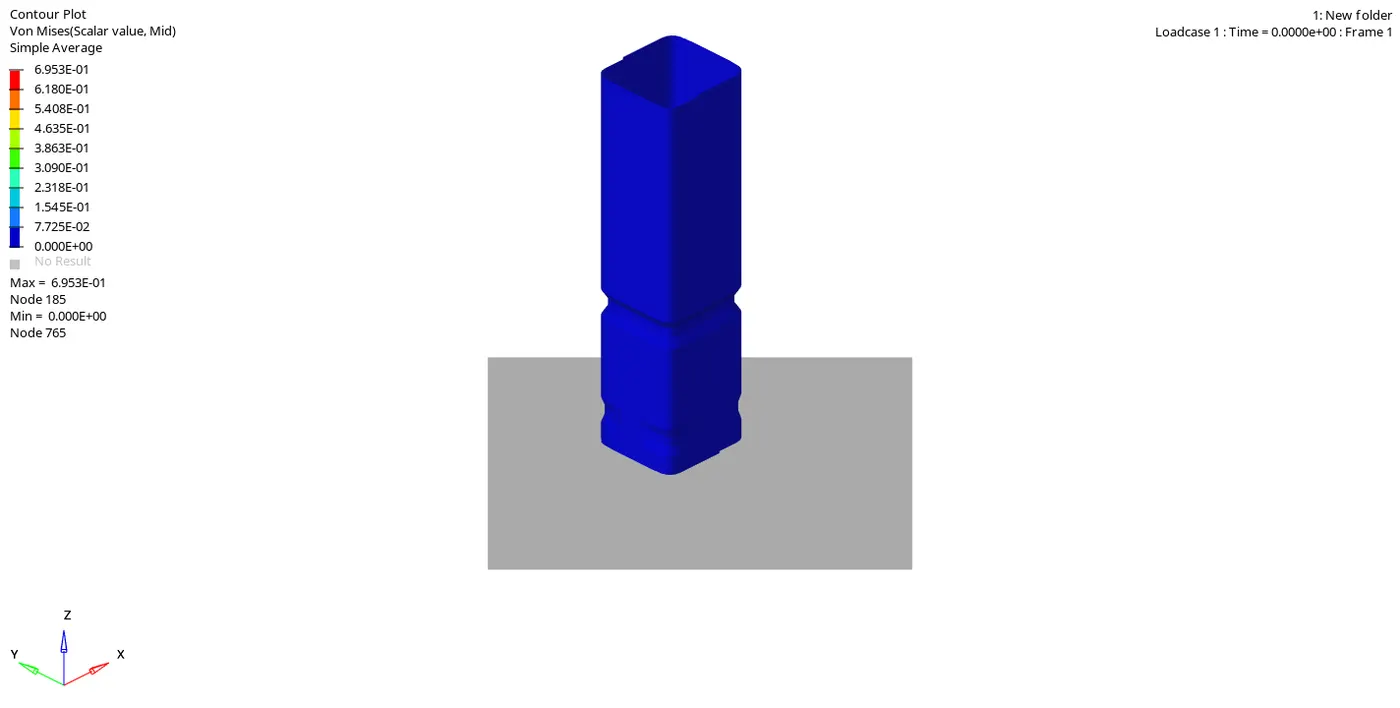
Figure 6 Case-2
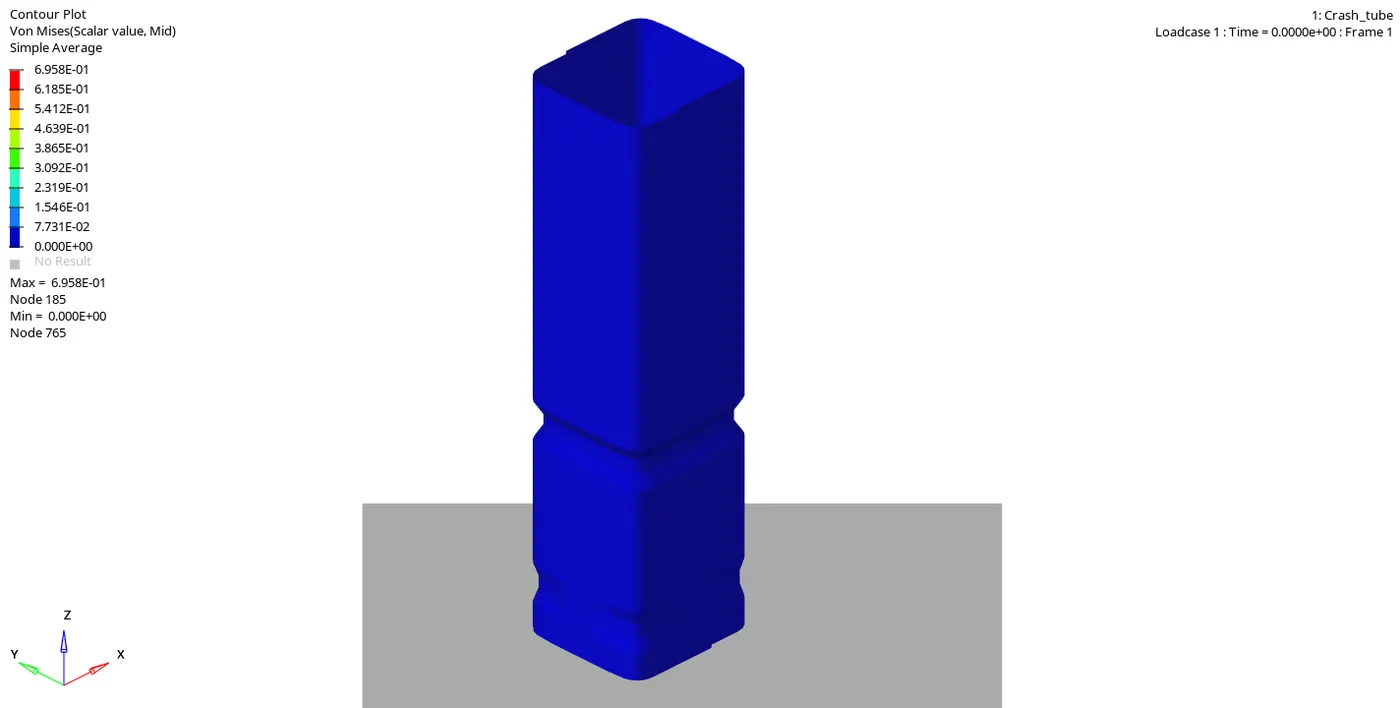
Figure 7 Case-3
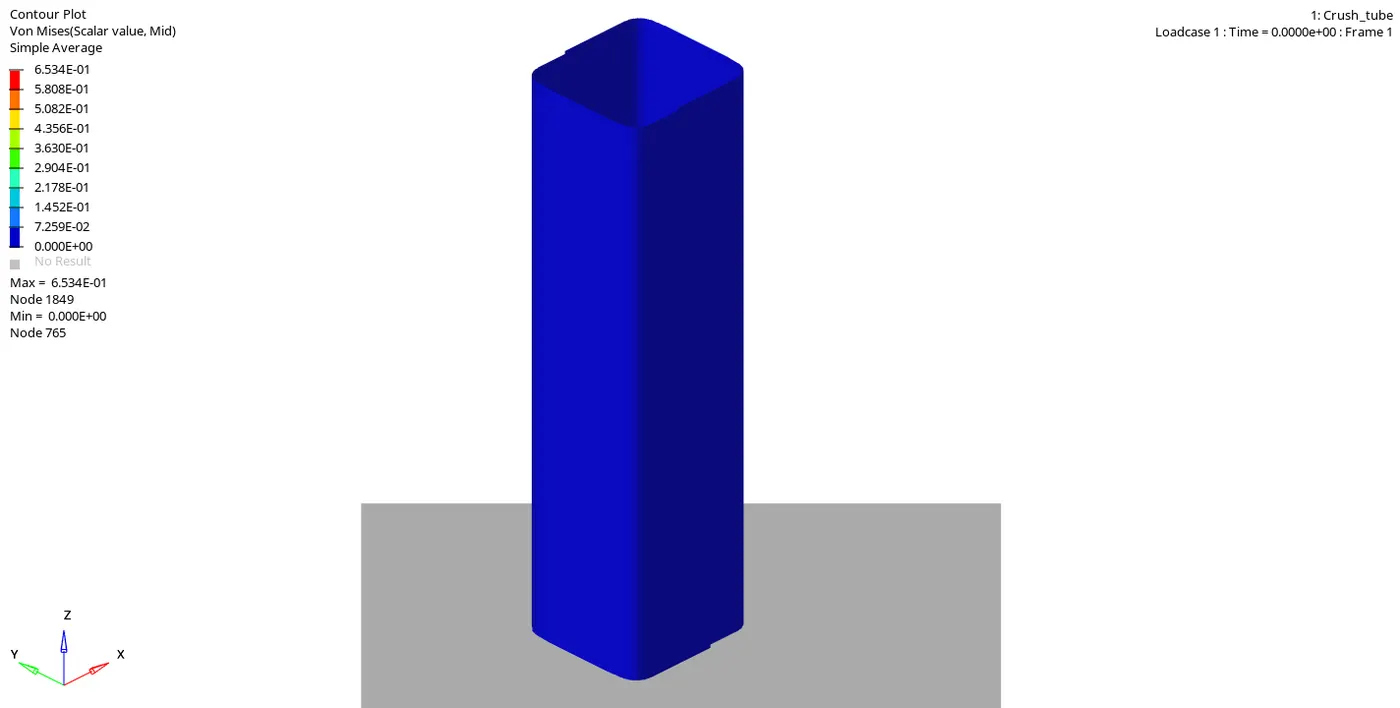
Figure 8 Case-4
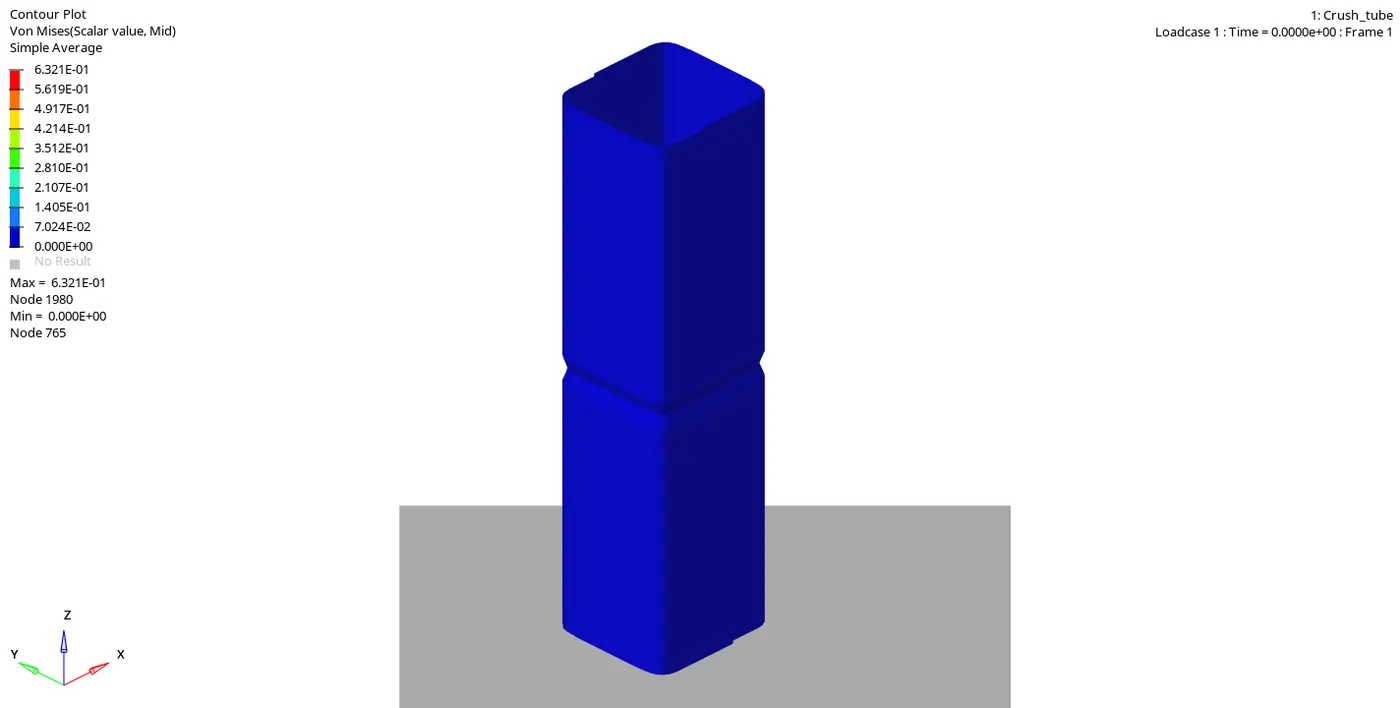
Figure 9 Case-5
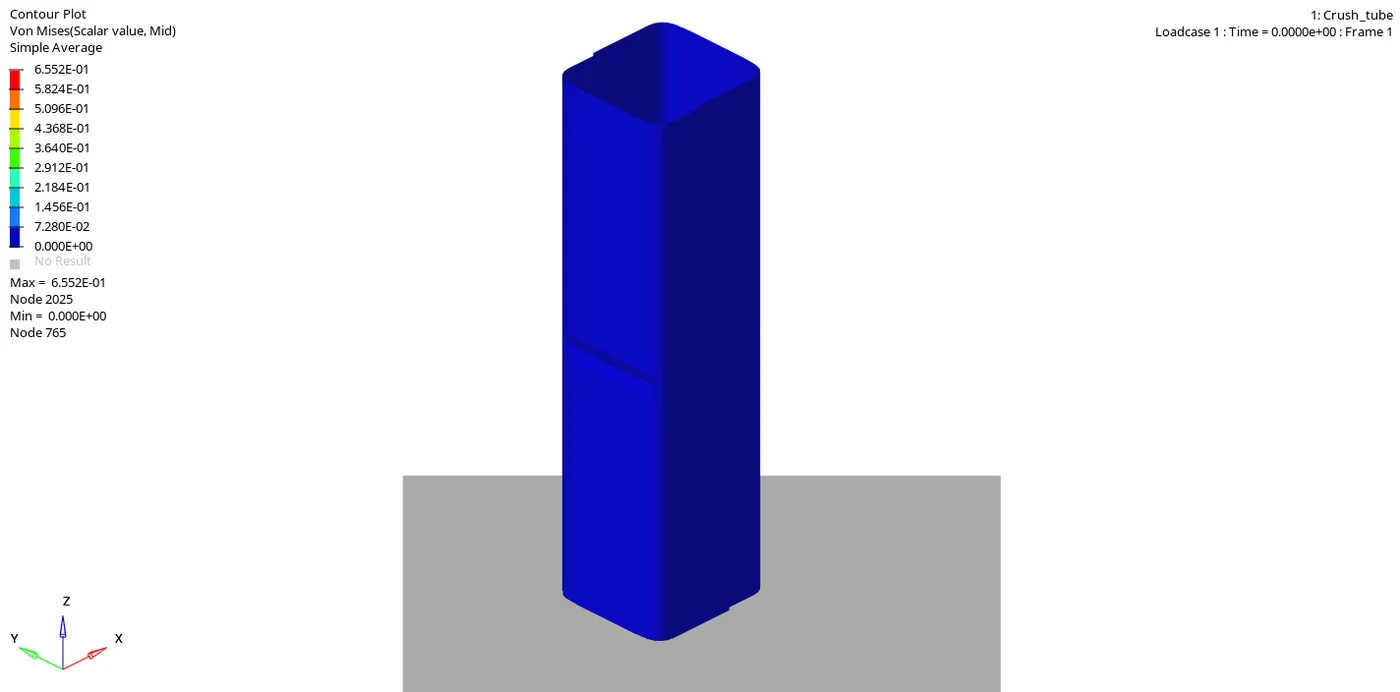
Figure 10 Case-6
In case 1, the model is run as it is, and Figure 5 illustrates that crush tube deforms from the notch then from the bottom due to the velocity applied in the z-direction. In case 2, due to the ‘Inacti’ value of 6, in which the initial gap is adjusted, no change in the deformation pattern noticed. In case 3 type 11 edge to edge is added along with the type 7 interface, as illustrated in the figure below.
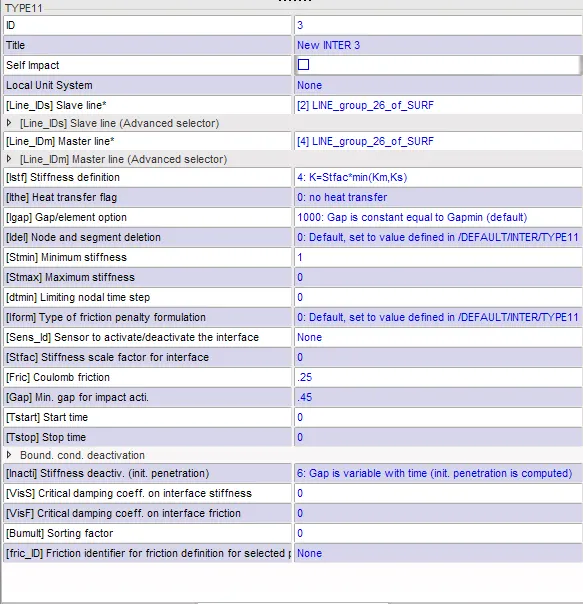
Figure 11 The snippet for the type 11 interface
The notch is removed in case 4 as shown in the figure below, followed by removing the Boundary conditions. This illustrates the deformation occurring from the bottom, finally propagating to the top, as depicted in Figure 7.
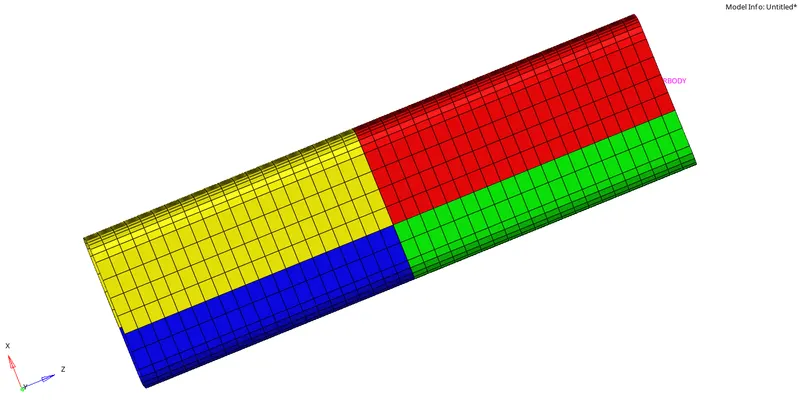
Figure 12 The crush tube without the notch
In case 5 a notch is created in the middle with a depth of 3mm, as shown in Figure 13, from where the deformation initiates and propagates to the bottom of the tube, and then the top of the tube. In the case next (case 6), notch from two of the opposing faces was removed, as depicted in Figure 14. The deformation in this case is somewhat similar to the previous case.
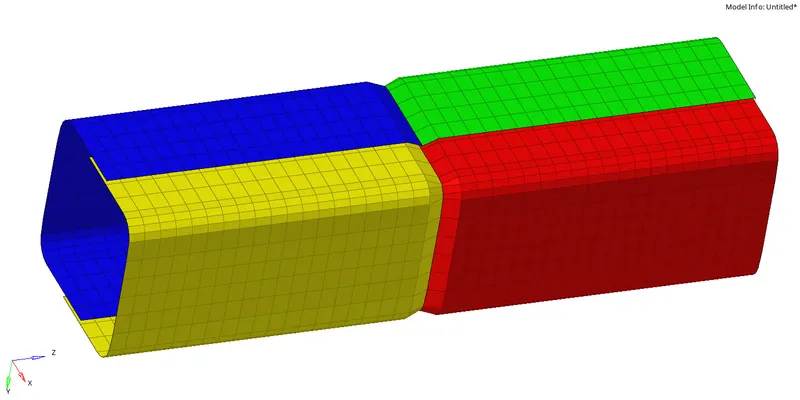
Figure 13 The crush tube with a notch of 3mm in the middle
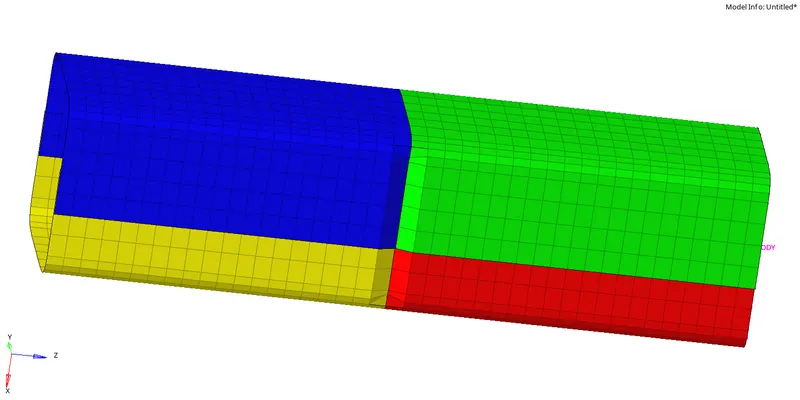
Figure 13 The crush tube with a notch of 3mm in the middle of the opposite faces
Rigid body force:
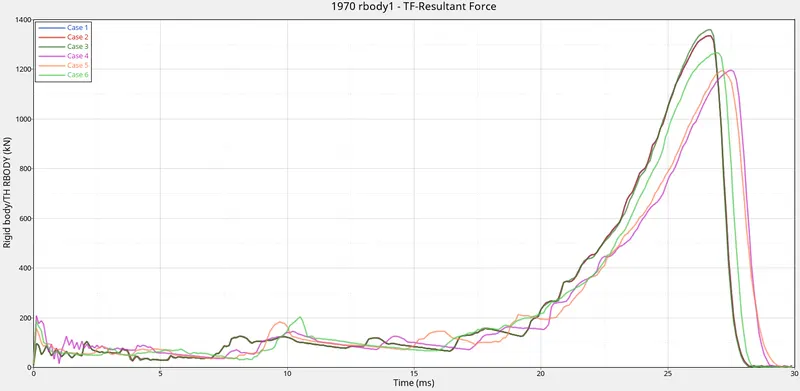
Figure 14 Comparison of Rigid body resultant force in different cases
Rigid wall force:
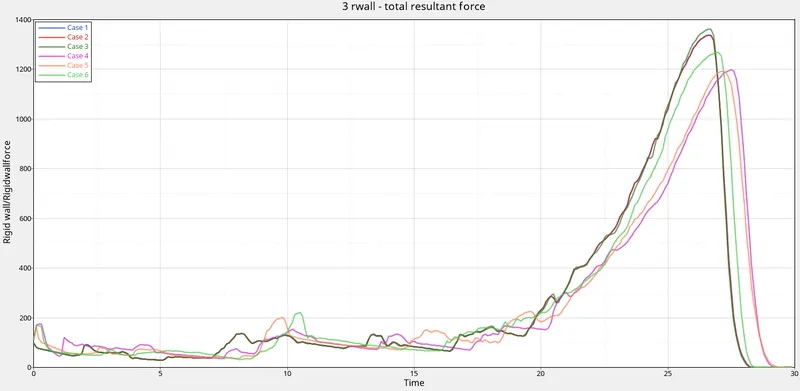
Figure 15 Comparison of Rigid wall resultant force in different cases
Contact Energy:
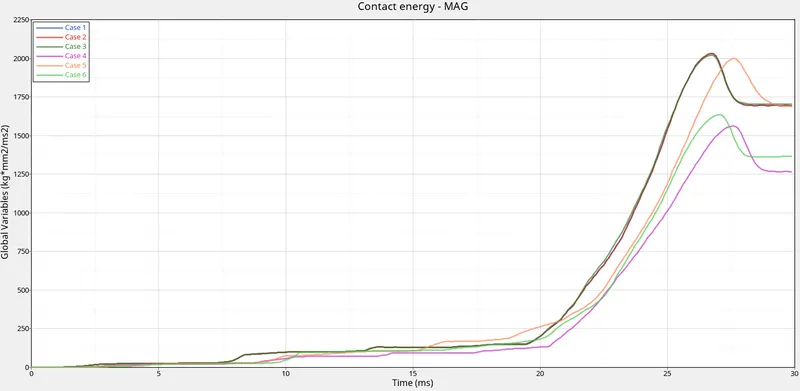
Figure 16 Comparison of Contact Energy in different cases
Internal Energy:
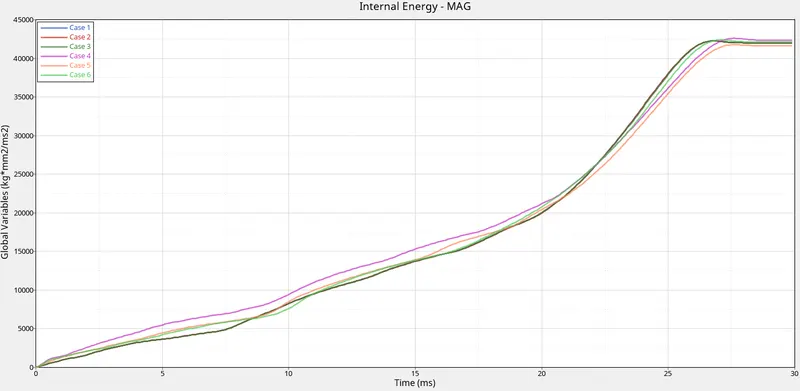
Figure 17 Comparison of Internal Energy in different cases
Kinetic Energy:
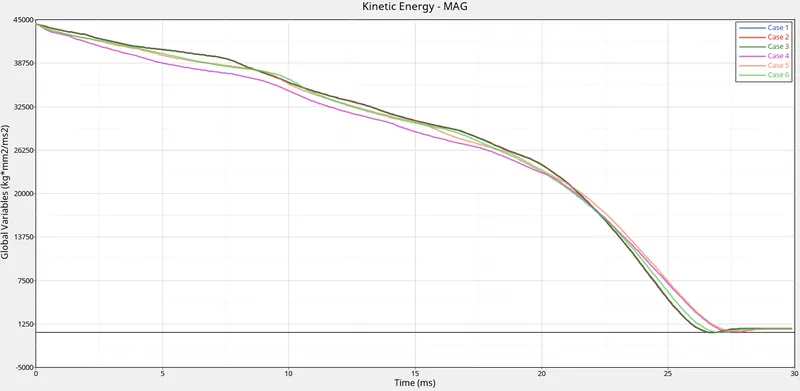
Figure 18 Comparison of Kinetic Energy in different cases
In Figure 14, the total resultant rigid body forces are compared for the six different cases. Case 1 and case 2 are identical because of the ‘Inacti = 6’ value. Case 3 also shows identical behaviour as type 11 contact. Case 4, 5 and 6 show variation due to the alteration of the notch, and removal of the boundary conditions.
Figure 15 depicts the variation of the total resultant rigid wall force are compared for the six different cases, which is similar to the graph in Figure 14 because the wall is stationary throughout the simulation and the body collides with the wall.
Figure 16, 17 and 18 compare contact energies, internal energies and kinetic energies respectively for the six cases. The energies are identical for case 1, 2 and 3, while 4, 5 and 6 show variation, but the behaviour of the graph being similar.
Observations:
Case 1 and 2 shows identical results, case 3 also indicates similar results. Case 4, 5 and 6 due to the alteration of the notch and boundary conditions depicts variation. The propagation of deformation also varies due to the notch modifications.