Assignment 4-RADIOSS Material Laws Challenge
Assignment 4-RADIOSS Material Laws Challenge
AIM
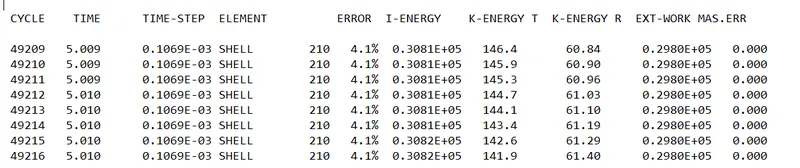
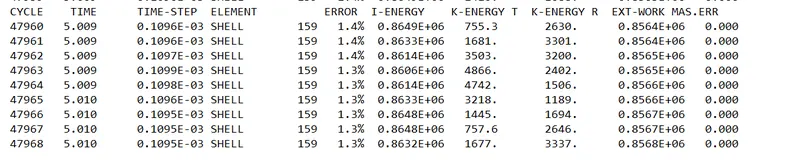
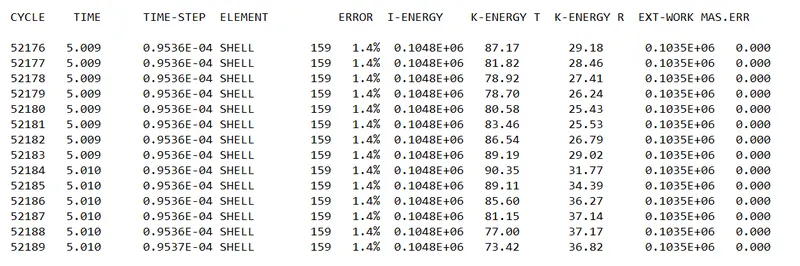
1. To compare all cases and to find the Total number of cycles, Energy error, mass error and simulation time.
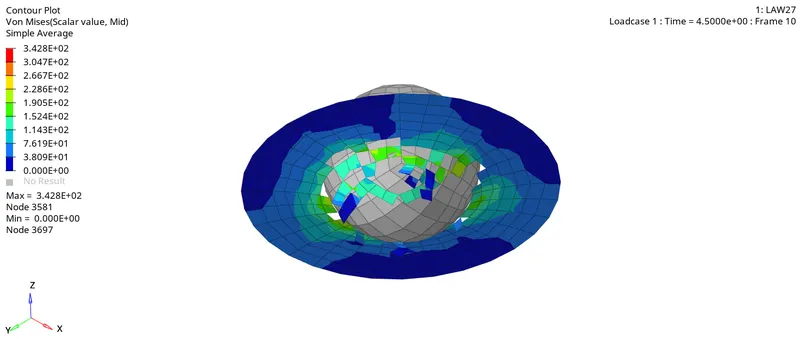
2. Notice the animation of all 5 and describe the animations in brief on the
basis of whether the elements are being deleted or cracked.
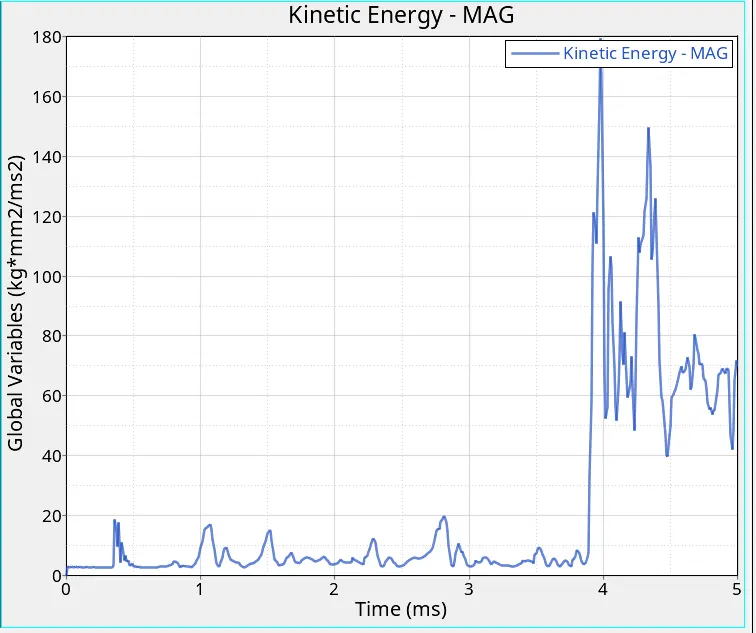
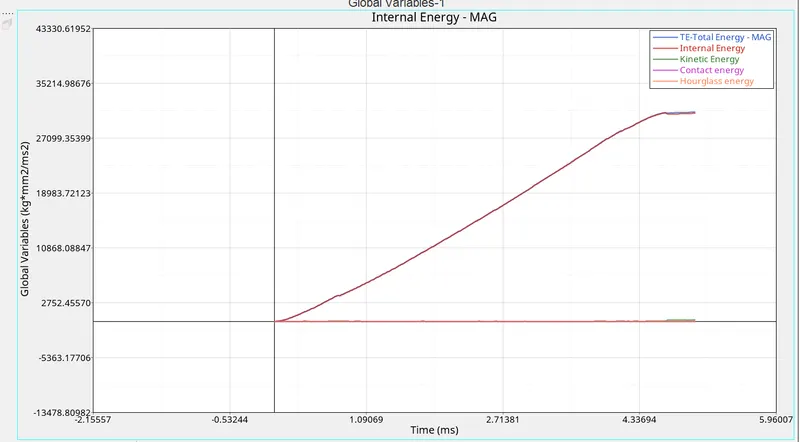
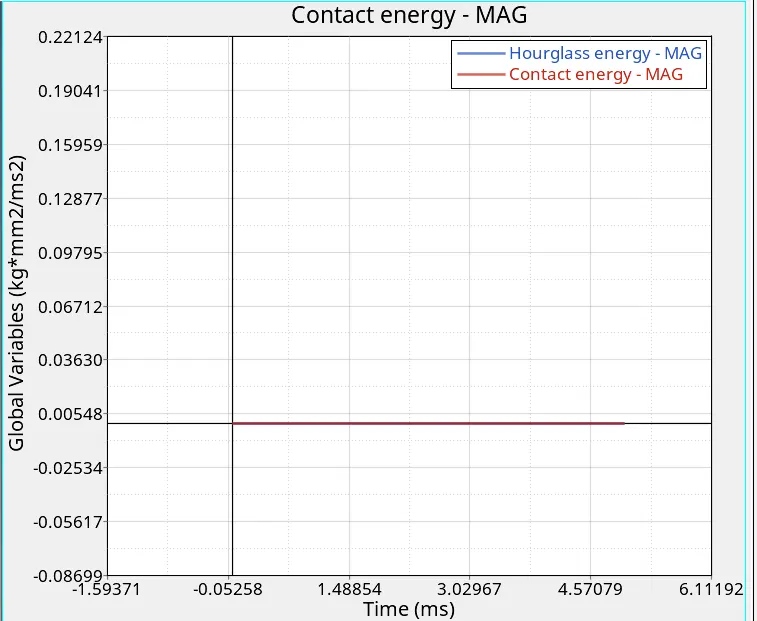
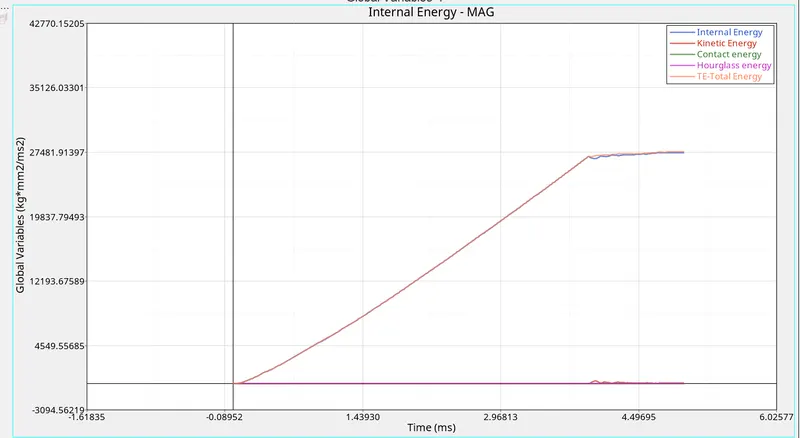
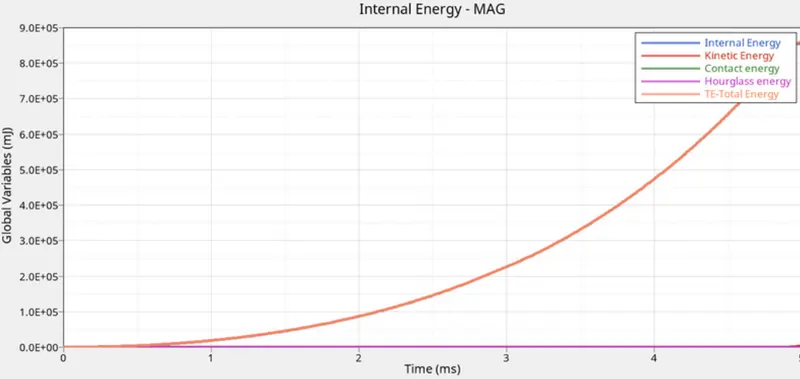
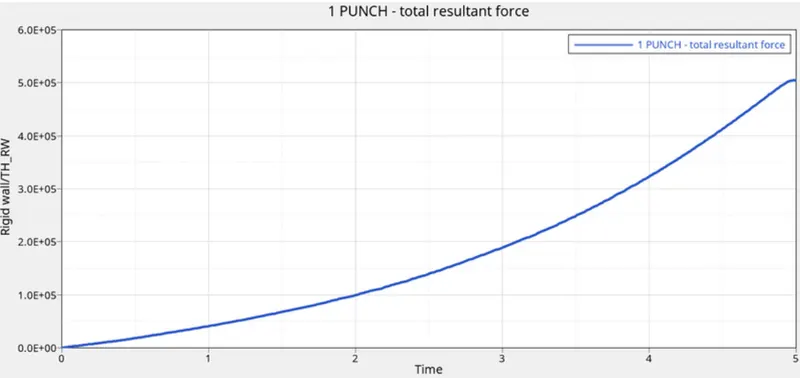
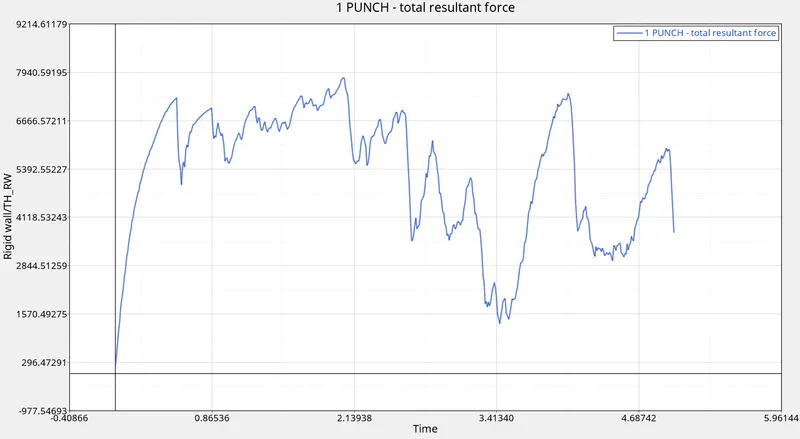
3. Plot energies and notice any difference.
4. Based on all the results, which case would represent the on-field
scenario.
5. Prepare a ppt/Docx and list down case by case result and your conclusion
as to why the failure happened.
PROCEDURE
case 1 :
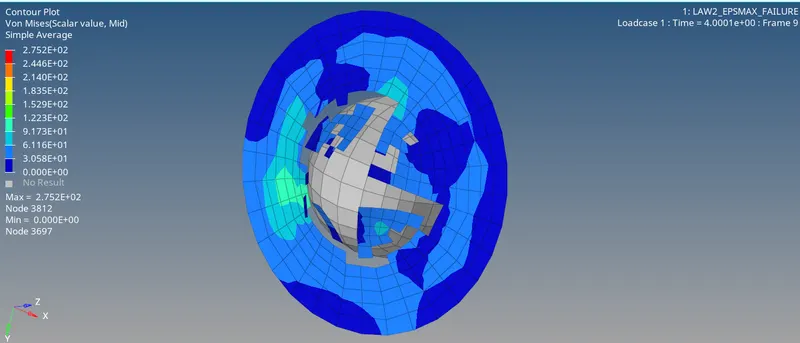
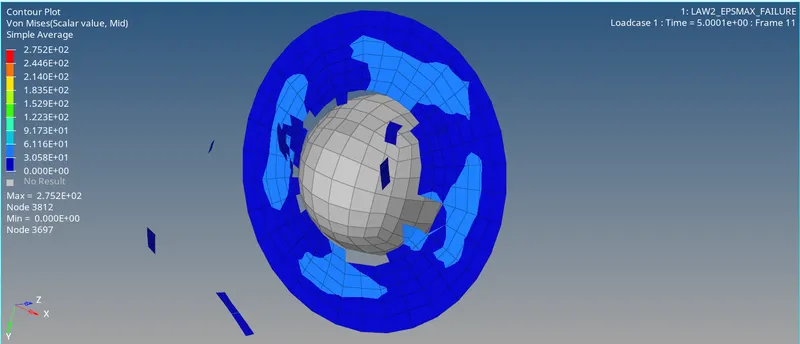
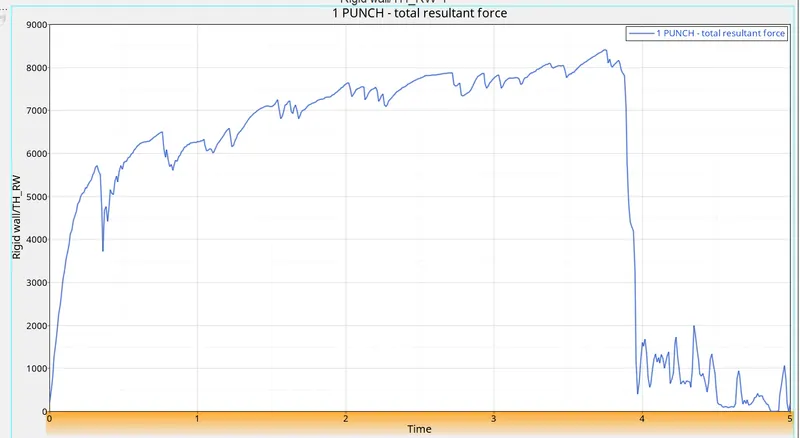
law2_epsmax_failure
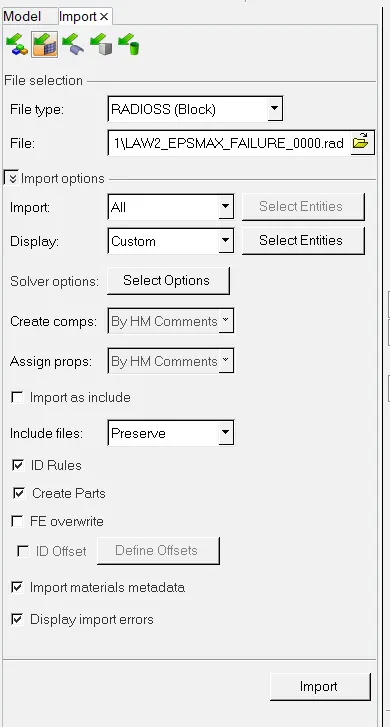
- run the model and name it as law2_epsmax_failure
CASE 2
LAW2_EPSMAX_CRACK
- run the model and change the name as law2_epsmax_crack
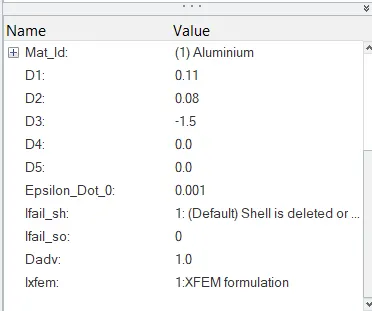
- and change the failures like
- ifail sh = 1
- dadv = 1
- ixfem = 1
CASE 3
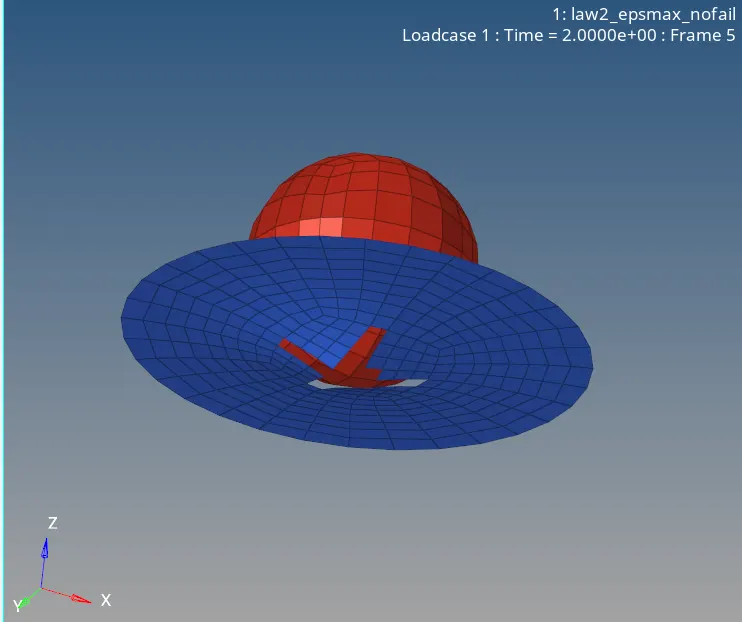
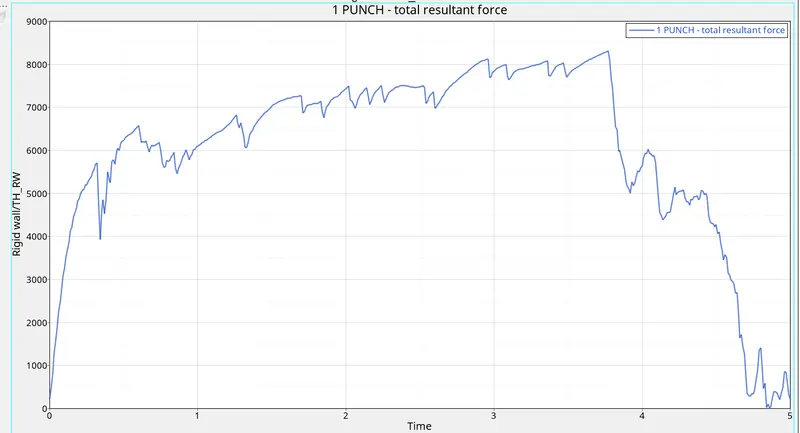
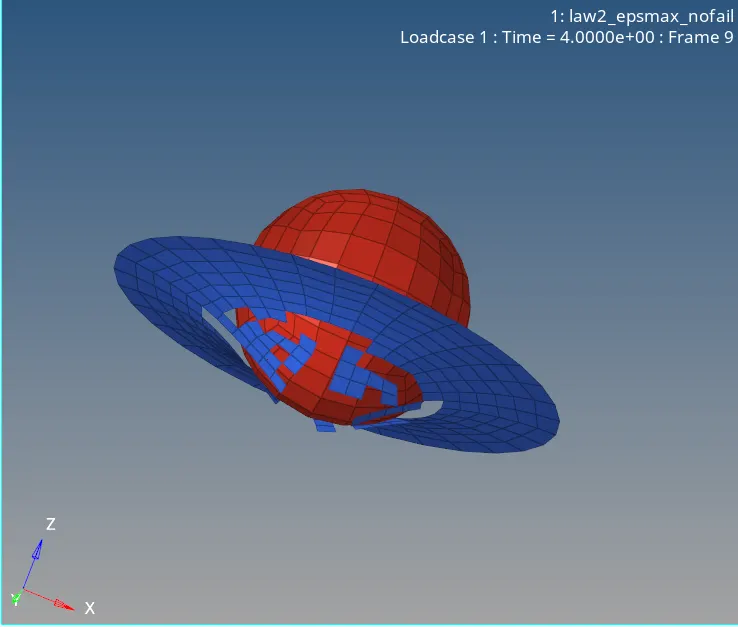
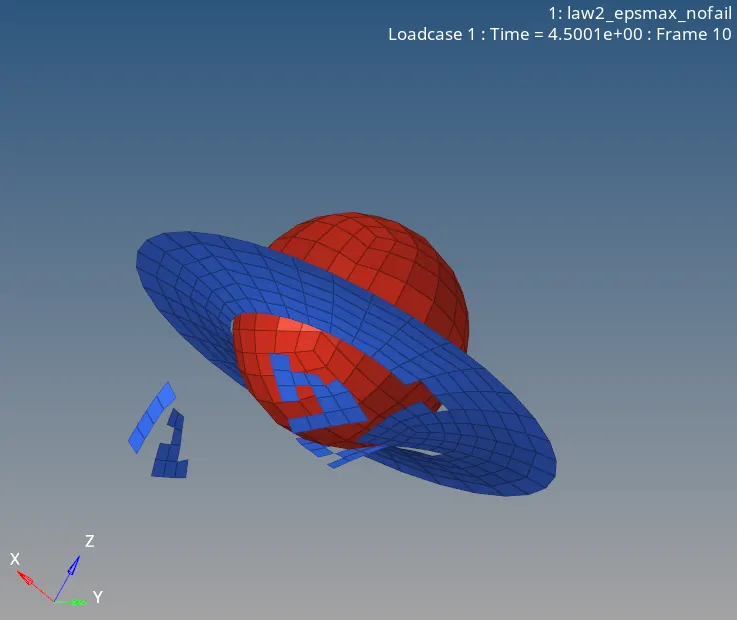
LAW2_EPSMAX_NOFAIL
- in this case we have to dlt the johnson card
- and run the model
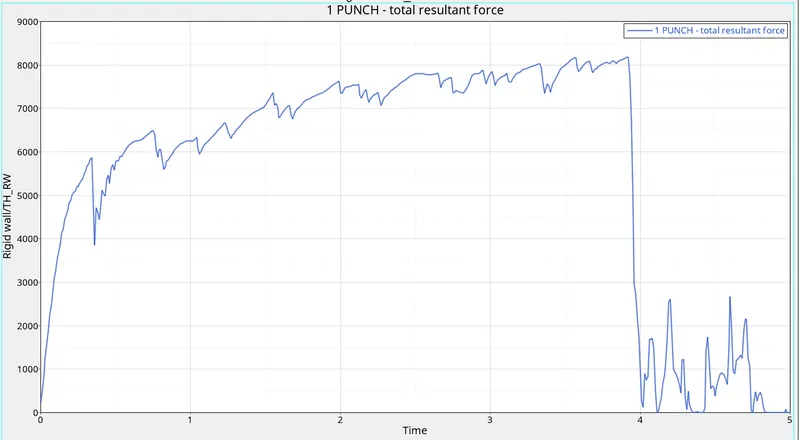
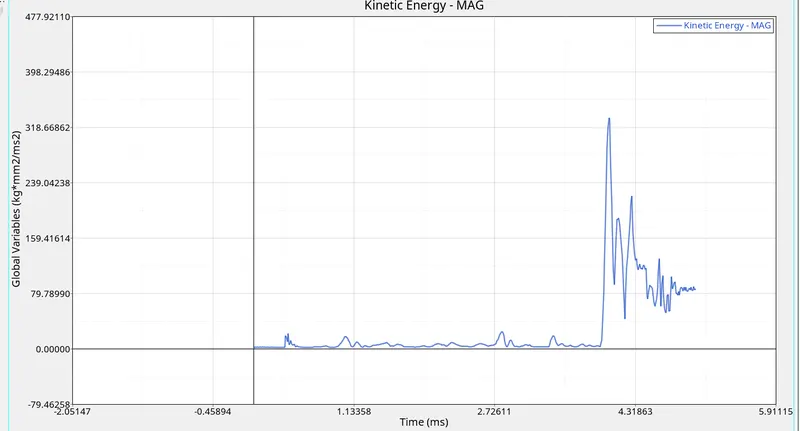
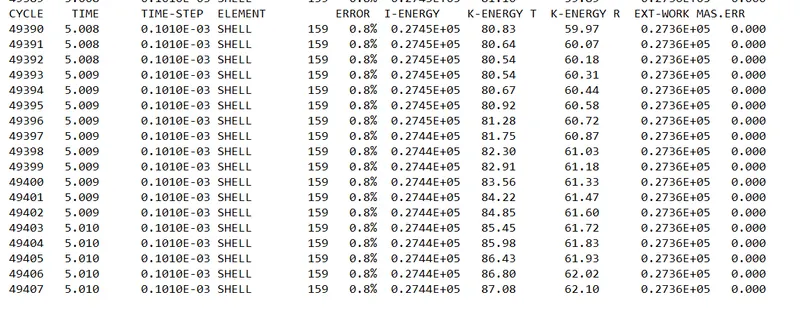
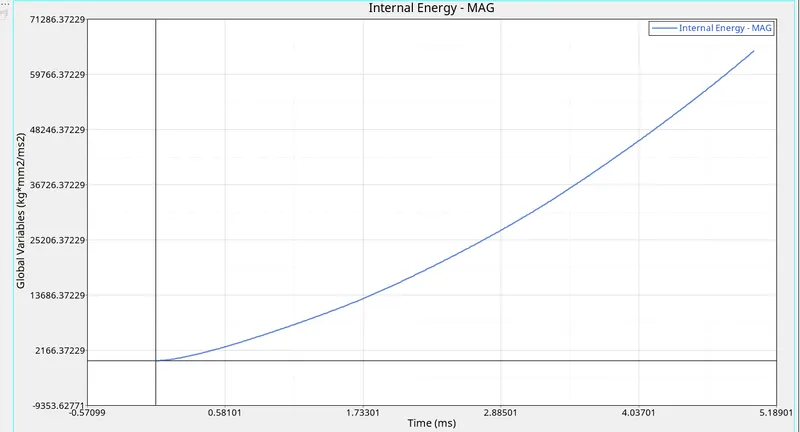
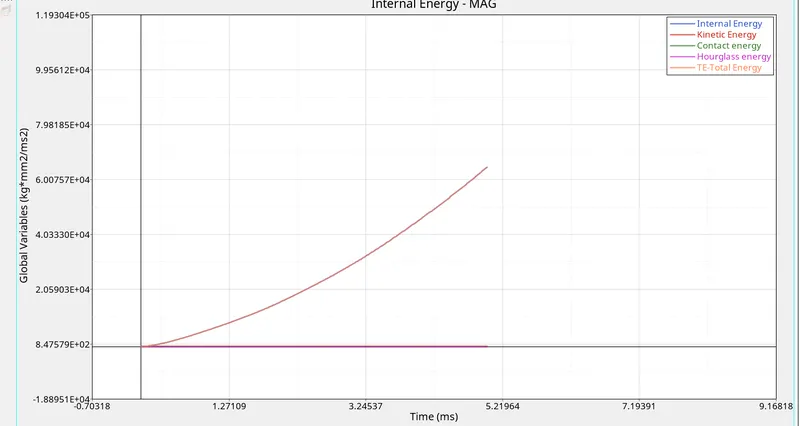
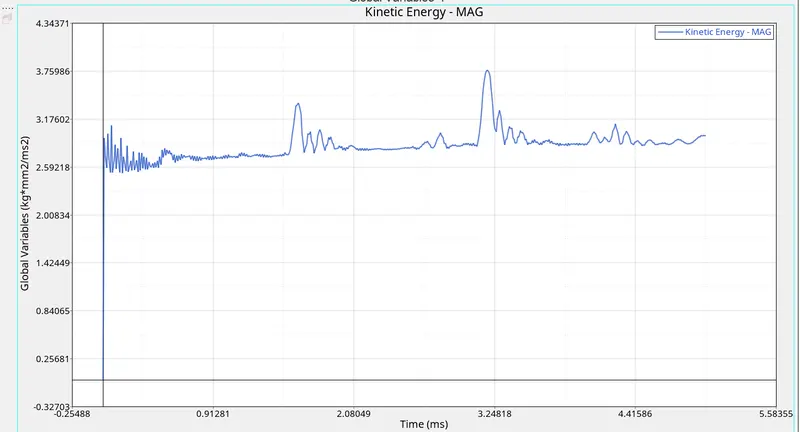
CASE 4
LAW2
- in this case we have to dlt the epsmax value
- and run the model
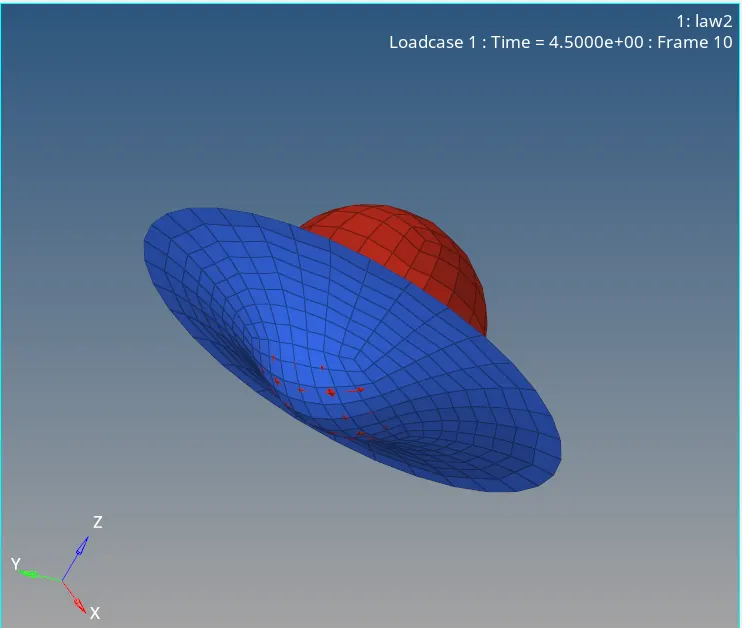
- this time we receive different approach

CASE 5
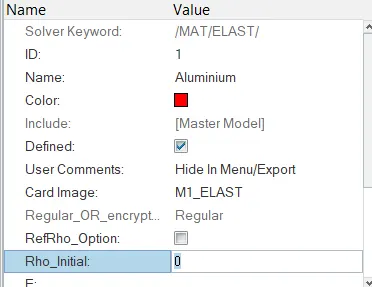
LAW 1
- in this case we convert the material model to law1 elastic
- with same density,E,Nu
- and run the model
CASE 6
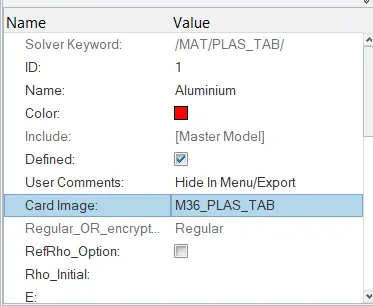
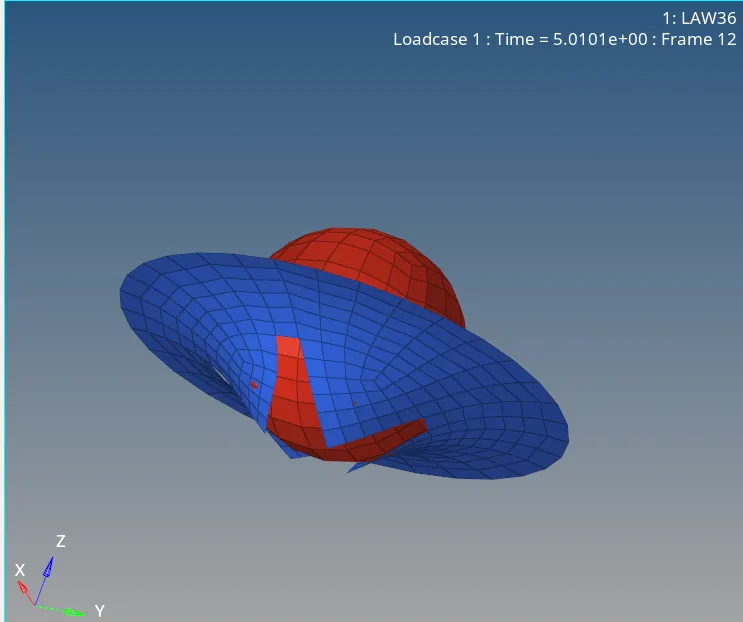
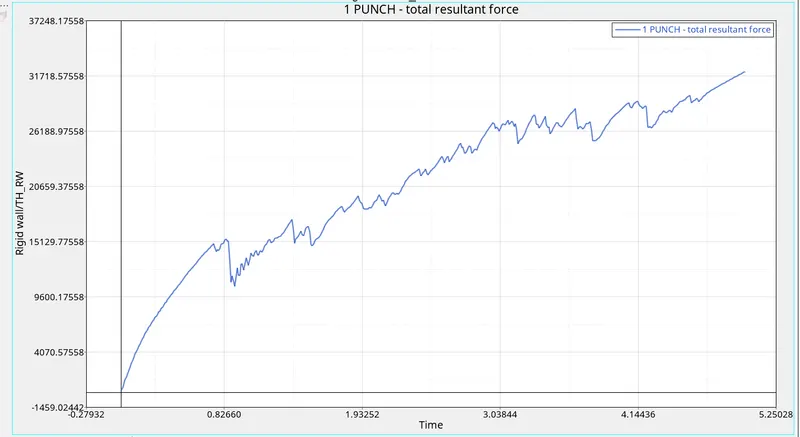
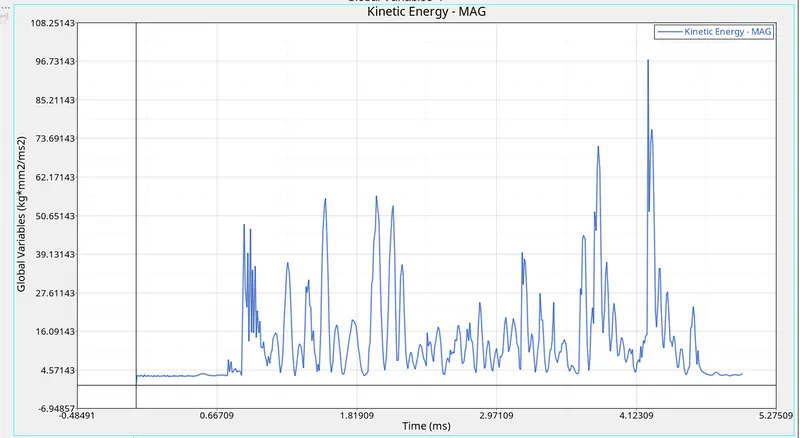
LAW 36
- In this case convert the law36
- so covert the m36 and enroll the same
- and also create the curve as same as video
CASE 7
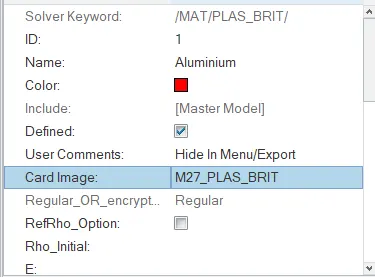
LAW 27
- change the material model to law27
- as usual with same shell properties
- and run the model
RESULT
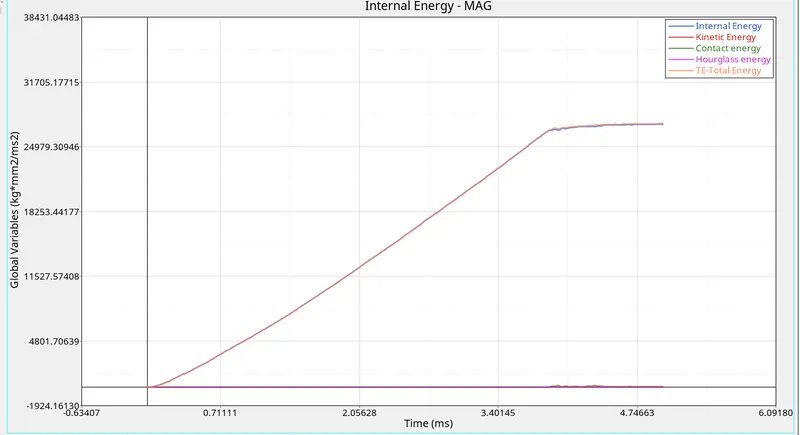
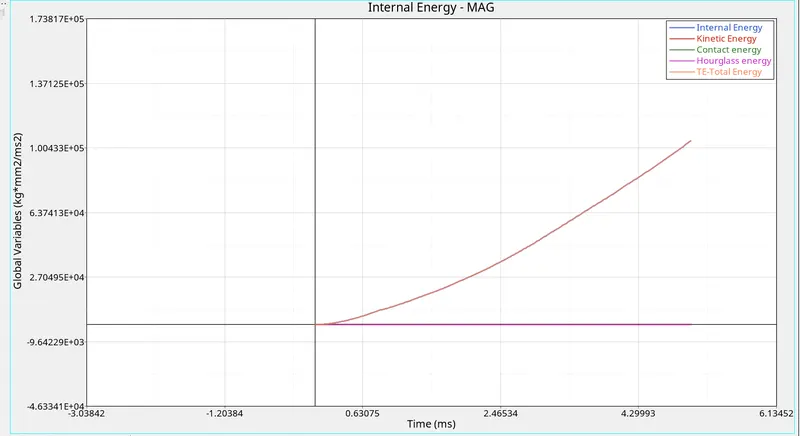
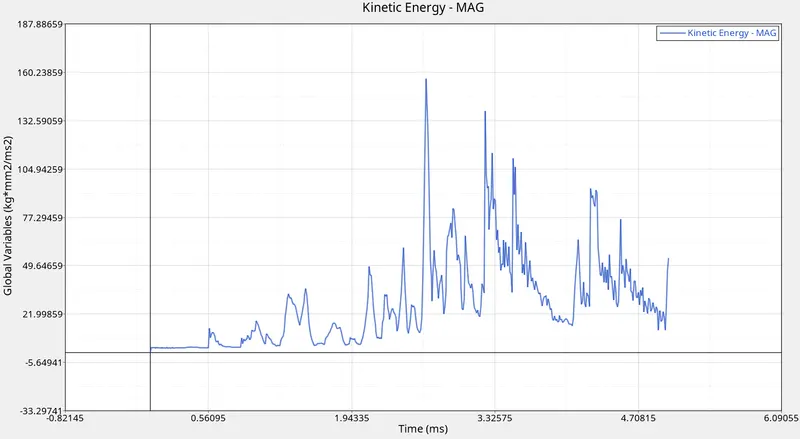
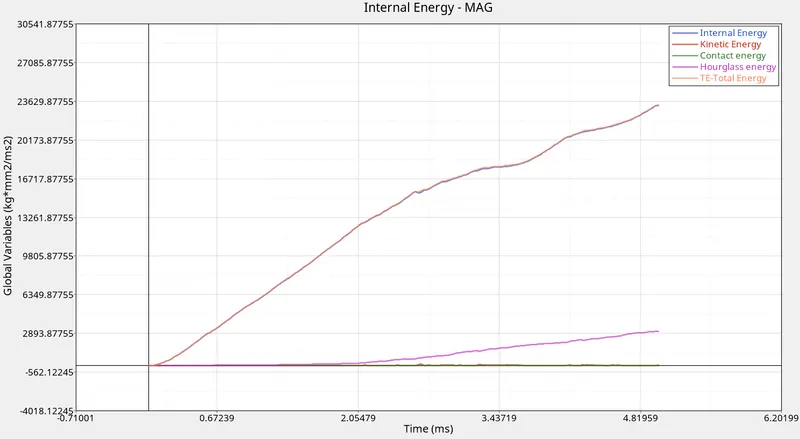
- IN HOURGLASS ENERGY ALL CASES ARE ALMOST ZERO
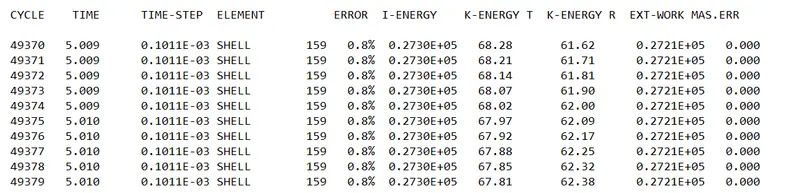
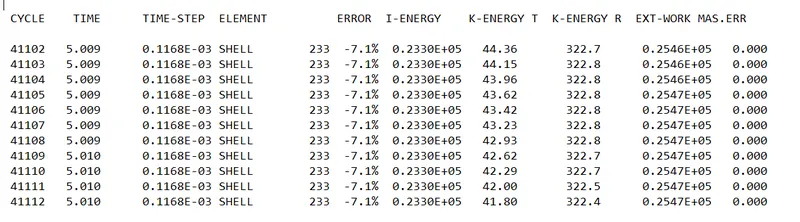
- MASS ERROR AND ENERGY ERROR ALSO WERE LIMITED DUE TO SHELL FORMULATION
- IN CASE4 THE WALL DIDNT BREAK DUE TO EPSMAX HAVING A VALUE 0 AND THEY DONT KNOW THE VALUE OF YIELD POINT
- THAT'S WHY IT DIDNT BREAK
- IN CASE 1 AND CASE6 ARE MORE REALISTIC ON-FIELD SCENARIOS
- CASE 2 WITH ITS CRACK PROPAGATION WOULD BE USEFUL IN SMALL CRACK OBERVATION