Reducing the simulation error
Aim:
To compare the results with normal and suggested shell parameters
Procedure:
- Import the file from the existing location using Hyperworks > User profile RADIOSS > Import Solver Deck
- As given in the questions change the run time and select the animation step between 25 - 60
Given run time = 55ms
Animation step = 40
`cc "Tfreq" = (Time) / (Animation)`
`cc "Tfreq" = (55) / (40) => 1.375` - Change the values as we've solved before
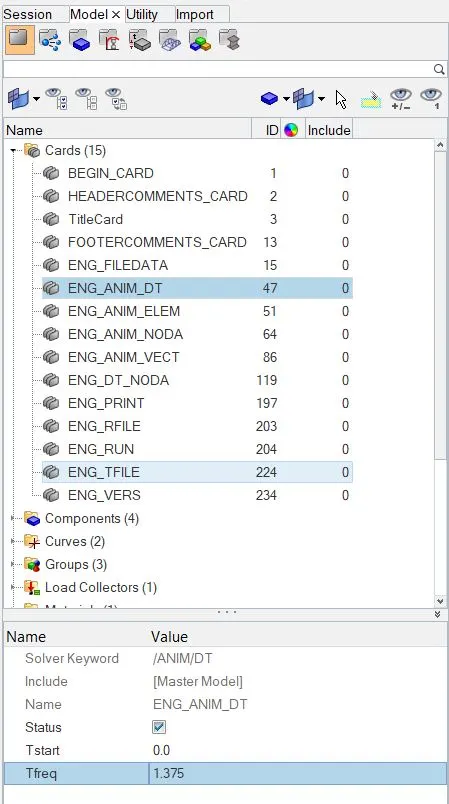
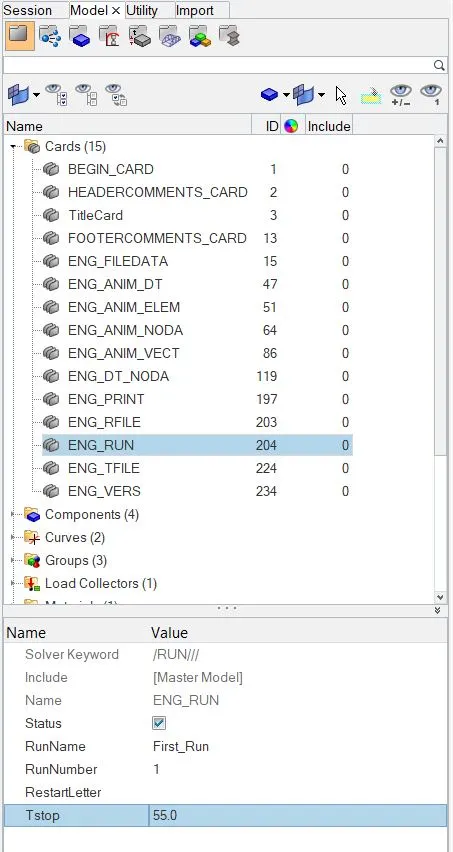
- Open Analysis > RADIOSS > save the existing location > change option as -nh 4 > click Radioss
- Engine simulation file will create on the existing location. Check the energy error, mass error and determine the results whether it is acceptable or not?
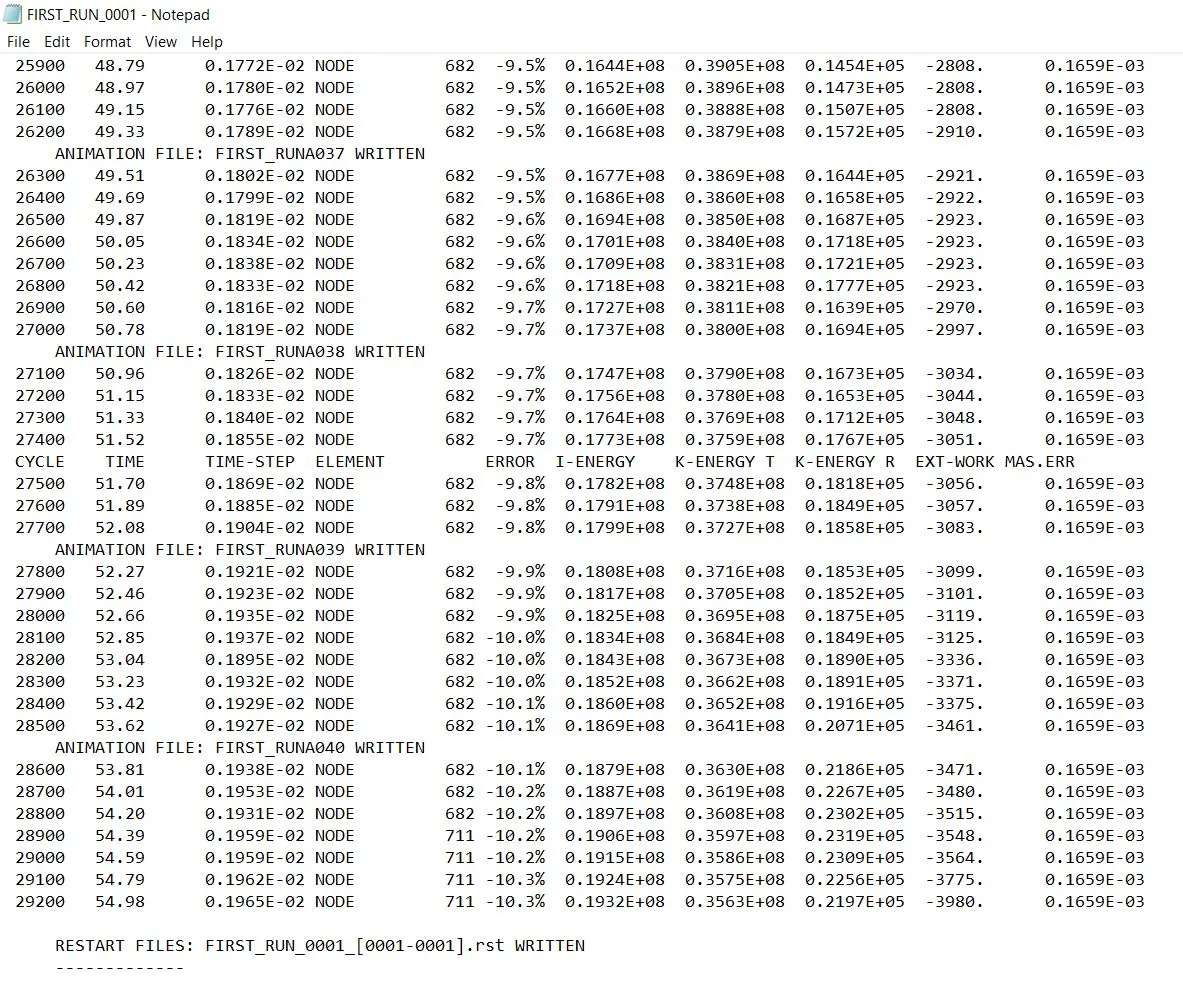
- Ideally, the error should be at most -15%, better to be -5% and closer to 0% the better
- We get the error value at most -10.3%, so apply the given parameters and check the error if it is better or not
- Getting back to the first iteration changes the parameters under both properties Hat section, Close-out panel by editing through the entity Ishell =24 QEPH, Ismstr=2, Ish3n=2, N=5, Ithick=1, Iplas=1
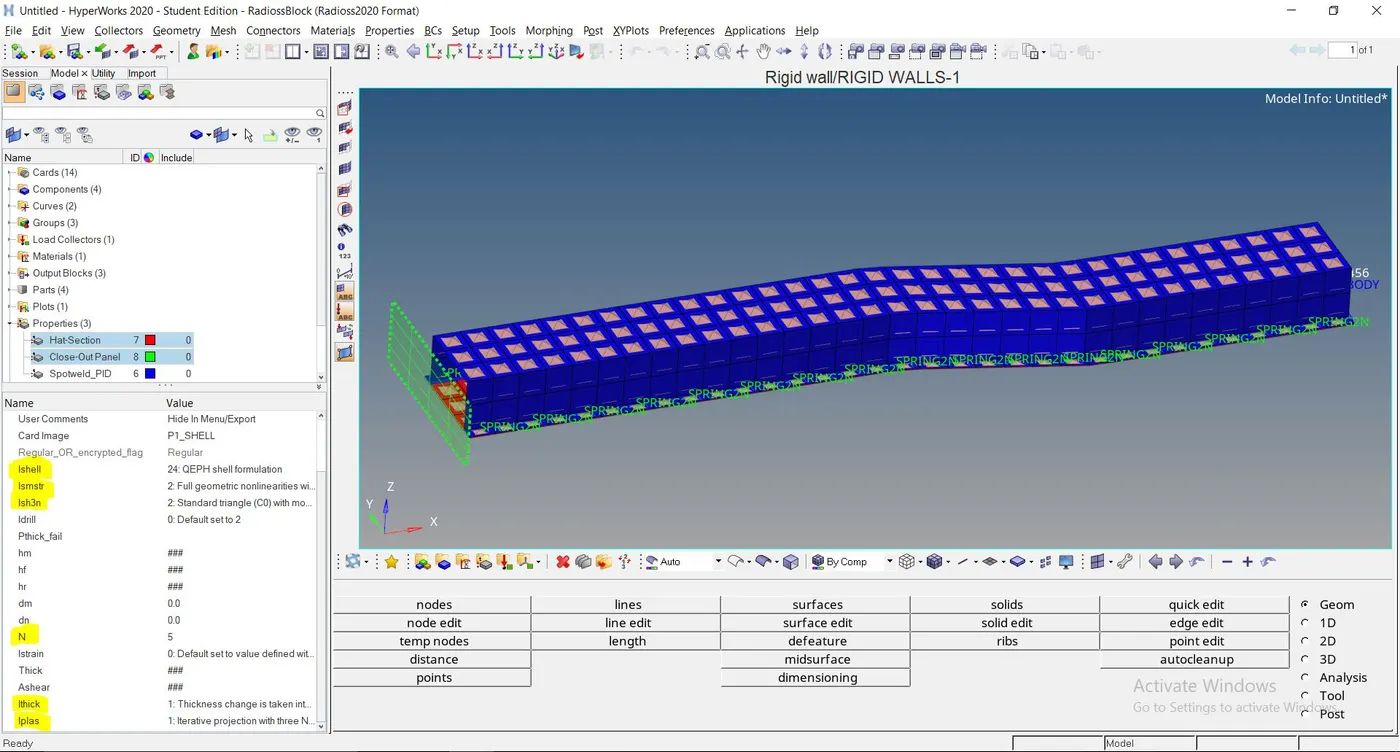
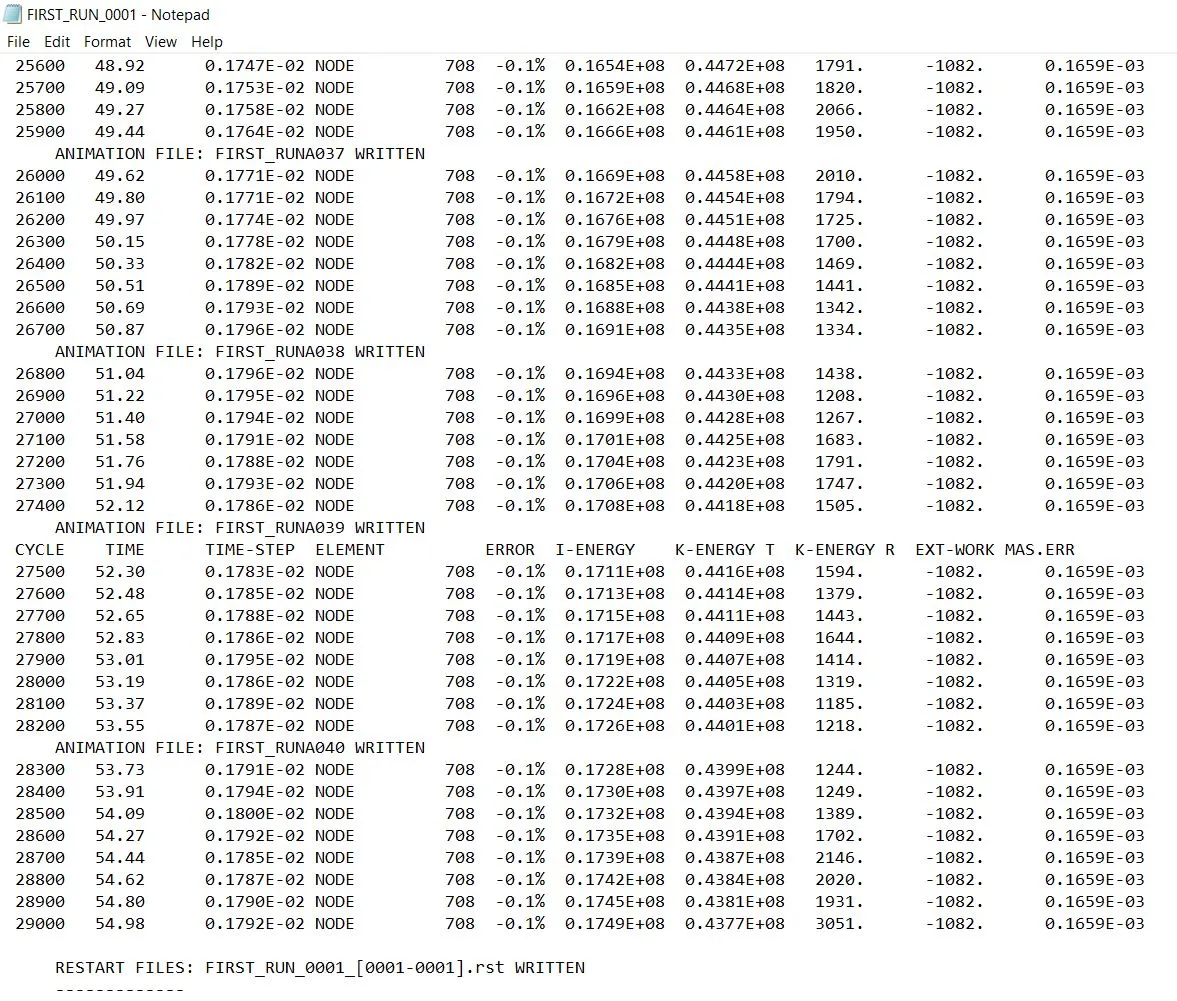
- By checking the error it results at -0.1% better than the previous one, as the element is kept at Qeph the hourglass energy is dissipated at this process.
Comparison:
- Comparing the Hypergraph 2D with and without considering the given parameters
RIGIDBODY
WITHOUT PARAMETERS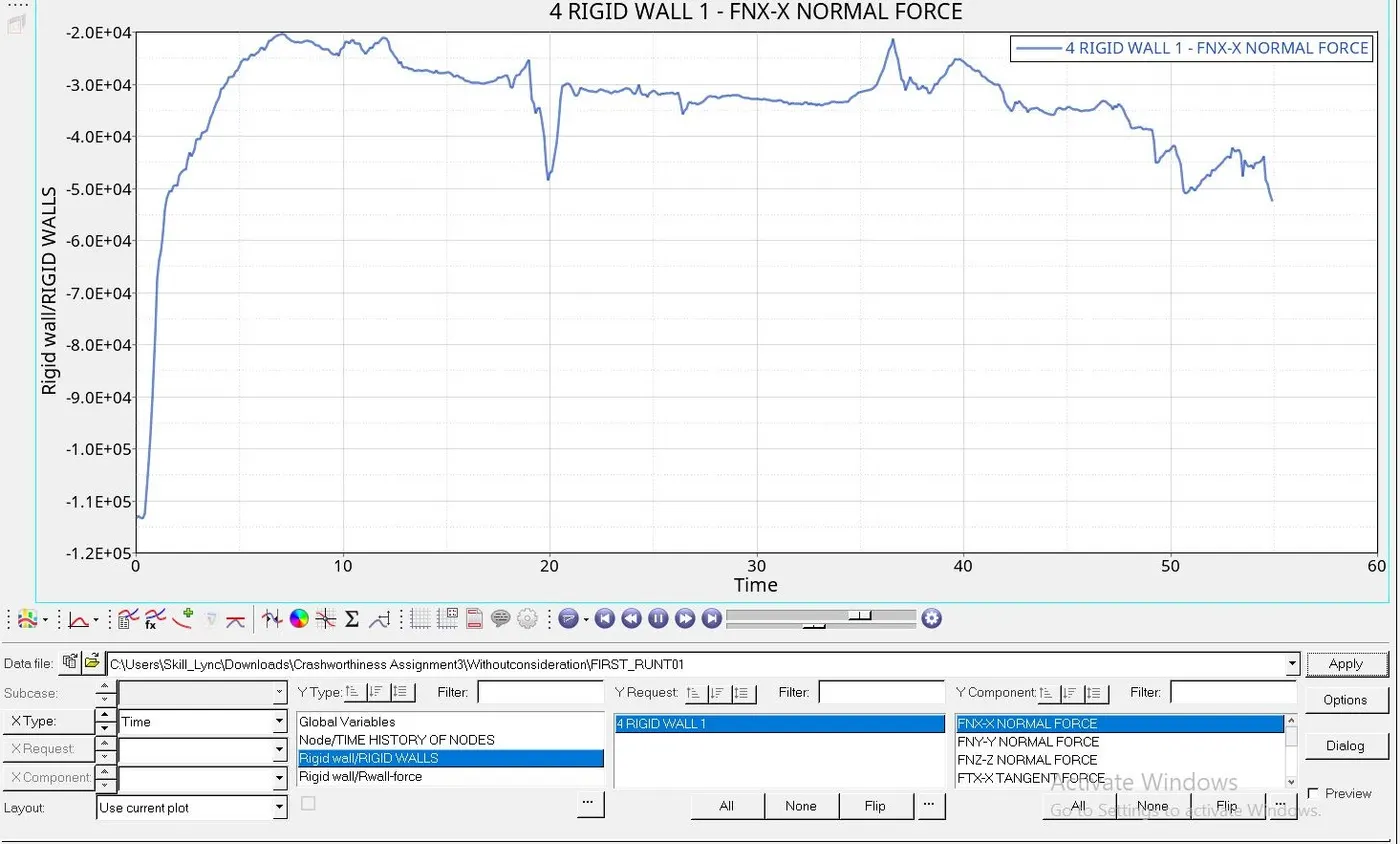
WITH PARAMETERS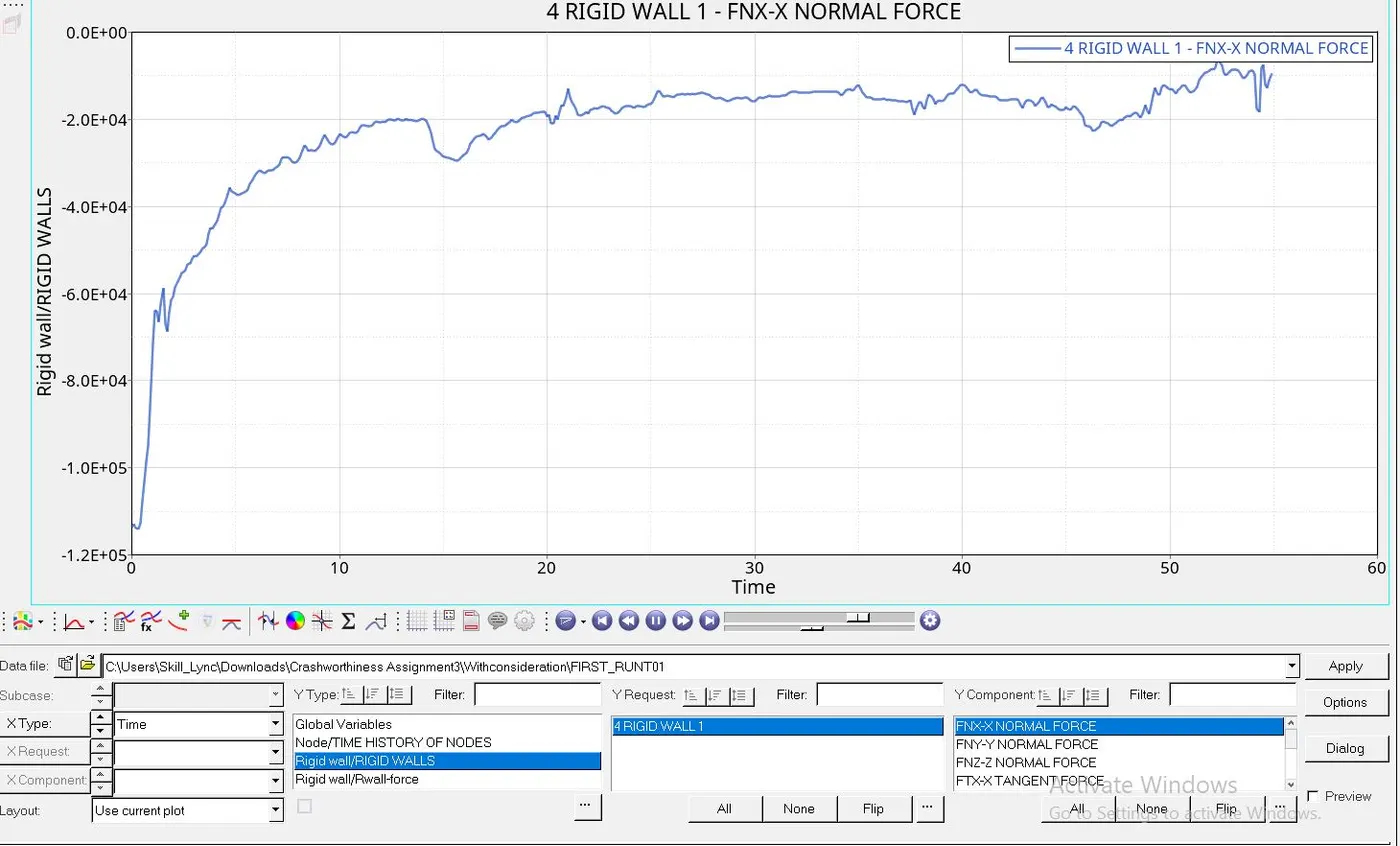
ENERGIES
WITHOUT PARAMETERS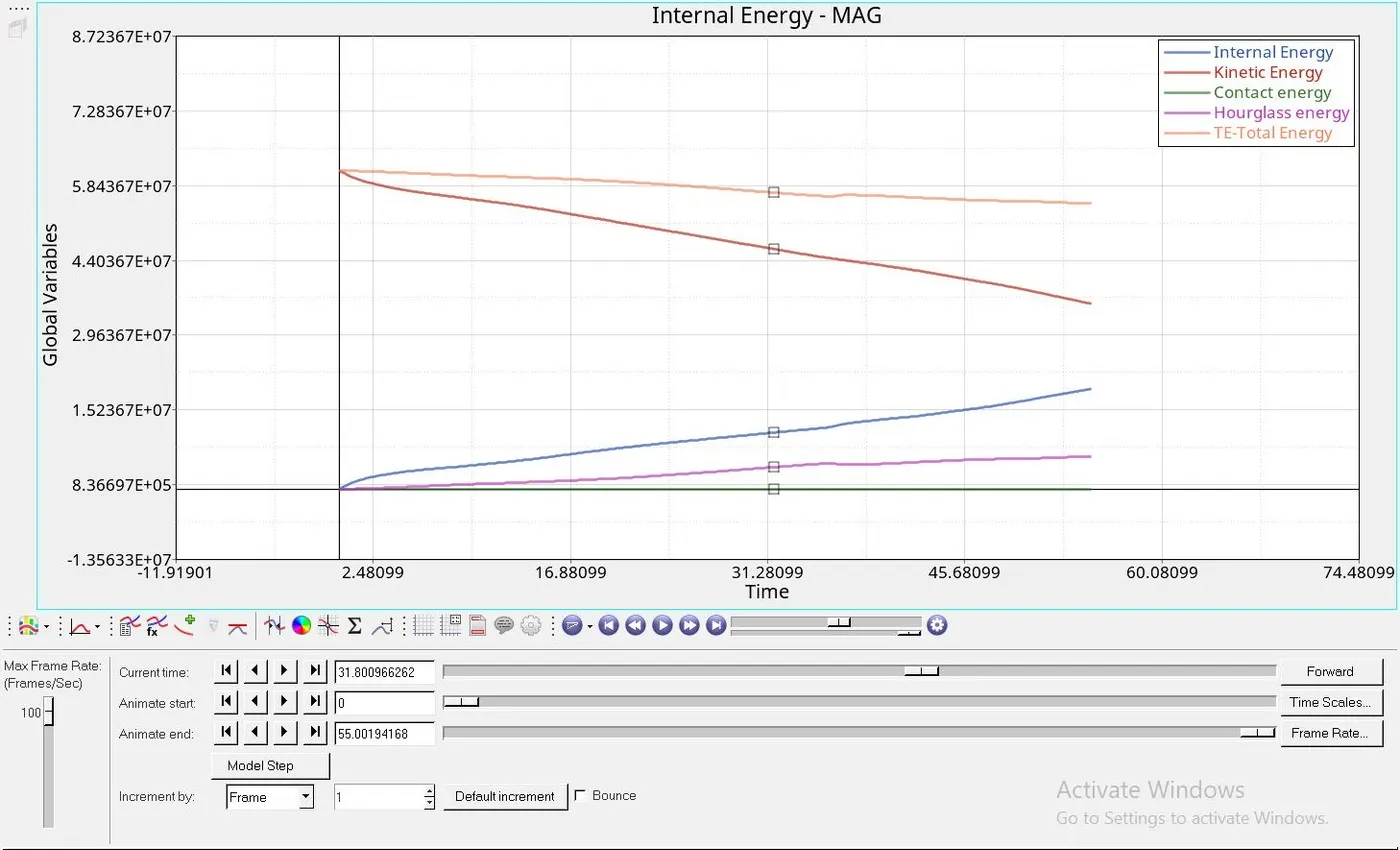
WITH PARAMETERS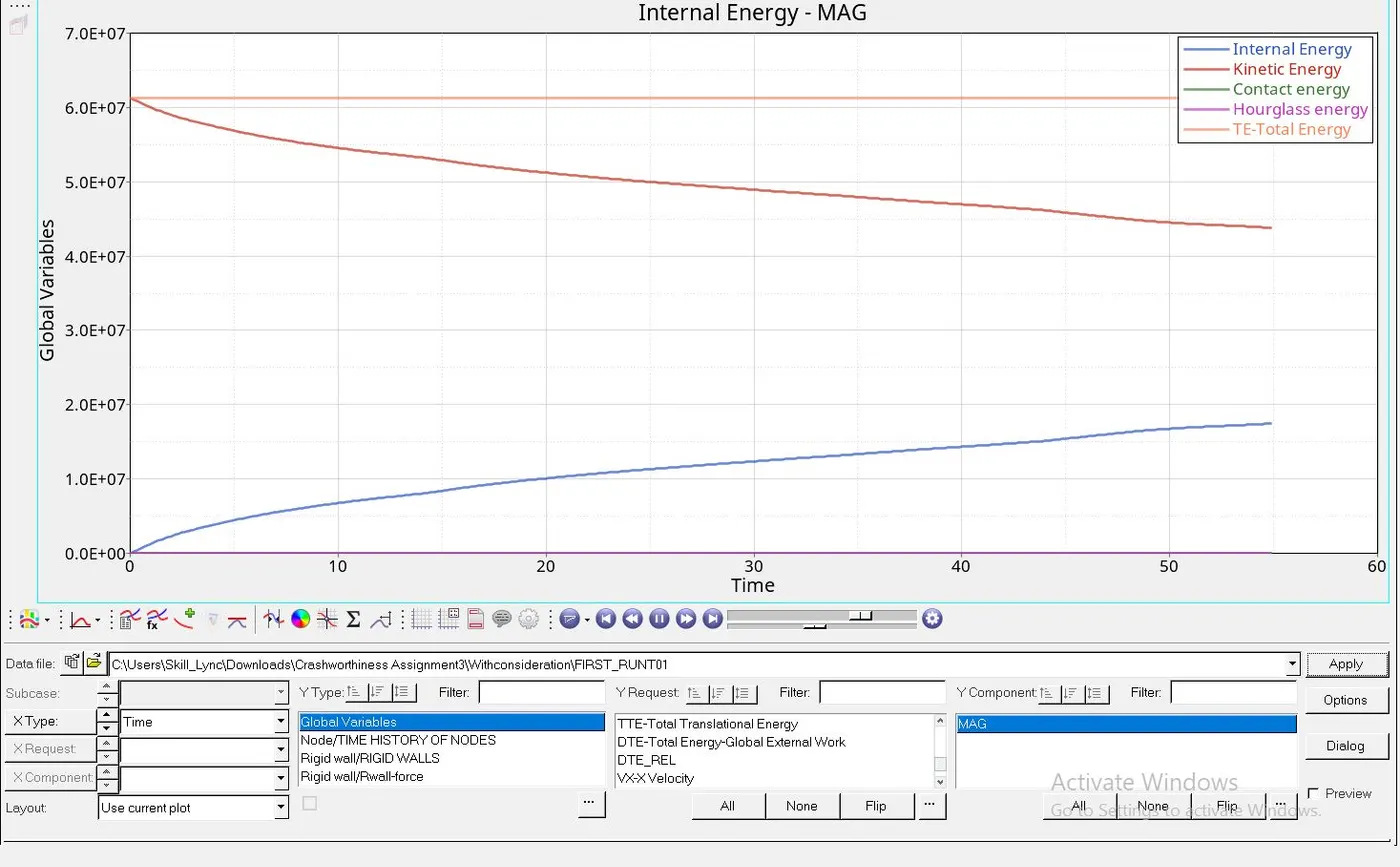
- The first graph represents using the Q4 element the hourglass energy exceeds upward and the total energy react accordingly
- By using Qeph the hourglass energy is restricted by the stiffness of the element and it doesn't have any changes in total energy
CONTOUR PLOT
WITHOUT PARAMETERS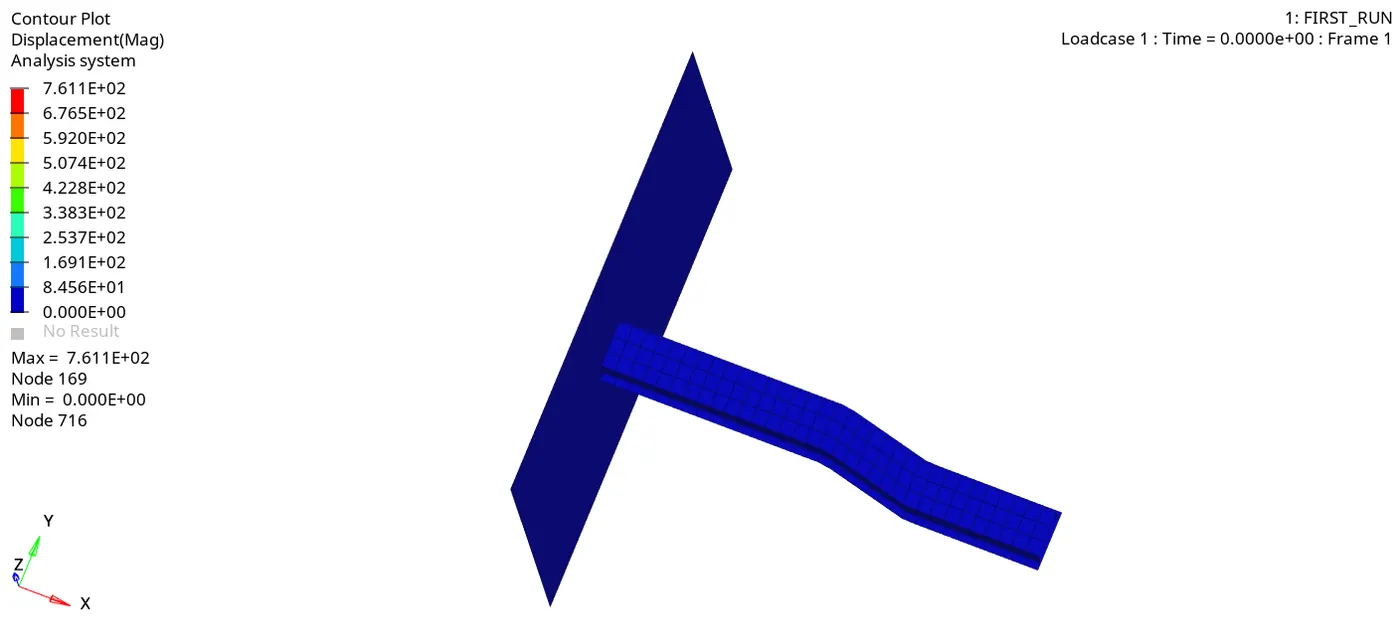
WITH PARAMETERS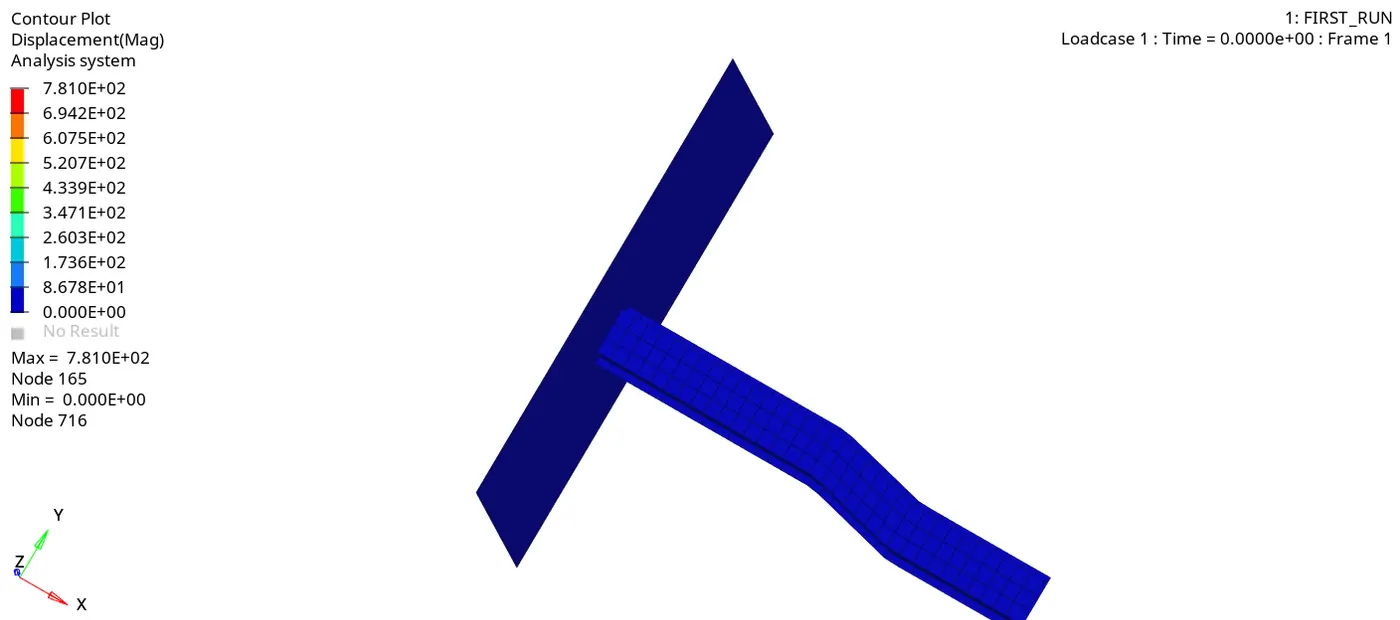
- Comparing both these plots the Qeph element results with no Hourglass energy and the computational is perfect
Conclusion:
Understood the formulation between Q4 and Qeph element
Understood how to reduce error in the simulation file