DussehraFestive scholarship on Skill-Lync courses, this week onlyFestive scholarship is openOffer ends Wed, 21 Oct, 11:59 pm IST.

Dussehra 2026

Start your next chapter this Dussehra

Tell us where you want to work. A counsellor will match you to the right course and confirm the festive scholarship you qualify for.

  • Festive scholarship on course fees, confirmed on your call
  • Free 20-minute call to map the right course to your goal
  • Real industry projects and placement support with every course

Offer ends Wed, 21 Oct, 11:59 pm IST

3,905 engineers placed since 2019 · 1,277 hiring companies

By submitting you agree to our Terms and Privacy Policy.

You're on the list

Browse courses
Civil · Course

Civil Engineering Fundamentals Module

Learn about fundamental civil engineering concepts, and the different materials used in construction.

Duration
8 weeks
Content
11 hours
Projects
2
Mode
Online
Overview

What you'll
be able to do.

Civil engineers plan, design, construct, and maintain structures such as buildings, bridges, highways, tunnels, and more. Each component goes through specific design considerations that focus on optimizing the strength and support it provides to the overall building. There are different materials used in the construction of buildings, each having their own unique properties that make them suitable for different applications. To improve the overall strength and safety of the building, civil engineers test the structural integrity of different materials and components. This course on civil engineering fundamentals will cover these design considerations, and the different materials and components used in construction.

By taking this course, learners will...

  • Understand the different types of building materials/components, load calculations, concrete types and mix designs in accordance with industry standards and codes.
  • Get exposed to the modern and rising trend in the use of prefabricated structures.
  • Gain an established understanding of civil engineering concepts needed to advance their career or higher education in the field.
  • Complete challenges and projects designed by experts according to industry specifications that require practical application of the concepts learned throughout the course.

Who can enroll in this course?

Learners with a background in civil engineering can take this course.

Curriculum

8 modules,
built with industry.

  1. 01Civil Engineering Fundamentals Module8 modules
    1. Introduction to Building MaterialsW01

      There are a wide range of natural and synthetic materials used in the construction of buildings. Each material has its own unique properties, applications, and costs. It is important to understand the different building materials, and their applications.

      This week will cover

      • Different Building Materials (Sand, bricks, concrete blocks, aerocon blocks, hollow concrete blocks, grass, reinforcement bars, timber/wood, structural steel)
      • Aggregates
        • Properties of aggregates
        • Test on aggregates
      • Cement
        • Grades of Cement
        • Physical properties of cement
        • Types of cement
      • Admixtures
        • Functions of admixtures
        • Types and selection of admixtures
    2. Introduction to ConcreteW02

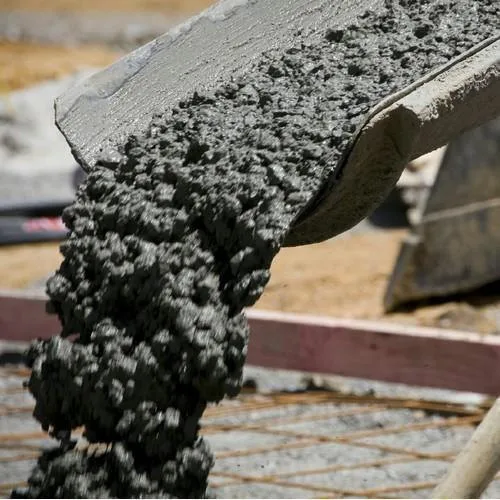
      Concrete is the most predominant building material used worldwide. It is a composite material made of fine and coarse aggregate, binding material like cement, water, and sometimes admixture. There are different types and grades of concrete distinguished by their strength, composition, and application. It is important to understand the basics of concrete, its properties, and different types, as well as the tests used to understand its properties.

      This week will cover

      • Types of concrete
      • Grades of concrete
      • Advantages and disadvantages of concrete
      • Tests for concrete
      • Popular nondestructive testing (NDT) for concrete
    3. Concrete Mix DesignW03

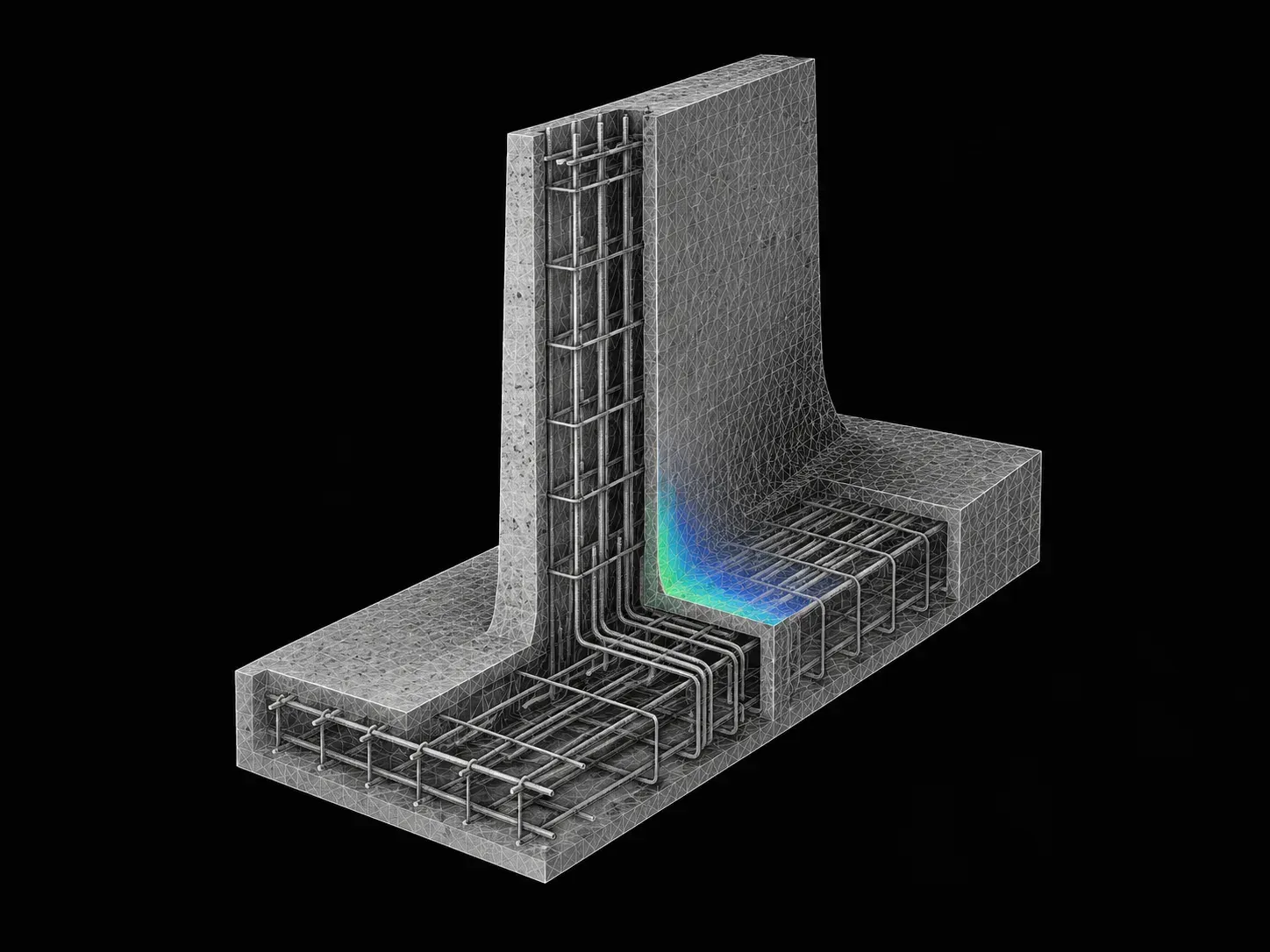
      Concrete mix design involves identifying the optimal proportion of aggregate, binding material, and water for the desired strength and application. When making a concrete mix, there are a series of factors that need to be considered. It is important to understand the different mixes and their proportions, as well as the factors that need to be considered when designing a mix.

      This week will cover

      • Types of mixes
      • Requirements
      • Mix proportion designation
      • Factors affecting mix proportion
      • Factors to be considered for mix proportion
      • Mix ratio for different grades
      • Calculation of water cement ratio for mix design
      • Concrete mix design
    4. Mixing, Batching, & Transportation of ConcreteW04

      Handling concrete involves batching, mixing, and transporting it. Batching entails determining the proportions of different ingredients in concrete by mass or volume, after which they will be mixed together in a mixer. Once this is done, the concrete will be transported to the site it is needed. It is important to understand the different steps involved in the handling of concrete.

      This week will cover

      • Mixing
      • Batching of concrete
      • Transportation of concrete
      • Ready mix concrete (RMC)
    5. Introduction to Structural elements and Formwork procedure- Footing, Beams and ColumnsW05
      • Special Concrete
      • Types of special concrete
      • Step by step by construction sequence
      • Building components - Beam and column
    6. Introduction to different types of Slabs and Prefabricated SystemW06
      • Slabs
      • Types of slabs
      • Prefabricated structures
      • Types of prefabricated structures
    7. Calculation of Dead Load, Live Load and Wind LoadW07
      • Loads on a building
      • Dead load calculation
      • Live load calculation
      • Step by step procedure for wind load and seismic calculation
    8. Bar Bending ScheduleW08
      • Bar bending schedule
      • Vaastu shastra
Industry projects

2 projects
you'll ship.

Our projects are designed by experts in the industry to reflect industry standards. By working through our projects, Learners will gain a practical understanding of what they will take on at a larger-scale in the industry. In total, there are 2 Projects that are available in this program.

Calculation of Concrete Mix Design with and without Fly Ash for Both M35 and M50 Grade Concrete

Calculation of Concrete Mix Design with and without Fly Ash for Both M35 and M50 Grade Concrete

Learners are required to calculate the concrete mix design for M35 and M50 grades of concrete with and without fly ash. Mix design has to be performed in accordance with the standa…

Sketching a G+1 Residential Plan according to Vaastu Shastra and Calculation of Basic Loads

Sketching a G+1 Residential Plan according to Vaastu Shastra and Calculation of Basic Loads

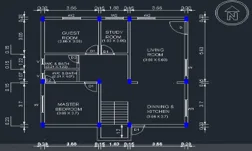
Learners are required to design and sketch a residential plan according to Vaastu Shastra. They will also have to calculate the different combinations of loads (dead load, live loa…

Fee

One fee.
Everything included.

Become job ready with our comprehensive industry focused curriculum for freshers & early career professionals

Premium
₹40,000
Inclusive of all charges
  • 1 Year Access
  • Personalized Page
  • Live Individual & Group Sessions
  • Personalized & Hands-On
  • Job-Oriented Industry Relevant Curriculum
Check eligibility →
FAQ

Questions,
answered.

What is the duration of these online certification courses?

The duration of these online certification courses is one month. 

Which is the best platform to enroll for these certification courses?

Skill-Lync is the best platform to pursue these civil engineering courses. 

Can I get this course free of cost?

No, you need to pay the registration fees to enroll in these certification courses. 

Will I get a demo before registration?

Yes, you can get a demo session before paying the registration fees. 

Who can apply for these online certification courses?

Any civil or structural engineering student can enroll in these online courses. 

Will I get a certificate after completing this course

Yes, you are entitled to get a certificate upon course completion. 

Do I get any projects or assignments in this course?

Yes, there are industry-specific projects. 

Next step

Not sure it's
the right fit?

A counsellor will walk you through the syllabus, projects and fee options — and tell you honestly if another course suits you better.

Get the syllabus + a call back

We'll email the full syllabus and call within one working day.

By submitting you agree to our Terms and Privacy Policy.

Call usEnquire

Talk to a career counsellor

Free 20-minute call. We'll map the right course to where you want to work.

By submitting you agree to our Terms and Privacy Policy.