Top 5 Job Roles in Electric Vehicle Design
Explore the top five job roles in electric vehicle design, including system modeling, hardware, and motor design. Discover essential skills, key tools, and leading employers for each role to kickstart your EV engineering career in this high-growth field.
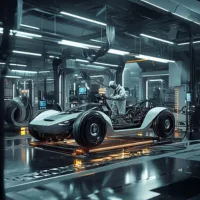
As the global shift towards Electric Vehicles (EVs) accelerates, so does the demand for skilled professionals in electric vehicle design. This rapidly growing field offers numerous opportunities for engineers, with roles that focus on system design, hardware development, and motor optimization, among others. India alone is projected to create over 10 million jobs in the EV industry by 2030, making it one of the most promising fields for future engineers. Let’s explore the top five job roles in electric vehicle design, essential skills for each role, and how you can prepare for a career in this rewarding domain.
1. System Modeling and Simulation Engineer
Overview:
As a System Modeling and Simulation Engineer, your role is to simulate and analyze the electric vehicle’s systems to optimize performance and range. Key skills include understanding signals and systems, electrical machine operations, and power converters.
Required Skills:
- Foundational Knowledge: Basics of signals and systems, electrical machine operation, and power converters.
- Professional Tools: Proficiency in simulation tools like MATLAB and Simulink is advantageous.
- Practical Experience: Projects involving modeling and simulation for range estimation and performance analysis will set you apart.
2. Hardware Design Engineer
Overview:
Hardware Design Engineers design critical circuits and power converters for electric vehicles. This role requires expertise in circuit analysis and the ability to design and simulate circuits for automotive applications.
Required Skills:
- Foundational Knowledge: Basics of circuit analysis and control systems for power converter design.
- Professional Tools: Familiarity with circuit simulation software like LTSpice, Simulink, and PLECS.
- Hands-On Projects: Projects like designing DC-DC converters for automotive applications and AC-DC converters for battery charging will be beneficial.
3. PCB Design Engineer
Overview:
PCB Design Engineers develop and lay out printed circuit boards (PCBs) for EV components. Knowledge of circuit schematics, component layouts, and PCB design tools is essential for success in this role.
Required Skills:
- Technical Knowledge: Circuit diagrams, electronic schematics, and layouts.
- Professional Tools: Familiarity with PCB design software like Altium Designer.
- Project Experience: Relevant projects include managing Bill of Materials (BOM), layout considerations for power components, and ensuring EMI/EMC compliance.
4. Motor Design Engineer
Overview:
Motor Design Engineers focus on designing motors optimized for EVs, emphasizing electromagnetics and electric motor operations. The primary goal is to develop efficient and cost-effective motors to meet design specifications.
Required Skills:
- Foundational Knowledge: Electromagnetics and electric motor operations.
- Professional Tools: Experience with motor design software like Ansys Maxwell.
- Project Experience: Involvement in projects related to the design and optimization of traction motors for cost and performance.
5. BMS Application Engineer
Overview:
A BMS (Battery Management System) Application Engineer focuses on managing and improving battery systems in EVs. This role requires knowledge of battery performance, construction, and battery management algorithms.
Required Skills:
- Technical Knowledge: Fundamentals of battery performance and construction.
- Professional Tools: Familiarity with MATLAB and Simulink for battery modeling.
- Relevant Projects: Projects like battery management system modeling and testing algorithms for over-voltage, under-voltage, and short circuit conditions.
Getting Started with Skill Development
To succeed in electric vehicle design, hands-on experience and specialized skills are crucial. Electric vehicle design continues to grow rapidly, presenting immense opportunities for engineers.
By pursuing the right training and gaining project experience, you can secure a place in this exciting industry. If you’re ready to embark on a career in EV design, consider enrolling in courses that build the skills needed to thrive in this field.
Stay tuned for more insights.
Skill-Lync offers a wide range of industry-relevant upskilling programs to get you career-ready. Click here to sign up for a FREE course demo right away, and let's launch your career together!


