The Science Behind Hydro Elastic Suspension Systems
Learn how hydro elastic suspension systems improve vehicle stability and comfort with fluid-based technology. This blog explores how the system works, its key components, and its advantages over traditional suspension methods for a smoother ride and better performance.
Suspension systems play a crucial role in the comfort, stability, and overall performance of vehicles. As automotive technology has evolved, so have the methods used to ensure smoother rides and better handling. One innovative approach that stands out is the hydro elastic suspension system, a unique technology that offers a fluid-based solution to enhance vehicle stability and comfort.
In this blog, we will explore how this suspension system works, its key components, and the advantages it offers over traditional methods. Whether you're an automotive enthusiast or simply curious about how cars provide such a smooth ride, this exploration of hydro elastic suspension systems will give you insight into the engineering behind a better driving experience.
What Is Hydro Elastic Suspension?
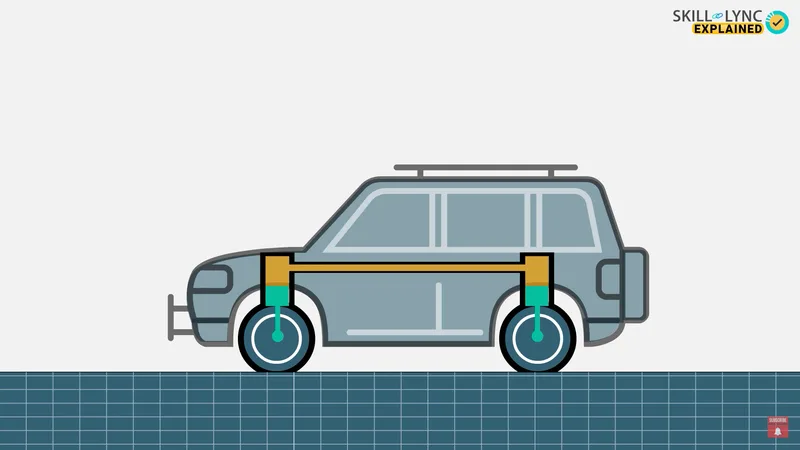
In a hydro elastic suspension system, a rubber displacer unit is installed between the vehicle's frame and the suspension linkage. These displacers are connected by pipes on both the front and rear ends of the car. The system is pressurized with hydro elastic suspension fluid, usually an anti-freeze liquid, to help absorb road shocks. The fluid movement between the front and rear wheels helps to even out the car's response to road irregularities, ensuring a smoother ride.
The displacer consists of the following components:
- A rubber spring
- A metal separating member that houses a rubber damper valve
- A rubber diaphragm attached to the suspension link
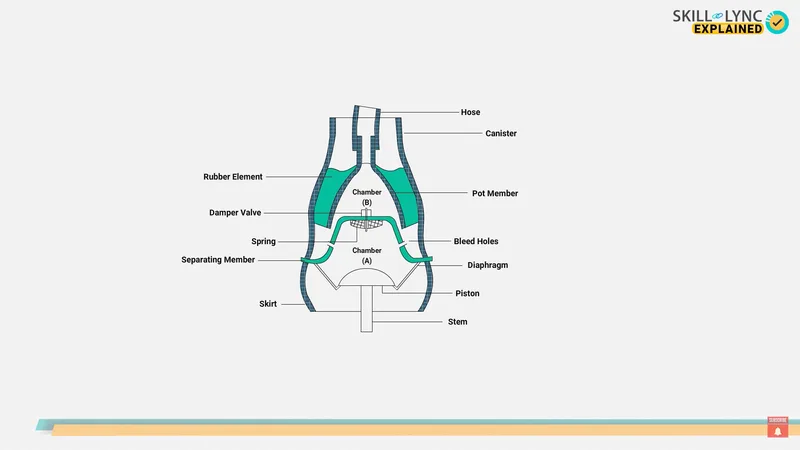
This entire setup works together to maintain vehicle stability and reduce excessive oscillation caused by rough road conditions or cornering forces.
How Does Hydro Elastic Suspension Work?
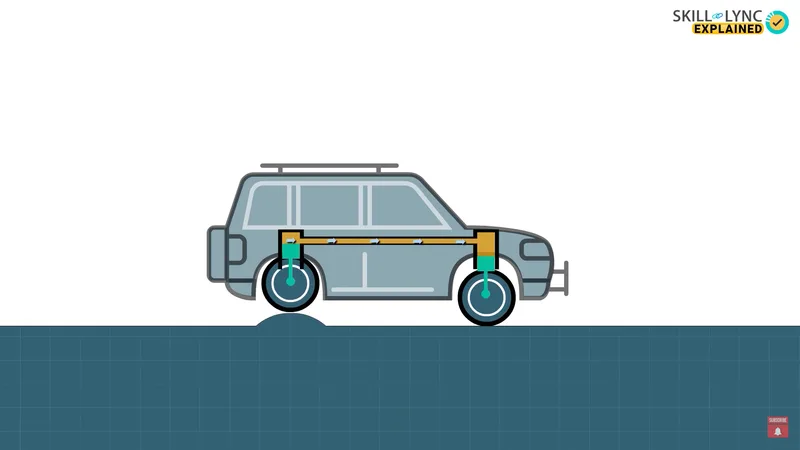
To understand the operation of the hydro elastic suspension pump system, let’s imagine a car traveling over an uneven road surface. When the front wheels experience a sudden upward movement due to a bump, the fluid inside the rubber displacer unit moves through the pipes to the rear unit. This movement pushes the rear diaphragm downward, helping to level the car and reduce pitching. The same process occurs in reverse when the rear wheels encounter a bump.
As the wheels return to normal position, the car stabilizes, avoiding excessive oscillation that can lead to an uncomfortable ride.
Hydro Elastic Suspension and Cornering
Cornering often causes vehicles to tilt due to centrifugal forces. In conventional suspension systems, this tilt is quite noticeable. However, with hydro elastic suspension, equal amounts of fluid flow to both the front and rear ends of the car, which provides equal pressure to each side. This balanced pressure increases the stiffness of the springs, minimizing the tilting effect during cornering and ensuring better stability.
Bouncing and the Hydro Elastic Suspension System
Another major advantage of the hydro elastic suspension system is its ability to handle bouncing. When all four wheels experience deflection, the fluid within the suspension system resists the movement. This resistance provides a stiffer ride and reduces the pitching motion that would typically occur in such situations. As a result, the hydro elastic system helps deliver a much smoother driving experience.
Conclusion
The hydro elastic suspension system is an innovative approach to vehicle suspension, designed to minimize the discomfort caused by road irregularities and cornering forces. By utilizing hydro elastic suspension fluid and a series of rubber displacer units, this system offers superior stability, smoothness, and resistance to pitching compared to conventional suspension systems.
Stay tuned for more informative content. Until then, happy reading, and we’ll see you in the next one! Bye!
Skill-Lync offers a wide range of industry-relevant upskilling programs to get you career-ready. Click here to sign up for a FREE course demo right away, and let's launch your career together!