All You Know About Mortar
Mortar is a binder generally made by mixing cementing or binding material (lime or cement) and fine aggregate with water. It is used to bond various building blocks such as bricks, stones, etc. It can also create a decorative pattern in brick or stone masonry. Mortar has been used since the dawn of civilization. About 2000 years ago, the Egyptians used lime mortar.
 Navin Baskar·28 Mar 2023·6 min read
All You Know About Mortar
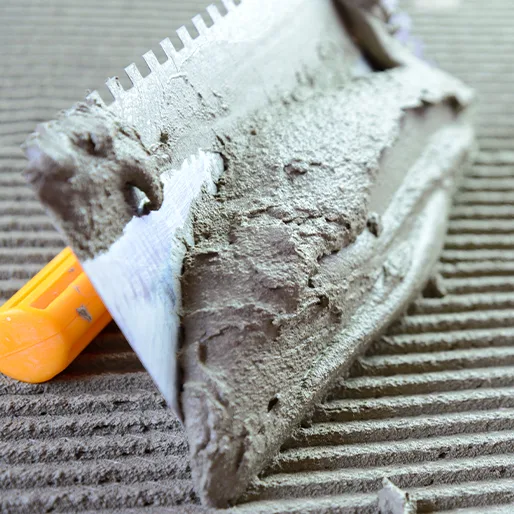
Mortar is a binder generally made by mixing cementing or binding material (lime or cement) and fine aggregate with water. It is used to bond various building blocks such as bricks, stones, etc. It can also create a decorative pattern in brick or stone masonry. Mortar has been used since the dawn of civilization. About 2000 years ago, the Egyptians used lime mortar.
Mortar is made by mixing a binder (cement or lime) with fine aggregates (sand, surki, etc.) and water. Different types of mortar are used for construction purposes. Depending on the materials used for the preparation of the mortar mixture can be classified as follows.
- Cement Mortar
- Lime Mortar
- Surki Mortar
- Gauged Mortar
- Mud Mortar
Cement Mortar
Cement mortar is a type of mortar that uses cement as a binder and sand as a fine aggregate. Depending on the desired strength, the ratio of cement to sand in cement mortar varies between 1:2 and 1:6.
Lime Mortar
Lime mortar is a type of mortar that uses lime (fat lime or hydraulic lime) as a binder and sand as a fine aggregate. The ratio of lime to sand is maintained at 1:2 for cement mortar. The pyramids of Giza are plastered with lime mortar.
Gauged Mortar
Gauged Mortar is a type of mortar that uses cement and lime as binders and sand as a fine aggregate. Basically, it is a lime mortar to which cement is added to provide greater strength. This process is referred to as gauging. The ratio of cement to lime varies from 1:6 to 1:9. Sand-lime mortar is less expensive than cement concrete and also has a higher strength than lime mortar.
Surki Mortar
Surki mortar is a type of mortar that uses lime as a binder and surki as a fine aggregate. Surki mortar is economical.
Mud Mortar
Mud mortar is a type of mortar that uses mud as a binder and sawdust, rice husks, or cow dung as a fine aggregate. Mud mortar is useful when lime or cement is not available.
What are the Qualities of a Good Mortar?
Qualities of good mortar mix is as follows:
- Strength
- Mobility
- Placeability
- Water retention
1. Strength of Mortar
A mortar is said to have good strength only after it has hardened. However, using high-quality material in good proportions will produce a strong mortar. In addition to the mortar, the components must also be of good quality because only then will the structure withstand for a long time. When making mortar with good strength, sufficient cement content should be used. A well-graded fine aggregate should be used. The water content should not be higher than the required amount.
2. Mobility
The term mobility refers to the consistency of a mortar. The consistency is divided into different types: stiff, dense, loose, fluid, etc. The mobility of the mortar depends on the composition of the mortar components. Mortars of different consistencies are used for different works. Properties of a good mortar
3. Placeability
The ability to economically place a mortar layer on the structure's surface is called the placeability of the mortar. The thinner and more uniform the layer, the lower the cost. A good quality mortar layer should also form a good bond with the surface. Placeability depends solely on the consistency or mobility of the mortar.
4. Water Retention
A good quality mortar has a strong water retention capacity. A mortar should not lose its water content, especially during transportation. If the water is separated from the mixture, it will be difficult for it to harden, and the strength of the mortar will also decrease. The mortar cannot form a strong bond with the surface without sufficient water content. There are various types of plasticizers to improve the water retention capacity of mortar.
Uses of mortar
Different mortars are used for different purposes in construction due to their plasticity, workability, bonding and hardening properties.
- It is used to distribute the load evenly among the lower bricks.
- Mortar is used to form soft layers of bricks and stones in masonry.
- It is also used to bond bricks and stones together.
- It also provides waterproofing against weathering.
- Mortar is used as a plaster or impermeable coating for walls and roofs.
- For various types of painting work to protect the joints of bricks.
- It is used to hide the open joints of bricks and masonry.
- Mortar is used to repair cracks in any structure.
- It is used to improve the overall appearance of the structure.
- It is also used for various ornamental work to improve the general appearance of a building or structure.
Tests of mortar
- Flow test
- Compressive strength test
- Air content test
- Setting time test
Flow Test
The mortar flow test uses a specially designed table that repeatedly lifts and drops a known amount of mortar. During the test, the mortar spreads or flows into a circular mass. The diameter of the mass is measured and compared to the initial size. The increase in size is expressed as a percentage of the initial size:
For most mortars, the required yield is 110%. The flow test is repeated, using a new mortar batch until the desired flow is achieved. The amount of water required to achieve flow is recorded, and this mortar is then tested for compressive strength.
Compressive strength Test
This is the most relevant test to evaluate the performance of fly ash since concrete is mainly valued for its high compressive strength and the pozzolans in concrete produce additional cement and thus higher strengths.
Once the proper flowability is achieved, the mortar is poured into the bronze cube-shaped molds and compacted. The surface of each cube is finished with a trowel, and the molds are placed in a damp maturing cabinet.
After 24 hours of curing, the molds are stripped of the cube specimens. Compressive strength is then tested at specified curing intervals, typically at 1 or 3 days, 7 days, 28 days, and 56 days.
Air Content test
The mortar is prepared by a method similar to that used for compressive strength, except that coarser sand and an AEA mix are used with mortar to cement the air in the mix. After mixing, the flowability of the mortar is determined.
If the flowability is within the specified range, a portion of the mortar is poured into a brass cup of known volume and compacted, and the mass of the cup mortar is determined.
If you subtract the mass of the cup and know the density of each component, you can calculate the air content of the mortar. The test result is the amount needed to achieve an air content of the mortar of 18%.
Setting Time test
The setting time is the time that elapses after mixing until the mortar begins to set. This test is usually performed with cement paste but can also be performed with mortar. The test is completed by measuring the penetration of a steel needle into the cement paste or mortar over several hours. The needle is part of an instrument called the "Vicat apparatus".
When the penetration of the needle into the material is less than 25 mm (paste) or 10 mm (mortar), the material has reached its "setting" point. The time required to reach this degree of setting is given as the test result.