Governors & Bearings Explained Simply - Mechanical Engineering Interview Questions
Understand mechanical governors and car wheel bearings with real-life examples. Prepare for mechanical engineering interview questions effectively.
 Skill-Lync·14 Apr 2025·2 min read
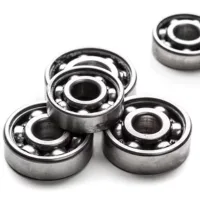
If you're preparing for basic mechanical interview questions or design engineer interview questions, here's a concept that’s often overlooked - but frequently asked.
Two of the most common interview questions related to mechanical engineering involve governors and bearings—essential components in machine control and motion.
At Skill-Lync, we break down complex topics using simple, real-life examples—so you’re ready for any curveball in your mechanical engineering interview questions.
Let’s explore one such question commonly asked in automotive interviews:
What are Governors and Bearings?
Imagine you're cruising on a highway. You're going uphill, then downhill—but your car maintains a steady speed throughout.
Or you're riding a bicycle, and the wheels rotate effortlessly without making a sound.
What keeps everything smooth and in control?
That’s where governors and bearings step in.
What is a Mechanical Governor?
A mechanical governor is used to regulate the speed of an engine—keeping it steady even when external conditions like load or terrain change.
It’s like your car’s cruise control. Whether you’re going uphill or downhill, the system adjusts fuel input to maintain your set speed. That’s modern automation based on a classic principle.
Ceiling fans are another great example. Ever noticed how they maintain a steady speed even during voltage fluctuations? That’s the governor working behind the scenes.
And those markings you see on Indian buses—
"Governor installed, Max speed 60 km/h"—
they’re not just stickers. These speed governors ensure safety by preventing the vehicle from going beyond a set speed, regardless of how powerful the engine is.
What Are Bearings?
Now let’s talk about motion.
Bearings are devices that reduce friction between moving parts—essential for smooth, noise-free operation.
A simple example? Your bicycle. The wheels spin freely around the axle thanks to car wheel bearings. Without them, you'd feel more resistance, more wear, and more heat buildup.
This concept applies to car bearings as well. They're critical in automotive systems like wheels, engines, and suspension components. Even the spinner on your office chair works smoothly because of tiny bearings inside.
Bearings prevent overheating, reduce maintenance needs, and increase the life of machines.
Why These Components Matter in Engineering
Governors and bearings may seem simple, but they’re vital in ensuring reliability, safety, and efficiency.
Without governors, machines would run erratically under changing conditions.
Without bearings, friction would slow down operations and increase wear.
That’s why they show up in both design engineer interview questions and basic mechanical interview questions—they test how well you understand practical, mechanical systems.
Conclusion
When you understand components like mechanical governors and car bearings, you’re not just answering interview questions—you’re proving that you can think like a mechanical engineer.
Mastering each topic like this strengthens your fundamentals and brings you closer to your goal of becoming a design-ready engineer.
This blog is part of our ongoing Mechanical Engineering Interview Questions. If you missed the previous posts, check them out here.
Skill-Lync has released a FREE playlist covering Mechanical Engineering Interview Questions in detail! Check it out here.