How Hybrid Electric Propulsion Systems Are Redefining Vehicle Performance
Discover how hybrid electric propulsion systems are transforming vehicle performance with cleaner, more efficient technology. Explore the different types of hybrid electric vehicles and their impact on fuel consumption and emissions.
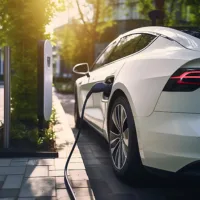
With the push for cleaner and more sustainable transportation, vehicle emission norms in India have become increasingly stringent in recent years. Starting with the Bharat Stage (BS) IV norms in 2017, the country made a bold leap to BS VI emission standards in 2020, skipping BS V entirely. These standards are crucial steps toward reducing pollution and promoting greener transportation.
One of the key developments in this push for lower emissions is the rise of hybrid electric vehicles. In this blog, we'll dive into how hybrid electric vehicles work, the different types available, and why they're essential for reducing fuel consumption and emissions.
What Are Hybrid Electric Vehicles?
A hybrid electric vehicle (HEV) combines two power sources—an internal combustion engine (ICE) and an electric motor powered by a battery. This allows for more efficient fuel use and significantly lower emissions compared to conventional vehicles. While there are various types of hybrid electric cars, the most common ones rely on both an internal combustion engine and a battery-powered electric motor.
HEVs are classified into three main types based on their hybrid electric propulsion systems:
- Series Hybrid Vehicles
- Parallel Hybrid Vehicles
- Series-Parallel Hybrid Vehicles
Let’s break down each of these types in more detail.
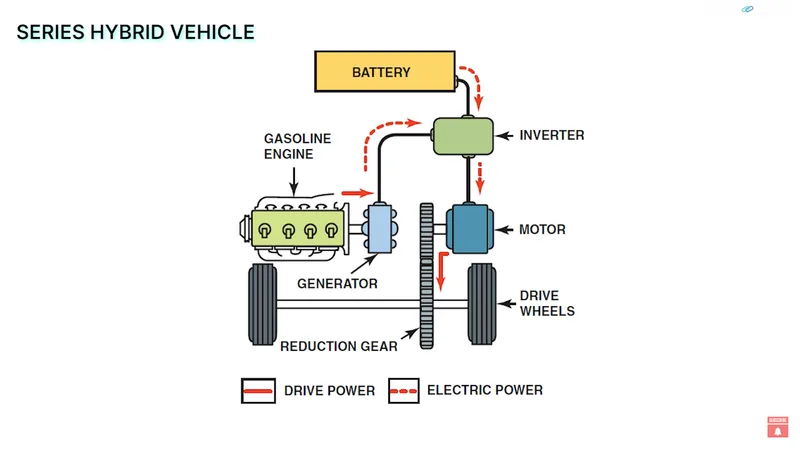
Series Hybrid Vehicles
In a series hybrid vehicle, the propulsion comes solely from an electric motor powered by a battery. The internal combustion engine does not directly power the vehicle; instead, it serves to charge the battery. This means that the car can run on electric power alone, even when the ICE isn’t running. Since the engine operates only to charge the battery, it can be optimized to run at its most efficient speed and load.
One significant advantage of the series design is the elimination of complex components like a transmission, clutch, or torque converter. An example of a series hybrid is the Chevrolet Volt. However, one downside is that series hybrid electric vehicles rely heavily on battery power, which can limit performance, especially on steep inclines. To compensate, larger motors are often required, which increases the weight and decreases the vehicle’s range.
Parallel Hybrid Vehicles
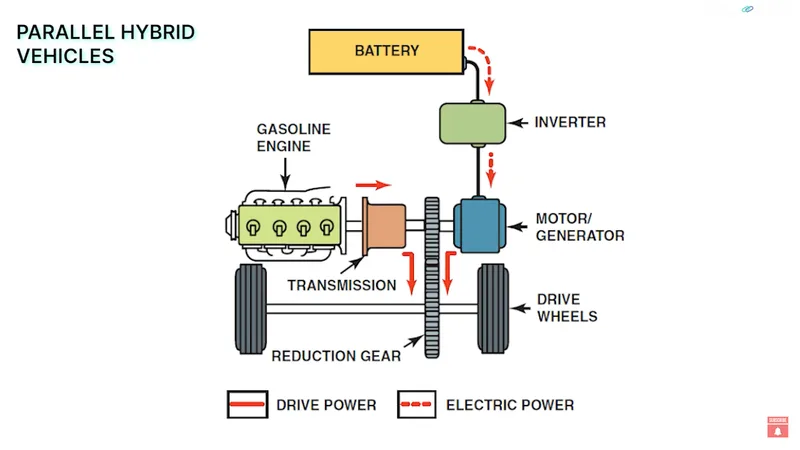
To address the limitations of series hybrids, parallel hybrid vehicles were developed. In this system, the vehicle can be powered by both the internal combustion engine and the electric motor, either together or independently. This flexibility makes parallel hybrid electric cars more efficient in a wider range of driving conditions.
Typically, the electric motor assists the internal combustion engine, allowing for a smaller, more fuel-efficient engine and motor. However, this comes at the cost of a more complex design. The blending of power sources requires sophisticated software and gearbox designs to ensure smooth transitions between the two energy systems.
Series-Parallel Hybrid Vehicles
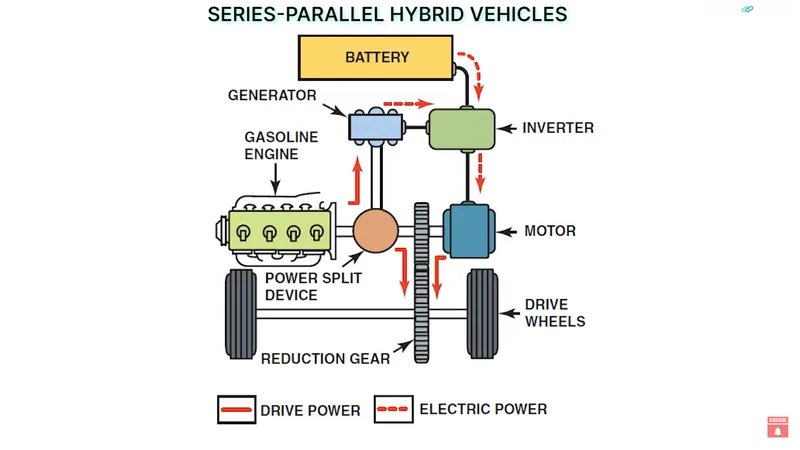
Finally, we have series-parallel hybrid vehicles, a combination of both series and parallel systems. In these cars, the internal combustion engine can either charge the battery or directly power the vehicle, depending on the driving conditions. This design provides greater flexibility and better fuel efficiency.
A popular example of a series-parallel hybrid is the Toyota Prius, known for its impressive fuel economy of 28 kilometers per liter. By combining the advantages of both series and parallel systems, series-parallel hybrids offer better performance and reduced fuel consumption, making them an excellent choice for eco-conscious drivers.
Hybrid Electric Vehicles and the Future of Transportation
The development of hybrid electric propulsion systems has brought us closer to reducing our dependence on fossil fuels and lowering emissions. For engineers and students interested in learning more about the design and functionality of these vehicles, tools like MATLAB simulation for hybrid electric vehicles are invaluable. These simulations allow engineers to model and test various configurations to optimize efficiency and performance.
Hybrid Electric Vehicle Projects in Mechanical Engineering
For mechanical engineering students, working on a hybrid electric vehicle project can provide hands-on experience with one of the most exciting innovations in modern automotive technology. From understanding the mechanics behind hybrid electric vehicle propulsion to working on complex systems integration, there’s much to learn in this growing field. Aspiring engineers can also explore how these vehicles contribute to meeting stricter emission norms and advancing the global transition to cleaner transportation.
Conclusion
Hybrid electric vehicles represent a significant leap forward in reducing emissions and improving fuel efficiency. With different configurations like series, parallel, and series-parallel hybrids, these vehicles offer flexibility, better performance, and a greener alternative to traditional cars. As the automotive industry continues to innovate, hybrid electric cars will undoubtedly play a crucial role in the future of transportation.
If you’re interested in learning more about how hybrid electric vehicles work, we’ve prepared a detailed course designed by industry experts. Check the link in the description for more information. Until the next video, stay tuned for more exciting topics on sustainable technology!
Skill-Lync offers a wide range of industry-relevant upskilling programs to get you career-ready. Click here to sign up for a FREE course demo right away, and let's launch your career together!


