Wiring harness design in CATIA V5 - 3D modeling Week 7 Challenge
Aim
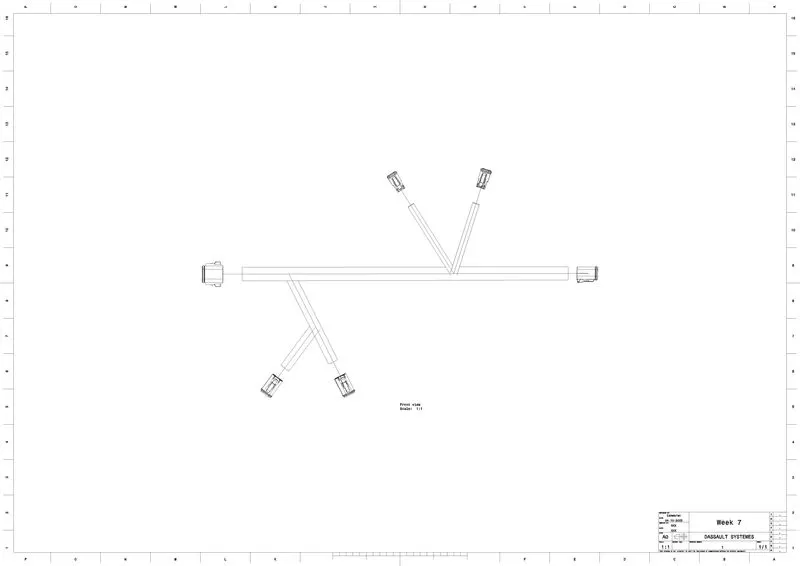
To Flatten the harness assembly . Place the flattened view on drawing sheet and to Ensure bundles with protective coverings has different visuals on drawing view.
Software Used
Catia V5
Introduction
CATIA® is the world's engineering and design leading software for product 3D CAD design excellence.It is used to design, simulate, analyze, and manufacture products in a variety of industries including aerospace, automotive, consumer goods, and industrial machinery
A wire harness, also commonly referred to as a wiring harness, is an exterior sheath used to cover some types of electronic wires. Generally, wiring harnesses are made of thermoplastic or thermoset materials that can help protect the cables from the environment. It is a low-cost, simple method for technicians to keep wires organized, protected, and easy to navigate. Although most wires come with their own exterior sleeves, those sleeves seldom are thick enough to protect the wires from dust, debris, and moisture. The thicker the wire is, the more risk there is of it sustaining damage due to a burned fuse.
The term “wire harness” is often used interchangeably with the term “cable assembly.” However, these are actually two different products. While both are exterior sheaths used to protect wires or cables, the cable assembly is made of a more durable material and is created to offer a higher level of protection in the most extreme conditions. Wiring harnesses and cable assemblies each have a distinct purpose in the electrical field. Selecting the right one is based on the application needed and is an important part of the success of your product. Ensuring that you have experienced, and informed members of your team helps ensure that you are using the correct components for your project.
Input
- DT06-4S
- DT06-6S
- DT06-2S
- DT06-08SA
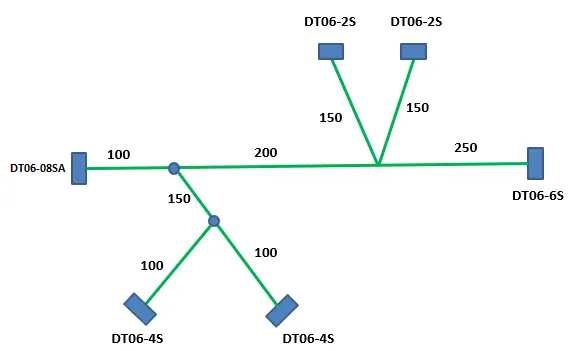
Design Methodology
Converting the Mechanical part into the Electrical part:
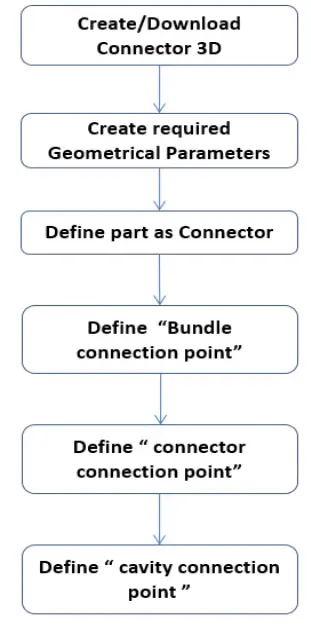
HARNESS FLATTENING
- WE GO TO THE HARNESS FLATTENING WORKBENCH AND DEFINE THE FLATTENING PARAMETERS.
- WE USE THE EXTRACT COMMAND TO BRING THE HARNESS ASSEMBLY TO THE FLATTENING WORKBENCH HERE.
- CHOOSING A SUITABLE PLANE WE FLATTEN THE HARNESS ASSEMBLY.
- BUNDLE SEGMENTS ARE ROTATED AT THE REQUIRED ANGLES. THE HARNESS ASSEMBLY IS THEN DRAFTED.
- FLATTENING PARAMETERS ARE DEFINED IN ORDER TO MAKE THE BUNDLE AND THE CORRUGATED TUBES VISIBLE IN THE 3D DRAWINGS.
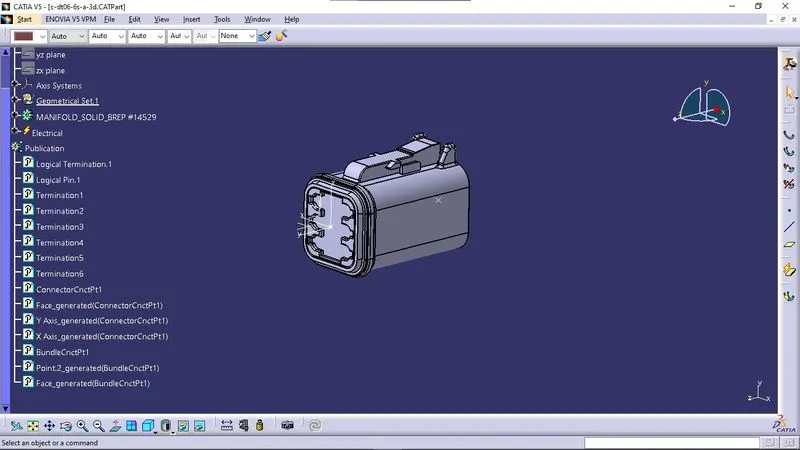
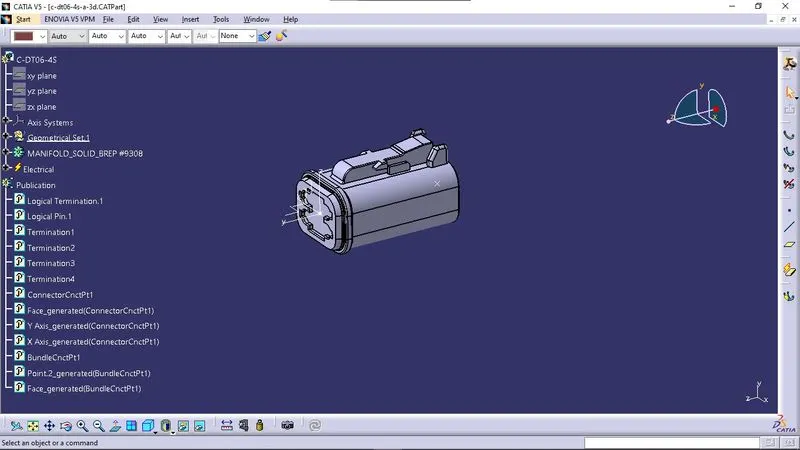
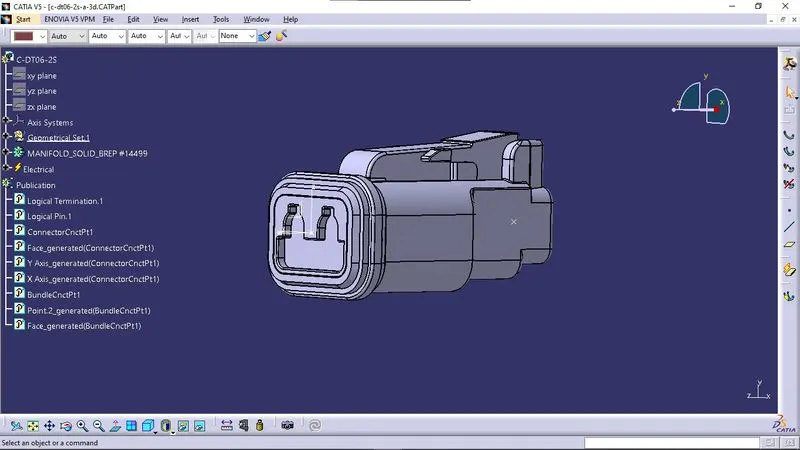
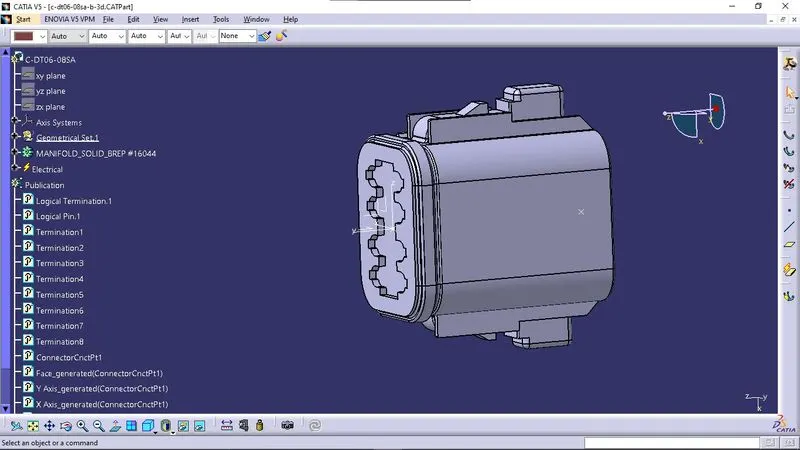
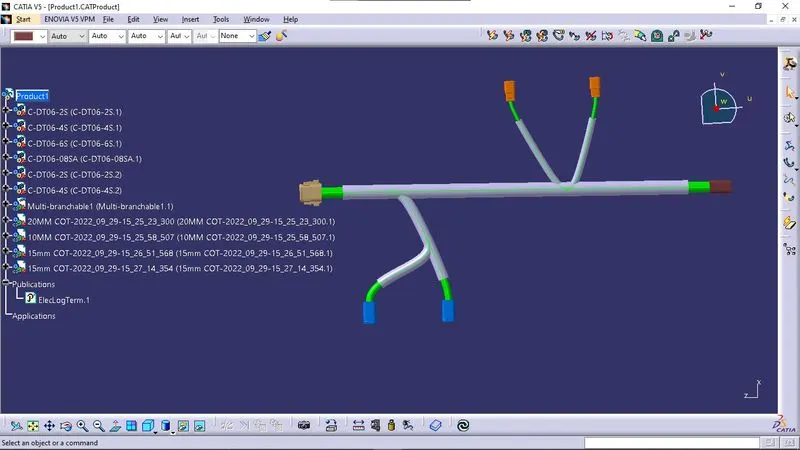
After retrieving all the data and allingning them to the proper dimensions we will do the routing process using Electrical harness assembly workbench.
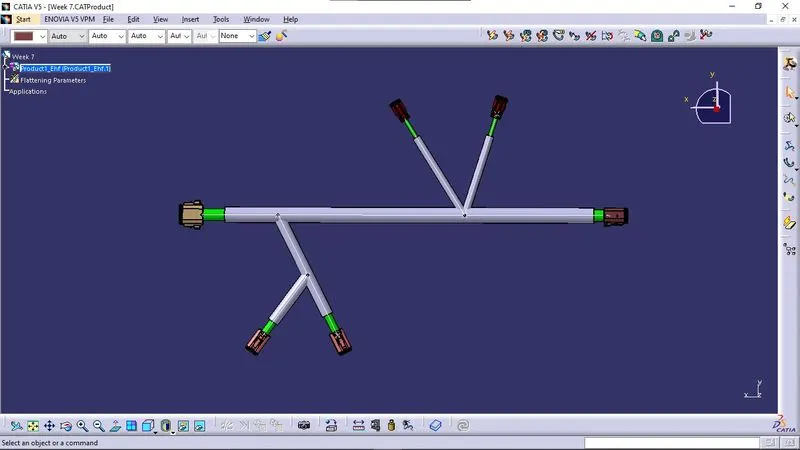
Output
Conclusion
Flattening of the assembly and drafting it on to a darwing sheet is thus complete.