Week 9- Unsteady moving zones Approach
Aim:To simulate the motion of blades in a generic turbomachinery component using an unsteady approach.
Objectives: Appropriate time step for the simulation and generate an animation file for the rotation.
Theory:
Difference bewteen Frame motion and Mesh motion approach.
1. Independent mesh for each zone 1. Single mesh for each zone.
2. Interface when each zones 2. No interfaces
3. Mesh quality remian same. 3. Dynamic mesh since mesh deform with time, Iteration, Skewed Aspect ration.
Mesh quality changes with Smoothing, Layering or remeshing.
Dynamic mesh purpose.
When we have a seperate rotating domain, Dynamic mesh is not recommended. When we dont have seperate rotating domain and if there is skweness with continous deformation in mesh, then Dynamic mesh is used.
Procedure:
1. Import the mesh files provided for the assesment.
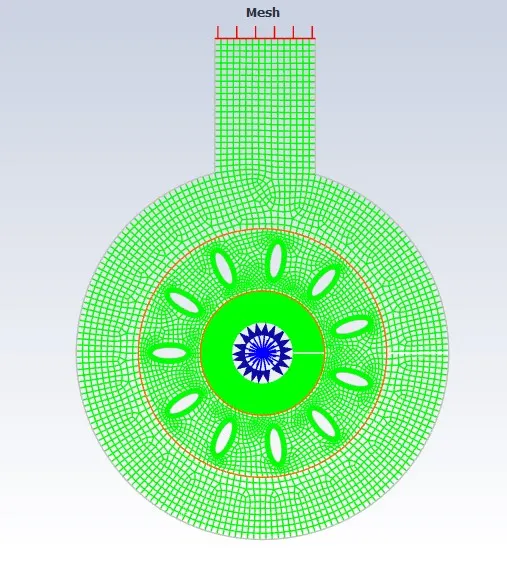
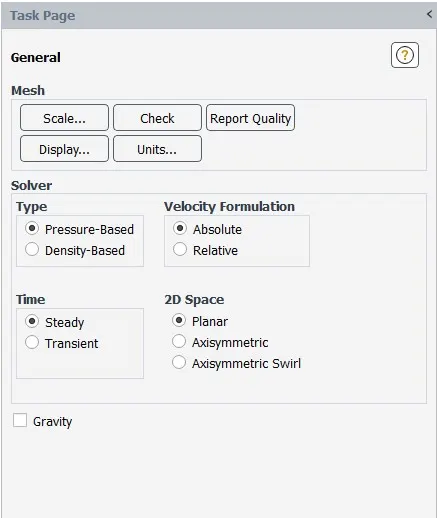
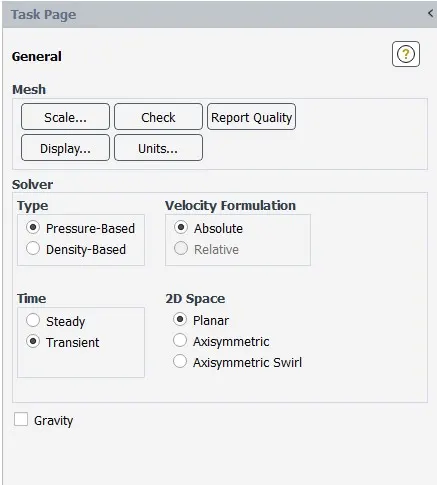
2. Steady state for frame motion simulation and Transient for mesh motion simulation.
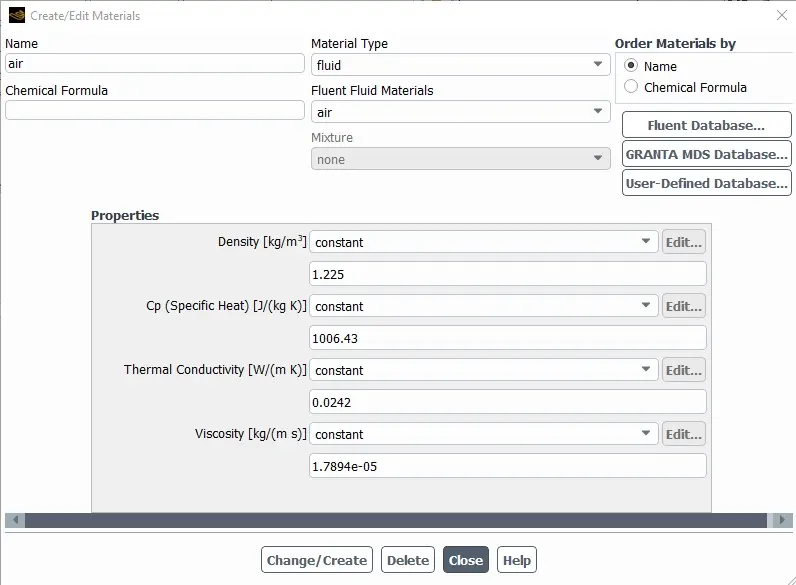
3. Setting up fluid as air.
4. Boundary condtions and cell zone for fixed ad rotataing frames.
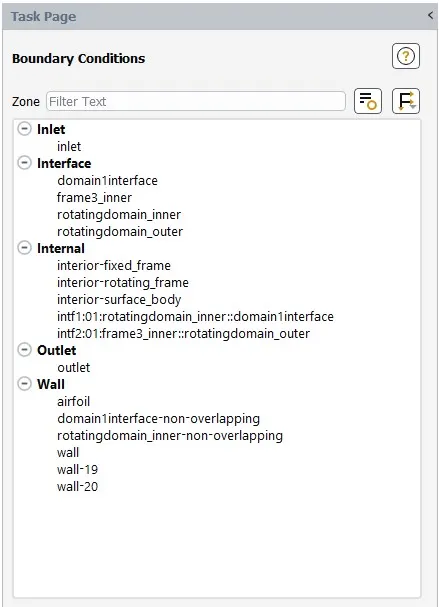
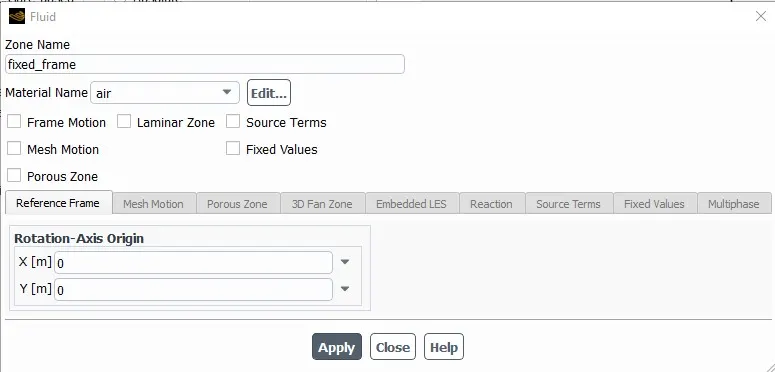
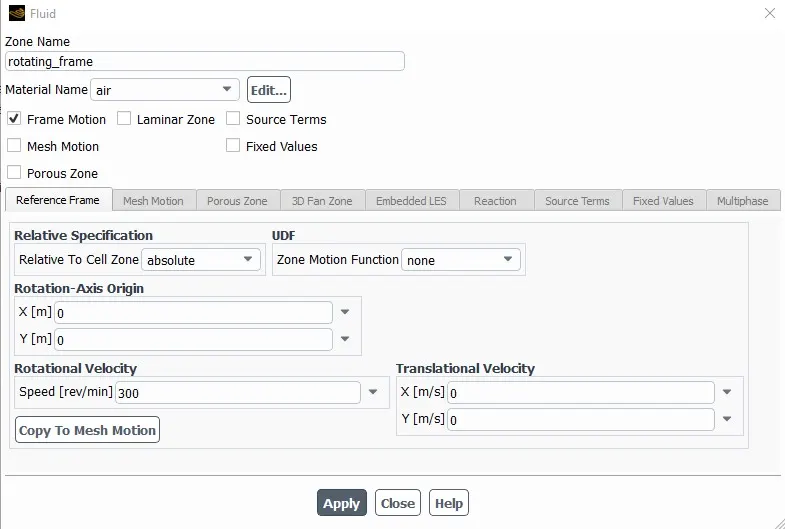
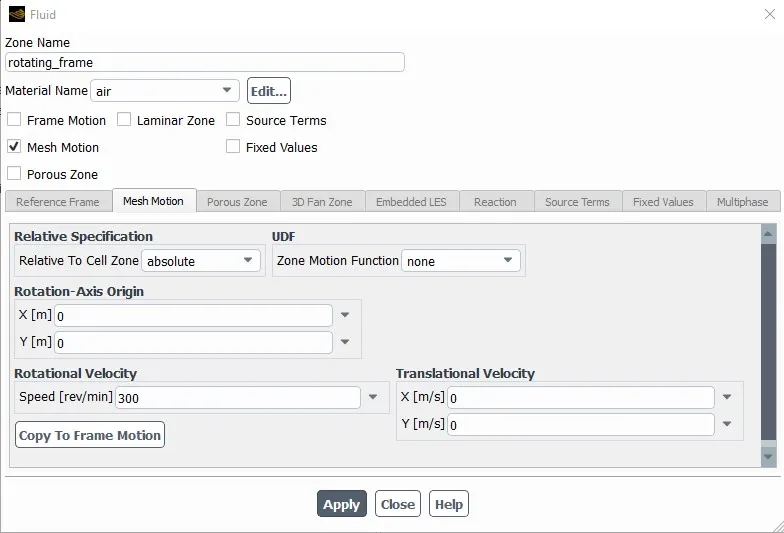
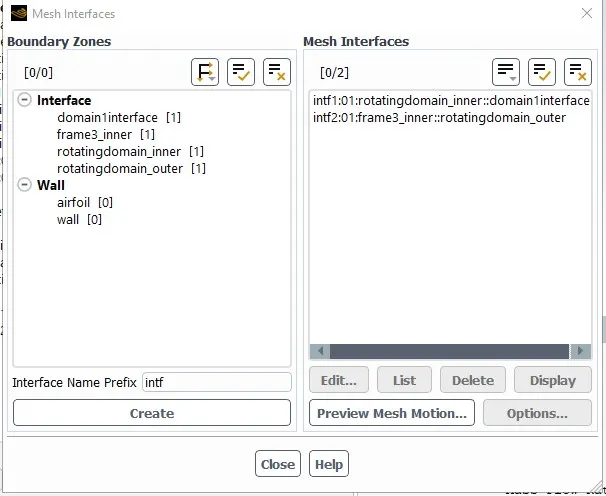
5. Mesh Interfaces.
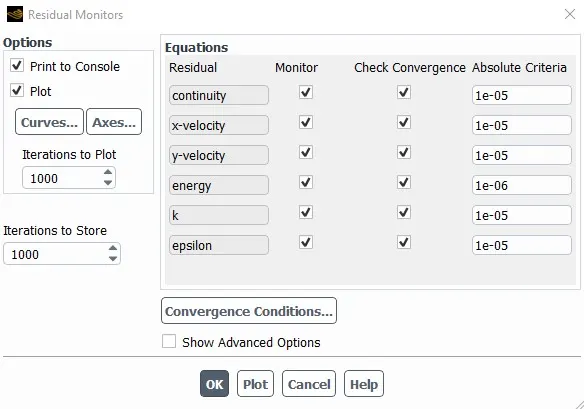
6. Residual monitoring.
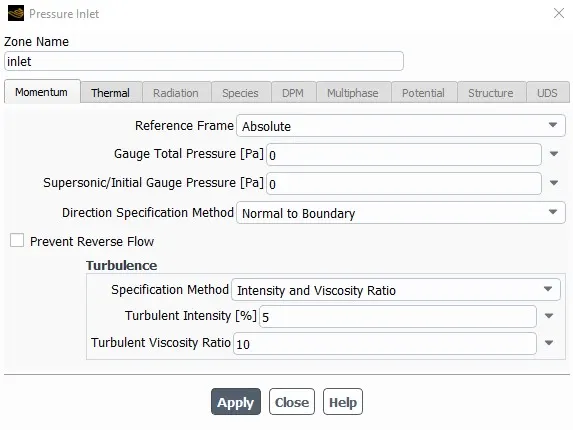
7. Inlet and outlet parameters.
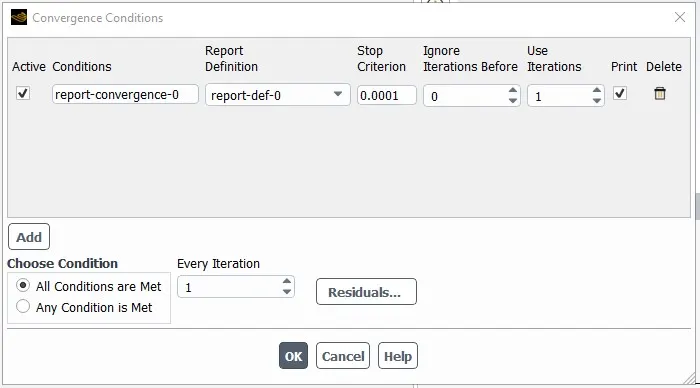
8. Convergence conditions.
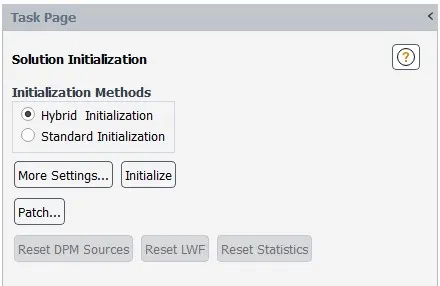
9. Initialization.
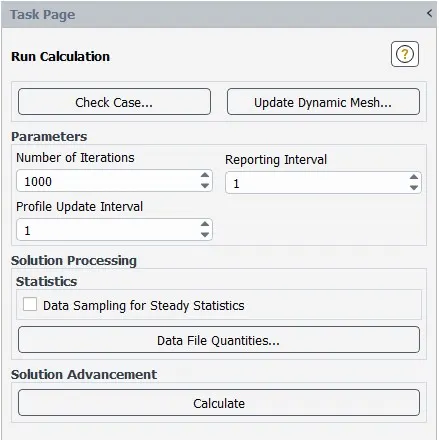
10. Run calculation.
Results:
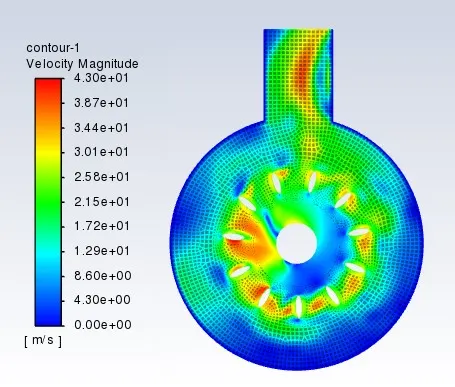
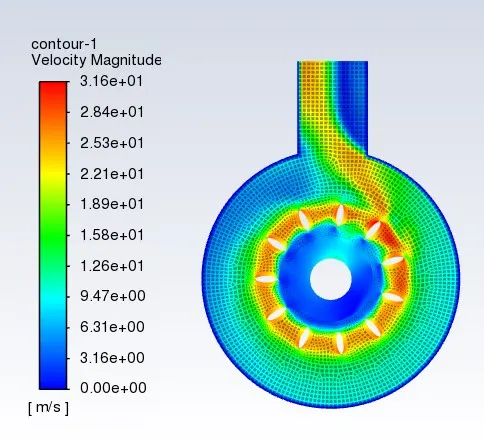
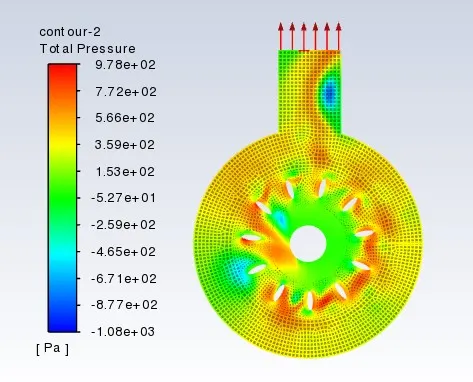
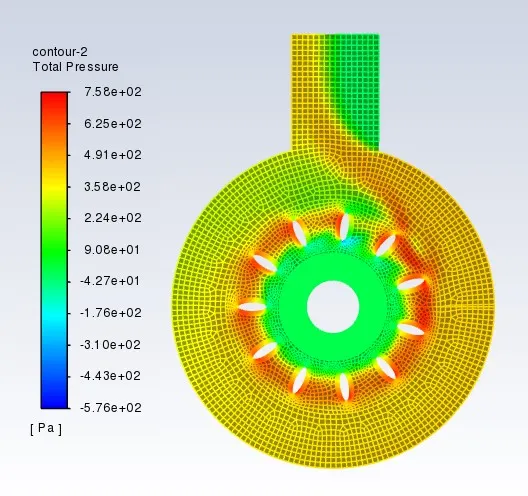
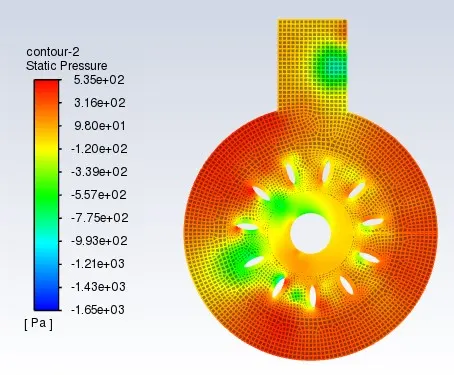
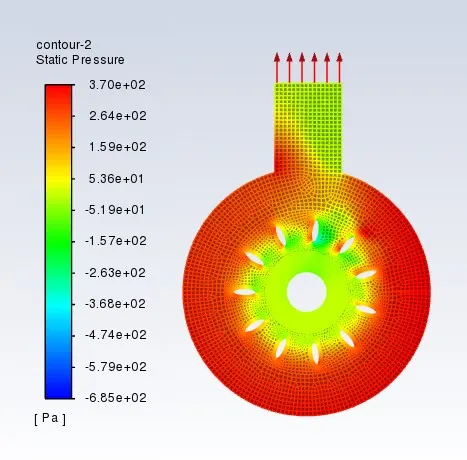
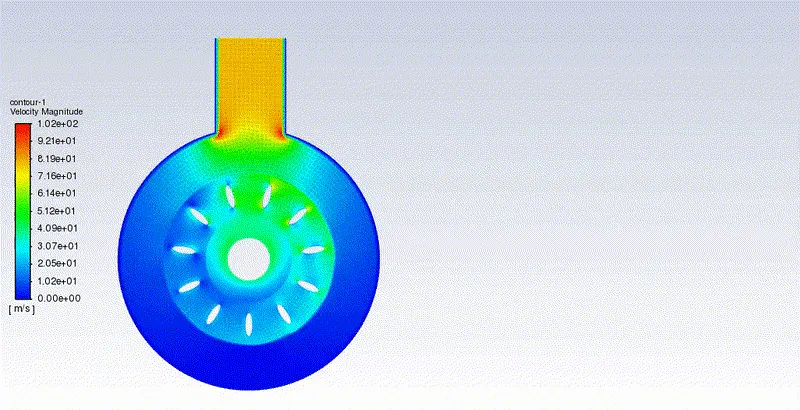
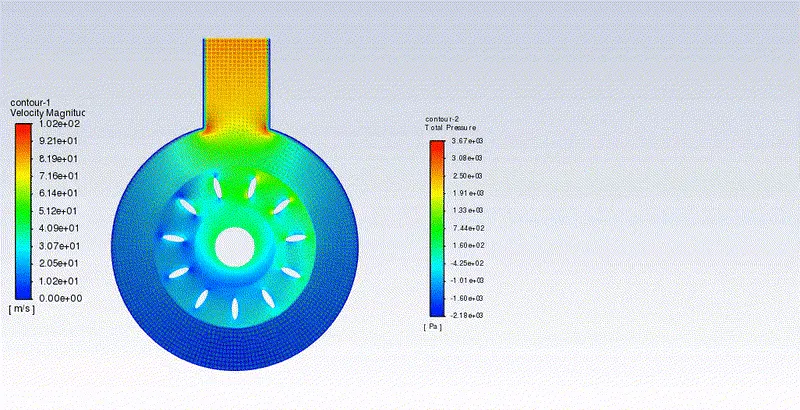
Rotating mesh motion Rotating frame motion
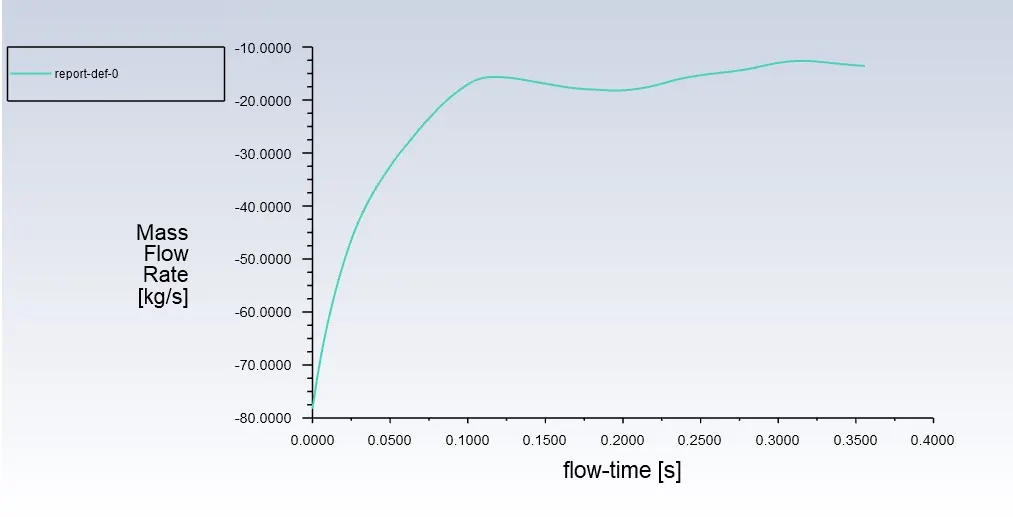
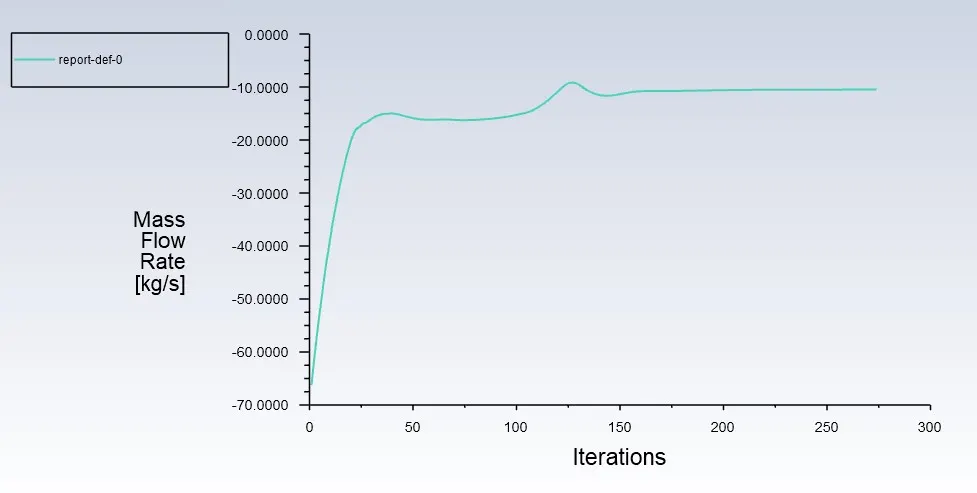
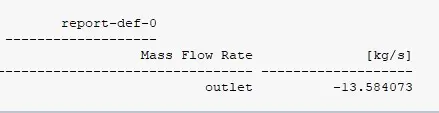
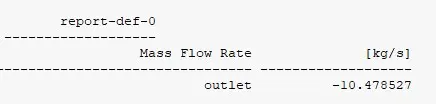
Conclusion:
Study on Frame motion and Mesh motion was simulated. Both Frame motion and Mesh motion give comparitively same resullts.
References: